

Why is Laminated Glass The Preferred Choice for Hurricane Protection and Security Applications?
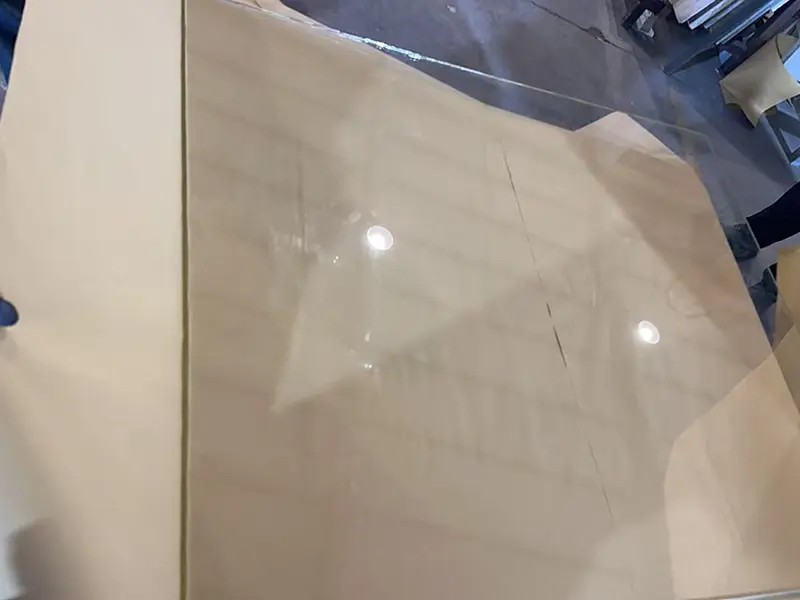
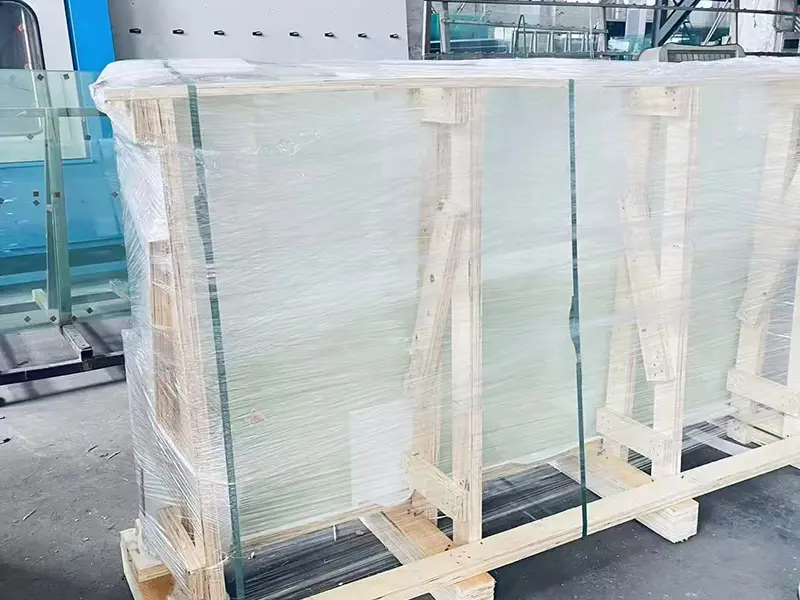
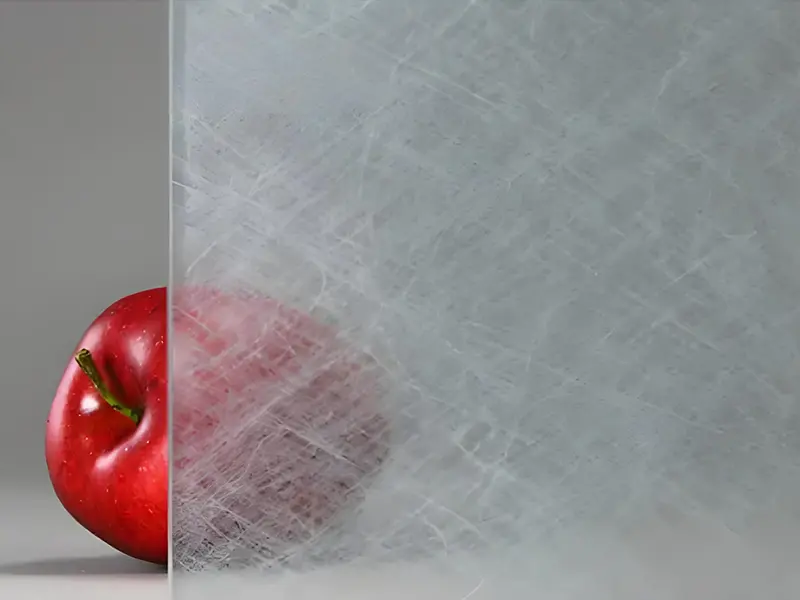
It's no accident that laminated glass has become the material of choice for hurricane-proofing and security applications. This innovative glass product consists of two or more layers of glass bonded together by a durable interlayer, typically made of polyvinyl butyral (PVB) or ethylene vinyl acetate (EVA). This unique construction offers a range of benefits that make it ideal for environments subject to extreme weather and security threats.
One of the main advantages of laminated glass is its superior strength and toughness. When a hurricane strikes, flying debris poses a significant risk to buildings and their occupants. Laminated glass is designed to withstand strong winds and impacts, preventing shattering and remaining intact even when hit by heavy objects. This feature not only protects the structural integrity of the building, but also improves the safety of those inside.
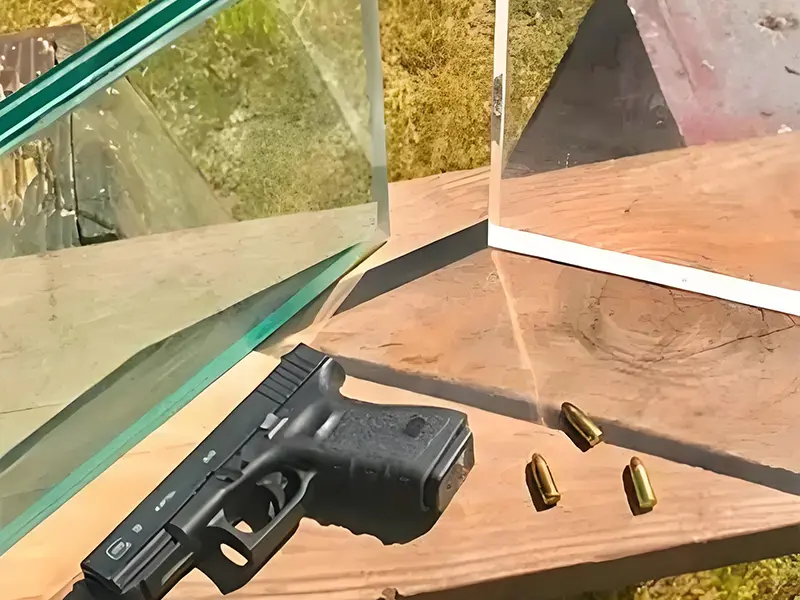
Laminated glass not only protects against the elements, but it also effectively protects against security threats. The interlayer of laminated glass acts as a barrier, so even if the glass breaks, the shards stay together. This makes it more difficult for intruders to enter the house because the glass won’t fall out easily, effectively deterring theft and vandalism. Laminated glass can also be specially treated to provide additional security features such as bulletproofing, making it a popular choice for banks, government buildings, and other high-security facilities.
Laminated glass also offers additional benefits such as UV protection and sound insulation, which can improve the overall comfort and safety of indoor environments. Laminated glass is a top choice for hurricane protection and security applications, combining durability, safety and aesthetics to provide peace of mind for homeowners and businesses. As climate change leads to an increase in the frequency and intensity of storms, demand for laminated glass is likely to continue to grow, solidifying its position as a key component of modern building and security design.