2026 Best Intelligent Glass Innovations for Smart Homes and Offices?
As we move into a new era of modern living, the concept of Intelligent Glass emerges as a game-changer for smart homes and offices. This innovative technology offers users unparalleled control over their environments. Intelligent Glass can adapt to light, temperature, and privacy needs seamlessly. Imagine a workspace that brightens when you're focused and dims when it's time to relax.
The capabilities of Intelligent Glass go beyond aesthetics. It enhances energy efficiency, reducing heating and cooling costs. However, the technology is not without its challenges. Adoption rates vary widely. Not all users understand its full potential. There is also a learning curve involved in maximizing its benefits. Understanding the intricate details of Intelligent Glass can be daunting.
Still, the future is promising. With further advancements, we can expect more intuitive features. Intelligent Glass will likely integrate with smart home systems for a cohesive experience. As we explore these innovations in 2026, it is essential to consider both the advantages and limitations. The journey into Intelligent Glass is just beginning, and reflection on its evolving role is vital.
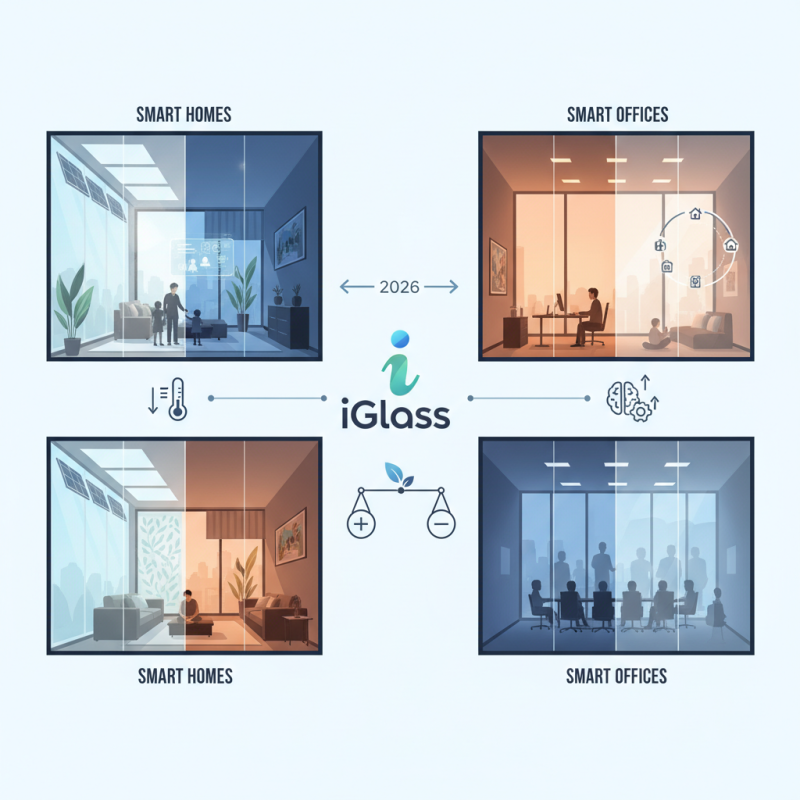
2026 Innovations in Intelligent Glass for Smart Homes and Offices
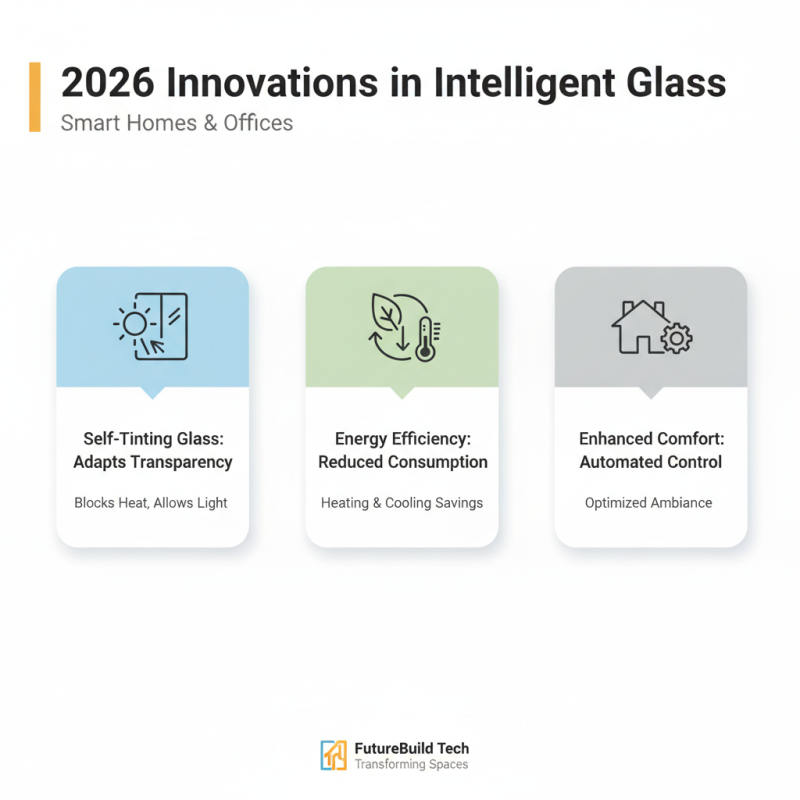
Innovations in intelligent glass are transforming smart homes and offices in 2026. These advancements promise energy efficiency and enhanced comfort. Self-tinting glass adjusts transparency based on sunlight. It blocks excessive heat while allowing natural light to filter in. This feature reduces energy consumption for heating and cooling.
Another exciting development is switchable glass. Users can control privacy levels with a switch. This technology lets you transition from clear to opaque glass instantly. It is perfect for office spaces that require flexible layouts. Common areas can become private rooms when necessary.
However, challenges remain. The cost of installation can be high. Some users may find the technology complex. Additionally, not all regions have access to these innovations. As demand grows, improvements in accessibility are essential. Balancing cutting-edge technology with practical use will determine the future of intelligent glass.
Key Features of Intelligent Glass Technology in Modern Spaces
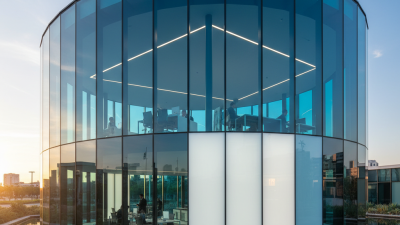
Intelligent glass technology is rapidly becoming a cornerstone in modern homes and offices. One key feature is the ability to dynamically change transparency. Users can switch from clear to opaque at the touch of a button. This enhances privacy while allowing natural light to filter in. In office settings, this flexibility can create separation between collaborative spaces and private areas seamlessly.
Another notable aspect is its energy efficiency. Smart glass can regulate temperature and reduce glare, leading to lower energy consumption. This not only minimizes costs but also supports sustainable practices. However, there are challenges. The installation process can be complicated. Users must consider the potential disruption during retrofitting.
Moreover, the technology relies heavily on electrical components. This means that functionality may be compromised during power outages. While intelligent glass presents innovative solutions, such issues demand careful consideration. The balance between technology and practicality must be evaluated to maximize benefits in our everyday spaces.
2026 Best Intelligent Glass Innovations for Smart Homes and Offices
Applications of Smart Glass in Residential and Commercial Settings
In modern residential and commercial spaces, smart glass innovations are transforming traditional environments. Smart glass, also known as switchable or electronic glass, can change transparency based on light or heat. According to a report by MarketsandMarkets, the smart glass market is projected to reach $6.5 billion by 2026. This growth reflects growing interest in energy efficiency and aesthetics in design.
Applications of smart glass include privacy management in offices and energy savings in homes. In residential settings, smart windows adjust their tint to reduce glare and heat, saving up to 30% on energy bills. Meanwhile, in commercial buildings, they enhance privacy without sacrificing natural light. Simple installations provide modern solutions for spaces that may feel cramped or outdated.
Tips for integrating smart glass include assessing local climate and window orientation, as these can influence energy efficiency. Explore different smart glass technologies, such as electrochromic and thermochromic options. Regular maintenance is essential; dirty or damaged glass can diminish performance. Remember, adopting smart glass can improve comfort but requires a well-planned strategy for effective implementation.
2026 Best Intelligent Glass Innovations for Smart Homes and Offices
| Feature |
Application |
Benefits |
Technology |
| Smart Tint |
Home Windows |
Energy Savings, Privacy Control |
Electrochromic Technology |
| Self-Cleaning Glass |
Commercial Facades |
Reduced Maintenance Costs |
Nanotechnology Coatings |
| Switchable Glass |
Office Partitions |
Flexibility in Space Use |
Liquid Crystal Technology |
| Photochromic Glass |
Residential Skylights |
UV Protection, Thermal Comfort |
Chemical Treatment |
| Privacy Glass |
Restroom Windows |
Instant Privacy |
Polymer Dispersed Liquid Crystal |
Environmental Impact and Energy Efficiency of Intelligent Glass Solutions
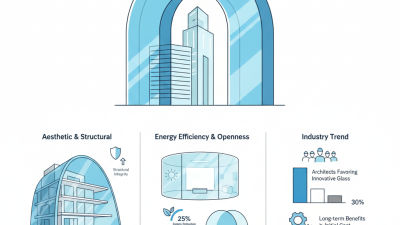
Intelligent glass is transforming smart homes and offices. This innovation promotes energy efficiency while enhancing aesthetics. By regulating heat and light, it reduces reliance on artificial lighting and cooling systems. Many buildings can see energy savings of up to 30%. This makes intelligent glass a viable option for forward-thinking architects and homeowners.
The environmental impact of intelligent glass solutions cannot be overlooked. They can significantly decrease carbon footprints. However, production methods still raise questions. The materials used in intelligent glass can be energy-intensive to produce. As the technology evolves, finding sustainable production methods remains a challenge.
Feedback from early adopters shows mixed results. While some appreciate the comfort and reduced bills, others express concerns over maintenance. Some intelligent glass products are prone to scratches or require special cleaning. This emphasizes the need for continued innovation and improvement in the field of intelligent glass technology.
Future Trends in Intelligent Glass Development for Smart Living Spaces
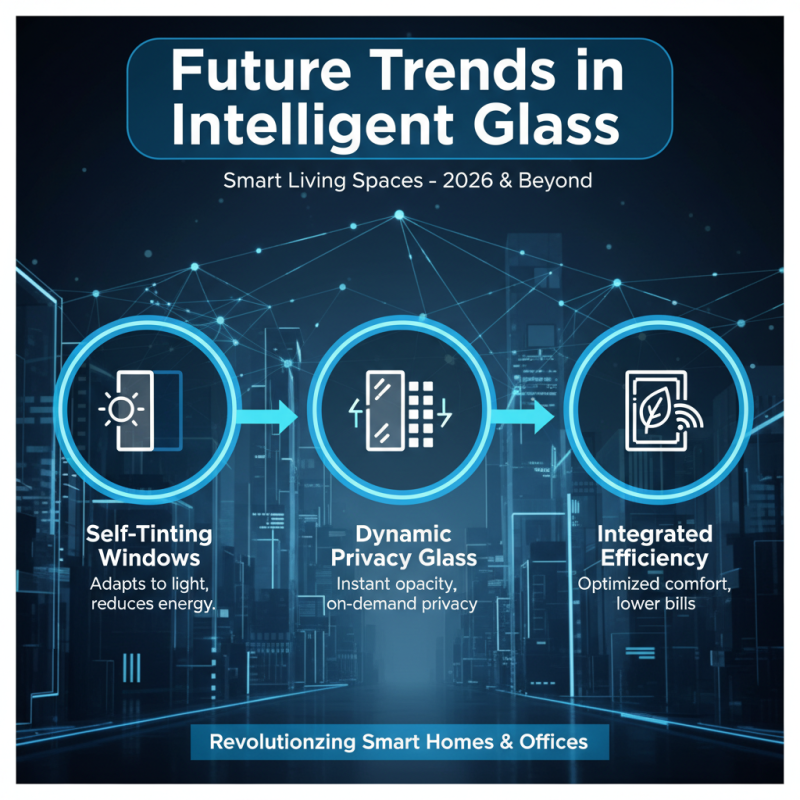
Intelligent glass is revolutionizing smart homes and offices. In 2026, we anticipate exciting innovations in this field. From self-tinting windows to dynamic privacy glass, these technologies promise both comfort and efficiency. They can adapt to varying lighting conditions, reducing the need for artificial lighting.
The development of intelligent glass brings challenges and opportunities. While the technology is promising, the cost remains a significant factor. Many consumers express concerns about affordability. Moreover, there is the issue of durability. How long will these innovations last? Are they truly reliable over time?
As smart living spaces evolve, environmental sustainability is also a focus. Intelligent glass can contribute to energy savings. However, the manufacturing processes need scrutiny. Ensuring that these technologies do not harm the environment is crucial. The balance between innovation and sustainability requires careful thought and long-term planning.