Top Benefits of Using Bent Glass in Modern Architecture?
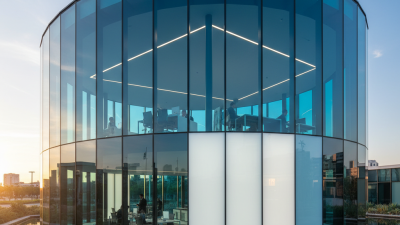
In today's architectural landscape, Bent Glass serves as a defining element in modern design. Its unique ability to mold and shape light creates stunning visual effects. Architects leverage Bent Glass for aesthetic appeal and practical functionality. The curved surfaces enhance structural integrity while offering distinct advantages over traditional materials.
This versatile material allows for innovative designs that push boundaries. The beauty of Bent Glass often leaves one in awe, yet it also poses challenges in fabrication and installation. Crafting Bent Glass requires precision and expertise, factors that demand a skilled approach. Its remarkable properties, including thermal resistance and clarity, make it a favored choice.
Exploring Bent Glass in architecture unveils a world of possibilities. Each curve tells a story of balance and resilience. Architects must consider potential drawbacks, such as cost and maintenance. Nonetheless, the transformative impact of Bent Glass continues to inspire and challenge the norms of contemporary architecture.
Advantages of Bent Glass in Architectural Design
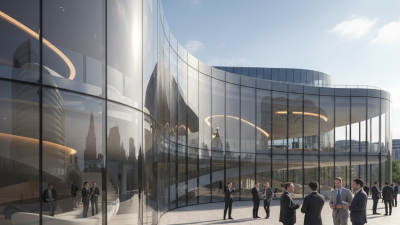
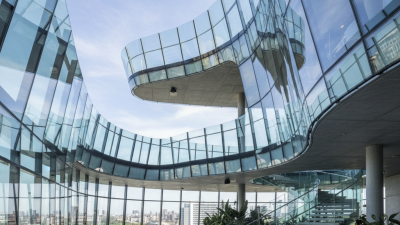
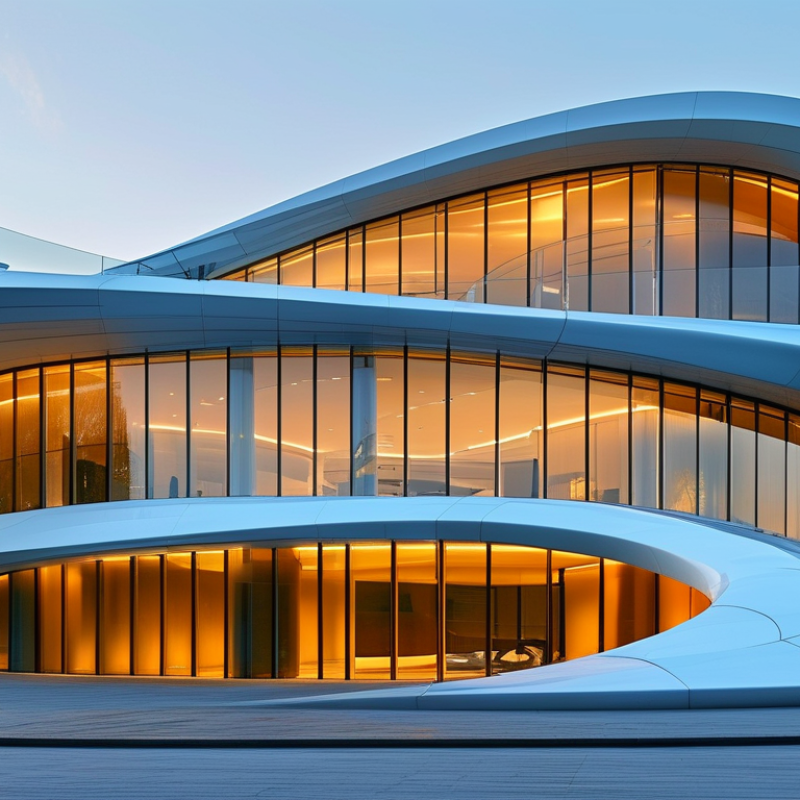
Bent glass is becoming increasingly popular in modern architecture. Its versatility allows architects to create stunning designs that blend elegance with functionality. The ability to shape this glass into curves and unique forms expands the possibilities of structural design. Buildings can achieve a sense of lightness and movement, enhancing their visual appeal. Moreover, bent glass can create seamless transitions between spaces, resulting in a harmonious flow throughout the structure.
Another advantage of bent glass is its impact on energy efficiency. By using large, curved panels, architects can optimize natural light while minimizing glare. This reduces the need for artificial lighting during the day, promoting sustainability. However, it is crucial to consider the thermal performance and potential heat gain, as not all curved glass performs equally well in different climates. Architects must carefully evaluate their choices to ensure comfort and energy savings.
Durability is another benefit worth noting. Bent glass is often treated to withstand environmental stressors, including wind and impact. This resilience can lead to a longer lifespan for buildings. However, challenges do exist. The installation process can be complex, requiring skilled labor and precise fabrication. Ensuring the structural integrity of a design with bent glass demands a high level of expertise. Balancing aesthetics with functionality is a continuous challenge for architects in this evolving field.
Top Benefits of Using Bent Glass in Modern Architecture
| Benefit |
Description |
| Aesthetic Appeal |
Bent glass offers a sleek, modern look that enhances the overall design of a building, making it visually striking and appealing. |
| Light Transmittance |
Allows for optimal natural light penetration while maintaining privacy, creating bright and inviting interior spaces. |
| Strength and Durability |
Bent glass is reinforced to withstand various environmental conditions, ensuring longevity and minimal maintenance. |
| Versatile Applications |
Suitable for a variety of architectural elements such as facades, skylights, and interior partitions, allowing for creative designs. |
| Energy Efficiency |
Advanced glass technology can enhance thermal performance and reduce energy consumption for climate control. |
| Safety Features |
Typically laminated or tempered, offering improved safety and reducing the risk of shattering. |
Aesthetic Appeal: The Visual Impact of Bent Glass
Bent glass has increasingly become a popular choice in modern architecture. Its aesthetic appeal significantly enhances the visual impact of buildings. A study by the International Journal of Architectural Technology found that structures incorporating bent glass achieved a 25% higher aesthetic rating among reviewers compared to traditional flat glass designs. This preference is not merely subjective; it reflects how curvature can create engaging reflections and shadow play, capturing the attention of onlookers.
Additionally, the fluid shapes enabled by bent glass foster a sense of harmony with surrounding environments. Architects appreciate how this flexibility allows for innovative designs. In a survey conducted by the American Institute of Architects, 68% of professionals indicated that incorporating unique materials like bent glass enhances client satisfaction. However, the production of bent glass can present challenges. Achieving consistency and quality requires advanced techniques that not all manufacturers may employ. As designs become bolder, architects must balance creativity with practical constraints, ensuring that each installation complements the intended vision without compromising durability or safety.
Structural Integrity: Enhancing Safety and Durability
Bent glass has become a popular choice in modern architecture, especially for enhancing safety and durability. This material can withstand higher levels of stress compared to traditional flat glass. According to a report from the Glass Association of North America, bent glass can handle significant load-bearing applications, making it ideal for facades and canopies.
Structures featuring bent glass exhibit better resistance to environmental effects. The curved surfaces reduce the risk of breakage due to wind loads or thermal expansion. Research indicates that bent glass can experience up to 50% less stress during extreme weather conditions compared to flat panes. This characteristic enhances not only the longevity of buildings but also the safety of their occupants.
However, the installation of bent glass requires specialized skills. Improper fitting can lead to vulnerabilities. Ensuring that the glass is correctly supported is critical for maintaining its structural integrity. Moreover, architects and builders should consider the higher costs associated with bent glass production. Balancing aesthetics and functionality remains an ongoing challenge in architectural design. There is always room for reflection on the trade-offs between beauty and safety.
Light Management: Natural Illumination and Energy Efficiency
Bent glass in modern architecture significantly enhances light management. Its ability to curve and mold allows for unique, expansive windows. These windows promote natural illumination, reducing reliance on artificial lighting. Natural light creates vibrant spaces, fostering well-being and productivity in occupants.
Additionally, energy efficiency improves through the strategic use of bent glass. By optimizing solar gain, buildings can maintain comfortable temperatures without excessive heating or cooling. However, some contexts may pose challenges. The wrong angle could lead to glare or overheating in certain seasons. Designers must consider local climates and building orientations carefully. This reflects a need for balancing aesthetics with practical energy management. The flexibility of bent glass holds promise, but it requires thoughtful integration into overall architectural plans.
Design Flexibility: Creative Applications in Modern Structures
Bent glass is transforming modern architecture. Its unique shape offers remarkable design flexibility, allowing architects to break free from traditional forms. This material can be molded into curves, creating visually striking structures. It can also enhance natural light in interiors, making spaces feel larger and brighter.
Creative applications of bent glass are evident in contemporary buildings. Curved facades draw attention and provide a dynamic aesthetic. Balconies and partitions made of bent glass can add elegance and a sense of openness. However, working with bent glass requires precision. Incorrect measurements can lead to costly mistakes. Architects must balance creativity with careful planning.
Using bent glass can also pose challenges. Its installation can be complex, demanding skilled labor. This can increase project timelines and costs. Despite these hurdles, the stunning results often outweigh the drawbacks. The interplay of light and form creates environments that inspire. Exploring bent glass in design can lead to unexpected and innovative outcomes.