Top 10 Benefits of Curved Laminated Glass for Your Projects?
Curved Laminated Glass has gained immense popularity in architectural design and engineering projects. This innovative material combines aesthetics and functionality, making it an essential choice for modern constructions. Architects and designers increasingly prefer this glass due to its unique ability to create elegant curves and shapes. The benefits of using Curved Laminated Glass extend beyond mere aesthetics; they enhance safety and energy efficiency, which are crucial in today's eco-conscious world.
Incorporating Curved Laminated Glass into projects presents a series of advantages. For instance, it offers superior impact resistance, crucial in locations prone to extreme weather. Additionally, the glass can provide structural support, which is essential for large installations. However, working with Curved Laminated Glass does come with challenges, such as the need for precise fabrication and installation. Despite this, the rewards often outweigh these hurdles. Proper planning and expertise can lead to stunning results that enhance any project.
The allure of Curved Laminated Glass lies in its versatility and potential to transform spaces. Its ability to capture light and create dynamic visuals is unmatched. Investing in this material not only elevates design elements but also improves overall building performance. Therefore, it is worth exploring the top benefits of Curved Laminated Glass for your next project.
Overview of Curved Laminated Glass and Its Applications
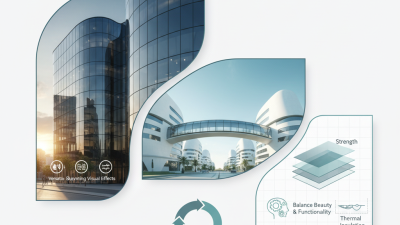
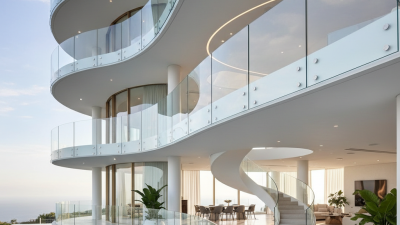
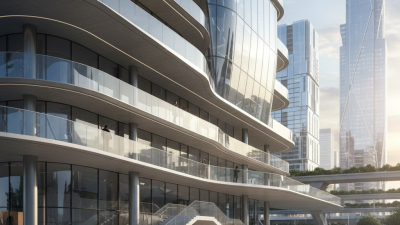
Curved laminated glass is gaining popularity in modern architecture. This innovative material combines aesthetics with functionality. Its unique ability to bend adds elegance to buildings. Often used in facades, canopies, and interior design, it offers a multitude of applications.
Using curved laminated glass can enhance natural light. The smooth curves create a seamless flow, making spaces feel larger. In addition, the strength of laminated glass provides safety during extreme weather. However, installation can be challenging, requiring skilled professionals.
Tip: Seek expert advice before starting your project. Understanding the specific requirements of curved glass is crucial. Consider structural support and design clarity for a successful outcome.
With curved laminated glass, thermal insulation can be improved. The layers in laminated glass effectively reduce heat transfer. Despite its advantages, it is essential to weigh installation costs. Always prioritize quality over budget to ensure long-lasting results.
Tip: Regular maintenance is necessary to keep the glass looking pristine. Routine cleaning and inspections can prevent issues over time. Aim for a balance between beauty and practicality in every design.
Top 10 Benefits of Curved Laminated Glass
| Benefit |
Description |
Application Example |
| Aesthetic Appeal |
Curved laminated glass provides a modern, sleek look that enhances the visual appeal of buildings. |
Commercial Building Facades |
| Safety and Security |
Laminated glass is designed to hold together when shattered, providing enhanced safety. |
Skylights in Public Spaces |
| Acoustic Insulation |
It helps reduce noise pollution, making spaces quieter and more comfortable. |
Concert Halls and Theaters |
| Energy Efficiency |
Curved laminated glass can improve energy efficiency by controlling heat gain. |
Office Buildings |
| Customization |
Available in various shapes and sizes to meet design specifications. |
Architectural Installations |
| Durability |
Resistant to weather conditions, maintaining integrity over time. |
Exterior Cladding |
| UV Protection |
Blocks harmful UV rays, protecting interior furnishings. |
Retail Spaces |
| Thermal Performance |
Enhances thermal insulation, keeping buildings comfortable. |
Residential Homes |
| Easy Maintenance |
Smooth surfaces make cleaning and maintenance straightforward. |
Public Transport Hubs |
| Frosted and Tinted Options |
Offers various aesthetic choices for design flexibility. |
Hotels and Resorts |
Enhanced Aesthetic Appeal in Architectural Design
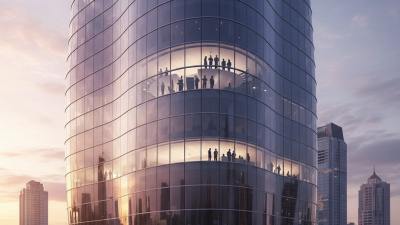
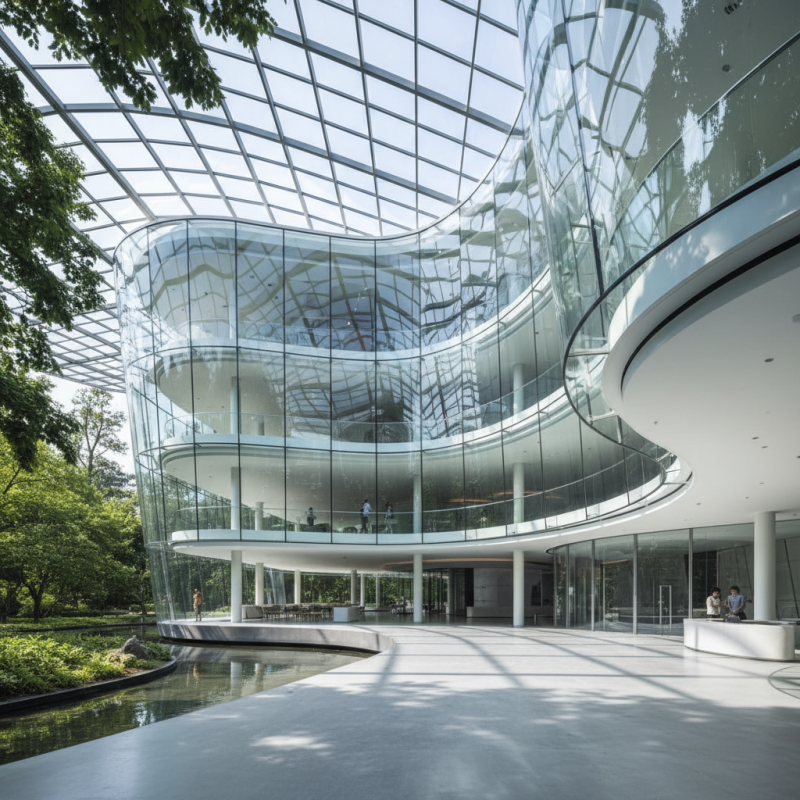
Curved laminated glass is gaining popularity in architectural design due to its enhanced aesthetic appeal. Its ability to create fluid lines and seamless transitions allows architects to break free from traditional straight lines. This results in structures that inspire and engage. According to a report by the Glass Association, the use of curved glass can increase a building's aesthetic value by up to 30%. This transformation captures light and creates a dynamic visual experience for occupants and passersby.
The versatility of curved laminated glass extends beyond beauty. It provides safety benefits as well. Laminating the glass increases strength and shatter resistance. It helps architects select materials that protect user safety without compromising design. Designers often report an uptick in client satisfaction when incorporating such elements, promoting a long-lasting relationship.
Tips for implementation: Consider how natural light interacts with curves. Analyze how it affects interior spaces. Pay attention to how the glass reflects the surroundings. Sometimes, creating an attractive design involves trial and error. Learning from unsuccessful attempts can lead to breakthroughs in creativity. Ensure the final design aligns with the intended vision, but allow flexibility for adjustments.
Improved Structural Integrity and Safety Features
Curved laminated glass significantly enhances structural integrity in various applications. Its unique composition allows it to absorb and distribute stress more evenly. This property is crucial in high-rise buildings, where wind pressure can create substantial strain. By using curved laminated glass, architects can design larger and safer structures without compromising aesthetics.
In addition to its strength, laminated glass offers improved safety features. The interlayer in laminated glass holds the layers together when broken, reducing the risk of injury. This is particularly beneficial in public spaces. The transparent shield can help withstand impacts, making it suitable for areas prone to vandalism or natural disasters.
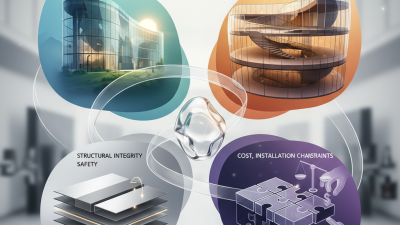
However, the production of curved laminated glass can be complex and more expensive than standard options. It's essential to weigh these factors against the benefits when making design decisions. Ensuring high-quality installation is vital, as improper fitting may negate some safety advantages. Evaluating all aspects carefully will lead to better-informed choices for your project.
Energy Efficiency Benefits of Curved Laminated Glass
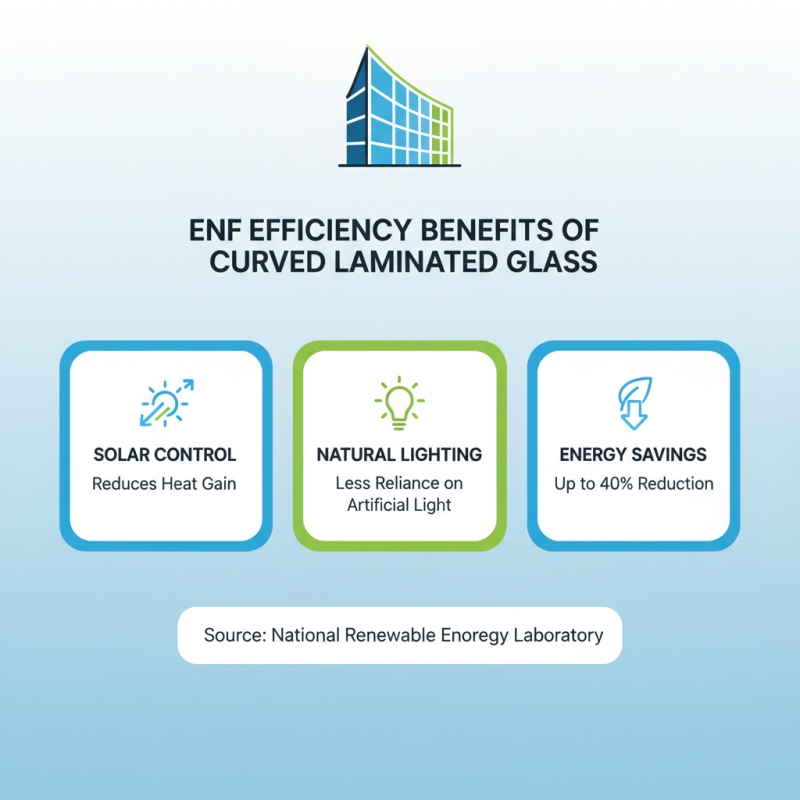
Curved laminated glass is becoming a popular choice in many architectural projects. One significant advantage is its energy efficiency. According to the National Renewable Energy Laboratory, properly installed glass can reduce energy consumption by up to 40%. The unique curvature of this glass allows better solar control and natural lighting, reducing reliance on artificial light.
The insulating properties of curved laminated glass can significantly lower heating and cooling costs. A study from the American Society of Heating, Refrigerating and Air-Conditioning Engineers shows that such glazing can enhance thermal performance by 15-25%. This means lower energy bills. However, it is essential to analyze the specific context of each project. Depending on building orientation and climate, results may vary.
Installing curved laminated glass is a thoughtful choice. It not only improves aesthetics but also promotes sustainability. While the initial investment may be higher than flat glass, the long-term savings and environmental benefits are substantial. Considering these factors carefully can lead to better decisions in design and energy use.
Versatile Design Options for Unique Project Requirements
Curved laminated glass offers remarkable versatility for designers and architects. It can be shaped into various forms, enabling unique applications in different projects. From elegant facades to innovative interior features, this glass type accommodates diverse design needs. Its ability to bend and curve provides endless possibilities for creative expressions.
Choosing curved laminated glass allows for integration of aesthetics and functionality. It can create a sense of openness while maintaining safety and durability. Designers can explore complex geometries that standard glass cannot achieve. These creations can enhance the visual appeal of buildings and spaces. The material also contributes to energy efficiency, making projects more sustainable.
Working with curved laminated glass may present challenges during installation. Proper planning and expertise are crucial to success. Each project will require tailored solutions to address specific requirements. Engaging with experienced professionals can help navigate potential pitfalls. Reflecting on design priorities ensures that the final outcome meets both artistic vision and structural integrity.
Top 10 Benefits of Curved Laminated Glass