Leave Your Message

What Is the Best Type of Silver Mirror from China?

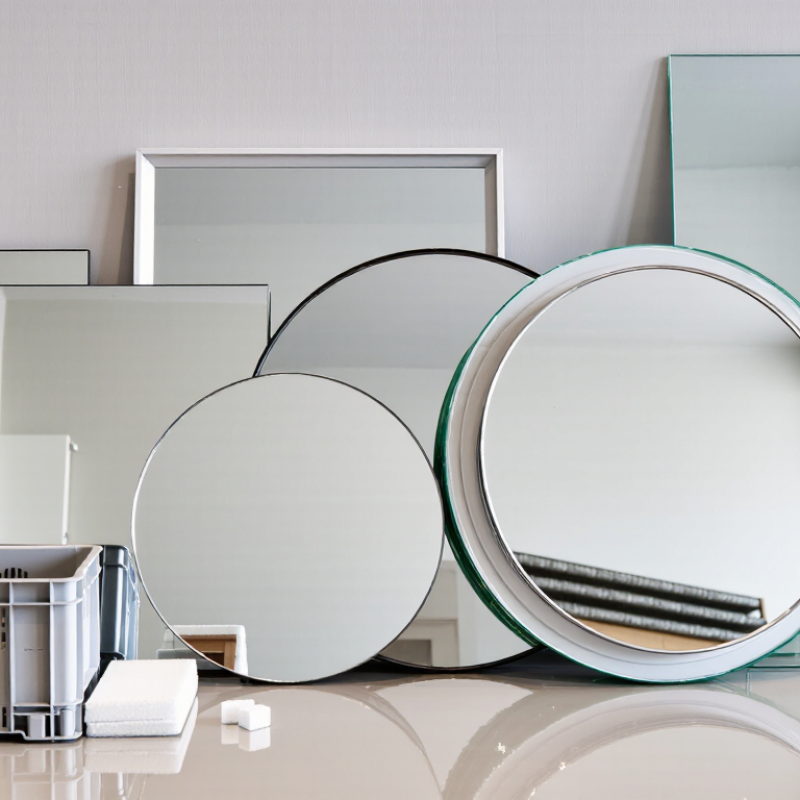
Choosing the best Silver Mirror from China requires more than comparing surface brightness or factory prices. A reliable decision begins with the glass substrate, coating structure, and intended installation environment. Clear float glass usually provides a cleaner reflection than ordinary glass. Low-iron glass can improve brightness and reduce the slight green tint visible at the edges.

A strong Silver Mirror commonly uses a silver layer, protective copper-free treatment, and durable backing paint. Copper-free construction may offer better resistance to moisture and corrosion. It is especially useful in bathrooms, hotels, coastal projects, and poorly ventilated rooms. Look closely at the edges. Tiny black dots, cloudy corners, or uneven paint often reveal weak processing control.

Dr. Helen Sanders, a recognized glass-industry consultant, states, “A mirror is only as good as its glass, coating, and installation environment.” That principle matters when evaluating Chinese suppliers. Ask for production samples, coating specifications, thickness tolerances, and test reports. Check whether the manufacturer follows relevant mirror standards, such as EN 1036, when applicable.

There is no single best Silver Mirror for every project. A 5 mm copper-free mirror may suit a humid hotel bathroom. A thicker laminated mirror may better serve public interiors where safety matters. Packaging also deserves attention. Foam corners, sealed crates, and vertical transport can prevent damage before installation.

The difficult part is admitting that attractive samples can mislead. I would not approve a large order without testing edges, backing adhesion, reflection distortion, and humidity resistance. Price still matters. It simply should not lead the decision.
What Is the Best Type of Silver Mirror from China?

What Defines a High-Quality Silver Mirror from China?

What Is the Best Type of Silver Mirror from China?

A high-quality silver mirror begins with clear, evenly thick float glass. Low-iron glass can improve brightness and reduce the faint green tint visible along the edge. China’s National Bureau of Statistics reported more than one billion weight cases of flat-glass production in 2023. That scale supports competitive manufacturing, but volume alone proves little. A mirror still needs controlled silver deposition, clean surfaces, and consistent coating thickness.

The silver layer should sit behind the glass, protected by durable copper-free or copper-backed paint systems. Look for documented testing against ISO 9227 salt spray and relevant mirror requirements under EN 1036-1. These tests examine corrosion resistance, adhesion, and coating durability. Reflection should remain sharp across the panel, without waves, dark patches, pinholes, or edge staining. Check distortion with a straight-line test under strong, even lighting. It is simple, but revealing.

The 2024 Global Flat Glass Market report by Grand View Research identifies construction as a major demand sector, where long service life matters more than showroom shine. Ask suppliers for batch records, coating specifications, thickness tolerances, and test reports from independent laboratories. Do not rely on photographs. They hide defects.

Even experienced buyers miss edge damage during inspection. That deserves more attention. Well-sealed edges, careful packaging, and climate-appropriate storage often decide whether a Chinese silver mirror performs reliably after installation.
What Is the Best Type of Silver Mirror from China?

What Defines a High-Quality Silver Mirror from China?

A high-quality silver mirror is typically evaluated by optical reflectance, coating durability, resistance to moisture and corrosion, glass flatness, and thickness consistency. The chart presents a practical 100-point quality assessment framework based on measurable performance factors commonly considered for architectural and bathroom mirrors. These values are evaluation weights rather than data from any specific company or brand.

Which Silver Mirror Types Are Made in China?

China produces several silver mirror types for residential, commercial, and decorative projects. Clear silver mirrors remain the most common choice. They use transparent float glass, a reflective silver layer, protective copper-free coatings, and a moisture-resistant back paint. This structure gives the mirror a bright reflection and helps protect the edges in humid rooms.

Low-iron silver mirrors are also made in China. Their glass contains less iron, so the reflection appears clearer and less green around the edges. Tinted silver mirrors use grey, bronze, or other colored glass. They create a softer appearance for wardrobes, hotels, and feature walls. Antique silver mirrors are processed to show controlled spots, clouding, or aged patterns. Each sheet looks slightly different. That is part of their appeal.

Safety-backed silver mirrors add a film to the rear surface. If the glass breaks, the film can help hold fragments together. Moisture-resistant versions use stronger edge sealing and backing protection. They suit bathrooms, spas, and areas with frequent condensation. China also manufactures laminated, cut-to-size, beveled, and patterned silver mirrors.

In practical sourcing work, I would inspect sample reflections under daylight and warm indoor light. Color, flatness, edge quality, and coating adhesion can change between batches. A factory may provide coating thickness records, humidity tests, and impact-test documentation. These records improve reliability, but they do not replace physical inspection. Small edge defects are easy to miss. That is where many projects become disappointing.

How to Compare Silver Mirror Materials and Manufacturing Standards

The best silver mirror from China is not defined by shine alone. It should combine clear glass, stable silver coating, and disciplined manufacturing. For most interior projects, high-quality float glass between 4 and 6 millimeters offers a practical balance of reflection, weight, and cost. Low-iron glass can provide a brighter image, but it may not be necessary for every room.

Compare the material before comparing the price. Check the silver layer, protective copper-free coating, and rear paint system. A uniform coating helps prevent black edges, clouding, and early corrosion. Inspect the mirror under angled light. Uneven reflections may reveal glass distortion or coating defects. Edges deserve attention too. Polished or sealed edges reduce moisture entry, especially in bathrooms and humid areas.

Manufacturing standards matter just as much. Ask for thickness tolerances, reflectance data, adhesion results, and humidity-resistance testing. Documents should identify test methods clearly, not simply claim “premium quality.” Standards such as EN 1036-1 or relevant ASTM specifications can help structure the comparison, but certificates still require verification. Request production samples from the same batch when possible. A small sample may look perfect while large panels show waviness. That is an easy mistake to make. I would also examine packaging, corner protection, and vertical storage practices, because damage can occur after production. The best material is only useful when manufacturing control remains consistent.

What Is the Best Type of Silver Mirror from China? — How to Compare Silver Mirror Materials and Manufacturing Standards
Mirror Type Glass Substrate Typical Thickness Reflective and Protective Structure Optical Characteristics Moisture and Corrosion Resistance Common Applications Recommended Quality Checks
Standard Clear Silver Mirror Clear float glass with a silver reflective layer deposited on the rear surface. 3–6 mm are common commercial sizes; other thicknesses may be available. Glass substrate, silver layer, protective coating system, and sealed rear surface. Neutral reflection with good brightness and accurate color rendition when the glass is flat and clean. Suitable for normal indoor conditions when the edges and rear coating are properly protected. Bedrooms, living areas, furniture, retail interiors, decorative wall panels, and general architectural use. Check glass flatness, visible distortion, pinholes, scratches, coating uniformity, edge coverage, and compliance with the agreed specification.
Low-Iron Silver Mirror Low-iron glass with reduced iron content compared with ordinary clear float glass. Commonly supplied in approximately 4–6 mm, subject to project requirements. Silver reflective layer with a protective rear coating system applied to low-iron glass. Higher light transmission and a cleaner, less green appearance than standard clear glass. Similar to standard silver mirror unless additional edge sealing or specialized protection is specified. High-end bathrooms, showrooms, luxury interiors, lighting applications, and projects requiring neutral color. Compare glass color, light transmission, reflection uniformity, distortion, edge quality, and the declared low-iron glass specification.
Copper-Free Silver Mirror Clear or low-iron float glass, depending on the selected product configuration. Typically available in the same general thickness range as standard architectural mirrors. Silver reflective layer followed by copper-free protective coating layers designed to reduce copper-related environmental impact. Neutral reflection when manufactured with a uniform silver layer and properly controlled coating thickness. Generally improved resistance to edge corrosion and chemical attack when the coating system and edge sealing are correctly manufactured. Bathrooms, humid interiors, hospitality projects, public buildings, and applications with demanding durability requirements. Verify the declared copper-free construction, coating adhesion, edge-sealing method, humidity resistance, and resistance to neutral salt spray when specified.
Tinted Silver Mirror Grey, bronze, or other body-tinted float glass. Commonly 4–6 mm for interior applications. Silver reflective layer and protective rear coating system applied to tinted glass. Colored reflection with lower apparent brightness than a clear mirror; the final tone depends on the glass color and coating. Appropriate for dry or controlled indoor environments unless enhanced protection is specified. Feature walls, furniture, restaurants, hotels, retail displays, and decorative interior design. Check color consistency between batches, visible distortion, reflected image clarity, coating uniformity, and sample approval under the intended lighting.
Safety-Backed Silver Mirror Clear, low-iron, or tinted glass with a safety film or other backing system applied to the rear surface. Often 4–6 mm, but the complete safety construction determines the final specification. Silver mirror with a rear safety film or safety backing intended to help retain fragments after breakage. Usually similar to the selected base mirror; film quality can affect appearance if applied unevenly. The mirror coating and the safety backing require separate evaluation for humidity, adhesion, and edge protection. Full-height wall panels, gyms, schools, retail areas, public interiors, doors, and locations where impact risk must be considered. Confirm the complete assembly against the required safety-glazing test method, film adhesion, coverage, edge treatment, and impact performance.
Decorative or Antique Silver Mirror Usually clear or tinted glass intentionally processed to create aged, mottled, patterned, or distressed effects. Commonly 4–6 mm for decorative interior use. Silver mirror construction with controlled decorative variation in the reflective layer or surface appearance. Non-uniform by design; reflection, pattern density, and color can vary between production batches. Best suited to dry interiors unless the manufacturer provides a suitable protective and edge-sealing system. Decorative walls, furniture, hospitality interiors, feature ceilings, retail displays, and custom interior projects. Approve a physical sample, define acceptable variation, inspect pinholes and sharp edges, and confirm whether the decorative effect is on the front or rear surface.
Manufacturing and standards reference: For architectural silver mirrors, request documentation against the applicable market standard, such as EN 1036-1 for silvered glass mirrors or ASTM C1503 for silvered flat glass mirrors. Where impact safety is required, specify the applicable safety-glazing requirement, such as EN 12600, ANSI Z97.1, or 16 CFR 1201, according to the destination market. Standards, thicknesses, coating systems, and test methods should be confirmed in the purchase specification and inspection plan.

What Factors Affect the Best Choice for Different Uses?

What Is the Best Type of Silver Mirror from China?

The best silver mirror depends on its location, lighting, moisture, and expected service life. For bathrooms, choose a copper-free mirror with sealed edges and a moisture-resistant backing. It reduces dark spots around the perimeter. In dry bedrooms, a standard silver-coated mirror may provide better value. However, low-iron glass can create a cleaner reflection with less green tint. Thickness also matters. A 5 mm mirror feels more stable than a 3 mm sheet on a large wall.

Size changes the buying decision. Large panels need accurate flatness, strong packaging, and carefully finished edges. Small decorative pieces allow more flexibility with shape and surface design. Check the coating uniformity under bright side lighting. Ask for test data, production photos, and a physical sample before placing a large order. Confirm whether the supplier checks reflectivity, adhesion, moisture resistance, and glass thickness. These details show process control, not just attractive catalog images. Still, one sample cannot represent every production batch. That limitation deserves attention.

Tips: Match the mirror to the room, not only the price. Inspect the corners first. They often reveal weak sealing. Measure the wall twice, including mounting clearance. For humid areas, request sealed edges and suitable backing materials. If the reflection appears slightly distorted, reject the sample. I once underestimated installation conditions in a renovation plan, and the mirror aged faster than expected. Supplier claims need independent verification.

How to Select a Reliable Chinese Silver Mirror Supplier

What Is the Best Type of Silver Mirror from China?

How to Select a Reliable Chinese Silver Mirror Supplier

Choosing a Chinese silver mirror supplier requires more than comparing quotations. I have found that clear communication often predicts better results than the lowest price. Ask about glass thickness, silver coating, protective layers, edge finishing, and packaging methods. A dependable supplier should provide technical data, product photos, and a recent sample. Check whether the sample matches the final production specification.

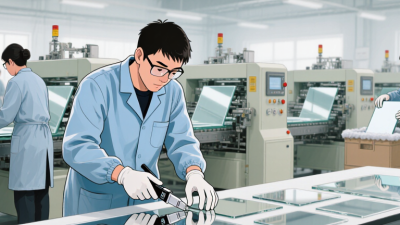
Request evidence of quality control at several stages. The supplier should inspect glass clarity, coating coverage, back paint, dimensions, and surface defects. Ask for inspection records, not only promises. A factory visit or live video tour can reveal cutting tables, storage conditions, and packing routines. Look for dry storage areas and protected glass racks. These small details matter during long-distance shipping.

Communication must remain practical. Confirm tolerances, minimum order quantities, production time, and replacement procedures in writing. Ask how the supplier handles scratches, black spots, broken corners, or color differences. Some suppliers respond quickly before receiving payment, then become less precise later. That warning deserves attention. I also recommend testing a small order before scaling up. It may slow the project, but it exposes weak packaging or inconsistent quality early. No supplier is perfect. The better choice is one that documents problems honestly and corrects them consistently.