Leave Your Message

2026 Top Curved Laminated Glass Types and Suppliers?

Curved Laminated Glass is becoming a practical design choice for façades, skylights, railings, vehicle interiors, and high-end architectural spaces. Its layered construction combines shaped glass with an interlayer, helping retain fragments after breakage. It can also improve acoustic comfort, ultraviolet control, and visual depth. Performance matters.

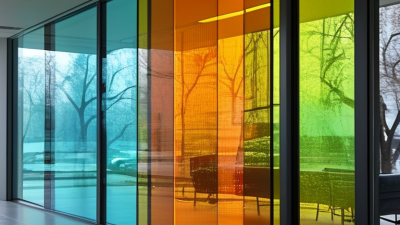
This guide explores the leading curved laminated glass types expected to attract attention in 2026. Options may include heat-strengthened, tempered, low-iron, tinted, acoustic, and solar-control configurations. Each type serves a different purpose. A low-iron panel may preserve a clear museum view, while a tinted interlayer can soften strong daylight near a glass atrium. Curvature, thickness, edge treatment, and interlayer selection must work together. Small design errors can create expensive installation problems.

Supplier evaluation requires more than comparing online product pages. Experienced manufacturers should explain forming methods, maximum dimensions, tolerances, testing procedures, lead times, and replacement support. Reliable documentation may include project references, quality certificates, and testing aligned with applicable regional standards, such as ASTM, EN, or local building requirements. However, certifications should be checked directly. Labels alone do not prove consistent production quality.

The supplier landscape changes quickly. Some companies excel at complex architectural curves, while others focus on transport glazing or standardized panels. This overview therefore avoids unsupported “best supplier” claims and emphasizes practical comparison. Real projects still need engineer review, sample approval, structural calculations, and site-specific compliance checks. The market is not perfectly transparent. That is worth remembering. A visually impressive panel may still fail expectations if delivery coordination, glass distortion, or after-sales service receives too little attention.
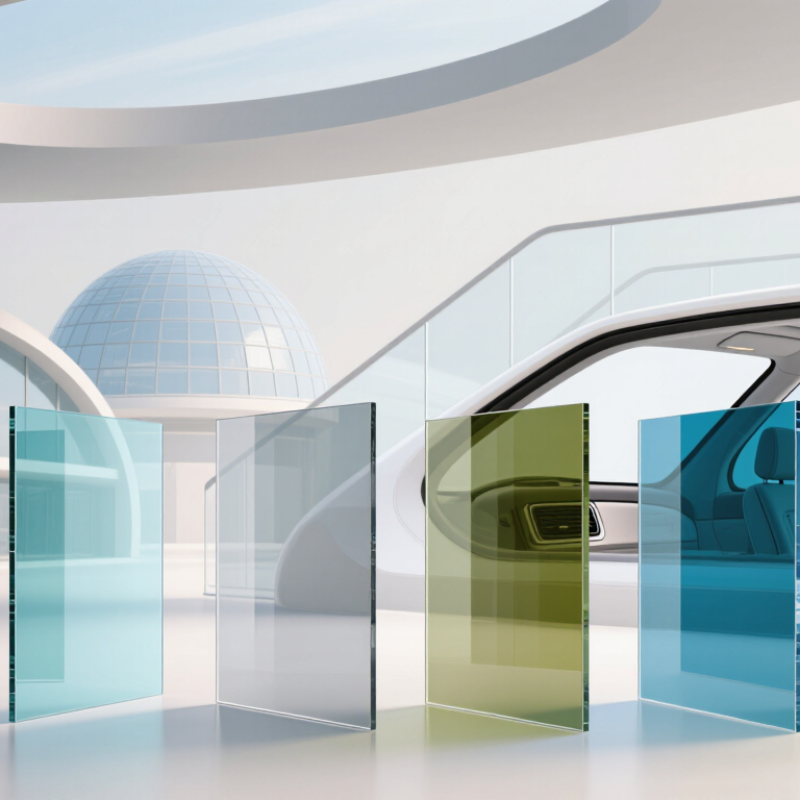
2026 Top Curved Laminated Glass Types and Suppliers?

Curved Laminated Glass Definition and EN 14449 Safety Requirements

2026 Top Curved Laminated Glass Types and Suppliers?

Curved laminated glass is safety glass formed by bonding two or more glass sheets around an interlayer. Heat and controlled bending create the required radius. The interlayer holds fragments after breakage. This matters beside staircases, balconies, and curved façades.

EN 14449 defines laminated glass products and their conformity assessment. It does not approve every design automatically. Impact performance should also be checked under EN 12600, which uses pendulum testing and impact classifications.

For overhead or guard applications, engineers must review loads, edge support, deflection, and residual strength. A beautiful curve can still fail if its edge is poorly restrained.

The International Energy Agency reported that buildings consume about 30% of global final energy. This supports better envelope design, but laminated glass is not an energy solution alone. Low-emissivity coatings, solar control, frame quality, and airtight installation remain decisive.

The International Organization for Standardization also stresses documented testing, traceability, and production control in safety-critical glazing. In practice, suppliers should provide radius limits, interlayer type, thickness tolerance, test evidence, and installation guidance. Some specifications remain vague. That is a weakness worth correcting.

Tips: Request the EN 14449 declaration, EN 12600 impact class, and project-specific calculations. Check the glass edge under real lighting. Small chips become serious defects. Ask for samples before approving full production. A sample may not represent every radius, so inspect several pieces.
Main Types: PVB, SentryGlas® Ionoplast, and EVA Interlayers

Curved laminated glass in 2026 depends heavily on the interlayer selected. PVB remains a practical choice for façades, partitions, and vehicle glazing. It can improve sound control and reduce flying shards after breakage. However, exposed edges need careful sealing because moisture may cause visible damage.

Ionoplast interlayers offer higher stiffness and stronger edge performance. They suit curved balustrades, canopies, and demanding structural glazing. EVA provides good moisture resistance and supports decorative inserts, fabrics, and printed films. It is often selected for interiors, where visual effects matter more than maximum structural capacity. The choice is not always obvious.

Tips: Ask suppliers for curved samples, not only flat coupons. Check optical distortion under daylight. Request heat, humidity, and adhesion test records. Confirm furnace limits, radius tolerances, and edge-finishing methods before ordering. Experienced suppliers should explain the complete process, from bending temperature to final inspection. A low quotation may hide difficult rework. I would also question any supplier promising identical clarity for every radius, because curved production always needs realistic tolerances.

Glass Configurations: 6–19 mm Plies with 0.38 mm PVB Layers

Curved Laminated Glass Configurations for 2026

Curved laminated glass commonly combines glass plies from 6 to 19 mm. A 0.38 mm PVB layer bonds the plies after controlled heating and pressure. Two 6 mm plies suit many interior partitions and moderate façade applications. Thicker 10, 12, or 19 mm plies support larger spans and higher design loads. However, thickness alone does not confirm performance.

The curve radius affects bending stress, optical quality, and edge alignment. Tight curves usually require more careful forming and tighter production tolerances. Fabricators should review drawings, load data, glass shape, and support conditions before quoting. Ask suppliers for samples showing the actual curvature. Inspect haze, roller marks, edge bubbles, and visual distortion under daylight.

The 0.38 mm PVB layer is widely used, but it is not a universal solution. Acoustic, impact, safety, and solar requirements may justify a thicker or specialized interlayer. This point is often underestimated. A minor mismatch between the glass radius and frame can create visible pressure at the edge. The problem may appear only after installation.

Reliable suppliers should provide technical calculations, processing limits, test documentation, and clear tolerances. They should explain whether the glass is hot-bent, cold-bent, or laminated after forming. Confirm maximum dimensions, minimum radius, color stability, and packaging methods. A realistic review also includes installation access, because a perfect panel can still fail through careless handling. Specification details deserve more attention than attractive renderings.

Production Process: Bending, 135–150°C Autoclaving, and Testing

Curved laminated glass begins with controlled heating and precise bending. Flat glass sheets are heated near 550–650°C, depending on thickness and curvature. Molds must remain clean and dimensionally stable. Small alignment errors can create visible distortion.

After bending, an interlayer is placed between the glass sheets. The assembly enters an autoclave at 135–150°C, commonly under approximately 10–14 bar pressure. Heat and pressure remove trapped air and improve adhesion. The process is not perfectly forgiving. Uneven heating can cause bubbles, roller marks, or edge mismatch.

Testing should cover appearance, adhesion, optical quality, and safety performance. EN ISO 12543 and ASTM C1172 provide useful reference frameworks for laminated glass evaluation. Heat-soak testing, humidity exposure, boil testing, and dimensional checks reveal weaknesses before installation. A 2024 Grand View Research market report identifies safety glazing and construction demand as major growth drivers, with the laminated glass sector projected to expand steadily through 2030. That trend increases pressure on suppliers to document process controls, not merely offer attractive curves. In practice, experienced producers should record furnace temperature maps, autoclave cycles, interlayer batch data, and test results for every production lot. Mistakes still happen. Transparent records make them easier to find.

Leading 2026 Suppliers: AGC, Saint-Gobain, Guardian, and Vitro

Curved laminated glass is gaining attention in façades, skylights, railings, and vehicle interiors. The 2024 Global Laminated Glass Market report estimates annual growth above 6% through 2030. Demand is strongest where safety, daylight, and design must work together. Curvature adds visual depth. It also adds production risk.

In 2026, leading suppliers will likely include large architectural glass manufacturers and specialized regional processors. The strongest providers should offer heat-strengthened substrates, ionoplast or PVB interlayers, and controlled autoclave bonding.

The 2024 Architectural Glass Market Outlook identifies acoustic performance and solar control as important purchasing factors. Buyers should request tested values, not broad claims. Ask for visible-light transmission, sound reduction, impact resistance, and edge-seal performance.

Small details matter. A curved panel needs accurate templates, stable molds, and careful transport supports. Even a minor radius error can complicate installation. Supplier experience is useful here, but it is not enough. I would inspect project references, quality records, and sample panels before approving production. Reports often combine flat and curved products, so their market figures may overstate the curved segment. That limitation deserves attention. Procurement teams should compare total installed cost, not only the glass quotation.