Best Decor Wall Mirror Ideas to Transform Your Space?
Mirrors have a unique ability to elevate a space. As interior designer Lisa Adams notes, "A well-chosen decor wall mirror can transform even the simplest rooms into a stunning showcase." This statement captures the essence of what a decor wall mirror can achieve. It not only serves a functional purpose but also adds depth, light, and even a touch of elegance to your home.
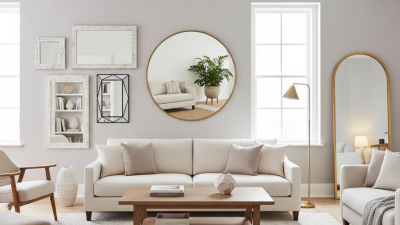
The beauty of decor wall mirrors lies in their versatility. From minimalist designs to ornate frames, the choices are endless. A strategically placed mirror can make a small room appear larger. Consider using a large, round mirror to soften angular furniture. Additionally, incorporating mirrors in darker areas can brighten the space.
However, selecting the perfect decor wall mirror can be challenging. It's essential to consider the existing decor and the mood you want to convey. A mirror should enhance, not overwhelm a space. Reflecting on your options can lead to a more harmonious environment. Ultimately, a decor wall mirror is not just a decorative piece; it’s an investment in the overall aesthetics of your home.

Choosing the Right Wall Mirror for Your Space
Choosing the right wall mirror can be a challenge. It’s not just about aesthetics; it’s about enhancing your space. A well-placed mirror can create an illusion of larger rooms. However, poorly chosen mirrors can make your space feel chaotic. Consider the size first. Oversized mirrors work wonders in small apartments. They expand the view and reflect light beautifully.
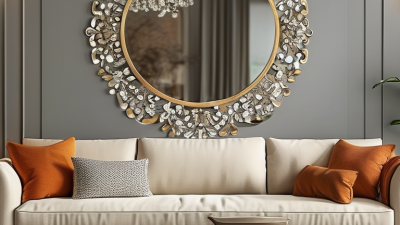
Next, think about the frame. A minimalist frame suits modern decor. In contrast, an ornate frame adds character. The style should resonate with the existing elements in your room. Reflective surfaces can vary too; some mirrors distort images. Make sure the mirror reflects your best features. If you find yourself squinting at your reflection, reconsider your choice.
Don't forget the placement. A mirror above the sofa can draw the eye upward. However, placing it in a dim corner may not achieve the desired effect. Test different locations before hanging. Lighting plays a crucial role as well. Natural light enhances reflections. If your space lacks it, consider supplementary lighting. Engage with your space thoughtfully; it makes a difference.
Styles of Wall Mirrors: From Classic to Contemporary
Wall mirrors come in various styles, each offering a unique way to enhance your home. Classic mirrors feature ornate frames and antique styles, perfect for traditional spaces. They evoke charm and timeless elegance. On the other hand, contemporary mirrors showcase sleek lines and minimalistic designs. They fit well in modern homes, providing a clean, sophisticated look.
Layering mirrors can create depth in a room. Consider placing a round mirror above a dresser for a relaxed vibe. A large, rectangular mirror can visually expand narrow spaces. It’s key to choose a style that complements existing decor.
Be mindful of mirror placement. High ceilings need taller mirrors to create balance. Small spaces benefit from strategically placed mirrors that reflect light. Use this technique to make your area feel expansive. The right mirror can transform not just the space, but also your perception of it. This exploration of wall mirror styles offers a chance for personal reflection on your unique aesthetic.
Best Decor Wall Mirror Ideas - Styles of Wall Mirrors
Placement Tips for Maximum Impact in Room Design
Wall mirrors can dramatically change the feel of any room. To achieve the best results, pay close attention to placement. Hanging a mirror across from a window can enhance natural light. This creates an airy, brighter atmosphere. It’s also essential to consider the size of the mirror. A large mirror might overwhelm a small space. Smaller mirrors can be grouped together for a stylish arrangement.
Reflections are crucial in room design. They can make a narrow hallway appear wider. In bedrooms, placing a mirror above the dresser can serve a dual purpose. It reflects light and adds depth. When placing mirrors above furniture, ensure they are hung at eye level for ease of use. A mirror positioned too high may not be functional.
Consider the room's color palette when selecting mirrors. A frame that contrasts with the wall can add visual interest. However, don’t overlook the power of seamless integration. A mirror that blends with the surroundings can create a serene environment. Mirrors can be used as dynamic artwork or subtle accents. Experimenting with placements may uncover surprising results. Remember, the ultimate goal is to enhance the space cohesively.
Creative Ways to Use Mirrors for Illusion and Light
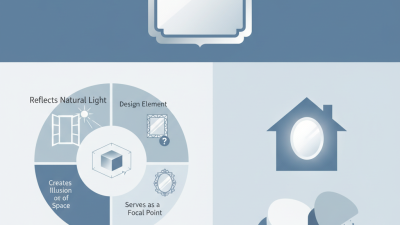
Mirrors can dramatically alter any room's perception and ambiance. According to a report by the American Society of Interior Designers, well-placed mirrors can increase natural light by up to 30%. This increase in brightness creates a more inviting atmosphere. A large mirror on one wall can make a small living room feel expansive. Combining mirrors with light colors can amplify this effect, creating a spacious illusion.
Strategically positioned mirrors also redirect light. For example, placing a mirror opposite a window captures sunlight, making the room feel airier. The right mirror can also act as a focal point. A decorative frame adds style and draws attention. An oversized, simple mirror can enhance modern aesthetics while maintaining functionality. However, there's a fine line between decoration and overuse. Too many mirrors can create confusion in the space, leading to a cluttered look.
Incorporating mirrors requires critical reflection on their placement. It's essential to consider what they reflect. A mirror facing a wall devoid of interest may waste potential. The choice of mirror should align with the room's character — bold choices for vibrant spaces, subtle ones for calming areas. Balancing creativity with function leads to a more coherent design.
Accessories and Frames to Enhance Your Wall Mirror Aesthetic
Mirrors have a special way of enhancing any space. They reflect light and create an illusion of depth. However, the right accessories and frames are key to elevating your wall mirror’s aesthetic. According to a recent report by the Home Decor Association, stylish framing can increase perceived home value by up to 15%. This makes thoughtful choices essential for homeowners looking to upgrade their interiors.
When selecting a frame, consider materials that resonate with your personal style. Wooden frames offer warmth and a rustic touch, while sleek metal frames add a contemporary feel. Textured or ornate frames can serve as statement pieces, drawing the eye from across the room. A round mirror with a bohemian-style frame can soften sharp angles in a space. Meanwhile, layered frames can work to create a dynamic visual effect.
Accessories also play a pivotal role. Decorative shelves or sconces adjacent to the mirror can create a cohesive look. Plants or small sculptures near the mirror help introduce elements of nature. Lighting around the mirror could enhance its reflection, but balance is crucial. Too many elements can clutter the visual space and detract from the mirror’s beauty. It’s vital to experiment while ensuring a harmonious design.
Best Decor Wall Mirror Ideas to Transform Your Space
| Mirror Type |
Frame Style |
Recommended Room |
Aesthetic Effect |
| Round Mirror |
Gold Frame |
Living Room |
Elegant & Modern |
| Full-Length Mirror |
Wooden Frame |
Bedroom |
Spacious & Functional |
| Decorative Wall Mirror |
Geometric Frame |
Hallway |
Artistic & Eye-catching |
| Vintage Mirror |
Antique Frame |
Dining Room |
Classic & Inviting |
| Wall-mounted Mirror |
Minimalist Frame |
Bathroom |
Sleek & Practical |