How to Choose the Right Frosted Glass Sheet for Your Project?
Choosing the right frosted glass sheet for your project can be daunting. John Miller, an expert in architectural design, emphasizes, "Frosted glass transforms spaces; selecting the right type is crucial." This statement reflects the importance of making informed choices when it comes to frosted glass.
The variety of options in frosted glass sheets can greatly influence the overall aesthetic and functionality of your project. Consider factors like thickness, translucency, and texture. Each element plays a critical role in defining the mood of your space. Some might overlook these details, leading to mismatched designs or inadequate privacy.
While many projects benefit from frosted glass, not all applications warrant it. One must weigh the pros and cons. Reflecting on the specifics of your needs and space can lead to better decisions. Frosted glass is an elegant choice but must align with your vision for it to be effective.
Understanding the Different Types of Frosted Glass Sheets Available
Frosted glass sheets come in various types, each suited for different applications. Understanding these types can enhance your project immensely. Acid-etched glass is one popular option. It achieves a soft, translucent effect while preserving visibility. This type is durable and resists scratching, making it ideal for high-traffic areas. According to industry reports, acid-etched glass accounts for over 30% of the frosted glass market.
Laminated frosted glass is another type worth considering. It combines two sheets of glass with a plastic interlayer. This design not only offers privacy but also adds security. Industry experts suggest that laminated glass can reduce noise by up to 30%. However, the weight and thickness of laminated sheets may complicate installation, so planning is essential.
Tempered frosted glass provides added strength and safety. It’s treated to withstand changes in temperature and pressure. In case of breakage, tempered glass breaks into small, blunt pieces, reducing injury risk. However, its production process can lead to inconsistencies, which may impact the final look. Understanding the right type for your specific needs can lead to a successful outcome.
Key Factors to Consider When Selecting Frosted Glass for Projects
When selecting frosted glass for your project, several key factors must be considered. Transparency and light diffusion are crucial. A study by the National Glass Association shows that frosted glass can reduce glare by approximately 30%, enhancing comfort in indoor spaces. Choose the right level of opacity. Different levels impact privacy and light transmission. For example, a lighter frost allows more light but offers less privacy.
Durability is another vital factor. According to a report from Glass Magazine, tempered frosted glass is recommended for high-traffic areas. It’s five to six times stronger than standard glass, providing resilience against impacts. Additionally, consider the thickness. Standard thickness ranges from 6mm to 12mm. Thicker sheets offer better durability but come at a higher cost.
Lastly, aesthetics must align with your project's vision. The texture of the frost can influence the overall design. Some frosted glass has a smooth finish, while others may feature patterns. Each choice has implications for the final look. Reflecting on all these aspects ensures the selected glass meets both functional and aesthetic needs. Balancing these factors may require compromises.
Measuring and Sizing for Your Frosted Glass Sheet Requirements
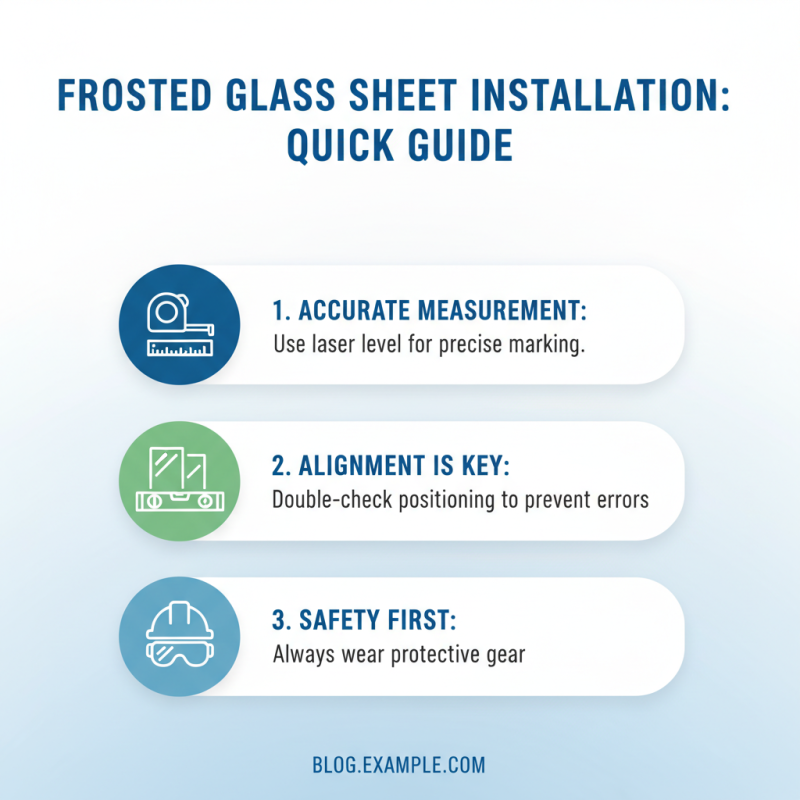
When selecting a frosted glass sheet, measuring and sizing are critical steps. Proper measurements ensure a fit that meets your project’s demands. An industry report from the National Glass Association indicates that 70% of installation issues arise from incorrect sizing. Avoid this common pitfall by taking your measurements multiple times to get the most accurate result.
Consider the thickness of the glass. Standard frost glass typically ranges from 3mm to 10mm. A thicker sheet offers better durability, while a thinner one is lighter and may fit more versatile applications. You need to decide based on the function—decorative or functional design. Always check for compatibility with surrounding materials.
Tip: Use a simple measuring tape and take dimensions from multiple angles. This helps to ensure that all measurements account for potential discrepancies in the structure.
In your planning, think about the final dimensions. Any cuts would require precision. Misjudgments could lead to delays or increased costs. A detailed sketch can aid in visualizing the final product. Layout each measurement carefully to avoid mistakes.
Tip: Avoid rounding off numbers. Even small inaccuracies can lead to issues later in the installation process. Precision is key.
Frosted Glass Sheet Selection Data
Evaluating Aesthetic and Functional Needs of Frosted Glass
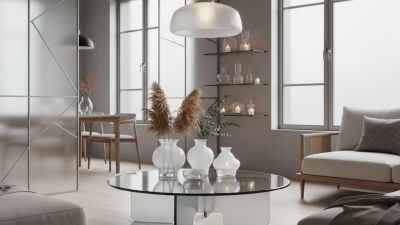
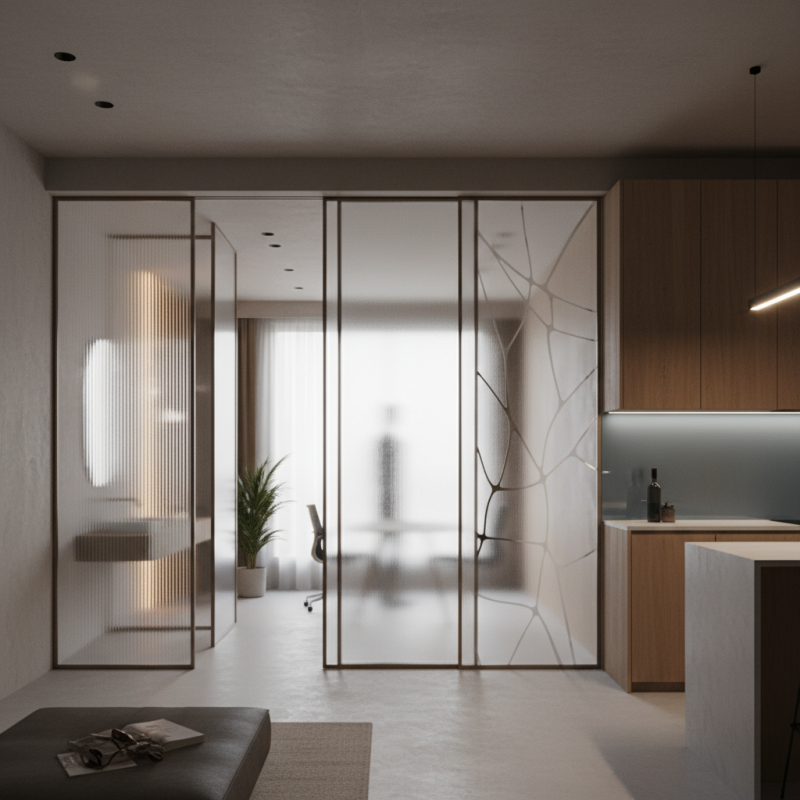
When selecting frosted glass, consider your aesthetic and functional needs. This type of glass can enhance privacy while allowing light to pass through. The texture can vary, affecting the overall look. Some designs have sharper patterns, while others are softer. Reflect on how these variations will complement your space.
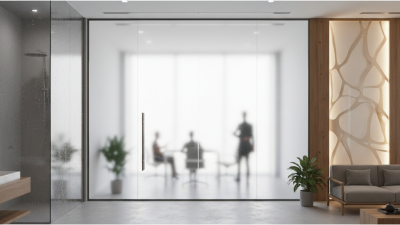
Functionality is just as important as aesthetics. Think about where the glass will be used. Areas like bathrooms may require more opacity. For office spaces, a balance of light and privacy can be essential. Poor choices can lead to dissatisfaction. Testing samples in your space can reveal the right fit.
Each project is unique. Take time to evaluate both elements. Your final decision should reflect your vision and requirements. Avoid rushing, as a hasty choice may lead to costly mistakes later. Flexibility in design can open up new possibilities you hadn't considered.