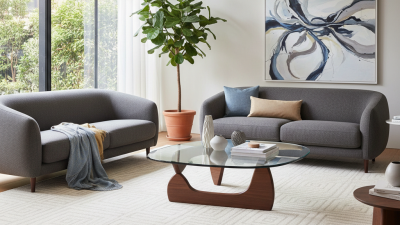
What Is a Frosted Glass Sheet and Where Is It Used?
A Frosted Glass Sheet is a translucent glass panel that softens light and reduces direct visibility. It creates privacy without making a room feel completely closed. Depending on its manufacture, the surface may be acid-etched, sandblasted, ceramic-treated, or covered with a frosted film. These methods produce different textures, durability levels, and cleaning needs.
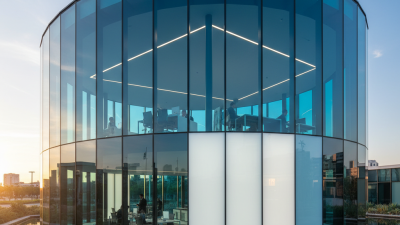
The material is common in bathroom windows, office partitions, shower screens, interior doors, cabinet inserts, and reception areas. In a small bathroom, daylight can pass through the glass while faces and objects remain blurred. In an office, a frosted panel can separate desks without blocking every ray of light. It also appears in decorative sidelights, stairway enclosures, and selected lighting applications.
Details matter. Permanent etching usually withstands regular cleaning better than an applied film, but it may cost more. Dust can collect around textured surfaces. Fingerprints may still appear, especially on frequently touched doors. A qualified glazier should confirm the correct thickness, edge treatment, safety rating, and installation method for each location. The right choice depends on privacy, light transmission, impact exposure, maintenance, and design goals.
It is not a perfect privacy solution. Strong shadows may remain visible. That distinction matters. This guide explains how frosted glass is made, where it performs well, and what buyers should check before ordering. Some recommendations may change with climate, building design, and daily use. Careful measurement and professional advice can prevent an attractive panel from becoming an expensive mistake.
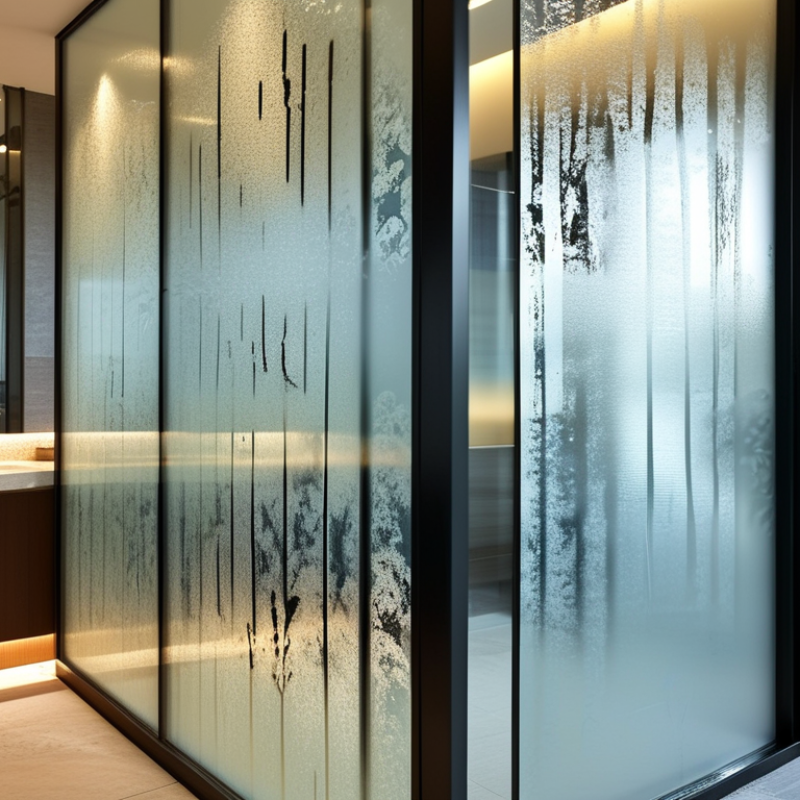
What Is a Frosted Glass Sheet?
A frosted glass sheet is a flat glass panel with a translucent, light-scattering surface. Its cloudy appearance comes from acid etching, sandblasting, or a bonded film. These treatments reduce direct visibility without blocking daylight completely. A hand placed behind the panel may appear only as a soft shape.
Frosted glass is commonly used for bathroom doors, office partitions, shower screens, cabinet inserts, and sidelights near entrances. Designers choose it when privacy matters, but natural brightness should remain. The U.S. Department of Energy reports that windows can represent 25% to 30% of residential heating and cooling energy use. Frosting alone does not provide strong insulation. Low-emissivity coatings, insulated glazing, and suitable frames matter more for energy performance.
Market data also shows why this material remains relevant. Grand View Research estimates the global architectural glass market will expand at a compound annual growth rate of about 7% from 2024 to 2030. Frosted sheets support this trend through flexible interior and façade applications. However, they are not ideal everywhere. They collect fingerprints, may show uneven etching, and can be difficult to clean after installation. In humid rooms, untreated edges may also deserve closer inspection. My practical preference is to test a sample beside the actual wall color and lighting. Frosted glass can look elegant in a showroom, yet appear dull under weak indoor light.
What Is a Frosted Glass Sheet and Where Is It Used?
Frosted glass is translucent glass with a textured or acid-etched surface that diffuses light and reduces clear visibility. It is commonly used for shower screens, office partitions, doors, bathroom windows, and decorative interior panels.
The chart shows the approximate mass of a flat glass sheet per square metre at common nominal thicknesses. The values are calculated using a typical glass density of 2,500 kg/m³, so thicker sheets are heavier and generally require stronger framing and hardware.
How Is Frosted Glass Made?
A frosted glass sheet starts as ordinary flat glass, usually made through float-glass manufacturing. Molten glass moves across liquid tin, creating a smooth, even surface. After cooling, technicians clean the sheet carefully. Small dust particles can become visible defects.
In acid etching, controlled chemicals react with the exposed glass surface. The reaction creates millions of tiny pits that scatter light. This produces a soft, cloudy appearance. Processing time, acid strength, temperature, and rinsing affect the final texture. Professional facilities use enclosed equipment, protective controls, and wastewater treatment. The surface may be etched on one side or both sides. One-sided frosting suits doors, room dividers, bathroom windows, and cabinet panels. It allows daylight through while reducing clear visibility. Sandblasting uses fine abrasive particles instead. It creates a rougher texture and supports custom patterns with masks. Pressure control matters. Too much pressure can cause uneven shading or weaken the surface.
Some manufacturers apply a translucent film instead of changing the glass itself. Film production is faster and may allow later removal. However, poorly installed film can lift at the edges. Etched glass feels permanent, but fingerprints and oily marks still appear. A soft cloth usually cleans them without scratching the finish. No surface is flawless. Designers should test a sample under the project’s actual lighting before ordering large sheets. If safety glazing is required, cutting and heat treatment should be planned with a qualified processor. Further cutting is normally impossible after tempering.
Where Is Frosted Glass Commonly Used?
Frosted glass sheets are used where daylight matters, but direct views do not. Their translucent surface scatters light and softens outlines. Acid-etched glass usually offers a more even finish than sandblasted glass. It also feels smoother and is often easier to clean.
Common applications include bathroom windows, shower enclosures, office partitions, meeting-room doors, and stairwell panels. Designers also use frosted sheets in kitchen cabinets, retail displays, hotel interiors, and healthcare spaces. In offices, they create privacy without making rooms feel closed. In homes, a narrow frosted panel beside a front door can bring in daylight while hiding faces and movement. This is practical. Yet, it is not fully private at night when interior lights are on.
Energy performance deserves careful judgment. The International Energy Agency reports that buildings consume about 30% of global final energy. The U.S. Energy Information Administration’s 2018 Commercial Buildings Energy Consumption Survey found lighting used 17% of commercial building electricity. Frosted glass can diffuse daylight, but it does not automatically reduce energy use. Poor placement may increase glare or cooling demand.
Tips: Check the privacy level at night, not only in daylight. Choose a finish that matches cleaning conditions. For doors, confirm safety glazing requirements with a qualified professional. I have found that samples reveal texture and visibility better than digital images. Small details matter.
How Should Frosted Glass Be Selected and Maintained?
A frosted glass sheet diffuses light while reducing clear visibility. Its appearance depends on the frosting method, thickness, and viewing distance. Acid-etched glass usually offers a consistent surface and resists fingerprints better than heavily sandblasted glass. Sandblasted finishes can feel warmer, but exposed textures may collect dirt. That difference matters in busy bathrooms and entrances.
Choose the sheet according to its actual location. For a shower screen, select moisture-resistant glass with smooth, sealed edges. For doors or partitions, use an appropriate safety-glazing specification and confirm local building requirements. Privacy also needs careful thought. A pale finish may hide faces but still reveal movement and shadows. Request a sample before ordering. View it in daylight and under indoor lighting. Small samples can mislead.
Maintenance should stay gentle. Wipe the surface with a soft microfiber cloth and diluted, non-abrasive detergent. Remove water marks before they harden. Avoid metal scrapers, scouring powders, and harsh alkaline cleaners, which can dull the finish. Check hinges, seals, and edges during routine cleaning. A tiny edge chip deserves attention, even when the center looks perfect. In practical installations, cleaning mistakes often cause more damage than daily use. I have also seen owners choose maximum opacity, then regret losing natural light. Reconsider the balance before installation.