What is Intelligent Glass and How Does It Work?
Intelligent Glass is a transformative technology in the building and automotive sectors. This innovative material adjusts its transparency based on environmental conditions or user preferences. According to a report from MarketsandMarkets, the intelligent glass market is expected to reach $10.4 billion by 2025, growing at a compound annual growth rate (CAGR) of over 13%. This growth highlights the increasing demand for energy-efficient solutions.
Experts in the field, like Dr. Emily Carter, emphasize the significance of this technology: “Intelligent Glass is not just a trend; it’s a necessity for sustainable architecture.” The ability to control light and heat means buildings can reduce energy consumption. However, challenges remain in terms of cost and widespread adoption. Some industries hesitate, finding the initial investment daunting despite long-term benefits.
As we explore Intelligent Glass, it’s crucial to address these hurdles. While the technology promises significant advantages, users must weigh these against financial implications. The potential for revolution in our environments is immense, yet the path forward requires careful consideration of both opportunities and obstacles.

What is Intelligent Glass? An Overview of Its Key Features
Intelligent glass, often known as smart glass, revolutionizes how we interact with our surroundings. It can change its properties, such as opacity and color, based on external stimuli. This dynamic glass offers several key features that enhance both functionality and aesthetics in various environments.
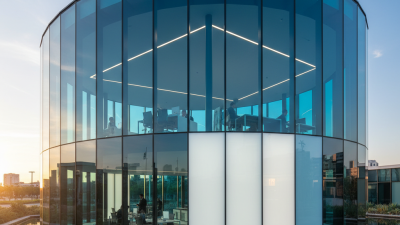
One significant feature is its ability to tint automatically. When exposed to sunlight, intelligent glass can darken, reducing glare and improving energy efficiency. This is especially valuable in large buildings, where excessive sunlight can lead to uncomfortable heat. The technology often relies on electrochromic or thermochromic materials that respond to light and heat.
An important consideration when using intelligent glass is its installation. It may require specific handling due to the delicate electronics involved. Not all installations will yield the same level of performance. Users should evaluate applications carefully to ensure optimal outcomes. It's crucial to consult professionals who understand the technical aspects of this technology.
Innovative and functional, intelligent glass can significantly enhance comfort and efficiency. However, users should be aware of the costs involved and potential changes in aesthetics over time. An informed choice will lead to better integration into your architectural plans.
Types of Intelligent Glass: Smart Tinting Technologies Explained
Intelligent glass has transformed the way we interact with our surroundings. Different types of smart tinting technologies offer various functionalities. One prominent type is electrochromic glass, which changes color in response to an electrical charge. This allows users to control light and heat entering a space, enhancing comfort. Its applications vary from residential settings to commercial buildings, showcasing its versatility.
Another technology is photochromic glass, which automatically darkens when exposed to sunlight. This offers effective glare reduction and energy savings. It is particularly beneficial in outdoor environments, adjusting to changing light conditions. However, the responsiveness can sometimes lag behind user expectations, leaving room for improvement. Users often find that while these glasses reduce heat, they may not completely eliminate reliance on existing HVAC systems.
Liquid crystal technology also plays a role in intelligent glass. This involves the alignment of liquid crystals to control transparency. One drawback is that the transition can be slow. Users might wish for more immediate changes. Nevertheless, intelligent glass continues to evolve, pushing boundaries and challenging traditional design concepts. Each technology contributes unique benefits, yet some aspects need refinement to enhance user experience further.
How Intelligent Glass Works: Mechanisms Behind Its Functionality
Intelligent glass utilizes technology to adjust its transparency and light control. The functionality is primarily based on various mechanisms like electrochromism, photochromism, and thermochromism. These processes enable the glass to respond to changes in light or temperature. For example, electrochromic glass changes color when an electrical current passes through it. This allows for greater control over light intake and privacy.
Another common method is photochromic glass. This type darkens in response to UV light. It is often used in sunglasses and buildings to reduce glare. Transparent when indoors, it can provide optimal light levels without sacrificing visibility. Lastly, thermochromic glass reacts to heat, changing its opacity as temperatures vary. As the world gravitates towards smart technology, intelligent glass presents a sustainable approach to energy efficiency.
While intelligent glass offers many benefits, challenges exist. Installation can be complex and often requires specialized knowledge. Not all intelligent glass options are created equal. Some may not perform as expected in various environments, raising questions about durability and effectiveness. It’s crucial for users to consider their specific needs and research options thoroughly.
Applications of Intelligent Glass in Modern Architecture and Design
Intelligent glass, often known for its dynamic light control, has remarkable applications in modern architecture and design. It allows buildings to adapt their transparency and light transmission. When sunlight hits a window, intelligent glass can switch from transparent to opaque. This change can enhance energy efficiency. Not only does this save energy, but it also improves comfort inside spaces. Imagine an office that brightens or dims based on the time of day.
In residential settings, intelligent glass adds a modern touch. Homeowners can enjoy privacy with the flick of a switch. This technology can create atmospheric shifts in libraries, museums, or galleries. However, some designs can look stark or too clinical. The use of intelligent glass may not always blend well with traditional architecture. There’s a balance to strike between innovation and aesthetic harmony. Not every project has successfully integrated this technology, leading to challenges in design choices.
The integration of intelligent glass in architecture also raises questions. How do we ensure quality and durability? Some installations may not hold up over time, creating unexpected maintenance issues. Architects must consider both function and form in their designs. The exciting yet complex interplay between technology and tradition shapes the evolution of modern spaces.
Future Trends: The Growth of Intelligent Glass in the Construction Industry
Intelligent glass is emerging as a pivotal element in the construction industry. This innovative material adapts to environmental changes, optimizing energy efficiency. It can change its transparency based on light conditions or temperature. Architects and builders are increasingly drawn to its potential, envisioning more sustainable buildings. However, the implementation of intelligent glass faces hurdles. Costs and complexity can deter widespread adoption.
The growth of intelligent glass in construction aligns with a worldwide move towards sustainability. Buildings equipped with this technology can reduce energy consumption significantly. They help lower heating and cooling costs. Moreover, intelligent glass enhances occupant comfort by regulating sunlight and glare. Yet, the industry must address questions of durability and maintenance. Not every intelligent glass solution is suitable for every climate or building type.
In future designs, intelligent glass holds promise for smart city integration. As urban environments evolve, this technology can contribute to smarter, more responsive construction. Continuous improvements in manufacturing processes may yield more affordable solutions. However, the balance between innovation and cost-effectiveness remains a pressing concern. The journey is ongoing, and real-world applications will determine its ultimate success.