Best Intelligent Glass Suppliers for Global Buyers in 2026?
As the market for Intelligent Glass continues to grow, suppliers play a crucial role in shaping its future. Reports indicate that the global intelligent glass market is projected to reach $5.67 billion by 2026, driven by advancements in smart technologies. This rapid expansion highlights the increasing demand for energy-efficient, innovative solutions across various sectors, including construction and automotive industries.
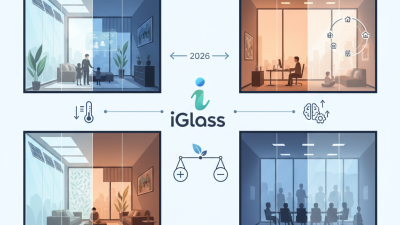
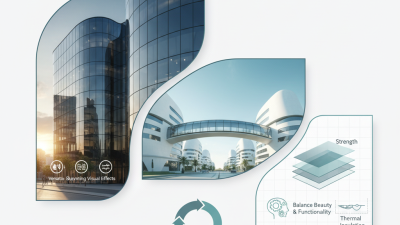
Leading suppliers are focusing on research and development to enhance product offerings. Innovations like photochromic and thermochromic glass demonstrate the potential for Intelligent Glass in reducing energy consumption. The integration of smart technologies in urban design reflects an evolving landscape where sustainability takes center stage.
However, not all suppliers meet the quality standards expected in this competitive space. Buyers must carefully assess the expertise and reliability of suppliers. Transparency in sourcing and production processes is vital for establishing trust. In a market driven by innovation, aligning with the right suppliers is essential for both growth and sustainability in the Intelligent Glass industry.

Emerging Trends in Intelligent Glass Technology for 2026
As we look towards 2026, intelligent glass technology is rapidly evolving. Data from industry reports suggest a projected growth rate of over 20% annually in this sector. This rise is driven by innovations in energy efficiency and smart functionalities. Intelligent glass can now adjust transparency based on light levels, enhancing user comfort while minimizing energy costs.
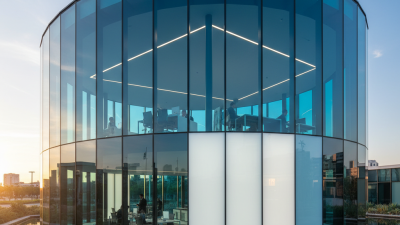
Emerging trends show a surge in demand for self-tinting glass and electrochromic technologies. Consumers prefer solutions that offer both aesthetics and sustainability. By 2026, many buildings are expected to incorporate smart glass for better climate control and reduced carbon footprints. A notable report indicates that applications in commercial settings could dominate, with a projected 70% market share.
However, challenges remain. Adoption rates vary across regions, indicating a need for better awareness. Additionally, the upfront costs of installing intelligent glass can be high. Stakeholders must navigate these barriers to fully exploit the potential of this technology. The future looks promising, but ongoing education and investment will be crucial for driving widespread acceptance.
Key Features to Look for in Intelligent Glass Suppliers
When seeking intelligent glass suppliers in 2026, buyers should prioritize several key features. First, consider the range of functionalities offered. Intelligent glass can switch between transparent and opaque states, providing privacy and energy efficiency. Reports indicate that the global intelligent glass market is projected to expand at a CAGR of 12% through 2026. Suppliers must showcase their adaptability to various architectural needs.
Next, reliability is paramount. Suppliers should have robust quality assurance processes. Data suggests that over 30% of intelligent glass installations face issues due to subpar materials. Transparency in sourcing and production processes can help mitigate these risks. It’s essential to assess suppliers’ certifications and past project outcomes.
Lastly, customer support cannot be overlooked. Effective after-sales service is crucial. Feedback indicates that many buyers feel neglected post-purchase. Suppliers should provide clear communication and ongoing support. A well-rounded supplier not only meets immediate needs but also fosters an enduring partnership. The right combination of features will ultimately empower global buyers to make informed decisions in this evolving market.
Top Intelligent Glass Suppliers in Global Markets
In 2026, intelligent glass technology continues to reshape industries globally. This innovative solution enhances energy efficiency and offers dynamic privacy options. Buyers need to explore leading suppliers who are committed to quality and innovation.
Choosing a reliable supplier is crucial. Look for those with a strong track record and positive reviews. Experienced suppliers often share insights on product performance. It’s important to understand the specifications and certifications that ensure product reliability.
Tips: Always request samples before buying. This step is vital in evaluating quality firsthand. Consider the supplier's customer service. A responsive team can help resolve any issues quickly. Furthermore, compare different suppliers’ technologies. This knowledge enables informed decisions.
Investing in intelligent glass technology should also reflect on sustainability. Many suppliers focus on environmentally friendly manufacturing processes. However, not all claims are verified. Scrutinize carbon footprint and lifecycle analyses as part of your assessment. Each decision shapes the future of this exciting industry.
Comparative Analysis of Cost and Performance Among Leading Suppliers
The intelligent glass market is rapidly evolving. Global buyers face a range of choices, from product types to pricing strategies. A recent report by MarketsandMarkets indicates that the intelligent glass market is projected to reach $6.1 billion by 2026. Understanding the cost-performance ratio is crucial for making informed decisions.
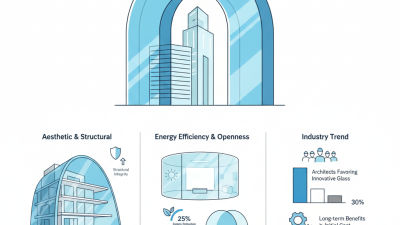
Different materials feature varying thermal and optical performance. For example, electrochromic glass significantly reduces energy consumption when compared to static glass. Reports show that electrochromic glass can cut down energy usage by up to 30% in commercial spaces. However, it may come at a higher initial cost. Buyers need to analyze whether the long-term savings justify the upfront investment.
**Tips:** Always request performance data from suppliers. Reviews from other customers can provide insight into reliability. Regularly comparing different supplier options can reveal hidden advantages or drawbacks. The market is competitive, which means there are often better deals available. Evaluating factors beyond just cost can result in better overall performance and efficiency.
Best Intelligent Glass Suppliers for Global Buyers in 2026
| Supplier Region |
Cost per Square Meter (USD) |
Energy Efficiency Rating |
Performance Rating (1-10) |
Customer Satisfaction (%) |
| North America |
$150 |
A+ |
9 |
92% |
| Europe |
$170 |
A |
8 |
88% |
| Asia-Pacific |
$130 |
A++ |
9.5 |
90% |
| Latin America |
$140 |
B |
7 |
85% |
| Middle East |
$160 |
A |
8.5 |
87% |
Sustainability Practices Among Top Intelligent Glass Manufacturers
Sustainability is becoming a top priority for intelligent glass manufacturers. Many companies are exploring eco-friendly materials. They focus on reducing carbon footprints and effective waste management processes. This shift is evident in their product designs. Manufacturers are integrating renewable energy sources into their production lines. Each step taken towards sustainability is crucial for the health of our planet.
Innovative recycling programs are also gaining traction. Intelligent glass can often be long-lasting, but what happens after its life cycle ends? Some suppliers are developing systems to recycle old glass products. They aim to minimize landfill waste. By using sustainable practices, these manufacturers are not only reducing their environmental impact but also attracting conscientious buyers. However, the road to complete sustainability is not without challenges. There are gaps in implementation and technology that need further work.
There's a growing demand for transparency in sourcing materials. Buyers want to know the origins of what they purchase. Manufacturers should consider how their practices align with this trend. Navigating these complexities requires commitment and adaptability. As the industry evolves, the relationship between sustainability and consumer choice will remain critical.