What Is Silver Mirror Glass and How Is It Made?
Silver Mirror is more than a reflective surface. It is a carefully engineered glass product, commonly used in bathrooms, furniture, retail interiors, and architectural spaces. Its bright appearance begins with ultra-clear float glass. The glass must be flat, clean, and free from visible defects. Even a small scratch can remain noticeable after coating.
Dr. Helen Sanders, a recognized glass-industry specialist, explains, “The glass is the foundation of every mirror.” Her observation reflects a practical truth. A reflective coating cannot fully hide poor glass quality. During production, manufacturers wash and chemically prepare the glass. They then apply a thin silver layer through a controlled chemical process. A protective copper or alternative barrier may follow. Several layers of durable backing paint are added afterward. Heat curing strengthens the coating.
The process is precise.
Quality teams inspect brightness, adhesion, edge protection, and surface uniformity. Modern Silver Mirror products may also use aluminum or environmentally improved coating systems. Their performance depends on humidity resistance, installation conditions, and correct edge sealing. The exact formula varies between manufacturers, so product data sheets deserve careful attention. Not every mirror lasts equally well in a steamy bathroom.
That is an important limitation. Silver Mirror can develop dark edges when moisture reaches the reflective layers. Careless cutting, poor ventilation, or unsuitable cleaners may accelerate damage. Understanding its structure helps buyers choose suitable thicknesses, backing systems, and maintenance methods. This article examines how Silver Mirror works, how manufacturers produce it, and why small production details influence its clarity and service life.
What Silver Mirror Glass Is and How It Differs from Ordinary Glass
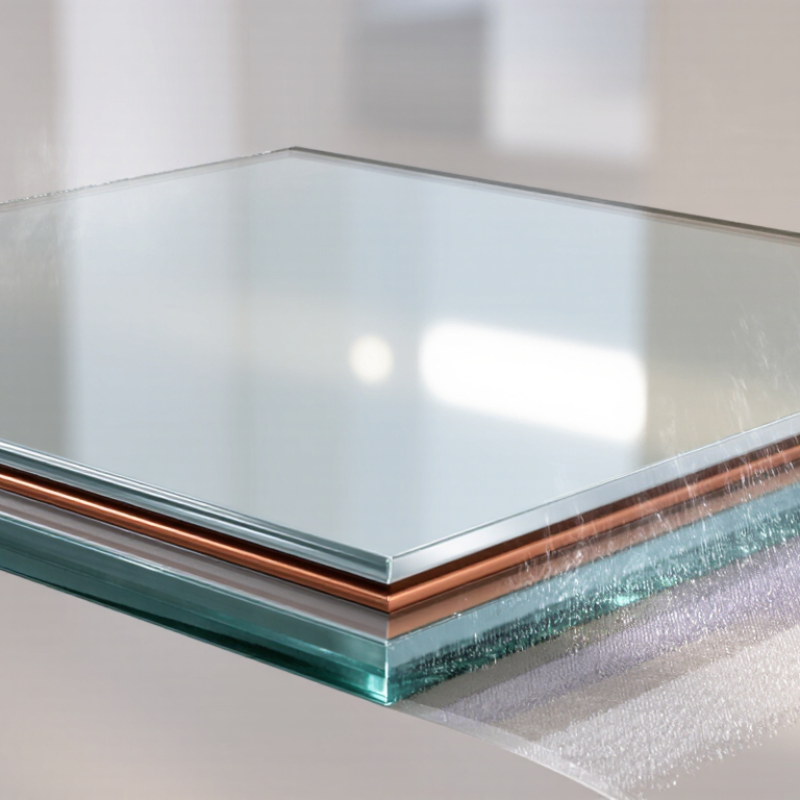
Silver mirror glass starts as ordinary float glass, but its rear surface receives a reflective metal system. That distinction matters. Standard glass transmits and bends light; it normally offers no intentional rear reflection. Silver mirror glass uses a very thin silver layer, usually protected by additional coatings and backing paint. It reflects light toward the brighter side and allows less light through. However, it is not automatically “one-way glass.” Lighting conditions decide what people see.
Manufacturing requires careful surface preparation. Workers clean and polish the sheet, activate its surface, deposit silver chemically, and add protective layers. Edge sealing also matters because moisture can cause black spots or peeling. Factory experience shows that coating uniformity, dust control, and curing temperature affect mirror clarity more than appearance alone suggests. The International Energy Agency reports that global glass production creates roughly 95 million tonnes of carbon dioxide emissions annually (IEA, Glass, 2023). Melting and forming consume substantial heat, so thinner sheets and efficient processing can reduce material demand, though they cannot remove every impact. The European Commission’s JRC BAT Reference Document also identifies melting as a major energy-consuming stage in glass manufacturing. A useful caution remains: silver mirror glass is not simply “better glass.” It is ordinary glass modified for reflection, privacy effects, decoration, and controlled light management.
The Materials and Equipment Used to Make Silver Mirror Glass
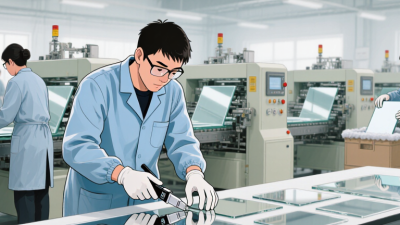
Silver mirror glass begins with a clean, flat sheet of float glass. Manufacturers may choose clear or low-iron glass for a brighter reflection. Cleaning matters more than many visitors expect. Water, dust, fingerprints, and tiny oils can weaken the coating. Production lines use brushes, spray nozzles, deionized-water rinses, and air knives. Operators inspect the surface under strong, angled lighting. A small stain may become a visible spot later.
After cleaning, a sensitizing solution prepares the glass surface. Silver nitrate supplies silver ions, while a reducing solution forms the reflective metallic layer. Spray heads or curtain coaters spread these liquids evenly across the glass. A controlled rinse removes loose chemicals between stages. Some factories add a thin copper layer for extra protection. The exact chemistry varies with durability needs and production methods. One recipe cannot suit every glass thickness.
Finally, protective paint covers the rear surface, often in one or more coats. Conveyor ovens or warm-air systems cure the paint without overheating the glass. Thickness gauges, reflectance checks, and visual inspections help detect pinholes or uneven color. Ventilation equipment and chemical-resistant safety gear remain essential near the coating area. Even with careful control, slight edge marks or tone differences can appear. They are small reminders that mirror making is precise, but never completely automatic.
How Glass Is Cleaned and Prepared for Mirror Coating
What Is Silver Mirror Glass and How Is It Made?
How Glass Is Cleaned and Prepared for Mirror Coating
Silver mirror glass begins with a flat, transparent sheet, but the coating process depends on invisible cleanliness. After cutting and edge finishing, technicians inspect the surface under angled light. Tiny chips, oily fingerprints, and glass dust can later appear as dark spots or pinholes.
The sheet passes through brushes, detergent, and carefully controlled rinsing. Deionized water is preferred because dissolved minerals can leave deposits. Some facilities measure surface tension or water-break behavior to confirm that the glass is truly clean. A continuous water film is a useful practical sign.
The U.S. Department of Energy’s glass industry data places melting temperatures near 1,500°C, so the sheet must cool before coating preparation begins. ASTM C1036-22 also separates flat-glass quality categories, showing why coating cannot repair a poor substrate. The cleaned glass is then sensitized, treated with a silver solution, and protected with copper and paint layers. The chemistry is precise, yet not flawless. Handling marks still happen.
Tips: Keep gloves clean and replace them often. Use filtered air, not compressed air from an oily line. Check rinse water routinely. A final visual inspection remains necessary, even with automated washing.
How Silver and Protective Layers Are Applied to the Glass
Silver mirror glass is ordinary float glass with a reflective silver film on its rear surface. The coating process is precise, but it is not simply “painting silver” onto glass. The Silver Institute’s World Silver Survey 2024 reported industrial silver demand of about 654 million troy ounces in 2023. Mirrors represent only a small, rarely separated share of that total.
The glass is cleaned with deionized water and mild chemicals. Even fingerprints can create visible coating defects. A sensitizing solution helps the next layer bond evenly. Manufacturers then apply a silver salt solution, commonly based on silver nitrate. A reducing agent converts dissolved silver ions into a thin metallic film. The reaction must remain uniform across the panel. Small temperature or flow changes may cause cloudy patches, pinholes, or uneven reflectance.
The silver layer is vulnerable. Protective layers matter. A copper or copper-free barrier can reduce chemical attack, depending on the production system. One or more backing coatings then shield the metal from moisture, scratches, and handling damage. Industry requirements such as EN 1036-1 address silvered glass quality and durability testing. The U.S. Geological Survey reported approximately 25,000 metric tons of global silver mine production in 2023, reminding manufacturers that material efficiency has practical value. The imperfect part is inspection: a mirror may pass reflectance checks yet fail later at a damp edge. Better edge sealing and longer humidity testing deserve more attention.
Quality Testing, Finishing, and Common Uses of Silver Mirror Glass
Silver mirror glass is made by applying a reflective silver layer to carefully cleaned float glass. The surface must be free from dust, oil, and tiny water marks. After chemical silvering, protective coatings help shield the metal from moisture and air. The process looks straightforward, but preparation often determines the final appearance. Poor cleaning can create dull patches or small reflective gaps.
Quality testing examines reflectivity, visual clarity, coating adhesion, and edge condition. Inspectors use angled light to find pinholes, scratches, haze, black spots, and uneven brightness. Humidity testing can reveal early corrosion around weak edges. Dimensions and thickness should match the project specification. A cross-cut adhesion check may also expose loose coatings. Testing is not perfectly subjective; lighting conditions can change what inspectors notice.
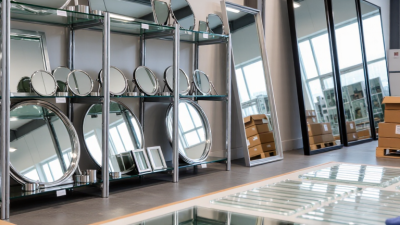
Finishing may include straight polishing, arrised edges, beveling, drilling, or safety backing. Protective film reduces scratches during transport, although it cannot repair careless handling. In practical installations, silver mirror glass appears in bathroom walls, wardrobes, furniture doors, retail displays, salons, and decorative interior panels. Wet areas need sealed edges and suitable ventilation. A small unsealed corner may look harmless, yet moisture can travel beneath the coating. That detail is easy to miss.
What Is Silver Mirror Glass and How Is It Made?
Quality Testing, Finishing, and Common Uses of Silver Mirror Glass
Silver mirror glass is produced by depositing a thin silver film on the rear surface of clear glass, followed by protective copper and paint layers. The chart shows typical production thickness ranges for the main coating layers. Actual specifications vary according to glass thickness, coating system, and application requirements.
Quality control commonly includes visual inspection, optical uniformity checks, coating adhesion testing, and resistance to moisture or corrosion. Finished silver mirror glass is widely used for interior decoration, bathrooms, furniture, retail displays, architectural features, and solar-energy applications.