What is a Smart Mirror and How Can It Transform Your Space?
The Smart Mirror is an innovative feature that can redefine how we interact with our daily routines. This device goes beyond a regular mirror; it merges technology with everyday functionality. Imagine waking up to a mirror that provides you with news, weather updates, and even your schedule. It transforms mundane tasks into engaging interactions.
This technology enhances not just convenience but also aesthetics. A Smart Mirror can seamlessly blend into your space, making it both a functional tool and a stylish decor element. However, it is important to recognize that adapting to this technology requires an adjustment period. Users might find themselves overwhelmed with information initially. The balance between utility and distraction is crucial as they adapt to this modern solution.
Ultimately, a Smart Mirror can redefine personal engagement with our environment. Its potential to transform ordinary spaces is significant, but the impact on daily routines may take time to assess. Embracing this change offers opportunities for reflection, both literally and figuratively, as we navigate through a more connected lifestyle.
What is a Smart Mirror? Definition and Overview
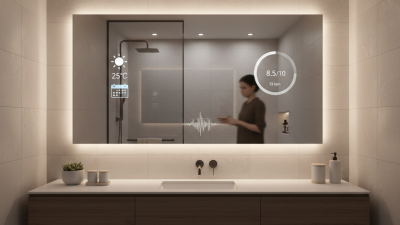
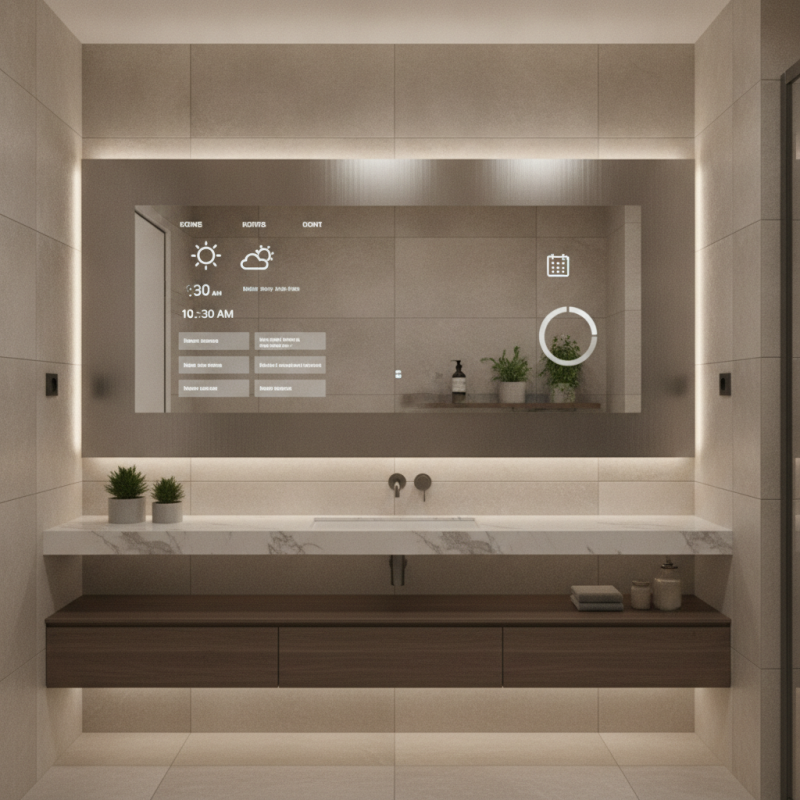
A smart mirror is an innovative technology that integrates a display into a reflective surface. This allows it to serve multiple purposes beyond just reflecting your image. Imagine checking the weather, reviewing your calendar, or even streaming your favorite music while getting ready in the morning. The dual functionality makes it a valuable addition to modern spaces, especially bathrooms and bedrooms.
The core of a smart mirror lies in its interface. Some models use touchscreens, while others respond to voice commands. This interactivity can provide personalized information tailored to your routine. For instance, a user may ask, “What’s my schedule today?” and receive audio feedback while applying makeup. However, not all smart mirrors offer seamless connectivity. Some may struggle with Wi-Fi issues or lag, diminishing the experience.
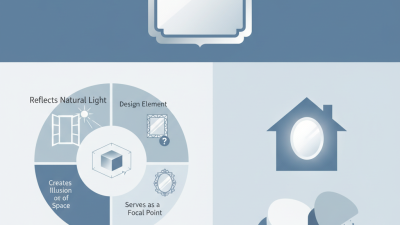
Moreover, the aesthetics of a smart mirror can transform your space. It can act as a focal point, combining sleek design with technology. Yet, users must reflect on the balance between functionality and distraction. Over-reliance on such devices might detract from mindful moments at home. Thus, while smart mirrors offer intriguing advantages, one must be cautious of their potential drawbacks.
Key Features of Smart Mirrors: Functionality and Technology
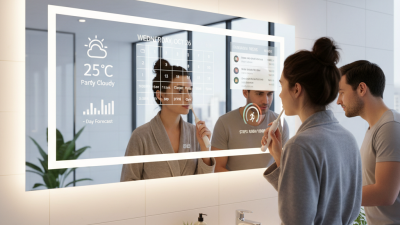
Smart mirrors combine technology with everyday life. They can do much more than just reflect your image. These devices offer features that enhance daily routines. Imagine checking the weather while brushing your teeth. The mirror displays real-time information seamlessly.
Many smart mirrors come equipped with voice control. This hands-free option makes it easy to access various apps. You can play music or receive notifications without touching the screen. Some mirrors even offer skin analysis. This technology identifies your skin's needs and suggests suitable products.
A major challenge with smart mirrors is their reliance on internet connectivity. If the network is down, certain features may become unavailable. Additionally, while these mirrors are designed to improve efficiency, they can distract users. Too much information at once may overwhelm rather than assist. Balancing technology and mindfulness remains crucial.
The Benefits of Smart Mirrors in Home and Commercial Spaces
Smart mirrors are becoming a popular choice in both homes and commercial spaces. They offer a unique blend of functionality and aesthetics. With a smart mirror, you can check the weather, manage your schedule, or even watch tutorials while getting ready. This multi-tasking ability transforms mundane routines into an interactive experience. The sleek design also enhances the overall ambiance of a room.
In homes, smart mirrors can be placed in bathrooms, bedrooms, or entryways. They provide not only practicality but also a modern touch. In commercial spaces, smart mirrors attract customers’ attention. Retailers use them for interactive advertising, allowing customers to engage with products. This innovative technology can also improve customer experience in salons and gyms, offering personalized options.
However, integrating smart mirrors can present challenges. Installation requires careful planning to accommodate power sources and internet connectivity. Privacy concerns also arise, as these mirrors often use cameras and microphones. Users need to weigh the convenience against potential security risks. Regular updates are essential to maintain their functionality and security. Balancing innovation with caution is crucial for maximizing their benefits.
How Smart Mirrors Can Enhance Daily Routines and Lifestyle
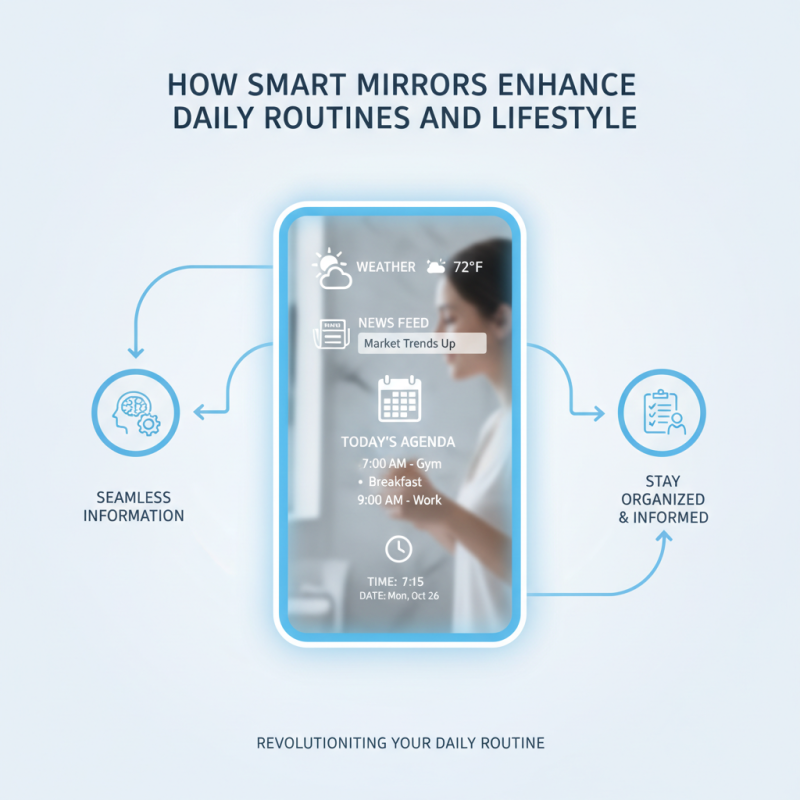
Smart mirrors are revolutionizing daily routines. They combine technology with everyday life, enhancing how we interact with our spaces. Imagine stepping up to a mirror that displays the weather, news, and your calendar while you get ready in the morning. These mirrors offer seamless integration of information, allowing you to stay organized and informed.
In addition, smart mirrors can provide personalized experiences. Many models can track your skin health, offering insights on skincare routines. You can even access virtual fitness classes while getting dressed. This technology brings convenience to your day and helps maintain a balanced lifestyle. However, there can be challenges. Setting up these mirrors often requires technical knowledge. Not everyone may feel comfortable with such technology in their homes.
Beyond practicality, smart mirrors encourage reflection. They remind us to consider our daily habits and routines. Are we spending too much time on screens? Are we taking care of ourselves as we should? As much as they enhance our lives, they also prompt us to evaluate our choices. The integration of smart mirrors into our daily spaces is a step towards smarter living, but it pushes us to think critically about how we engage with technology.
Future Trends: Innovations in Smart Mirror Technology and Design
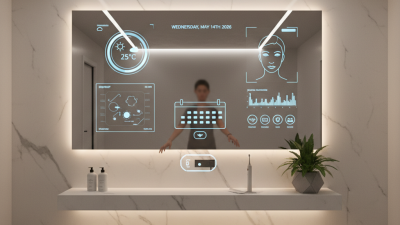
Smart mirrors are evolving, integrating advanced technology to enhance their functionality. Future trends showcase innovations that transform the typical mirror into an interactive experience. These mirrors use touch screens, voice recognition, and augmented reality. Imagine a mirror that provides weather updates or displays your schedule while you prepare in the morning.
Design-wise, smart mirrors are becoming more aesthetically pleasing. They blend seamlessly into different spaces, from sleek bathrooms to modern living rooms. The ability to customize the interface is a huge draw for consumers. However, one must consider privacy concerns. Smart mirrors collect data, raising questions about security and user control.
Additionally, the technology is still developing. Early models may lack smooth functionality. Users might find some features cumbersome or unintuitive. This experimentation phase is essential for innovation. Designers need to continuously refine their ideas. Balancing tech integration with user-friendliness remains a challenge.
Smart Mirror Features and User Preferences