Top 10 Frosted Glass Sheet Suppliers for Global Buyers?
Choosing a reliable Frosted Glass Sheet supplier requires more than comparing catalog prices. Global buyers must examine product quality, manufacturing experience, export capability, and communication standards. A sheet may appear uniform online, yet show uneven frosting, cloudy patches, or rough edges under warehouse lighting. Thickness accuracy, light diffusion, surface durability, cutting tolerance, and packaging quality can directly affect installation costs.
This guide reviews ten suppliers serving international markets. The selection considers factory experience, production capacity, sample availability, customization options, and documented quality procedures. It also examines practical details, including minimum order quantities, container loading, delivery schedules, export documentation, and protective packaging for long-distance shipping. Reliable suppliers should provide clear specifications, inspection records, and responsive answers before payment. Certifications can support trust, but they should be verified against the actual product and shipment.
No ranking remains perfect forever. Market conditions change. Supplier performance may vary between projects, regions, and order sizes. Buyers should request current samples, confirm glass thickness, and clarify whether frosting is acid-etched, sandblasted, or digitally printed. That distinction affects appearance, maintenance, and long-term performance. Small details matter. A careful comparison can help architects, distributors, contractors, and retail buyers reduce avoidable risks while finding a supplier suited to their technical and commercial requirements. Some recommendations may still require independent verification, especially for large or customized orders.
What Is Frosted Glass and Why Global Buyers Use It
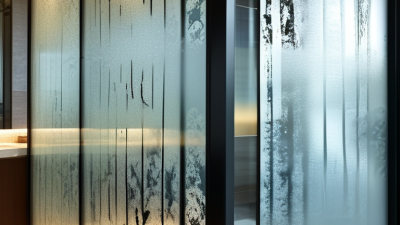
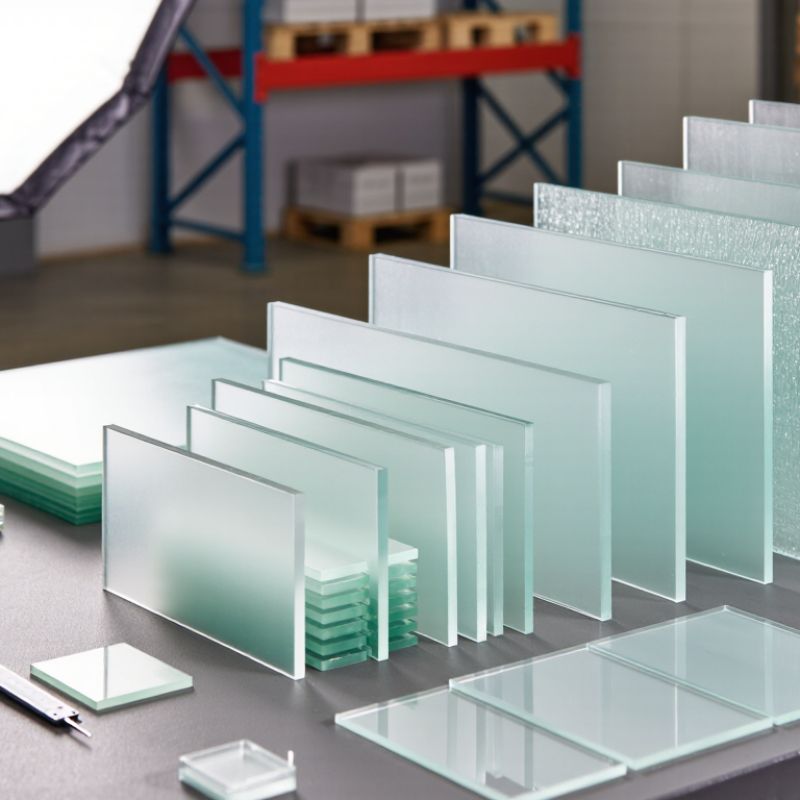
Frosted glass is clear glass treated to scatter light across its surface. The result is privacy without making a room feel completely closed. It can be produced through acid etching, sandblasting, or durable surface coating. Each method creates a different texture, maintenance need, and visual effect.
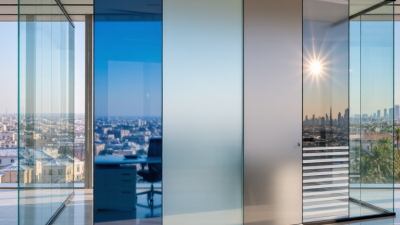
Global buyers often select frosted glass sheets for office partitions, bathroom doors, retail displays, and interior screens. Daylight still enters, while harsh reflections become softer. In a busy procurement project, thickness, edge finishing, packing quality, and moisture protection matter as much as appearance. A 6 mm sheet may suit a partition, but a larger panel could require stronger support. Small errors here become expensive after installation.
Tips: Request a physical sample before placing a large order. Check the frosting from different angles and under warm and cool lighting. Confirm tolerances, crate design, labeling, and replacement procedures in writing. Suppliers should provide technical data and inspection records, not only attractive photographs. Frosted glass also shows fingerprints and dust more easily than many buyers expect. That point is often overlooked. A cleanable surface may be more valuable than the most striking texture.
How to Evaluate Frosted Glass Sheet Suppliers Worldwide
When comparing frosted glass sheet suppliers worldwide, begin with the material, not the sales presentation. A polished website proves little. Request samples with matching thickness, surface texture, light transmission, and edge finishing. Examine each sheet under direct light. Uneven frosting, pinholes, and cloudy patches may appear after installation.
Ask suppliers for documented production experience and recent project references. Their technical team should explain glass composition, size tolerance, breakage control, and packaging methods clearly. Reliable suppliers provide inspection records, test reports, and certificates that match the actual shipment. Check whether their quality system supports your destination’s safety and building requirements. Claims without traceable documents deserve caution.
Small test orders help.
Evaluate communication, too. A capable supplier confirms drawings, answers measurement questions, and reports problems before loading. Compare lead times using realistic production schedules, not optimistic promises. Review payment terms, shipping responsibilities, crate design, moisture protection, and replacement procedures for damaged panels. A low unit price can become expensive after delays or breakage. No checklist is perfect. Even experienced buyers can overlook color variation between production batches. Keep approved samples, written specifications, and inspection photos for every order. That small discipline often protects the project better than a long supplier ranking.
Top 10 Frosted Glass Sheet Suppliers by Market Strength
Top 10 Frosted Glass Sheet Suppliers by Market Strength
Market strength depends on more than production volume. The strongest ten suppliers usually combine stable output, export experience, and dependable quality control. Large-scale manufacturers often support container orders and repeated specifications. Regional specialists may offer faster sampling and closer technical communication. Some suppliers focus on acid-etched sheets, while others excel in sandblasted textures, laminated panels, or custom thicknesses. Their facilities should show clean cutting areas, calibrated inspection tools, and protected storage racks. Small details matter.
Experienced buyers should compare delivery records, breakage rates, packaging methods, and response times. A supplier with strong market reach may serve many regions, yet still struggle with small custom orders. Another may provide excellent finishing but lack backup capacity during peak seasons. This ranking should therefore be viewed as a working guide, not a permanent truth. Market data changes. So do energy costs, freight conditions, and building standards. Request recent samples, test light transmission, and inspect edge quality before approving production. Ask for clear tolerance data. Vague promises deserve caution. One practical weakness remains: public supplier information is often incomplete, making direct verification essential.
Comparing Quality, Customization, Pricing, and Logistics
A credible top-ten list of frosted glass sheet suppliers should compare more than catalog prices. The 2024 Grand View Research flat glass report projects steady market growth through 2030, driven by construction and interior renovation. Demand is rising, but quality remains uneven. Buyers should request visible-light transmission, haze, thickness tolerance, and surface uniformity data. For tempered sheets, verification against standards such as ASTM C1048 or EN 12150 adds practical confidence. A sample under office lighting can reveal cloudy patches that photographs hide.
Customization affects both cost and production risk. Common options include acid-etched finishes, laminated safety layers, drilled holes, rounded edges, and low-iron glass. Ask whether these processes occur in one facility or through several subcontractors. More handling can increase scratches and delivery delays. Pricing should include cutting, crating, insurance, documentation, and replacement terms. Cheap quotations often exclude export packaging. That detail matters. A 2.4-meter sheet needs rigid corner protection, moisture control, and clear pallet markings.
Logistics deserves equal weight. The World Bank’s 2023 Logistics Performance Index emphasizes customs efficiency, infrastructure, shipment reliability, and tracking. Suppliers should provide realistic lead times, port options, carton dimensions, and breakage procedures. The International Energy Agency reports that buildings account for about 30% of global final energy use, so buyers may also assess solar control and insulation performance. Still, frosted glass is not automatically energy efficient. I would score suppliers on tested performance, communication records, and corrective action history, not polished sales language. My own comparison would keep a small reserve for damage and rework, because perfect forecasts rarely survive international shipping.
How Global Buyers Can Choose the Right Supplier
Choosing among the top 10 frosted glass sheet suppliers requires more than comparing quotation prices. Global buyers should verify production experience, export records, and quality controls. Request recent samples, not only catalog images. Check edge finishing, thickness tolerance, surface uniformity, and packaging strength. A 2.5-millimeter variation may affect installation and framing.
Energy performance deserves careful attention. The International Energy Agency reports that buildings consume about 30% of global final energy and create roughly 26% of energy-related emissions. Frosted glass does not automatically improve efficiency. Ask suppliers for visible light transmission, solar heat gain, and thermal data. Independent laboratory reports are stronger than sales claims. For safety glazing, request test evidence aligned with standards such as EN 12150, EN 12600, or ASTM C1048, depending on the destination market.
Supplier reliability also appears in small details. Can the supplier provide stable batch color? Do they explain lead times during peak seasons? Can packaging survive a long sea journey with humidity and vibration? ISO 9001 certification can indicate a structured quality system, but certification alone proves little. Audit corrective-action records when possible. I would also compare at least three batches before signing a large contract. This takes time. It may prevent an expensive mistake. Some buyers overlook after-sales support, assuming glass defects are obvious. They are not always obvious. Scratches, haze, and uneven frosting may appear only after installation under angled light.