What is Toughened Glass and Why is it Essential for Buyers?
Toughened Glass plays a crucial role in modern architecture and design. It is highly sought after for its strength and safety features. According to a report by Grand View Research, the toughened glass market is expected to reach $70 billion by 2027. This underscores its growing importance among buyers in various sectors, from residential construction to automotive applications.
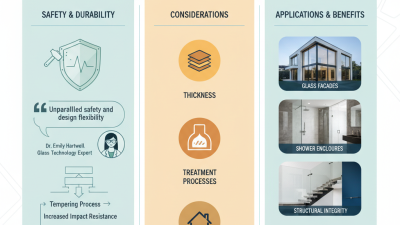
Industry expert Dr. Emily Chen states, "The incorporation of Toughened Glass not only enhances aesthetic appeal but also significantly improves safety and durability." Buyers need to consider these benefits, as they influence long-term performance and maintenance costs. However, some may overlook the importance of quality standards. Not all toughened glass is created equal, and defect rates can vary widely depending on the manufacturer.
While Toughened Glass provides essential advantages, it is vital for buyers to conduct thorough research. Understanding certifications and manufacturing processes will ensure they make informed decisions. The rising demand for this product shows a trend toward safer, more durable materials. Still, buyers must navigate the complexities of market offerings with caution.
Understanding Toughened Glass: Definition and Properties
Toughened glass, often known as tempered glass, is a type of safety glass. It is produced through a process of extreme heating and rapid cooling. This method increases its strength, making it resistant to impacts and thermal stress. The resulting material is up to five times stronger than regular glass. Its ability to shatter into small, blunt pieces rather than sharp shards adds to its safety features.
One of the essential properties of toughened glass is its heat resistance. It can withstand higher temperatures, making it ideal for use in environments like kitchens and bathrooms. Additionally, its durability makes it suitable for commercial spaces. However, the production process can leave small imperfections, which may affect clarity. Buyers should inspect the glass closely before making a purchase. Despite its strengths, toughened glass is not unbreakable. It can still fail under extreme pressure or if there are pre-existing flaws. Understanding these nuances is crucial for making informed decisions.
The Manufacturing Process of Toughened Glass: Key Steps Explained
Toughened glass is a crucial material known for its strength and safety. Understanding its manufacturing process can help buyers make informed choices. The journey begins with standard glass that undergoes a series of heating and cooling cycles. This tempering process increases its durability, making it six to seven times stronger than regular glass.
During production, the glass is heated to over 600 degrees Celsius. It is then rapidly cooled, a technique called quenching. This method creates internal stresses that enhance strength. However, not all glass is treated equally, and imperfections can occur during this process. Air bubbles or uneven thickness may affect the final product.
Quality control is vital in toughened glass manufacturing. Every batch should undergo rigorous testing. Buyers should ensure their supplier follows strict quality standards. Certifying bodies often provide guidance on what to look for. Understanding these nuances can aid in choosing reliable toughened glass. Proper knowledge empowers buyers, ensuring safety and longevity in their glass installations.
What is Toughened Glass and Why is it Essential for Buyers? - The Manufacturing Process of Toughened Glass: Key Steps Explained
| Step |
Description |
Importance |
Applications |
| 1 |
Cutting |
Initial shaping of the glass to required dimensions. |
Used in windows, doors, and glass panels. |
| 2 |
Heating |
Glass is heated uniformly to increase temperature. |
Important for improving strength and durability. |
| 3 |
Quenching |
Rapid cooling to increase thermal strength. |
Essential for safety glass applications. |
| 4 |
Testing |
Visual and stress tests to ensure quality standards. |
Guarantees safety and reliability for consumers. |
| 5 |
Finishing |
Final touches including polishing and edge finishing. |
Improves aesthetics and functionality in applications. |
Benefits of Toughened Glass for Consumers: Safety and Durability
Toughened glass, known for its strength and thermal resistance, is becoming essential in modern construction. Its benefits extend beyond aesthetics. Consumers seek safety and durability in their homes and offices. This type of glass can withstand higher impacts compared to regular glass, reducing the risk of injuries. Imagine a glass table or window that doesn’t shatter easily. This characteristic offers peace of mind, especially in homes with children or pets.
One key advantage of toughened glass is its ability to endure temperature variations. This material can tolerate heat much better, making it suitable for kitchens or areas exposed to sunlight. However, consumers sometimes overlook that toughened glass is not invincible. It can still break under extreme stress or impact, but it fractures safely into small pieces. This feature minimizes the risk of serious injuries from sharp shards.
Choosing toughened glass reflects a commitment to safety. It represents a balance between functionality and design. Investing in quality materials is crucial. While toughened glass might be pricier than regular options, the long-term benefits justify the cost. It is an investment in durability that could save money on replacements and repairs down the line.
Benefits of Toughened Glass for Consumers
Applications of Toughened Glass in Various Industries: A Comprehensive Overview
Toughened glass, known for its strength, is crucial in various industries. Its applications are vast, from architecture to automotive. In the construction sector, it provides safety and aesthetic appeal. Large glass facades are popular in modern buildings. These structures benefit from toughened glass, which withstands impacts and thermal stresses. Architects appreciate how it combines functionality with design.
In the automotive industry, toughened glass plays a vital role. It enhances passenger safety in vehicles. Windshields made from this glass can handle temperature fluctuations and external forces. This durability makes them less prone to shattering. However, there is room for improvement in manufacturing processes. Ensuring consistency in quality can be challenging.
Additionally, the electronics sector increasingly utilizes toughened glass. Screens for smartphones and tablets often employ this resilient material. It ensures daily wear and tear do not compromise functionality. Despite its advantages, some users may overlook the need for maintenance. Regular cleaning and care are essential to preserve the glass's integrity. Understanding these aspects can empower buyers to make informed decisions.
Factors to Consider When Buying Toughened Glass: A Buyers’ Guide
When purchasing toughened glass, there are several critical factors to consider. Toughened glass is known for its strength and safety features. According to the Glass and Glazing Federation, toughened glass can withstand temperatures of up to 300°C and provides five to six times more strength than standard glass. Buyers should assess their specific needs. For instance, consider the application—residential windows, shower doors, or commercial storefronts. Each has different requirements.
Another important aspect is the thickness of the glass. Toughened glass ranges from 4mm to 19mm in thickness. Thicker glass offers better durability but can also be heavier and more expensive. Check if the glass meets local safety standards. Regulations often dictate the use of toughened glass in areas prone to breakage. A report from the National Institute of Standards and Technology highlights that improperly secured installations can lead to safety hazards.
Buyers should also evaluate the suppliers' credibility. Look for companies that can provide certifications and references. Not all suppliers follow the same quality control processes. Sometimes, suppliers may overlook essential checks, which can compromise safety. Ensure that the supplier has a reputation for reliability and adheres to industry standards. A well-informed choice can mitigate risks associated with poor quality materials.