



China Insulated Glass: Top Suppliers & Factory for Superior Thermal Insulation Solutions
Wide Applications of Insulated Glass
🏠
Residential
Houses, apartments, and villas for enhanced living comfort
🏢
Commercial
Restaurants, office buildings, and shopping malls for energy savings
🏫
Public Facilities
Schools, hospitals, and hotels ensuring a peaceful environment
🚆
Transportation
Trains, cars, and ships for temperature control and noise reduction
Why Choose Insulated Glass?
⚡
Energy Efficiency
Reduces heating/cooling costs by up to 30%
🔇
Noise Reduction
Blocks external sounds for a quieter interior
🛡️
Durability
Long-lasting performance with minimal maintenance
🌿
Eco-Friendly
Lowers carbon footprint by improving insulation
Types of Insulated Glass
1
Double-Pane Insulated Glass
Double-pane insulated glass units consist of two glass panes separated by an insulating gas or air, making them the most commonly used type of insulated glass units due to their affordability.
2
Triple-Pane Insulated Glass
Triple-pane insulated glass units feature an interior pane, an exterior pane, and a middle pane in between. This design allows for two spaces filled with insulating gas or air, resulting in higher efficiency compared to double-glazed windows alone.
Specifications
| Parameter | Details |
|---|---|
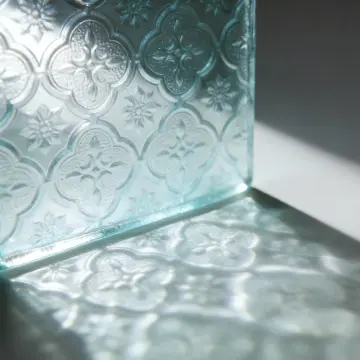
| Insulated Glass Using Glass Original Sheet Types | Glass original sheet, float glass, embossed glass, frosted glass, etc. |
| Insulated Glass Thickness | 4–9mm |
| Aluminum Frame Specifications | 6, 9, 12, 16, 20mm — special sizes can be customized |
| Hollow Glass Thickness | 14–48mm |
| Hollow Maximum Size | 3000 x 7000mm |
| Minimum Size | 450 x 280mm |
Frequently Asked Questions
Q
What is insulated glass and how does it work?
Insulated glass, also known as double or triple glazing, consists of two or more glass panes separated by a sealed space filled with air or inert gas (such as argon). This trapped layer acts as a thermal barrier, significantly reducing heat transfer between indoors and outdoors.
Q
How much energy can insulated glass save?
Insulated glass can reduce heating and cooling costs by up to 30% compared to standard single-pane glass. The exact savings depend on the climate, building design, and the type of insulated glass unit selected.
Q
What is the difference between double-pane and triple-pane insulated glass?
Double-pane glass has two glass layers with one insulating space, making it cost-effective and widely used. Triple-pane glass adds a third pane, creating two insulating spaces for superior thermal and acoustic performance — ideal for extreme climates or high-noise environments.
Q
Can insulated glass be customized to specific sizes?
Yes. Insulated glass can be manufactured in a wide range of sizes, from a minimum of 450 x 280mm up to a maximum of 3000 x 7000mm. Aluminum frame widths of 6, 9, 12, 16, and 20mm are available as standard, with special sizes available upon request.
Q
Is insulated glass suitable for transportation applications?
Absolutely. Insulated glass is widely used in trains, automobiles, and ships to maintain interior temperatures and reduce noise from external environments, improving passenger comfort and energy efficiency in transportation vehicles.
Q
What types of glass can be used in insulated glass units?
Insulated glass units can be made using a variety of glass types including standard glass original sheet, float glass, embossed glass, and frosted glass. This flexibility allows customers to choose the appearance and performance characteristics that best suit their project requirements.