


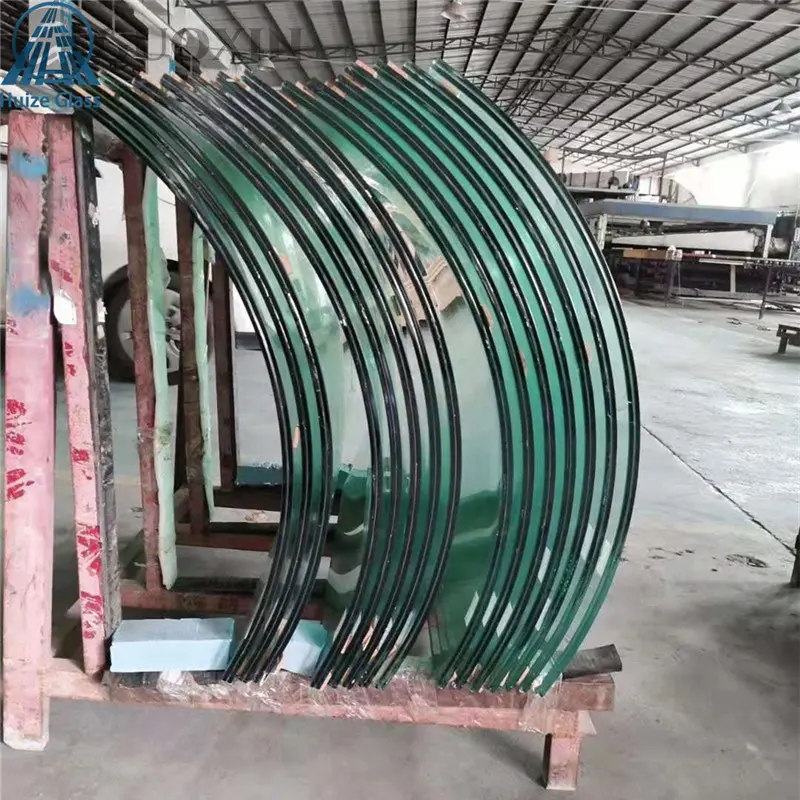
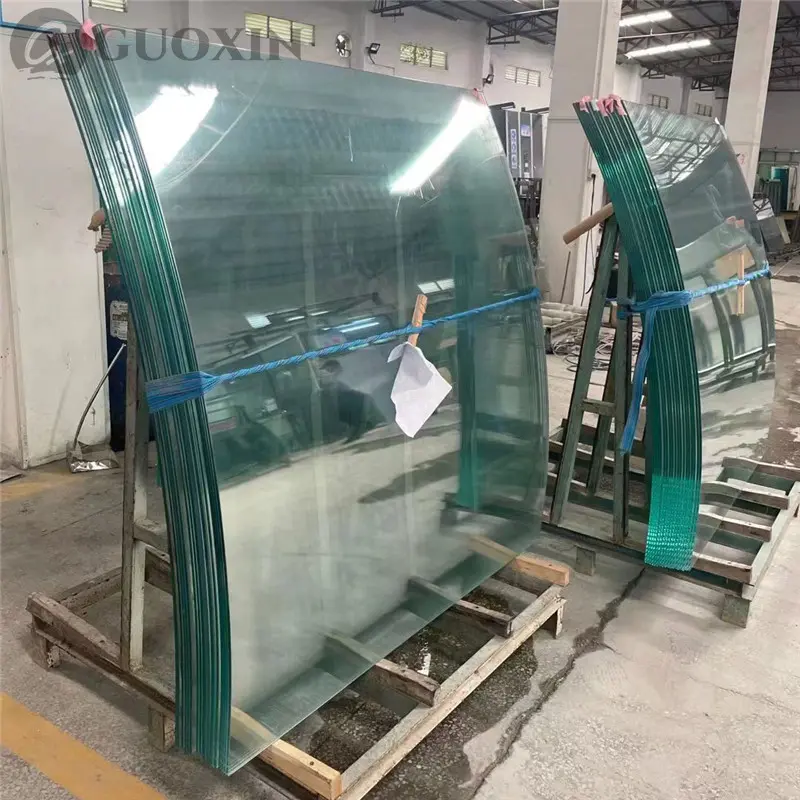
Curved Laminated Glass Suppliers and Factory in China - Safe, Durable, and Versatile Solutions
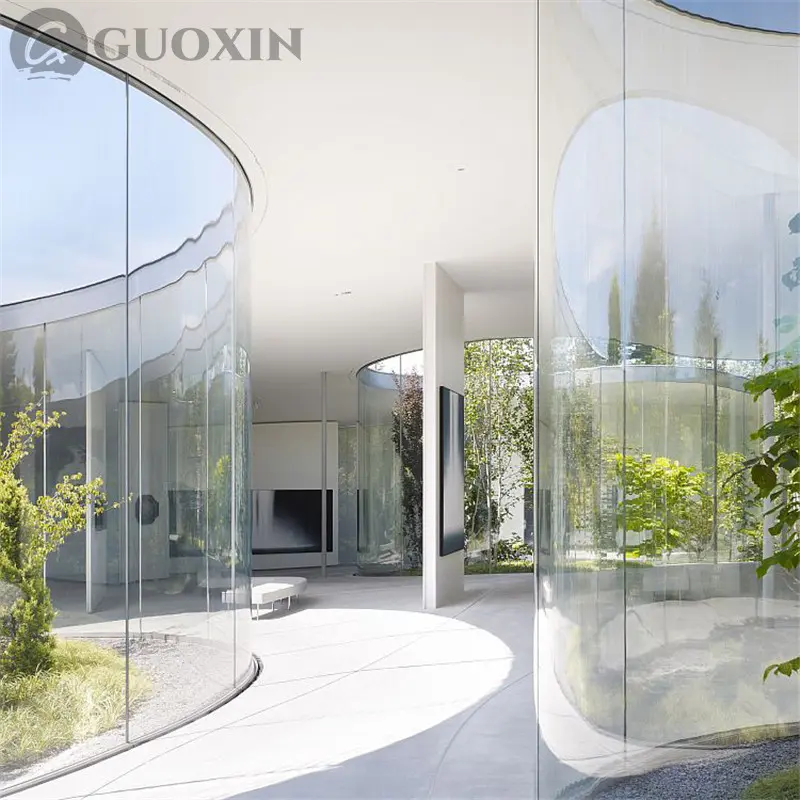
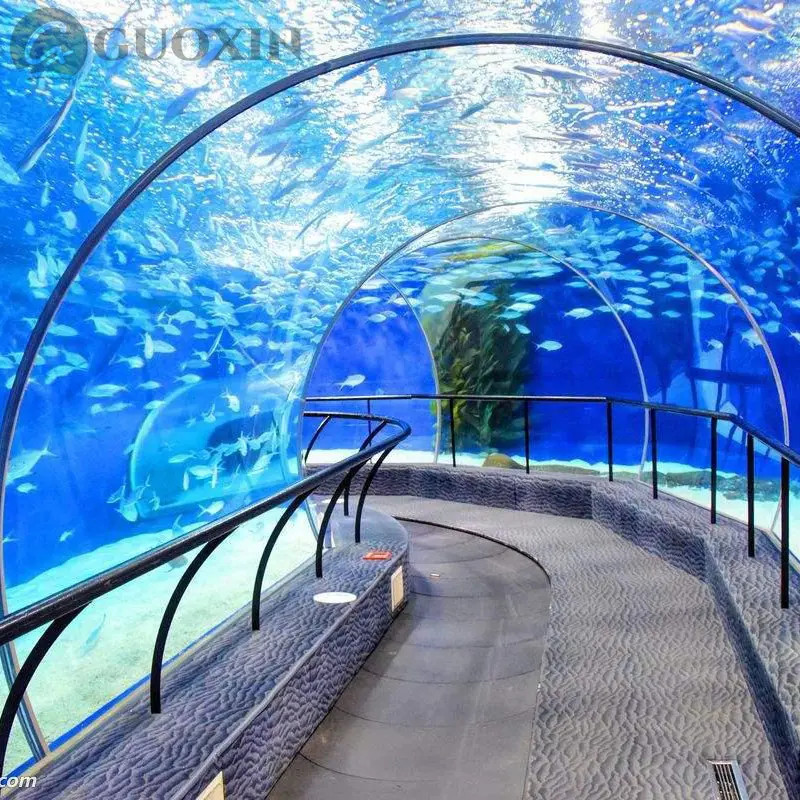
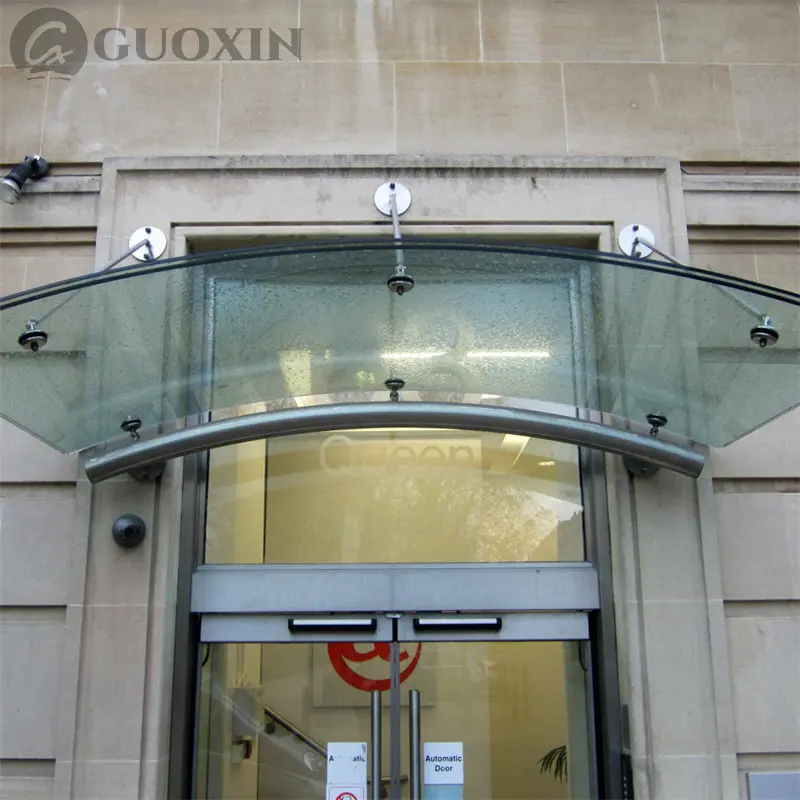
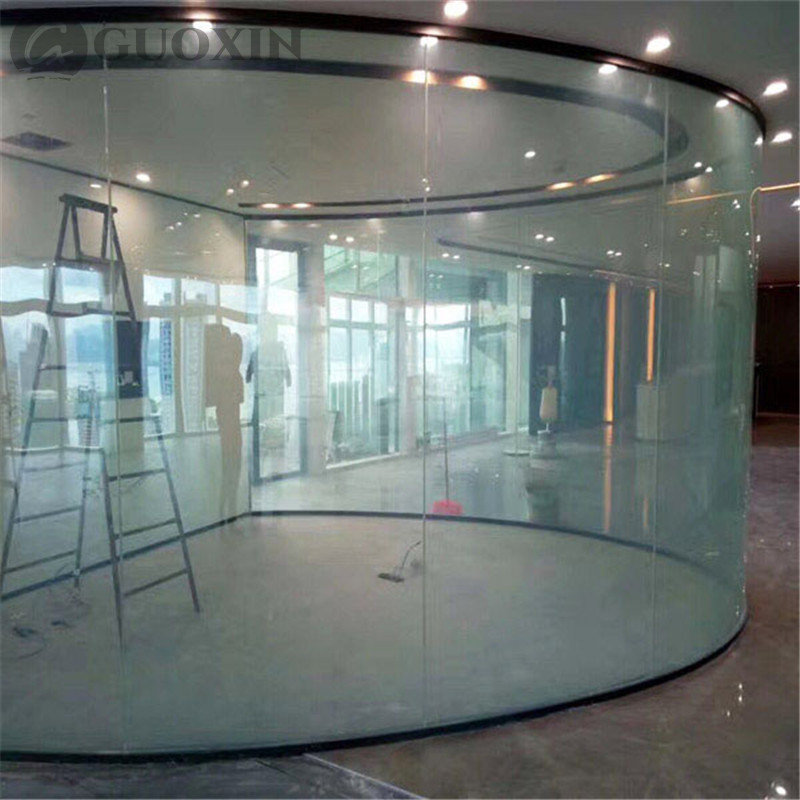
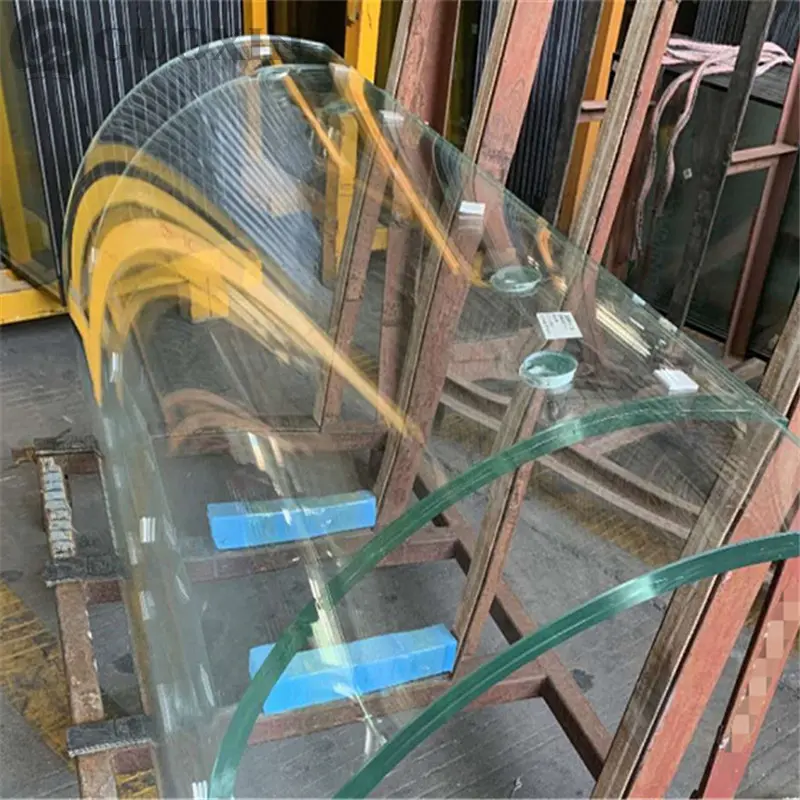
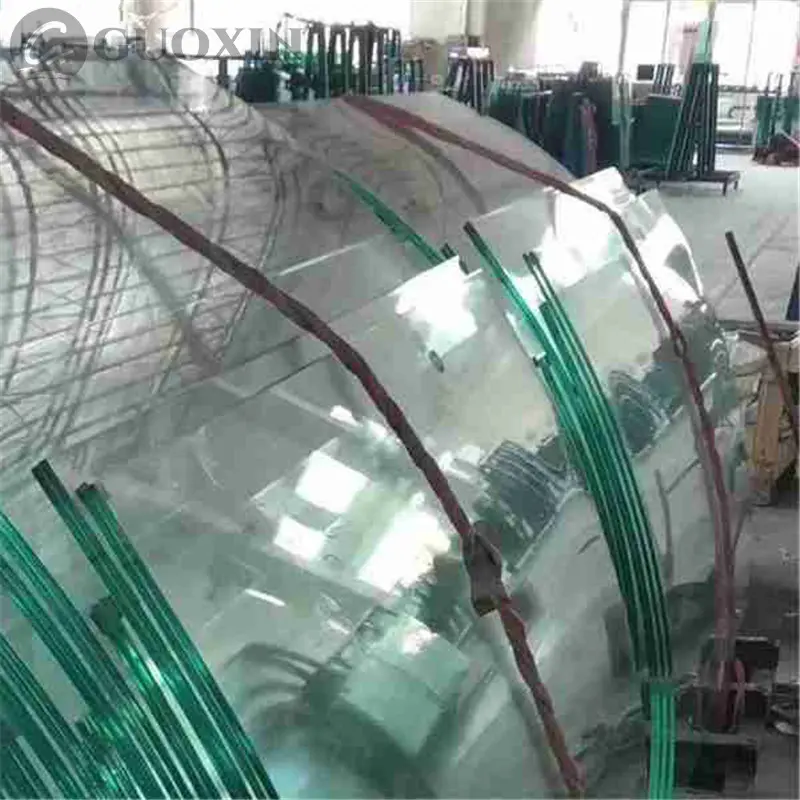
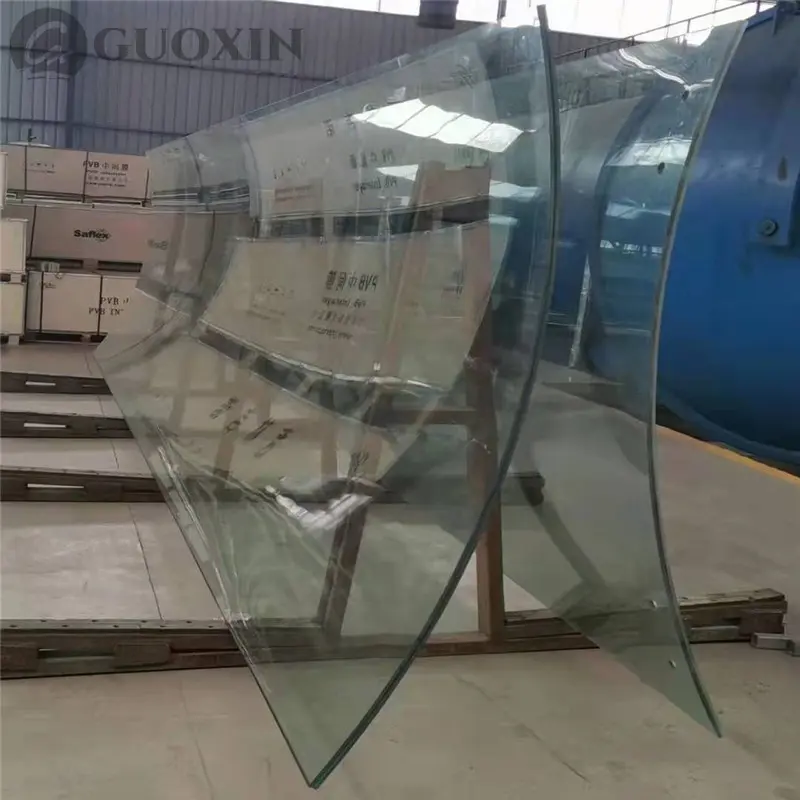
Curved laminated glass represents a groundbreaking innovation in architectural glazing, seamlessly combining the superior strength of tempered glass with the exceptional safety features of laminated interlayers. This advanced material offers unparalleled benefits for contemporary building designs, making it an increasingly popular choice among architects and designers worldwide.
Through the precise combination of quenching and laminating processes, curved laminated glass achieves remarkable strength that surpasses conventional flat glass by 5–8 times at same specifications. Its curved configuration naturally provides greater load-bearing capacity, making it ideal for expansive glass facades and cantilevered structures.
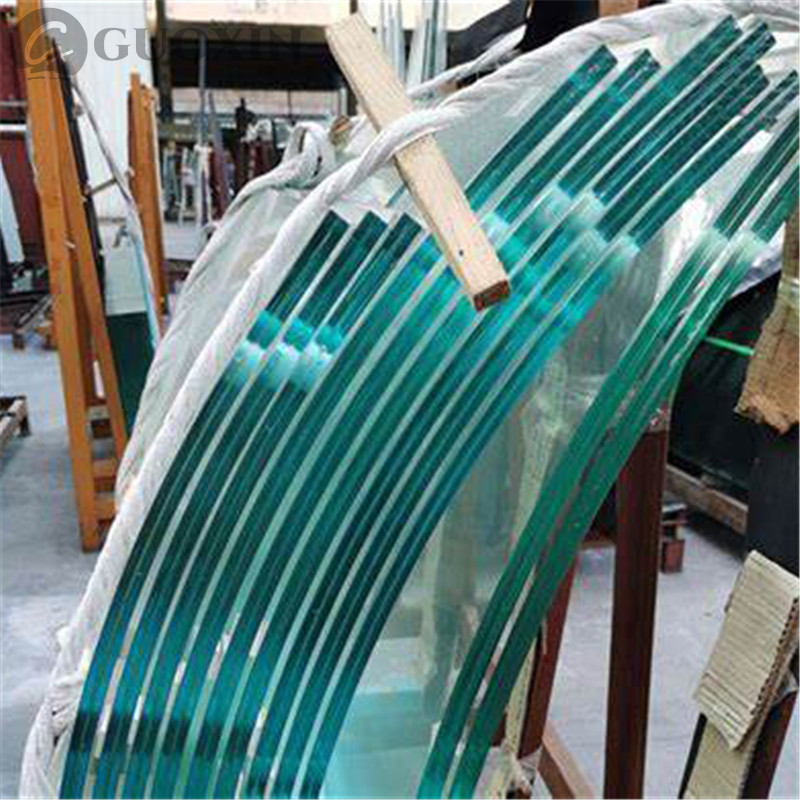
The PVB interlayer in curved laminated glass ensures that even when broken, glass fragments remain firmly bonded, eliminating dangerous shattering. This critical safety feature makes it perfect for skylights, glass walkways, and high-rise applications where fall protection is paramount.
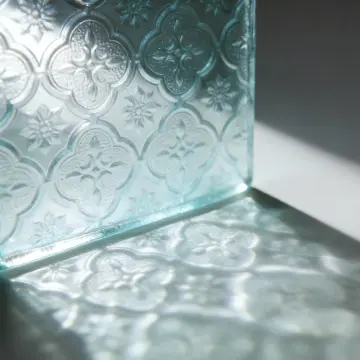
Available with bending radii from 800mm upwards, curved laminated glass can be customized to create stunning architectural features. The laminating process accommodates various interlayer options including colored, patterned, or even smart film interlayers for dynamic visual effects.
Engineered to withstand extreme temperature fluctuations (−40°C to 120°C), curved laminated glass maintains its structural integrity and optical clarity in diverse climatic conditions, outperforming standard curved glass solutions.
The vibration-damping properties of the PVB interlayer provide superior sound insulation (up to 50dB reduction), significantly enhancing acoustic comfort in urban environments and noise-sensitive applications.
Curved laminated glass blocks 99% of harmful UV radiation while maintaining high visible light transmission. When combined with low-emissivity coatings, it contributes substantially to a building's energy efficiency.
| Processing Thickness | 4mm ~ 19mm |
| Maximum Size | 3000mm x 6000mm |
| Minimum Size | 400mm x 600mm |
| Min Radius | 900mm for curved tempering process |
| Glass Color | Clear, ultra clear, grey, bronze, blue, green, etc. |
| Additional Process | Ceramic frit; coated; frosted; acid etched; etc. |
| Transmittance | 8% ~ 85% |
| Shape | Curved |
| Capacity | 2500 SQM / DAY |
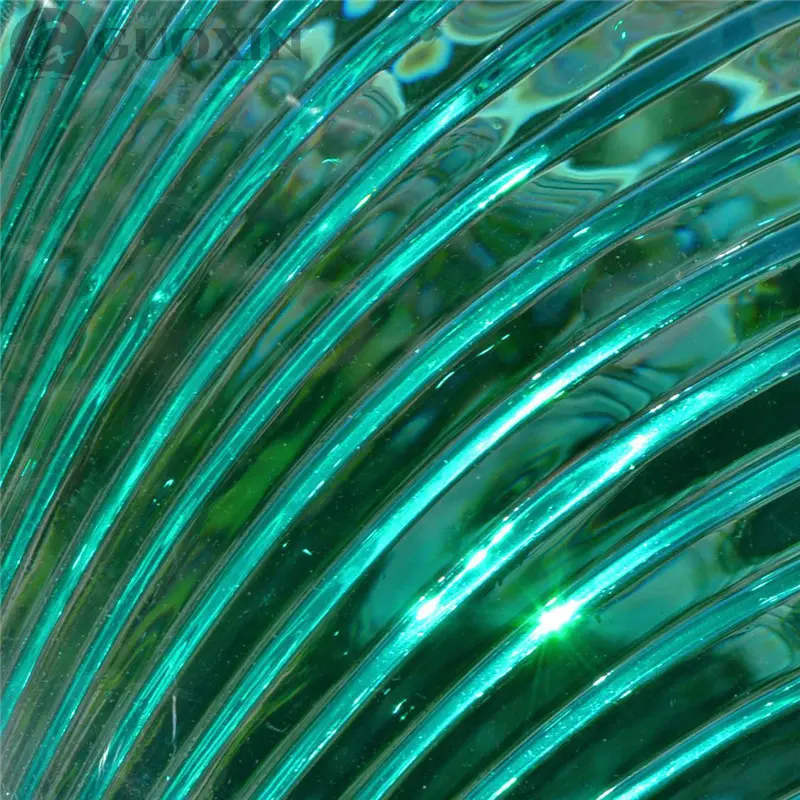
| Curved Glass Types | Curved tempered glass, curved laminated glass, curved insulated glass, curved low-e insulated glass, curved ceramic frit glass, curved fluted glass, curved PDLC glass, etc. |
Curved laminated glass is produced by bonding two or more curved glass panes together using a PVB (polyvinyl butyral) interlayer through heat and pressure. The glass is first bent into the desired curved shape via a tempering or heat-bending process, then laminated to achieve both structural strength and safety performance.
The minimum bending radius for curved laminated glass using the curved tempering process is 900mm. Custom radii from 800mm upwards can be accommodated depending on glass thickness and project requirements.
Yes. The PVB interlayer holds glass fragments in place upon breakage, preventing dangerous shattering and falling debris. This makes curved laminated glass an ideal choice for skylights, overhead glazing, glass walkways, and high-rise curtain wall systems where safety is critical.
Curved laminated glass is available in a wide range of colors including clear, ultra clear, grey, bronze, blue, and green. Additional processing options include ceramic frit printing, coated surfaces, frosted finishes, acid etching, and smart film interlayers for enhanced aesthetics and functionality.
Curved laminated glass blocks 99% of harmful UV radiation and, when combined with low-emissivity (Low-E) coatings, significantly reduces solar heat gain and heat loss. This helps lower HVAC energy consumption and contributes to green building certifications such as LEED.
The maximum size for curved laminated glass is 3000mm × 6000mm, while the minimum size is 400mm × 600mm. Processing thickness ranges from 4mm to 19mm, with a daily production capacity of up to 2,500 square meters to support large-scale architectural projects.