







Two-Way Mirror Glass | China Suppliers & Factory for Reflective and Transparent Applications
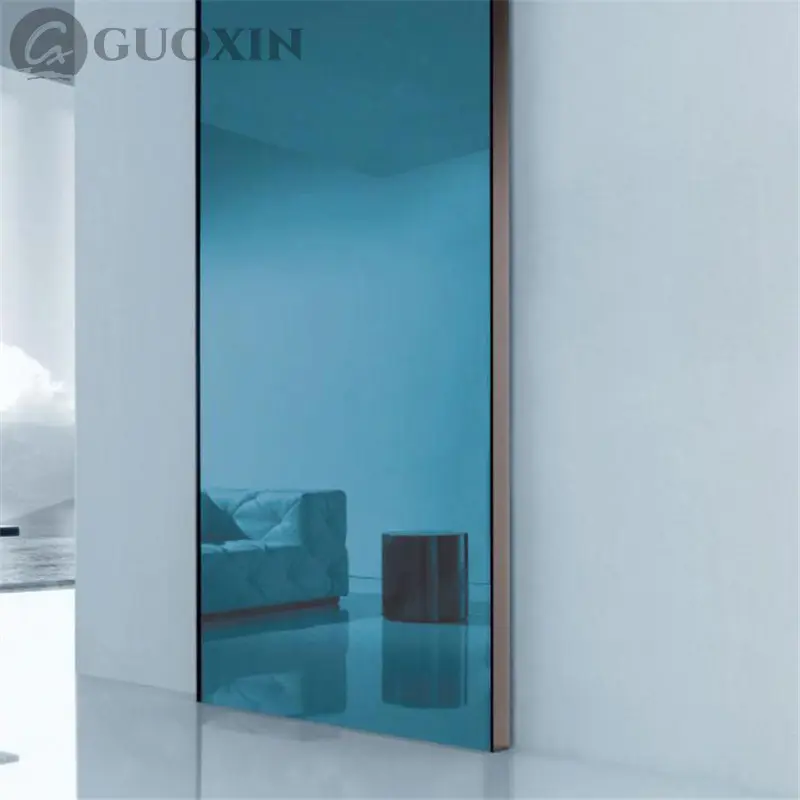
To make the product highly adaptable as a mirror across a wide range of applications, the key lies in adjusting the ratio of reflectance (R) to transmittance (T). Different projects have unique requirements, and this customizable R/T ratio allows the mirror to fit seamlessly into various settings, whether it's for interior design, optical devices, or industrial uses.
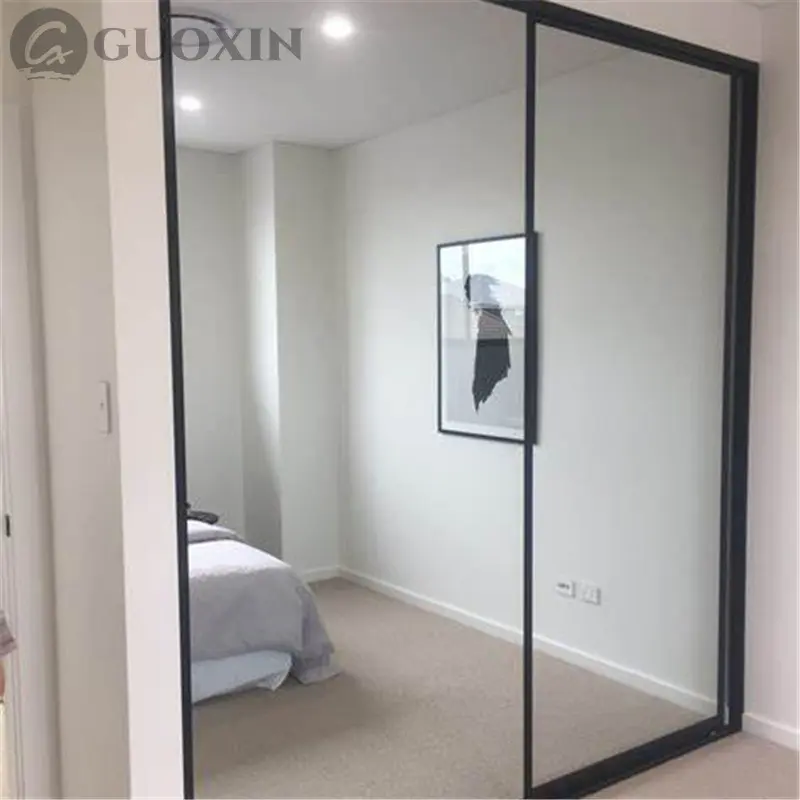
The ability to tailor the R/T ratio is a significant advantage. For example, in a situation where high reflectivity is crucial, such as in a dressing-room mirror where a clear and bright reflection is desired, an R/T ratio of 75%/25% can be set. This ensures that a large portion of the incident light is reflected back, providing a sharp image.
In some cases, a balance between reflection and transmission is necessary. An R/T ratio of 50%/50% can be ideal for applications like two-way mirrors in surveillance or interview rooms. It allows a certain amount of light to pass through while still providing a reflective surface, enabling both observation and a mirror-like function simultaneously.
For industrial or scientific purposes, an R/T ratio of 65%/35% might be suitable. This ratio can be used in optical instruments where a moderate level of reflection is needed along with some light transmission for internal measurements or calibration. The flexibility in adjusting the R/T ratio makes this mirror product a versatile solution for numerous complex and specialized projects.
Touch Smart Mirror (Non-Conductive Coated), touch screen, TV mirrors, mirror media touch screen etc.
| Reflectivity | 20%–80%, or customized |
| Thickness | 2mm to 6mm; 2mm 3mm 4mm 5mm 6mm |
| Max Size (Conductive Coating Mirror Type) | 1.2 x 1.65m, customized sizes |
| Max Size (Non-Conductive Coating Mirror Type) | 2.14 x 3.3m, customized sizes |
| Process | Can be made in tempered glass, laminated glass or silk screen glass |
| Edge Finishing | Round corner and round edge grinding |
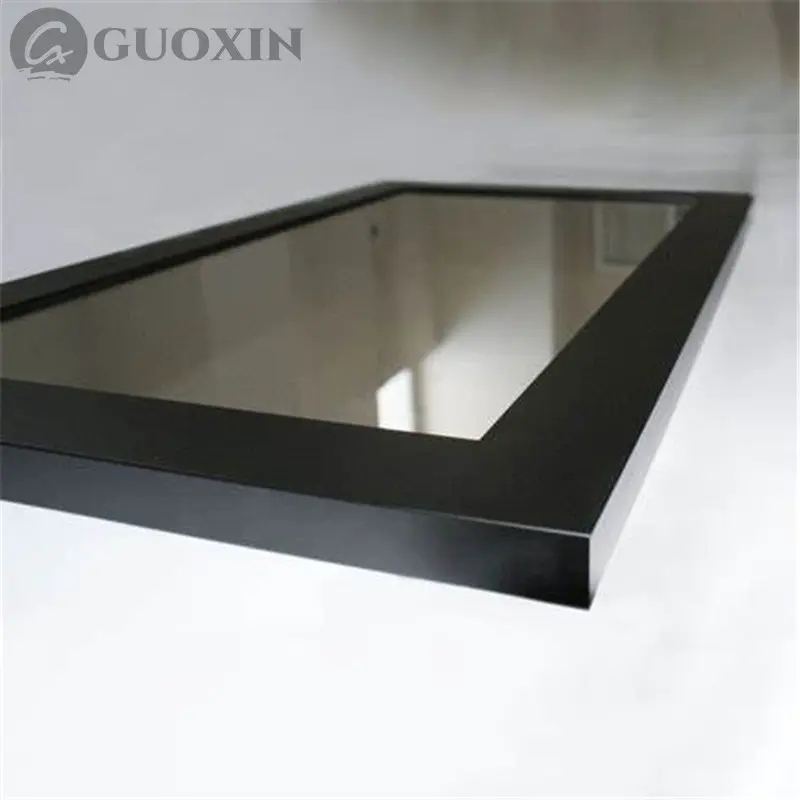
| Type | Silver half mirror and half ultra clear mirror |
The R/T ratio refers to the balance between reflectance (R) and transmittance (T) in mirror glass. It determines how much light is reflected versus how much passes through. Adjusting this ratio allows the glass to be tailored for specific applications such as smart mirrors, two-way mirrors, or optical instruments.
For applications requiring high reflectivity, such as dressing-room mirrors or TV mirrors, an R/T ratio of 75%/25% is typically recommended. This ensures a bright, clear reflection while still allowing some light transmission for display visibility.
Yes. A 50%/50% R/T ratio is ideal for two-way mirror applications in surveillance rooms, interview rooms, or observation areas. It provides both a reflective surface and sufficient light transmission for discreet observation from one side.
Mirror glass is available in thicknesses of 2mm, 3mm, 4mm, 5mm, and 6mm. The appropriate thickness depends on the application — thinner glass is suited for lightweight installations, while thicker options offer greater durability for industrial or structural uses.
Yes, custom sizes are available. The maximum size for conductive coating mirror types is 1.2 x 1.65m, while non-conductive coating mirror types can reach up to 2.14 x 3.3m. Both types support custom dimensions to meet project-specific requirements.
Mirror glass can be processed as tempered glass, laminated glass, or silk screen glass. Edge finishing options include round corner and round edge grinding, ensuring a safe and polished final product suitable for a variety of installation environments.