Best Fireproof Windows for Your Safety and Security Needs?
When it comes to safety and security, fireproof windows are a critical consideration. They protect your home against fire hazards while ensuring peace of mind. Fireproof windows can withstand extreme temperatures and prevent fire from spreading. This feature is vital for homes in fire-prone areas or regions with strict building codes.
Investing in fireproof windows is not merely about aesthetics. It requires understanding different materials and their performance. There are various options available, and choosing the right product may seem overwhelming. Each type has distinct benefits and shortcomings worth evaluating.
Homeowners often overlook this aspect of safety until it’s too late. The potential damage from a fire can be catastrophic. Therefore, knowing the best fireproof windows and their characteristics is essential. This guide will help you navigate the options available and make informed decisions for your home.
Understanding Fireproof Windows: Key Definitions and Features
When it comes to fire safety, fireproof windows play a crucial role. These specialized windows are designed to withstand high temperatures and resist fire spread. According to the National Fire Protection Association (NFPA), nearly 70% of fire-related fatalities occur in homes. Understanding key features of fireproof windows is essential to enhance safety and security.
Fireproof windows typically utilize tempered glass or multilayered laminated glass. These materials can endure intense heat, sometimes up to 1,200 degrees Fahrenheit. They create a barrier, preventing flames from entering your home, which can save lives during a fire. Such windows also reduce smoke infiltration, which is another significant cause of injuries. The durability of fireproof windows varies; some may not perform effectively if not tested properly.
Tips for choosing fireproof windows include assessing fire ratings. Look for windows with a minimum of a 30-minute fire rating for residential use. In addition, consider installation by certified professionals to ensure compliance with safety standards. Regular maintenance is also vital; check for cracks or deteriorations that could compromise safety. Investing time and effort into understanding fireproof windows can significantly impact your family's safety.
Best Fireproof Windows for Your Safety and Security Needs
This chart illustrates key features of fireproof windows, emphasizing their heat resistance, impact resistance, and fire rating. These factors are crucial for ensuring safety and security in case of emergencies.
Types of Fireproof Windows: Materials and Performance Ratings Explained
Fireproof windows are essential for safety in residential and commercial properties. They are designed to withstand extreme temperatures and prevent the spread of fire. Several materials are commonly used in making these windows. Tempered glass, for example, can endure high heat better than standard glass. Reports indicate it can withstand temperatures up to 2000°F for a brief period without shattering. This feature significantly enhances protection during a fire incident.
Another critical material is laminated glass. It consists of two glass layers with a polymer interlayer. This design improves insulation against heat and acts as a barrier to smoke and flames. Performance ratings, such as the ASTM E119, help evaluate their effectiveness. Windows with higher ratings provide better resistance for longer durations. However, the cost of these options can be substantial, which may lead some homeowners to compromise safety for budget constraints.
The installation of fireproof windows also requires professional expertise. Incorrect installation not only jeopardizes safety but also voids warranties. While many believe that simply purchasing fire-resistant materials is sufficient, the reality is more complex. Investing in well-rated windows and ensuring proper installation is vital, yet often overlooked. Performance under real fire conditions may also differ from laboratory tests. It's crucial to understand these nuances to make informed decisions for your safety.
Industry Standards: NFPA and ASTM Regulations on Fire-Resistant Windows
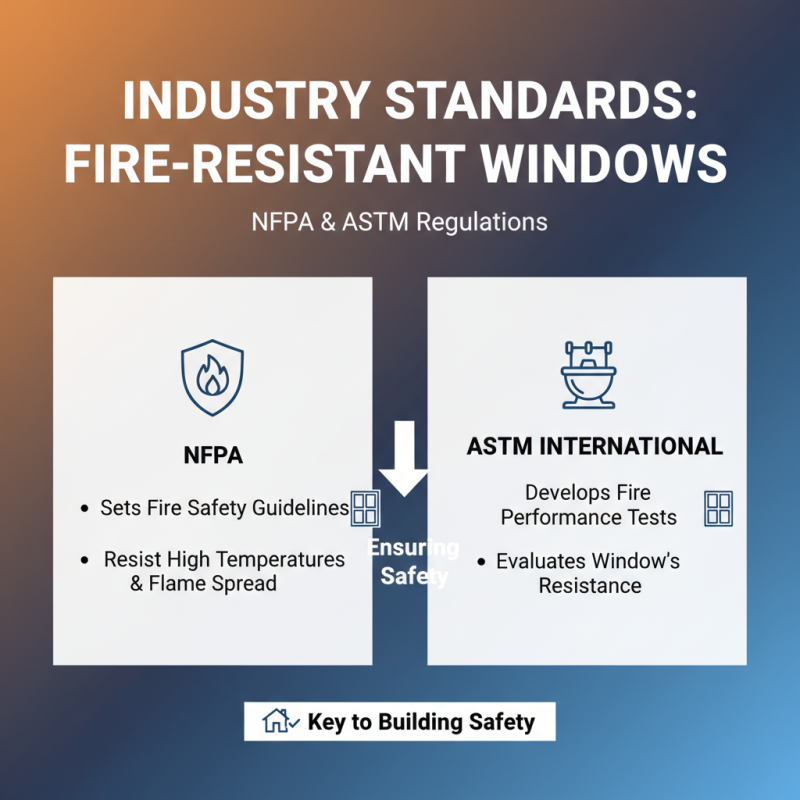
When considering fire-resistant windows, understanding industry standards is crucial. The National Fire Protection Association (NFPA) sets guidelines for fire safety. These standards ensure that windows can withstand high temperatures and resist flame spread. ASTM International develops the tests that evaluate a window's performance in case of fire. Both organizations play key roles in fire safety.
Fire-resistant windows are categorized based on their performance ratings. Ratings indicate how long they can resist fire and heat. For example, a 60-minute rating means it can withstand fire for that duration. This aspect is vital for building safety. Homeowners should assess if their property meets local fire codes. Often, this involves checking compliance with NFPA and ASTM standards.
However, not all fire-resistant windows are the same. Consumers must understand their specific needs. Simply focusing on ratings may overlook other factors, such as installation and maintenance practices. A poorly installed window may not perform as intended during a fire. This reality highlights the importance of professional installation and regular inspections. Understanding these regulations helps in making informed decisions, enhancing safety and security in residential or commercial properties.
Comparative Analysis: Cost vs. Benefits of Fireproof Windows in Buildings
When considering fireproof windows, it's essential to weigh costs against benefits. Fireproof windows provide vital protection in emergencies, preventing flames from spreading rapidly. They can help contain fires, often resulting in reduced damage to property and potentially saving lives.
The initial investment in fireproof windows can be higher than standard options. However, the long-term benefits may justify this cost. They improve safety, reduce insurance premiums, and enhance property value. An assessment of how often such safety measures are needed could vary. For instance, locations prone to wildfires may see greater urgency for these installations.
However, not all fireproof windows are created equal. Variability in features, insulation efficiency, and installation quality can affect their overall performance. It’s crucial to conduct thorough research and possibly consult with professionals. Weighing options will help make an informed decision. Ultimately, fireproof windows could be a prudent choice for many structures. But this choice requires careful evaluation of specific needs against financial capabilities.
Best Fireproof Windows for Your Safety and Security Needs? - Comparative Analysis: Cost vs. Benefits of Fireproof Windows in Buildings
| Window Type |
Fire Resistance Rating (hrs) |
Cost per Sq. Ft. ($) |
Insulation Value (R-Value) |
Warranty Period (years) |
Benefits |
| Tempered Glass |
1-2 |
25 |
2-3 |
5 |
Shatter-resistant, energy efficient |
| Fire-Resistant Glass |
2-3 |
30 |
4-5 |
10 |
High thermal efficiency, offers security |
| Polycarbonate Windows |
1-2 |
20 |
2-3 |
5 |
Lightweight, impact-resistant |
| Intumescent Film Windows |
3-4 |
35 |
5-6 |
15 |
Active fire protection, sound insulation |
| Triple-Pane Fireproof Windows |
4-5 |
50 |
7-8 |
20 |
Superior thermal insulation, high durability |
Installation Best Practices: Ensuring Maximum Fire Safety with Windows
When considering fire safety, the installation of fireproof windows is crucial. Proper installation can greatly enhance your building's ability to withstand fire. According to the National Fire Protection Association, around 3,000 Americans die from home fires annually. Ensuring your windows meet safety standards can save lives.
To maximize fire safety, consider the materials used during installation. Fire-rated windows typically consist of tempered glass encased in a frame of steel or fiberglass. A report from the International Code Council highlights that installing proper sealing and fire-resistant barriers is essential. These elements help prevent smoke and flames from spreading.
Regular inspections are vital. Many people overlook maintenance, which can lead to compromised safety features over time. A recent study found that nearly 60% of fire-resistance failures are due to improper installation or lack of upkeep. Make sure to review the installation process carefully and ensure the choice of materials aligns with fire safety standards. Keeping your windows in optimal condition is not just about aesthetics; it’s about safeguarding lives.