2026 Best UV Protection Glass Solutions for Global Buyers?
In the quest for optimal UV protection, the importance of UV Protection Glass has gained significant attention. This specialized glass is not just a luxury; it is becoming a necessity in various sectors. From commercial buildings to residential homes, the demand for effective UV protection is on the rise. As global buyers look for reliable solutions, understanding the options available is crucial.
With advancements in technology, manufacturers are continuously improving UV Protection Glass products. These innovations contribute to better durability, enhanced clarity, and increased resistance to harsh weather. It is essential for buyers to consider the specifications that suit their particular needs. However, not all products perform equally, and some may not deliver the promised benefits.
A reliable understanding of UV Protection Glass solutions will empower buyers to make informed choices. Evaluating options based on real-world performance can prevent costly mistakes. Factors like coatings, thickness, and transparency play essential roles in effectiveness. As we explore the landscape of UV Protection Glass, let's delve into accessible and practical solutions available in 2026.
Overview of UV Protection Glass: Importance and Benefits
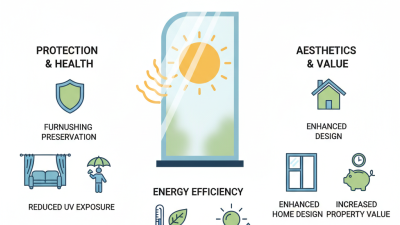
UV protection glass plays a crucial role in safeguarding our health and enhancing the durability of interiors. According to a report by the American National Standards Institute (ANSI), UV radiation exposure can lead to skin cancer and other serious health issues. It is estimated that 90% of non-melanoma skin cancers are associated with UV radiation. This emphasizes the need for effective UV protective solutions in both residential and commercial applications.
Beyond health concerns, UV protection glass offers significant benefits for furnishings and artwork. A study by the International Association of Lighting Designers (IALD) revealed that UV exposure can fade and damage textiles and pigments in just a few months. This highlights the importance of using UV protective glass to maintain the aesthetic quality and longevity of valuable items.
As consumers become more conscious of UV safety, demand for high-quality UV protection glass is rising. The global market for UV filters is projected to grow significantly, reflecting this awareness. While many products claim to offer UV protection, it’s essential to seek reliable data and certifications to ensure effectiveness. The challenge lies in identifying solutions that truly meet safety standards and provide the longevity expected by consumers.
Types of UV Protection Glass Available in the Market
UV protection glass comes in various types, catering to different needs and preferences. One popular option is laminated glass. It consists of layers of glass and a clear plastic interlayer. This combination offers excellent UV filtering while enhancing safety. Laminated glass can block up to 99% of harmful rays. It's ideal for homes, offices, and vehicles.
Tempered glass is another choice. This glass undergoes heat treatment to increase its strength. It can handle temperature fluctuations and impact better than standard glass. Though it doesn’t provide as much UV protection as laminated glass, it serves well in sunrooms and skylights.
Another emerging type is low-emissivity (low-E) glass, which reflects heat but allows natural light. It’s becoming popular for energy-efficient buildings. While its UV filtration is effective, it may not suit every situation. Choosing the right type often requires careful consideration of specific needs and environmental factors. Each option has strengths and weaknesses. Exploring these can lead to better decision-making for both functionality and aesthetics.
2026 Best UV Protection Glass Solutions for Global Buyers
This chart displays the various types of UV protection glass solutions available in the market based on their popularity and effectiveness. The data represents the percentage of users who rated each type as their preferred option.
Key Features to Consider When Choosing UV Protection Glass
When selecting UV protection glass, understanding its key features is crucial. One of the essential factors is the glass’s UV blocking ability. Reports indicate that the best UV protection glass can block up to 99% of harmful UVA and UVB rays. This is vital for preventing skin damage and fading of interior furnishings.
Another important consideration is the thickness of the glass. Thicker glass often provides better protection and durability. Experts suggest that glass with a thickness of at least 6 mm significantly improves UV resistance. Additionally, coatings can enhance performance. Some glass products come with special coatings that increase UV filtration while maintaining clarity and aesthetic appeal.
However, not all UV protection glass is created equal. Buyers should be cautious of misleading claims. Many products may advertise UV protection without data to back it up. Ensuring that the glass complies with international safety standards is essential. Reading up-to-date industry reports can give insights into reliable manufacturers. As a buyer, understanding these features can guide you towards making informed decisions.
2026 Best UV Protection Glass Solutions for Global Buyers
| Glass Type |
UV Protection Level |
Clarity |
Durability |
Price Range |
Applications |
| Tempered Glass |
99% |
High |
Excellent |
$50 - $100 |
Windows, Facades |
| Laminated Glass |
95% |
Crystal Clear |
Good |
$70 - $150 |
Safety, Skylights |
| Low-E Glass |
85% |
Moderate |
Very Good |
$80 - $200 |
Energy Efficiency, Windows |
| Photochromic Glass |
98% |
High |
Excellent |
$120 - $250 |
Eyewear, Skylights |
| Tinted Glass |
90% |
Good |
Moderate |
$40 - $90 |
Automotive, Residential |
Top Manufacturers of UV Protection Glass Solutions for 2026
In the upcoming year, 2026, the demand for UV protection glass solutions is expected to rise significantly. Global manufacturers are focusing on creating advanced products that provide superior UV resistance. According to a recent market report, the UV protection glass market is projected to grow at a CAGR of 5.2% from 2023 to 2026. This growth is driven by increased awareness of sun-related skin damage and the need for effective sun protection.
Key manufacturers are prioritizing innovation. Strategies include using high-performance coatings and enhanced durability treatments. These solutions not only block UV rays but also improve clarity and strength. However, as technology evolves, challenges such as production costs and environmental impact must be addressed. The reliance on specific raw materials can also create fluctuations in availability.
Tips: When selecting UV protection glass, consider the certifications that guarantee effectiveness. Look for solutions that balance performance and sustainability. Regularly assess your requirements to ensure you choose the right product for your needs. With the right approach and information, buyers can navigate this complex market confidently.
Future Trends in UV Technology and Glass Innovations
The evolution of UV technology is rapidly transforming the glass industry. Recent studies indicate that the global UV protection glass market is projected to reach $6.89 billion by 2026, expanding at a CAGR of 6.5%. Innovations in glass manufacturing aim to enhance the efficacy of UV filters and coatings. These advancements also prioritize aesthetics, creating glass that not only protects but also complements architectural designs.
Future trends highlight the integration of nanotechnology in glass production. This new approach involves embedding nanoparticles into glass, allowing for superior UV filtration while maintaining transparency. A report from the Glass Research Institute emphasizes that this technique can reduce UV transmission by up to 98%. However, the challenge remains in balancing effectiveness with cost and production scalability.
Tips for buyers include researching materials that offer both UV protection and durability. Look for third-party certifications that attest to glass performance. Always consider the environmental impact of production methods. Opting for sustainable glass solutions can lead to long-term benefits for both buyers and the planet.