How to Choose the Best Mirror Wall for Your Home Decor?
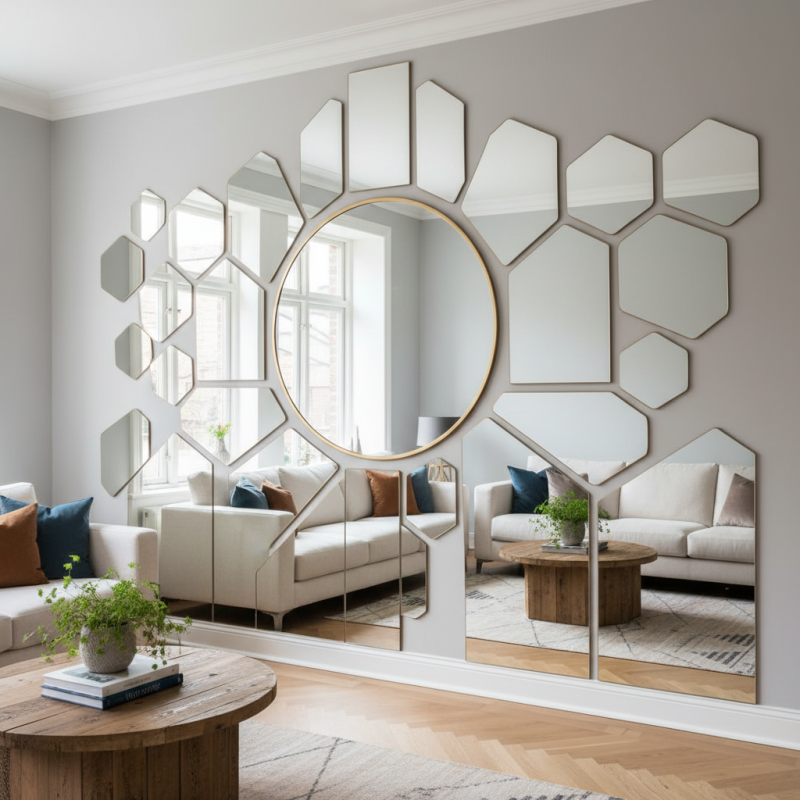
A well-chosen Mirror Wall can transform your home’s ambiance. It serves both functional and aesthetic purposes. Mirrors reflect light and create an illusion of space. This makes even smaller rooms feel larger and brighter.
When selecting a Mirror Wall, consider your home decor style. Modern, rustic, or eclectic styles each call for different designs. The size and shape of the mirror also matter. A large, round mirror can serve as a focal point. Meanwhile, a series of smaller mirrors can create visual interest.
Choosing the right Mirror Wall is not easy. There are many aspects to think about. Reflect on your room’s color scheme and lighting. Your lifestyle and the practicality of maintenance can’t be overlooked. A Mirror Wall should not just look good but also meet your daily needs. Reflect on these tips before making your choice. Your perfect mirror awaits.
Understanding Different Types of Mirrors Used in Home Decor
When selecting mirrors for your home decor, it’s important to understand the different types available. Mirrors are not just functional; they enhance aesthetics and provide depth. A classic wall mirror offers simplicity. It can serve as a focal point in a room. Decorative mirrors, however, come in varied shapes and frames. They add character and draw attention.
Tips for choosing mirrors include considering the room's size. Large mirrors can make small spaces feel airy. Conversely, smaller mirrors can suit a cozy feel. Pay attention to the frame style, too. A vintage frame might not blend with a modern decor. Reflect on how you want the mirror to enhance your space.
Another type is the full-length mirror. This is ideal for bedrooms and dressing areas. It provides functionality for outfits. However, study their placement as they should reflect light effectively. Lastly, mirrored furniture offers uniqueness. It can elevate your decor but requires careful maintenance. Reflections can reveal dust and fingerprints easily. Regular cleaning ensures they maintain their charm.
Factors to Consider When Choosing the Right Size for Your Mirror Wall
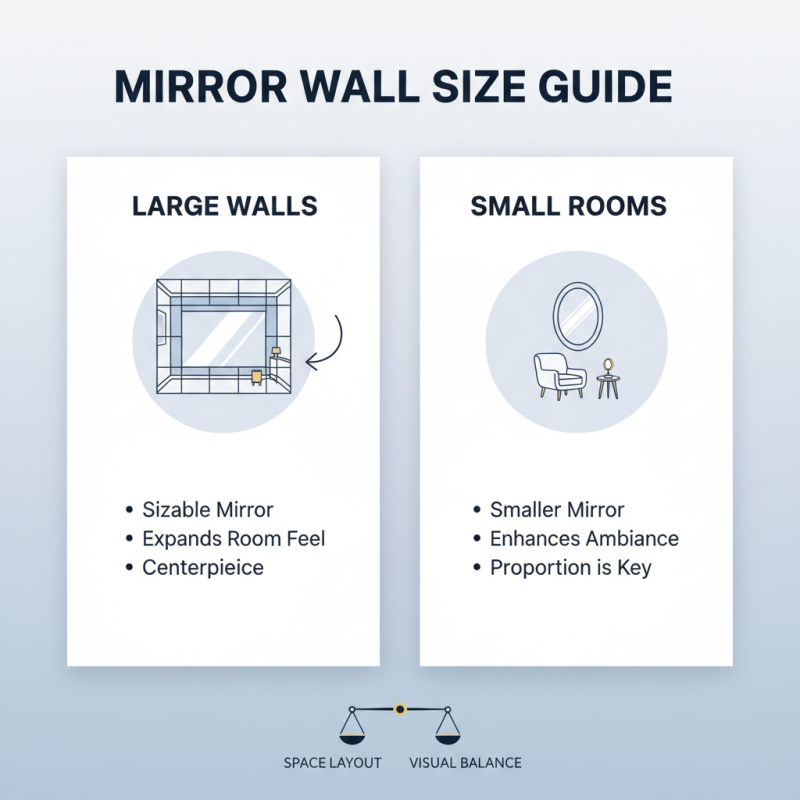
When it comes to choosing the right size for your mirror wall, consider the space layout. A large, empty wall can benefit from a sizable mirror, making the room feel more spacious. Conversely, in smaller rooms, a smaller mirror may enhance the ambiance without overwhelming the space. Finding the right proportion is key.
Think about the furniture placement too. A mirror should complement the existing decor, not clash with it. For instance, if your furniture is low, a taller mirror can create a sense of height. Using mirrors to reflect light can give the illusion of a brighter room. Remember, balance matters. Too many mirrors can create chaos; aim for harmony.
Testing different sizes can be enlightening. You might find that a mirror that seemed too big actually fits beautifully. Try using painter’s tape to outline the dimensions on the wall before making a decision. This method provides a visual guide. Reflect on these aspects to make an informed choice that enhances your home’s style.
How Mirror Placement Can Affect Room Lighting and Perception of Space
Mirror placement can dramatically alter the lighting and spatial perception in a room. A well-placed mirror can reflect natural light, making spaces feel brighter and airier. For instance, positioning a mirror across from a window maximizes light flow, which can uplift the entire ambiance. Consider the height and angle of your mirrors. An improper height might not capture the optimal light, leaving the room feeling dim.
On the other hand, using large mirrors in small spaces requires careful thought. A massive mirror can create a sense of depth, but it can also overwhelm. Too much reflection may make a cozy room feel chaotic. Think about the furniture layout and how it interacts with the mirror. Reflecting clutter can detract from a calm atmosphere.
Choosing the right mirror isn’t just about aesthetics; it’s about function and balance. Experiment with different placements and observe how they affect your perception of space. It's essential to reflect on what each positioning evokes in the environment. A little trial and error helps in finding the perfect spot, enhancing both lighting and the overall vibe of your home.
How to Choose the Best Mirror Wall for Your Home Decor?
| Dimension |
Description |
Impact on Room |
Ideal Placement |
| Size |
Determines how much light and visual space the mirror can reflect. |
Affects the room's openness and brightness. |
Large mirrors work best in small rooms. |
| Shape |
Different shapes (round, square, oval) can alter style perceptions. |
Can create a focal point or soften harsh angles. |
Round mirrors suit softer aesthetics, while square offers modern vibes. |
| Frame Style |
Frames come in various materials (wood, metal) and designs. |
Enhances or contrasts decor style. |
Minimalist frames for modern, ornate for classical styles. |
| Placement |
Where the mirror is hung or placed in the room. |
Influences light distribution and perceived space. |
Opposite windows to maximize light; above furniture for style. |
| Color |
The color of the mirror frame or the wall behind it. |
Can affect mood and lighting quality in the room. |
Light-colored frames brighten spaces, dark frames can add depth. |
Design Styles for Mirror Walls: Modern, Classic, and Eclectic Options
When considering mirror walls, the design style is crucial. Modern mirror walls emphasize sleek lines and minimalism. These mirrors often feature geometric shapes and frameless designs. The goal is to create an illusion of space. According to a recent survey, 45% of homeowners prefer contemporary aesthetics. They report that modern designs make their spaces feel larger and airier.
Classic mirror walls are characterized by ornate frames and vintage styles. Intricate details can add elegance to a room. About 30% of decorators suggest using these styles in traditional homes. These mirrors evoke nostalgia and warmth. The risk here is overdoing the decorations. If not balanced, these mirrors can make a space feel crowded.
Eclectic options blend various styles, showcasing personality. This approach allows for creativity and uniqueness. A study notes that 25% of interior designers favor eclectic designs. However, mixing too many elements can lead to chaos. Finding harmony is essential for a successful outcome. Each design choice should enhance the overall aesthetic without overwhelming it.
Mirror Wall Design Styles Popularity
Maintenance Tips and Techniques for Keeping Your Mirror Wall Pristine
A mirror wall can elevate your home decor significantly. However, keeping it pristine requires attention. According to the Home Improvement Research Institute, homeowners spend about 30% more on upkeep for decorative features. Maintaining the brilliance of your mirror wall is crucial.
Start by dusting your mirror wall regularly. Use a microfiber cloth to avoid scratches. Experts suggest avoiding abrasive materials. A simple solution of vinegar and water works wonders for cleaning. Do this monthly to prevent buildup. Are you managing fingerprints and smudges? Consider using a squeegee after every clean. This simple tool can keep your mirrors clear and shiny.
Evaluate your lighting as well. Bright, direct light can exaggerate imperfections and dirt. Installing dimmer shades can help minimize these issues. Remember, mirrors reflect everything, including dust. It's easy to overlook, but reflection matters. Stay aware of your cleaning routine. Ultimately, maintaining a mirror wall is a balance of cleanliness and practicality.