How to Choose Curved Glass Coffee Tables?
Choosing Curved Glass Coffee Tables is about more than finding a shape you like. The right table should fit your seating, leave clear walking space, and feel stable in daily use. A rounded edge can soften a room’s look and make movement around the table feel easier. It does not automatically make a table safer, though. Glass still needs careful handling.
Start with a tape measure. Note the sofa’s seat height, the gap between seats, and the walking route through the room. A tabletop that looks modest in a showroom can dominate a compact living area. Check the listed dimensions against your own layout, including the base, not just the glass top. Then review the glass type, edge finish, frame material, and the maker’s stated weight capacity. Tempered glass is designed to break differently from standard glass, but it is not unbreakable. A solid, level base matters too.
Style deserves attention, but so does upkeep. Fingerprints show quickly on clear glass, while tinted or textured surfaces may suit busy households better. Consider whether the table’s curves complement nearby furniture or create an awkward gap beside the sofa. Small details count. This guide will help you compare sizes, shapes, materials, stability, and care needs before buying. Even careful measuring can mislead when a room is crowded; if possible, mark the tabletop’s outline on the floor and live with it for a day. That simple test may reveal something a product photo cannot.
Identify the Types and Features of Curved Glass Coffee Tables
How to Choose Curved Glass Coffee Tables?
Identify the Types and Features of Curved Glass Coffee Tables
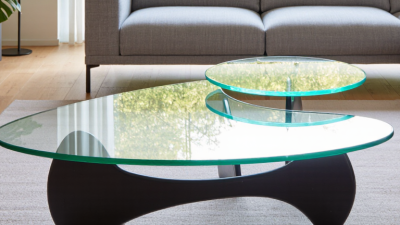
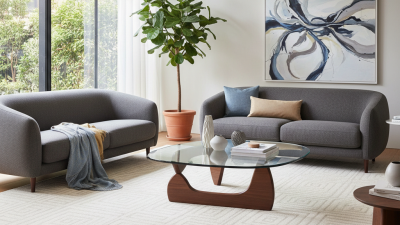
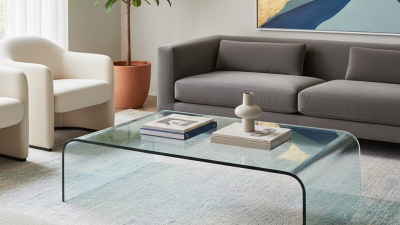
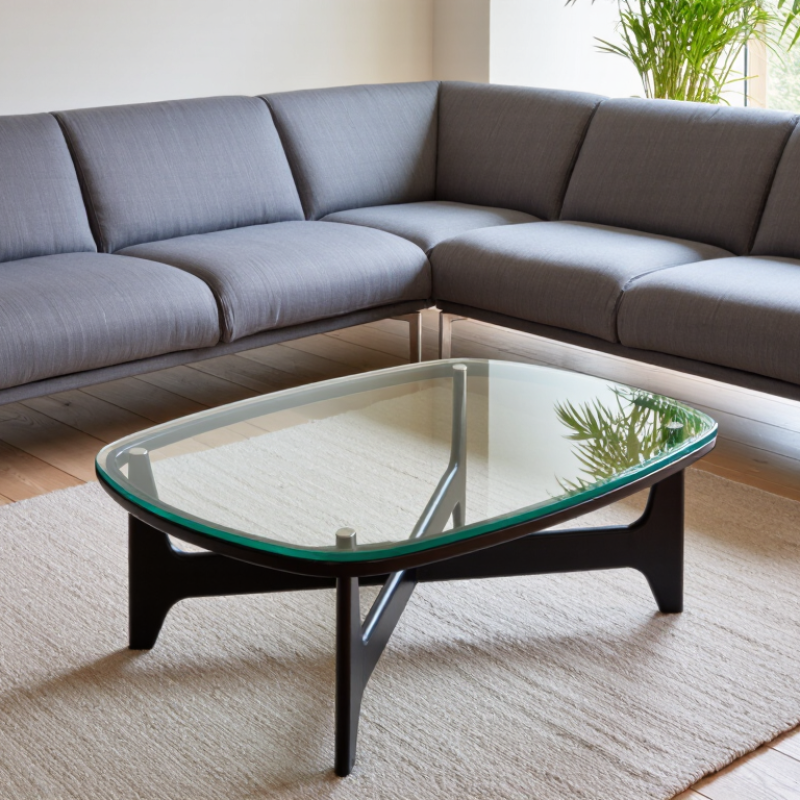
Curved glass coffee tables come in several forms. A round table suits compact seating areas, while an oval design offers more surface space without sharp corners. Some have a single bent-glass base; others pair a glass top with wood or metal legs. Look closely at the edges. Smooth, finished edges feel comfortable to the touch and are less likely to catch on clothing. Tempered glass is a practical choice because it is stronger than ordinary glass and, if damaged, breaks into smaller pieces.
Tips: Measure your sofa and walking space before choosing. Leave about 30 to 45 centimeters between the table and seating, if the room allows. Check the listed height, too. A table that looks elegant can still feel awkward beside a low sofa.
Consider the base as carefully as the top. A broad pedestal can feel stable, while slender legs create a lighter look but may shift on uneven floors. Glass shows fingerprints, dust, and water rings quickly; a pale, textured rug can make smudges less obvious, though it will not prevent them. Ask how much weight the table supports and whether its base needs special care. A detail I might overlook at first is the underside: exposed hardware can collect dust. Small things matter.
How to Choose a Curved Glass Coffee Table
Compare the estimated tabletop area of four common curved-edge shapes. Larger surface area can provide more room, while the best shape depends on your seating layout and available floor space.
Illustrative dimensions: round, 36-inch diameter; oval, 48 × 30 inches; capsule, 48 × 30 inches overall; rounded rectangle, 48 × 30 inches with 6-inch corner radii. Areas are calculated from these dimensions and are examples, not product averages.
Measure Your Space and Determine the Table’s Intended Use
How to Choose Curved Glass Coffee Tables?
Measure Your Space and Determine the Table’s Intended Use
Start by measuring the seating area, not just the empty floor. Note the sofa’s length, nearby chairs, and the distance to walkways. A gap of about 14 to 18 inches between the sofa and table usually allows comfortable reach. Check the table’s height against the sofa seat; a similar height or one slightly lower often feels practical. Mark the table’s outline on the floor with painter’s tape. It makes proportions easier to judge. Measurements can still feel different in a real room.
Tips: Measure doorways and elevator openings too. Keep the tape measure handy, and check your numbers twice.
Think about what the table will do each day. For drinks, books, and a remote, choose a top with enough usable surface area. If it will mainly display objects, a smaller design may leave more open floor space. Curved glass can help a room feel less boxy, but it still needs clear space around its edges. Consider who uses the room and where people usually walk. I once underestimated how much a low table interrupted a narrow path; the floor plan looked fine, but daily movement did not. Before buying, compare the taped outline with your usual routes through the room.
Choose a Suitable Shape, Size, and Height
A curved glass coffee table can soften a room filled with straight sofa arms and square rugs. Choose its shape to match how people move through the space. In a narrow room, an oval or softly rounded table leaves fewer sharp corners along the walkway. A round design suits a compact seating group, while a longer curved shape can sit neatly in front of a sofa. Leave enough visible floor around it; glass can feel visually light, but the table still takes up real space.
Measure the gap between the sofa and table before shopping. Aim for roughly 35 to 45 centimeters, so reaching for a cup feels comfortable without blocking movement. The tabletop often works best near the sofa seat height, or slightly lower. Check this with the cushions compressed, since soft seats can sink more than expected. A table may look perfect in a showroom and feel awkward at home. I have seen people focus on the glass curve and overlook the base, which can limit legroom.
Tips
Tape the table’s outline on the floor to test its footprint. Compare its height with your sofa arm and seat. If children or pets use the room, consider rounded edges and a stable base. Small details matter. In practice, the best fit may not be the most dramatic one.
Compare Glass Safety, Frame Materials, and Table Stability
When choosing a curved glass coffee table, check the glass type and edge finish, not just its thickness. The National Glass Association’s technical guidance says tempered glass is about four times stronger than comparable annealed glass, but it is not unbreakable. Chips near an edge can still weaken a panel. Look for safety-glazing documentation, polished edges, and a clear statement of the glass thickness. A curved top can soften a room, yet its exposed perimeter may be easier to bump.
Frame materials affect both support and upkeep. Steel or aluminum frames can provide rigid support when joints are well made; solid wood adds visual warmth but needs secure connections and even contact with the glass. Inspect the legs and connectors closely. A sleek frame is not necessarily a stable one. Set the table on a level floor and gently press each corner; rocking may signal uneven feet or poor weight distribution. I would not judge stability from photos alone.
Tips: Check that the glass sits evenly on its supports, with protective pads in place. Keep heavy objects near the center, and avoid leaning on the curved edge. If the seller cannot provide glass specifications or a stated load limit, ask before buying.
Assess Maintenance Needs, Budget, and Overall Quality
A curved glass coffee table can make a room feel open, but fingerprints show quickly on its surface. If you use the table every day, check how easily you can reach beneath the curved edges. A soft microfiber cloth usually handles dust and light marks; stubborn spots may need a cleaner approved for the glass. Avoid rough pads, which can leave fine scratches. Small detail, big difference.
Set a budget that includes more than the listed price. Delivery, assembly, and protective floor pads can add to the cost. Measure doorways and the space around your sofa before ordering. A low-priced table may still be poor value if it wobbles or feels awkward to clean. I would not assume that thicker glass alone means better construction.
Inspect the glass edges and the points where the top meets its supports. Look for smooth finishing, secure fittings, and clear guidance on weight limits. Ask whether the glass is tempered and how the frame is protected against corrosion or wear. Check the return policy and warranty, too. These details matter. Photos can hide a little wobble, so read reviews that describe long-term use, while remembering that one person’s experience may not match yours.