What is a Mirror Wall and How to Use It for Your Space?
A Mirror Wall can transform any space into a realm of light and depth. Renowned interior designer Emily Henderson states, “Using a Mirror Wall can amplify not just space, but also the energy within.” This concept redefines how we perceive our surroundings. A well-placed mirror reflects natural light, creating a vibrant atmosphere.
However, utilizing a Mirror Wall requires careful consideration. Not all spaces benefit equally from this design element. For instance, a small room might feel larger, yet the wrong angle or size can lead to disorientation. Sometimes, the reflection can disrupt the flow of a room.
When thinking of incorporating a Mirror Wall, think about balance and purpose. Will it enhance the aesthetic? Or make the space feel cluttered? Each choice should reflect your style and comfort. Embrace both the potential and the challenges that come with this bold design feature.
What Is a Mirror Wall? Definition and Description
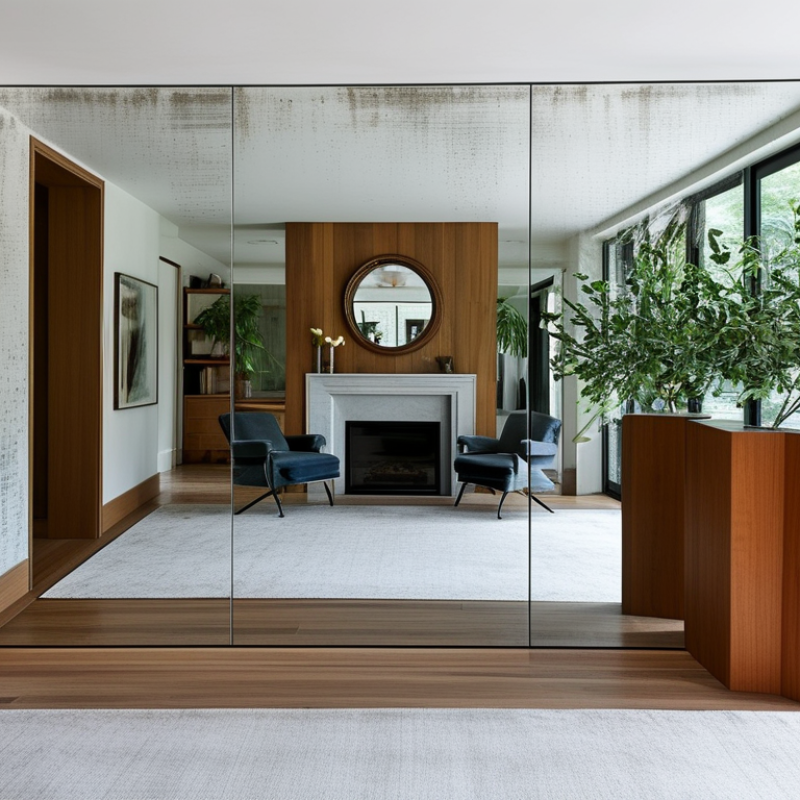
A mirror wall is a design feature that incorporates large mirrors into wall spaces. This technique is primarily used to enhance light and create an illusion of a larger area. According to the American Society of Interior Designers, using reflective surfaces can make a room appear up to 30% larger. This is especially beneficial in small apartments or tight rooms where every square foot counts.
Creating a mirror wall can be executed in various ways. Some homeowners choose to cover one wall entirely with mirrors, while others may opt for a more subtle approach by placing framed mirrors strategically. The placement of mirrors can greatly influence how light travels in the room. For instance, orienting a mirror opposite a window can allow natural light to flood the room, enhancing ambiance. However, it's essential to reflect on the overall aesthetic; a poorly placed mirror may disrupt visual flow, making the space feel chaotic.
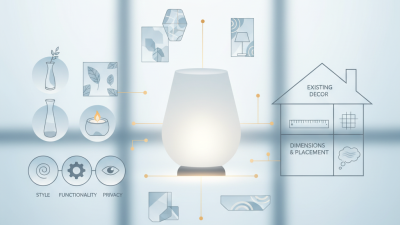
While mirror walls offer multiple benefits, selecting the right style and finish is crucial. A highly reflective surface may not suit every decor scheme. Reflective materials can also become markers for fingerprints and dust, which requires ongoing maintenance. Observations from design experts suggest that a balanced mix of materials often achieves the best result. Therefore, when implementing a mirror wall, consider how it harmonizes with the rest of the decor.
Benefits of Incorporating a Mirror Wall in Your Space
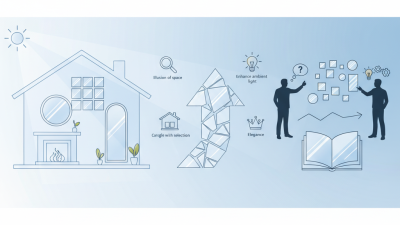
A mirror wall can transform any space, offering both aesthetic appeal and practical benefits. One major advantage is how it creates an illusion of space. In smaller rooms, a mirror wall reflects light and opens up the area, making it feel larger. This can be especially useful in apartments or compact homes, where every square foot counts.
In addition to spatial benefits, a mirror wall enhances natural light. Sunlight bounces off the mirrors, brightening dim areas. This creates a more inviting atmosphere. It's also a design feature that works with various styles. Whether you prefer modern minimalism or classic decor, a mirror wall can seamlessly blend into your theme.
However, it's essential to consider placement and size carefully. An oversized mirror can overwhelm a small room. Sometimes the reflections may distort perspectives, creating confusion. These imperfections remind us that not every design choice is flawless. Balancing practicality and style is key when incorporating a mirror wall into your home.
Different Styles and Designs of Mirror Walls
Mirror walls can be a striking addition to any space. They come in various styles and designs that enhance a room's aesthetic. A report from The Home Depot revealed that mirror walls can create the illusion of a larger space, making them popular in smaller rooms.
One trendy style includes modern frameless mirrors. These clean lines blend seamlessly into contemporary designs. They work well in minimalist spaces, reflecting light and creating openness. Alternatively, ornate framed mirrors can add a touch of elegance. With intricate designs, these mirrors become focal points, drawing the eye immediately.
There are also tile mirror walls, which consist of smaller mirror panels. This approach allows for customization and creativity. You can create unique patterns or shapes, making it perfect for artistic expressions.
However, one should consider maintenance. Mirrored surfaces can show dirt and fingerprints easily, requiring regular cleaning to keep them looking their best. Thus, while mirror walls offer beauty, they come with responsibilities.
Tips for Effectively Using Mirror Walls in Interior Design
Mirror walls can dramatically enhance a space. They reflect light, making rooms feel larger and brighter. To effectively use mirror walls, consider their placement carefully. Position mirrors across from windows to amplify natural light. This can create a welcoming atmosphere, especially in smaller rooms.
Consider the style of the mirrors as well. A vintage frame can add charm. In contrast, sleek, modern mirrors provide a contemporary touch. Be mindful of choosing the right size. Oversized mirrors can dominate a small room. Balance is key. You might want to create a focal point instead of overwhelming the space.
In some cases, using mirror walls may backfire. Too many reflective surfaces can cause visual chaos. It’s crucial to maintain harmony in design. Take time to experiment with different layouts before committing. A mirror wall is a powerful tool but should be used thoughtfully for maximum impact.
Impact of Mirror Walls on Perceived Space
Maintenance and Care for Mirror Walls
Maintaining a mirror wall offers unique challenges and requires consistent effort. Regular cleaning is crucial. Use a soft cloth with a mild glass cleaner to prevent scratches. Avoid harsh chemicals that can damage the reflective surface. Dust accumulation can obscure clarity, so routine dusting is essential. A microfiber cloth works well for this task.
Consider the environment where your mirror wall is located. High humidity spaces, like bathrooms, can lead to fogging and moisture buildup. A dehumidifier or proper ventilation can be beneficial. Remember, even the best care can’t prevent aging and wear over time. Check for any signs of damage. Chips or cracks can spread if ignored.
Reflections may become less vibrant after years. It’s important to assess how the wall integrates with your overall space. Sometimes a change is necessary. Perhaps consider a new position for the wall or even updating the design. Adjusting how light interacts with your mirrors can revive their impact. Regular attention can keep your mirror walls looking fresh and functional.
What is a Mirror Wall and How to Use It for Your Space? - Maintenance and Care for Mirror Walls
| Aspect |
Details |
| Definition |
A mirror wall is a wall covered entirely or partially with mirrors, enhancing light and creating an illusion of space. |
| Applications |
Used in living rooms, gyms, and dance studios to create a spacious feel and improve lighting. |
| Advantages |
Enhances natural light, creates an illusion of space, and adds aesthetic appeal to a room. |
| Maintenance Tips |
Regularly clean with a glass cleaner, avoid abrasive materials, and check for loose edges. |
| Installation Considerations |
Ensure proper wall support, consider the reflection angle, and prioritize safety during installation. |
| Decorative Ideas |
Use with artwork, lighting fixtures, or plants to enhance ambiance and reduce cold reflections. |