Leave Your Message

Top Mirror Wall Types to Buy in 2026?

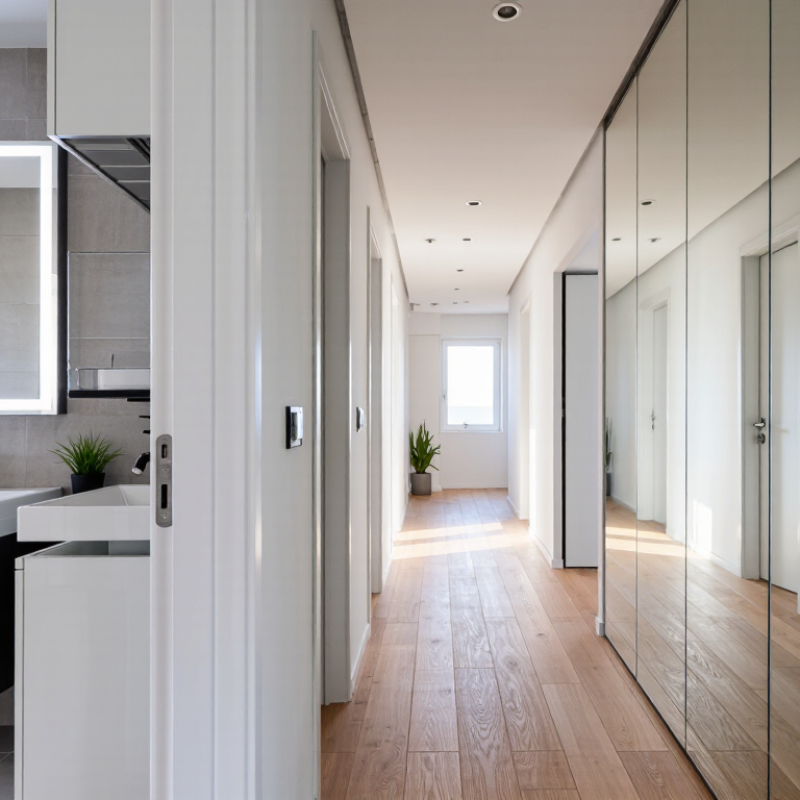
Choosing a Mirror Wall in 2026 means balancing appearance with daily use. A full-length panel can make a narrow hallway feel brighter, while a framed bathroom mirror adds a clear focal point. Backlit designs offer gentle task lighting, and mirrored medicine cabinets add storage without taking extra floor space. Small details matter. Check the mirror’s dimensions, mounting method, lighting quality, and suitability for humid rooms before buying.

Renovation spending gives this choice practical context. The 2024 U.S. Houzz & Home Study reported a median home renovation spend of $24,000 in 2023, showing how carefully homeowners may weigh individual upgrades. The NKBA’s kitchen and bath design research also points to continuing attention to function, lighting, and storage in these spaces. These reports do not measure mirror purchases directly, so they should guide context, not dictate a trend. A popular style is not automatically right for every home.

This guide compares framed, frameless, full-length, LED, and storage-focused mirror walls. It will consider where each type works best, what installation can involve, and which specifications deserve a closer look. Reflective surfaces reveal flaws. Warped glass, harsh lighting, or weak mounting can disappoint, even when a product looks beautiful online. A useful choice starts with the room, not the trend.
Top Mirror Wall Types to Buy in 2026?

What Defines a Wall Mirror and How Is It Used?

A wall mirror is a reflective glass panel mounted directly to a wall, usually with a frame or concealed fixing system. It lets people check their appearance, but it also changes how a room feels. In a narrow hallway, a well-placed mirror can reflect light and make the space seem more open. It does not add actual floor area, though. That distinction matters.

Wall mirrors come in many shapes and sizes, from compact bathroom mirrors to full-length panels. Choose one for the task and the wall around it. A mirror near an entryway should show enough of your outfit without blocking a door or walkway. In a bathroom, consider moisture-resistant construction and clear lighting around the glass. For any large or heavy mirror, match the mounting hardware to the wall type and the mirror’s weight. If you are unsure, ask a qualified installer. A crooked mirror is more common than people admit.

Tips: Measure the wall and mark the intended position before buying. Check what the mirror will reflect, not just how it looks from the front. Keep it away from direct impacts, and clean the glass with a soft cloth. Small details help. A mirror can brighten a dim corner, but glare from a nearby window may make that spot less comfortable.

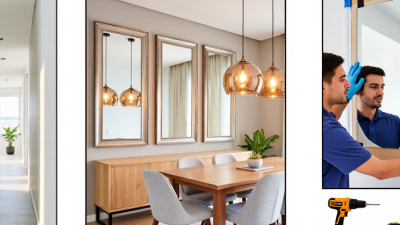
Which Types of Wall Mirrors Are Available in 2026?

Wall mirrors in 2026 range from simple framed panels to feature-rich smart designs. Frameless mirrors suit compact bathrooms, where a clean edge keeps the wall feeling open. Framed versions add contrast; wood brings warmth, while slim metal frames feel crisp. Shapes include round, oval, arched, and rectangular. Small choice. Big visual effect.

For bathrooms, common options include fixed vanity mirrors, tilting mirrors, mirrored medicine cabinets, and LED-lit models. A medicine cabinet adds discreet storage, but its depth may crowd a narrow walkway. Backlit mirrors provide a soft glow; front lighting is often more useful for shaving or applying makeup. Check the light’s color temperature and brightness before buying. Glare can still be annoying. Smart models may add touch controls, anti-fog heating, or connected displays, though extra features mean more components to maintain.

The category is expanding, but market figures describe sales, not which mirror suits every room. Grand View Research estimated the global smart mirror market at about $4.4 billion in 2023 and projected a 9.2% compound annual growth rate from 2024 to 2030. That points to rising interest in connected mirrors, not a guarantee that they outperform simpler designs. Measure the wall, account for nearby taps and lights, and check how the mirror mounts. Categories overlap: a framed mirror can also be illuminated. Not every upgrade helps.

Wall Mirrors to Consider in 2026: Full-Length Mirror Sizing Guide

For an ideal plane mirror, the minimum reflective height needed to see your full body is half your height. Use this guide when choosing framed, frameless, or arched full-length wall mirrors; measure the reflective area, not the outer frame.

How Do Mirror Shapes, Frames, and Mounting Styles Differ?

Top Mirror Wall Types to Buy in 2026?

Shape changes how a wall feels. A round mirror softens a vanity’s straight edges, while a rectangular mirror gives wider, more even coverage. Arched tops add height, but can look cramped beneath low ceilings. Measure the sink and nearby lights before choosing; the mirror should not crowd either. Scale matters.

Frames affect both appearance and upkeep. Slim metal frames suit clean-lined rooms, while wood adds visible warmth but needs care in damp spaces. Frameless mirrors offer a lighter look and are easier to pair with patterned tile. The Houzz 2024 U.S. Bathroom Trends Study reported a $15,000 median spend for primary-bathroom renovations in 2023. That investment makes small fit errors frustrating. I would not choose a frame from a screen image alone; its finish can look different beside real tile.

Tips: For a fixed installation, check wall studs and the mirror’s weight before selecting hardware. Adhesive mounting can suit some lightweight mirrors, but follow the maker’s load guidance. Recessed mirrors save depth; surface-mounted styles are simpler to replace. Leave room for faucets, sconces, and cabinet doors. Measure twice.

Which Wall Mirror Types Suit Different Rooms and Needs?

A wall mirror should solve a room’s everyday problem, not just fill an empty patch. In a narrow entry, a tall, slim mirror helps with a last-minute outfit check without crowding the walkway. For bedrooms, a full-length leaning or wall-mounted design gives a clearer view. Measure the door swing and available wall space first. Measure twice.

Bathrooms need more practical choices. A mirrored medicine cabinet adds concealed storage, while a simple framed mirror suits a vanity with limited counter space. An LED mirror can help with close-up grooming, but check that its electrical rating suits the bathroom location. Houzz’s 2024 U.S. Houzz & Home Study reported that 54% of surveyed homeowners renovated in 2023, with a median spend of $24,000. The report covers home renovations broadly, not mirror purchases, so it signals investment activity rather than a preferred mirror style.

In living rooms, a large decorative mirror can bounce window light across a darker wall; place it to reflect a view, not clutter. Small room? Go vertical. I still find oversized mirrors easy to misjudge: they may brighten a space, yet reveal cables, doorways, or piles of keys. Check the reflection from seated and standing positions before fixing the frame. A pivoting mirror can suit changing angles, though its hardware needs a secure fixing.

Top Mirror Wall Types to Buy in 2026? Which Wall Mirror Types Suit Different Rooms and Needs?

Mirror Type Best Rooms and Needs Main Advantages Things to Consider Installation and Placement Tips
Full-Length Mirror Bedrooms, dressing areas, and entryways where you want to check an outfit from head to toe. Shows a near full-body reflection and can make a room feel more open when placed to reflect light. Needs enough unobstructed wall space. A large mirror can be heavy and should be secured appropriately. Choose a height that lets the intended users see their full reflection. Use suitable wall anchors or secure it to a stud as directed by the hardware instructions.
Bathroom Vanity Mirror Bathrooms and powder rooms for grooming, shaving, and applying makeup. Provides a practical reflection above the sink and is available in a range of shapes and sizes. Check that the mirror, frame, and mounting hardware are suitable for the room’s moisture conditions. A mirror alone does not provide task lighting. Center it over the vanity or sink and consider the height of the people who use it. Follow local requirements for any nearby electrical fittings.
Medicine Cabinet Mirror Bathrooms where concealed storage for everyday toiletries is useful. Combines a reflective surface with shelves, helping keep small bathroom items organized. Storage capacity and door swing vary. Recessed models require a suitable wall cavity and careful checks for pipes or wiring. Measure the available wall space and clearance around the cabinet. Follow the installation instructions, especially for recessed or heavier units.
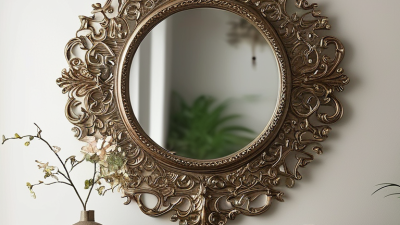
Framed Decorative Mirror Living rooms, hallways, dining areas, and bedrooms where the mirror is also a decorative feature. Frames can complement a room’s finishes and help define a focal point above furniture or on an open wall. Frame materials and finishes differ in their resistance to moisture, so some styles are better suited to dry rooms than bathrooms. Choose a size that looks balanced with nearby furniture. Use mounting hardware rated for the mirror’s weight and the wall type.
Frameless Mirror Bathrooms, compact rooms, and interiors where a simple, visually unobtrusive look is preferred. Has a clean appearance and avoids adding the visual bulk of a frame. Exposed edges can be more vulnerable to chips than protected edges. Check whether the edges are finished and how the mirror is supported. Use the specified clips, brackets, or adhesive system for the mirror and wall surface. Avoid placing it where doors or furniture may strike it.
Pivot or Tilting Mirror Bathrooms and shared grooming areas where users benefit from adjusting the mirror angle. Can be tilted to suit different heights or viewing positions. Moving parts and brackets need a secure fixing. Confirm that the mirror has enough clearance to tilt without hitting a wall, tap, or light fitting. Mount it at a comfortable height and install it into a suitable structural support using the supplied hardware instructions.
Lighted Mirror Bathrooms, dressing areas, and makeup stations where additional illumination near the face is useful. Integrated lighting can provide convenient, localized illumination and reduce the need for a separate light directly above the mirror. Lighting output and color appearance vary. Electrical connections and suitability for bathroom locations must meet local codes and the product’s instructions. Check whether the model is plug-in or hardwired before buying. Have hardwired units installed by a qualified electrician where required.
Magnifying Mirror Bathrooms and dressing areas for close-up grooming or detailed makeup application. Magnification can make fine details easier to see at close range. It is intended for close viewing and does not replace a standard mirror for seeing a full face or outfit. Magnification strength affects the viewing distance. Position it within comfortable reach and at a distance suited to its magnification. A swivel arm can help with adjustment where space allows.
Choose a mirror based on room conditions, intended use, available wall space, and secure installation requirements.

What Should You Check Before Buying a Wall Mirror in 2026?

Before buying a wall mirror in 2026, measure the wall and the space around it. Leave room for doors, lamps, and nearby shelves. Measure twice. A mirror that looks modest online can dominate a narrow hallway once it is mounted. Check the product’s listed dimensions, weight, and hanging method—not just the frame style.

Match the mounting hardware to your wall. Drywall, masonry, and tiled surfaces need different fixings, and a heavy mirror may require support from a stud or suitable rated anchors. Confirm whether hardware is included and whether the mirror has safety backing, especially for busy rooms. Check the light. Stand where you expect to use the mirror and notice whether a window or ceiling lamp creates glare. In a bathroom, look for guidance on moisture suitability; a decorative frame may not tolerate damp air well.

Inspect the glass for clear, even reflections, and read the return policy in case the mirror arrives damaged. If possible, view it at eye level before deciding. Small detail, big difference. It is easy to focus on the frame and overlook how much a mirror can darken or brighten a room. That judgment is not always obvious from a product photo.