7 Best Toughened Glass Suppliers for Global Buyers?
Choosing among the 7 best Toughened Glass suppliers takes more than comparing prices or polished product photos. Buyers need to examine how each manufacturer controls heat treatment, checks finished panes, and records specifications. A clear edge finish, consistent dimensions, and reliable packaging matter when glass arrives at a busy construction site. So does communication when a drawing changes.
Glass-industry specialist Dr. Helen Sanders is known for her work on glazing performance. The following line is an editorial paraphrase, not a verbatim quotation: “A glass product performs only as well as its design, manufacture, and installation allow.” That principle is useful when assessing Toughened Glass suppliers. A strong supplier should explain its testing process, applicable product standards, lead times, and limits in plain language. Ask for relevant technical documents, not just a broad assurance of quality.
This guide compares suppliers through practical buyer questions: What thicknesses and sizes can they produce? Can they handle custom shapes or holes? How do they protect corners and surfaces during shipping? Answers may vary by order and destination. That can be inconvenient. It is also a reason to confirm details in writing before production begins.
No supplier is best for every project. A small renovation and a large façade package have different demands. The comparison below aims to help global buyers identify credible options, spot gaps, and ask sharper questions before committing. One caveat remains: supplier capabilities change, so verify current specifications directly.
Understanding Toughened Glass and Its Global Applications
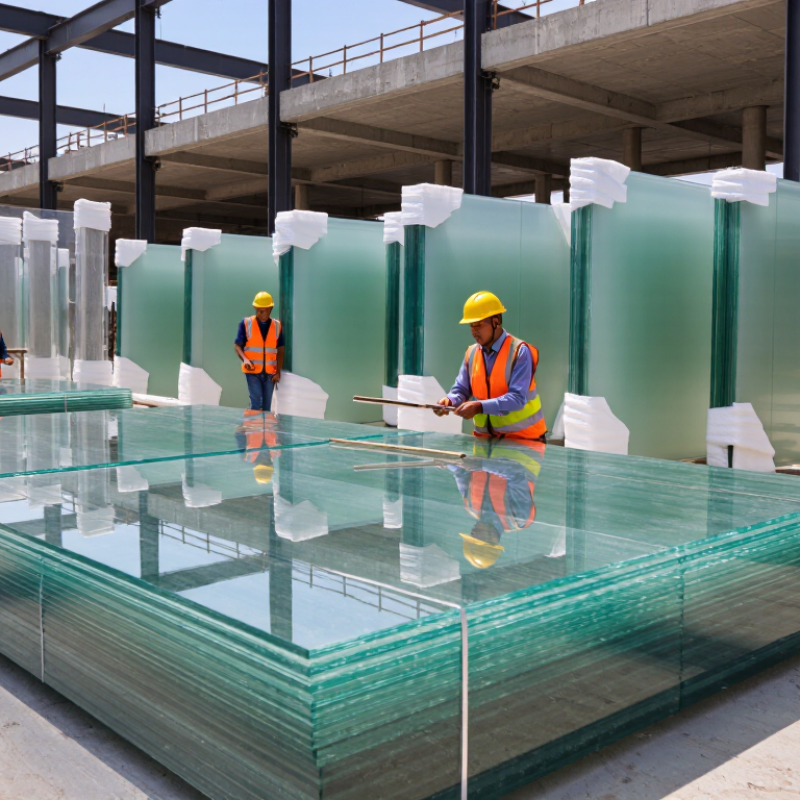
Toughened glass, also called tempered glass, is heated and rapidly cooled to create compression at its surface. This process usually makes it several times stronger than comparable annealed glass, though actual performance depends on thickness, processing, and edge quality. It is not unbreakable. If it fails, it generally breaks into smaller pieces rather than long, sharp shards.
That behavior makes toughened glass useful in building doors, shower enclosures, internal partitions, and some façades. In busy spaces, a clear glass door can keep sightlines open while handling everyday impacts. It also appears in furniture and vehicle glazing, where designs must account for the specific loads and conditions involved. Toughened glass cannot usually be cut or drilled after processing, so dimensions and holes need careful planning beforehand.
Edges matter. Small chips or poor installation can weaken a panel, and thermal stress may also cause failure. Global buyers should consider local climate, exposure to wind, panel size, and the support system—not just the quoted glass thickness. Toughened glass is not the same as laminated glass; some projects use both types to meet safety and retention needs. A specification can look complete on paper, yet overlook handling damage during shipping. Inspecting panels on arrival is a practical step that is easy to neglect.
7 Best Toughened Glass Suppliers for Global Buyers? — Understanding Toughened Glass and Its Global Applications
A standards-based comparison of surface-compression requirements for toughened and heat-strengthened glass.
What it shows: Higher surface compression is associated with fully toughened glass. Requirements vary by standard, so buyers should confirm the applicable specification, product type, and test method for each project.
Values shown in MPa. Sources: ASTM C1048 and EN 12150-1. ASTM heat-strengthened glass has a specified surface-compression range of 24–52 MPa; its upper limit is shown here.
How to Evaluate Toughened Glass Suppliers
A reliable toughened glass supplier should explain how each order is made and checked. Ask for test reports that match the glass type, thickness, dimensions, and intended use. A generic certificate may not cover your exact specification. Request a sample and inspect its edges, clarity, and flatness under steady light. Small checks matter. Confirm how the supplier handles holes, cut-outs, and edge polishing, since these details must be completed before toughening. Changes afterward can make the pane unusable.
Review the supplier’s quality records and ask how production batches are traced. Clear answers should identify inspection stages, packing methods, and what happens when a shipment arrives damaged. Discuss lead times using a real order size, not only a quoted best-case schedule. Ask whether protective corner guards and separators are used; a few broken corners can disrupt installation. Also check that technical staff can review drawings before production. A quick reply is helpful, but a precise reply is better. No evaluation is perfect: samples may not reflect every batch, and shipping conditions add uncertainty. Keep written specifications and approval records, even when communication feels straightforward.
Seven Leading Toughened Glass Suppliers for Global Buyers
Global buyers comparing seven leading toughened glass suppliers should assess capability, not just catalog size. A useful shortlist spans façade processors, architectural-glass specialists, furniture fabricators, appliance-glass makers, solar-glass processors, transport-glass suppliers, and export-focused custom temperers. Each serves different thicknesses, dimensions, coatings, and edge-work needs. Ask for sample inspection records, tempering process controls, and packaging details before approving a bulk order. Small details matter. A chipped corner can complicate installation, even when the pane meets its drawing dimensions.
Energy performance also deserves attention. The International Energy Agency’s 2024 Global Status Report for Buildings and Construction estimates that buildings used 32% of global energy in 2022 and produced 34% of energy-related carbon dioxide emissions. This makes glazing specifications relevant to wider building performance, though toughened glass alone does not guarantee insulation. Buyers should compare complete assemblies, including coatings, spacers, and frame interfaces. Request test reports tied to the actual product configuration, plus clear tolerances for holes and cut-outs. Not just price. Supplier documents can look convincing; still, buyers should verify sample quality, lead-time assumptions, and breakage procedures against their own project conditions.
7 Best Toughened Glass Suppliers for Global Buyers? - Seven Leading Toughened Glass Suppliers for Global Buyers
Buyer comparison guide: The rows below summarize relevant product and safety standards—not company-specific supplier rankings. Verify the applicable standard, test reports, scope, and destination-market requirements directly with each supplier.
| No. |
Supplier capability to assess |
Relevant standard or reference |
What buyers should verify |
Typical application |
| 1 |
Heat-treated safety glass |
EN 12150-1; ASTM C1048 |
Confirm the declared product type, dimensional tolerances, and test documentation for the relevant standard. |
Doors, partitions, façades, and other locations requiring safety glazing. |
| 2 |
Fragmentation performance |
EN 12150-1 |
Request applicable fragmentation test results; acceptance requirements depend on the product and standard. |
Building glazing where breakage behavior is part of the safety specification. |
| 3 |
Heat-soak-treated glass |
EN 14179-1 |
Check whether heat-soak treatment is specified, documented, and traceable to the supplied glass batch. |
Projects that specify additional processing to reduce the risk of spontaneous breakage from nickel sulfide inclusions. |
| 4 |
Impact-rated safety glazing |
ANSI Z97.1; 16 CFR Part 1201 (United States) |
Match the tested glazing configuration and impact classification to the applicable code and installation location. |
Doors, sidelites, and other hazardous locations where required by local codes. |
| 5 |
Laminated safety-glass capability |
EN ISO 12543 series |
Confirm interlayer type, overall build-up, edge quality, and conformity documentation for the specified assembly. |
Overhead glazing, balustrades, and applications where fragments should remain attached to an interlayer. |
| 6 |
Insulating-glass unit production |
EN 1279 series |
For insulated units, review the declared unit configuration, seal system, and relevant conformity or durability evidence. |
Energy-efficient windows and curtain-wall systems. |
| 7 |
Processing and export readiness |
Project specification and destination-market rules |
Confirm achievable dimensions, cut-outs, edgework, packaging, shipping terms, lead time, and document requirements before ordering. |
Custom construction projects and international shipments. |
Note: Standards and code requirements vary by country, product configuration, and intended use. A standard reference alone does not establish that a particular product or supplier is compliant.
Comparing Supplier Capabilities, Certifications, and Markets
Choosing a toughened glass supplier means comparing more than price and delivery promises. Ask how each plant controls heating, quenching, edgework, and hole placement. These details affect breakage patterns and installation fit. Request recent test reports, batch traceability, and certificates relevant to your destination market. Standards differ by region, so a certificate alone may not settle acceptance. Check whether documents identify the product type, thickness, and test method.
Tips: Send a clear drawing and sample specification before requesting quotes. Confirm packing methods, replacement terms, and lead times in writing. Ask for photos. Small omissions can become costly.
Supplier markets matter too. A factory serving architectural projects may handle large panels well, while another may specialize in furniture or appliance glass. Match its production range to your dimensions, coatings, tolerances, and order volume. For overseas shipments, discuss crate design, moisture protection, and unloading equipment; a sound pane can still arrive damaged. Compare response speed during technical discussions, not only sales calls. Consider a trial order. It may feel slower, but it can reveal weak packaging or unclear inspection records before larger shipments. No supplier is perfect, and a polished catalogue cannot replace a documented process.
How to Select and Verify a Supplier for Your Project
Choosing a toughened glass supplier starts with your project, not a sales brochure. Define glass thickness, dimensions, edgework, hole positions, heat treatment, and expected use. Small details matter. A misplaced cut-out or poorly protected edge can cause delays or breakage during installation.
Ask for current test reports that match the product and production site you plan to use. Check report dates, sample descriptions, and the testing body; a certificate alone may not prove that your exact specification was tested. Request traceability records, quality-control steps, and a sample made to your drawings. Compare its dimensions and finish with the approved specification. Ask how the supplier handles rejected panels and production changes. Get clear answers in writing.
Then assess delivery capability. Confirm lead times, crate design, loading photos, and who inspects the glass before shipment. If possible, arrange a factory visit or independent inspection before a large order. Speak with buyers who have handled similar sizes and installation conditions. One easy mistake is comparing quotes only by price; cheaper glass may come with weaker documentation or less careful packing. Still, an inspection cannot predict every problem. Keep a small allowance for delays, and record agreed tolerances before production begins.