Leave Your Message

Why Choose Frosted Glass Sheets for Your Project?

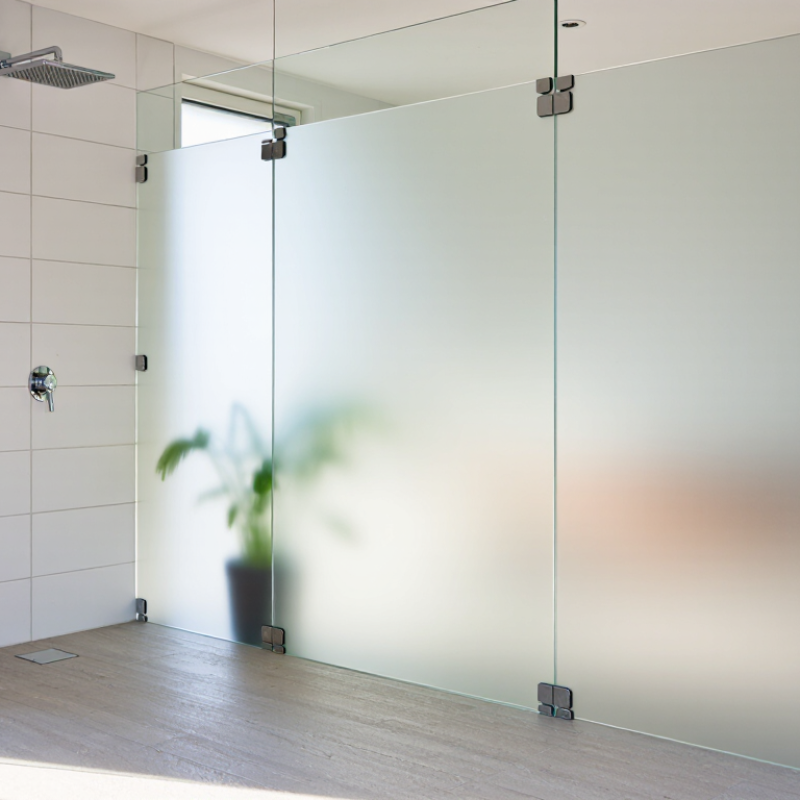
A Frosted Glass Sheet can soften a room without blocking daylight. Its matte surface scatters incoming light, helping a bathroom, office partition, or cabinet door feel more private while keeping the space bright. The effect depends on the glass finish, thickness, and placement. A softly blurred outline is not the same as complete privacy.

Think about where the sheet will be used. In a bathroom, check sightlines and lighting at different times of day. In a home office, a frosted divider can reduce visual distractions while still letting daylight pass between rooms. For cabinet doors, it can hide clutter without making the interior feel closed off. Small details matter: edge treatment, support, cleaning access, and whether the panel is cut to fit.

It is not magic. Frosted glass can still show silhouettes, especially when a room is brightly lit behind it. Some finishes also reveal fingerprints or water spots more easily than expected. Before choosing, compare samples in the actual space and ask a qualified glass supplier about suitable thickness and installation requirements. I would not choose by appearance alone; a finish that looks perfect in a showroom may feel too opaque at home. The best option balances privacy, light, maintenance, and the character you want the room to have.
Why Choose Frosted Glass Sheets for Your Project?

What Are Frosted Glass Sheets?

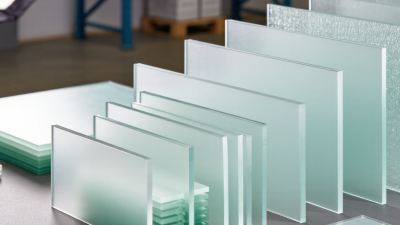
Frosted glass sheets are flat panels treated to scatter light and soften clear views. Their surface may be acid-etched, sandblasted, or covered with a translucent film. Each method creates a slightly different texture and level of diffusion. The glass still lets daylight pass through, but objects behind it appear blurred rather than sharply defined. It is not always fully private: silhouettes may show when a room is brightly lit at night.

The finish can suit a bathroom window, office divider, cabinet door, or entryway sidelight. Imagine sunlight reaching a hallway while the details of nearby rooms stay less exposed. A smooth etched sheet can feel subtle; a more textured finish may scatter light more strongly and collect dust in its small surface grooves. Small details matter. Before ordering, check the panel’s thickness, edge finish, and whether it is tempered or laminated for the intended installation. Frosting alone does not make glass safer.

Light and privacy can vary with viewing distance and the direction of the light. A sample held near a window may look different from a large sheet installed indoors. Testing a small piece first is sensible, though it adds time. That extra step can prevent an unexpectedly hazy or overly transparent result.
How Are Frosted Glass Sheets Made?

Why Choose Frosted Glass Sheets for Your Project?

How Are Frosted Glass Sheets Made?

Frosted glass starts as clear glass, which is inspected, cut, and cleaned. The matte finish is usually created through abrasive blasting or acid etching. Blasting directs fine abrasive particles at the surface. Etching uses a controlled process to create tiny, light-scattering marks. Both methods soften views while allowing daylight to pass through. The difference matters. Some products use a surface film or coating instead, so check what you are buying.

After frosting, sheets are rinsed or cleaned and checked for consistent appearance. Slight variations in texture can occur, especially across larger panes. That is not always a defect, but it may be noticeable in strong side lighting. Cutting, edge finishing, and any tempering should follow the glass maker’s specifications, since the right production order depends on the process and intended use.

Tips: Ask whether the finish is etched, blasted, or film-applied. Request a sample and view it in the room’s actual lighting. Check care instructions, too; rough cleaners may mark some finishes. Test a sample first.

Why Choose Frosted Glass Sheets?

Frosted glass diffuses light while softening direct views, making it useful for partitions, doors, and privacy screens. It is commonly made by acid-etching or abrasive blasting the glass surface; the resulting light transmission depends on the glass and finish.

Indicative visible-light-transmission ranges (%) for representative products; actual values vary with thickness, texture, and manufacturer. Frosting diffuses light but does not guarantee complete privacy in every lighting condition.

What Benefits Do Frosted Glass Sheets Offer?

Frosted glass sheets soften light while reducing direct views, making them useful in spaces that need privacy without feeling closed off. In a bathroom, a frosted panel can brighten the room while obscuring clear views through a window. The effect comes from diffusing light across the glass surface. It is not the same as blocking all visibility, especially when a person stands close to the pane.

The material also helps tame glare. A bright window beside a desk may feel less harsh with a frosted screen, though the room can still receive natural light. Soft light matters. Frosted sheets can add a calm, matte look to cabinet doors, partitions, or entryway panels. Their appearance pairs well with both modern and traditional interiors. For busy areas, ask a glass professional about suitable thickness, edge finishing, and installation; these details affect handling and long-term performance.

There are trade-offs. Frosted surfaces may show fingerprints, water spots, or dust more clearly under side lighting, so gentle, regular cleaning helps. Privacy levels also vary with lighting: at night, a brightly lit room may reveal more shapes than expected. I would test a sample in the actual space before ordering. A small patch near the window can show how daylight, room lighting, and viewing distance change the finish.

Where Are Frosted Glass Sheets Commonly Used?

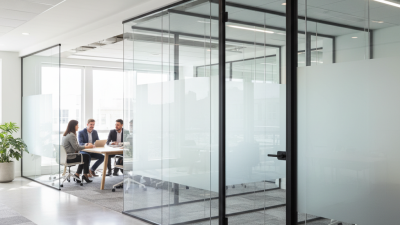
Frosted glass sheets are common in bathrooms, shower enclosures, entry sidelights, and interior doors, where they soften views while letting daylight pass. In a bathroom, they can blur the outline of a person without making a small room feel closed off. Offices use them in meeting-room partitions and door panels; clinics, salons, and changing areas use them where visual separation matters. They are also found in cabinet fronts and retail displays. Useful, but imperfect. Frosted glass does not provide sound privacy, and strong backlighting can reveal more silhouettes than expected.

The U.S. Energy Information Administration’s 2018 Commercial Buildings Energy Consumption Survey estimated 5.9 million commercial buildings, covering about 97 billion square feet. That broad inventory helps explain why interior glazing serves many settings, though it does not measure frosted-glass use specifically. For a project, check the viewing angle, lighting, and cleaning needs before choosing a finish. Acid-etched surfaces often look even and refined; patterned or sandblasted finishes can diffuse light differently and may need more careful maintenance. A sample viewed in the actual room is more useful than a catalog image. I would not assume one opacity suits every window: privacy needs change with distance, nighttime lighting, and room layout.

Why Choose Frosted Glass Sheets for Your Project? — Where Are Frosted Glass Sheets Commonly Used?

Common Application Typical Location Why Frosted Glass Is Used Practical Considerations
Office partitions and meeting-room doors Workplaces, clinics, and shared commercial interiors Softens views between spaces while allowing daylight to pass through. Clear sections or patterned bands can be included where visibility is needed for safety or wayfinding.
Bathroom windows and shower enclosures Bathrooms and other private wash areas Provides visual screening while admitting natural or artificial light. Choose suitable safety glass for the application, and follow local building requirements for glazing in wet areas.
Interior doors Homes, offices, and interior corridors Helps maintain privacy without making a room feel as closed off as an opaque door. Consider the door’s location, impact risk, hardware, and required safety-glazing specification.
Cabinet and wardrobe panels Kitchens, bathrooms, storage areas, and display units Obscures stored items and creates a soft, diffused appearance. Confirm panel thickness and edge finishing are appropriate for the frame and installation method.
Exterior windows and sidelights Entryways, ground-floor rooms, and windows facing nearby buildings Balances daylight with reduced direct visibility into the space. Frosting changes visibility, not the glass’s thermal or impact performance; specify those properties separately.
Decorative screens and room dividers Homes, hospitality interiors, and retail spaces Creates visual separation and diffuses light while keeping spaces connected. Patterns, panel size, support, and fixing details should suit the design and expected use.
Lighting panels and luminaires Ceilings, wall lights, and illuminated features Diffuses light and can soften the appearance of a visible light source. Check heat exposure, glass type, and the fixture’s design requirements before installation.

Project note: Frosted effects can be produced in different ways, including surface etching, sandblasting, or applied films. Select the method and glass specification according to privacy, cleaning, safety, and design requirements.

What Factors Should Guide Your Choice?

Frosted glass can soften direct views while keeping a room brighter than many opaque panels. The right sheet depends on where it will sit, how much privacy you need, and how it will be cleaned. A bathroom partition may need stronger obscuration and moisture-resistant framing. A cabinet door may benefit from a lighter finish that lets shapes and colors show through. Small samples help. Lighting changes the effect.

Check the glass thickness and support requirements before ordering, especially for doors or large panels. Confirm whether the finish is etched, sandblasted, or applied as a film; these surfaces differ in upkeep and repair. Consider edges, hardware, and nearby water or cleaning products. I would not choose by appearance alone; that is an easy mistake. Also, “private” does not always mean fully opaque under strong backlighting.

Tips: View a sample beside the actual window or lamp, then check it from both sides. Ask a qualified glazier to verify sizing, edge treatment, and installation suitability. Keep the cleaning instructions for later; this small step is easy to overlook.