Why Are Smart Windows Worth Buying?
Smart Windows can do more than darken a room. They adjust light and heat as conditions change, helping occupants manage glare without pulling the blinds all day. On a bright afternoon, a properly tuned window may reduce harsh reflections on a laptop screen while preserving a view of the trees outside. That sounds simple. It is not always.
Dr. Stephen Selkowitz, a longtime building-science researcher, has emphasized a whole-building approach to window performance. A fair paraphrase of his guidance is: “Judge smart windows as part of the building, not as glass alone.” That distinction matters. The results depend on the window technology, local climate, controls, façade design, and how people actually use the space. A system that performs well in a sunny office may offer less value in a shaded home. Installation and maintenance also deserve attention; smart glass is not a magic fix.
So, why are Smart Windows worth buying? For some buildings, they can improve comfort, reduce unwanted solar heat, and help control lighting. They may also support lower energy use, though savings vary and should be checked against credible product data. Buyers should compare upfront cost, warranty, control options, and real-world performance—not just impressive demonstrations. One caveat remains: occupants may still prefer a manual shade. That is worth considering.

What Smart Windows Are: Electrochromic, Thermochromic, and SPD Glass
Smart windows change how much light passes through glass, but the technologies behave differently. Electrochromic glass uses a small electrical signal to shift its tint. The change is usually gradual, and some systems retain their selected shade with little ongoing power. On a bright afternoon, that can mean less glare on a desk without pulling the blinds.
Thermochromic glass responds to heat rather than a wall switch. As the glass warms, its optical properties change. No button is needed. That simplicity has a trade-off: the response depends on temperature, so it may not match the moment someone wants a view or more daylight. Climate, window direction, and product specifications matter.
SPD glass contains suspended particles that align when voltage is applied, allowing more light through; without that alignment, the glass darkens. It can change quickly, which may suit rooms where conditions shift often. Still, “smart” does not mean automatically efficient. A poorly chosen tint range can leave a room dim, and controls, wiring, installation quality, and cost all affect the result. I would compare sample panes in real daylight before deciding. Screens and samples can make the glass look different. The best choice depends on the room, not the label.
How Sensors and Controls Adjust Tint, Daylight, and Solar Heat Gain
Smart windows use sensors and control settings to adjust how much light passes through the glass. A photosensor can detect strong daylight, while temperature readings help indicate when a room is heating up. The control system then changes the glass tint, either automatically or according to a schedule. Some systems also allow manual adjustment. Small changes matter.
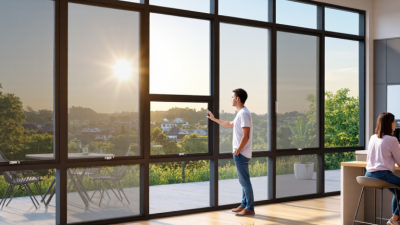
In a south-facing room, bright afternoon sun may create glare on a laptop and warm the desk near the window. A darker tint can soften the glare and limit solar heat gain, while still admitting some daylight. The result depends on the glass and its settings; tint does not block every ray of heat. Sensor location matters, too. A shaded sensor may react differently from one exposed to direct sun.
Good controls balance daylight, comfort, and heat, rather than making every window dark at noon. On a cold day, reducing solar gain might remove useful warmth. That trade-off is easy to miss. Schedules and temperature thresholds can help, but they may need adjustment as seasons change. Smart glass is not a perfect substitute for blinds, especially when a person wants privacy or a room needs near-total darkness. A useful setup responds reliably, yet leaves people room to override it.
Why Are Smart Windows Worth Buying?
How sensors and controls adjust tint, daylight, and solar heat gain
In this representative example, tinting reduces visible light transmission from 60% to 5% and the solar heat gain coefficient from 0.45 to 0.10. Sensors and controls can adjust the glazing as daylight and solar conditions change, helping balance natural light with heat management. Actual performance varies by window and installation; these values are illustrative, not a universal specification.
Why They Matter: DOE Estimates Windows Account for 25–30% of Home Heating and Cooling Energy Use
Windows can quietly drive up energy bills, especially during extreme weather.
The U.S. Department of Energy estimates that windows account for 25–30% of a home’s heating and cooling energy use. That is substantial.
The actual share depends on climate, window condition, and how much sun each room receives. A west-facing living room may grow uncomfortably warm on summer afternoons, while a draft near an older bedroom window can make winter nights feel colder. Smart glazing can adjust its tint as sunlight changes, helping control glare and solar heat. But it does not fix every source of heat loss.
Before buying, compare whole-window performance ratings, not just the glass description. Look at U-factor, solar heat gain coefficient, and air leakage, then consider the window’s orientation and local climate. Installation matters, too: a poorly sealed frame can undermine expensive glazing.
In some homes, shading or repairing existing windows may address the main problem at lower cost. Still, the DOE estimate is a broad average; it cannot predict savings for one particular house.
A sunny room, an aging frame, and a shaded north-facing window can behave very differently. An energy assessment can help identify which windows deserve attention, though its recommendations may not always account for a household’s budget or daily habits.
How to Compare Performance Using NFRC U-Factor, SHGC, and Visible Transmittance
Why Are Smart Windows Worth Buying?
How to Compare Performance Using NFRC U-Factor, SHGC, and Visible Transmittance
Smart windows can change their tint to manage daylight and solar heat. But a darker setting alone does not prove better energy performance. Compare the NFRC ratings for the specific product and glazing configuration, then consider how the window will face your room and local climate.
U-factor measures heat transfer through the window; a lower number generally means better insulation. SHGC estimates how much solar heat enters, so a lower value may help limit afternoon heat gain. Visible transmittance (VT) measures how much visible light passes through. Higher VT can brighten a room, but it may also increase glare on a laptop screen. With smart glazing, check whether published ratings apply to a clear state, a tinted state, or both. The label may not answer every question.
Tips: Compare ratings on the same NFRC basis. Ask how the window performs in each operating state, and confirm that the frame and glass configuration match your quote. A sunny south-facing room may need a different balance than a shaded bedroom. Ratings matter, but installation gaps can still undermine comfort. That detail is easy to overlook.
Why Are Smart Windows Worth Buying? — How to Compare Performance Using NFRC U-Factor, SHGC, and Visible Transmittance
The figures below are illustrative performance ranges for common window configurations, not ratings for specific products. Compare certified whole-window ratings for the exact size and configuration you plan to buy.
| Window Type or State |
NFRC U-Factor
(Btu/h·ft²·°F) |
SHGC
(0–1) |
Visible Transmittance
(VT, 0–1) |
What the Numbers Suggest |
| Double-pane, low-emissivity (low-e) glass |
0.25–0.35 |
0.25–0.60 |
0.40–0.70 |
A common efficiency upgrade. Performance varies with low-e coating, gas fill, frame, and glass configuration. |
| Triple-pane, low-e glass |
0.15–0.25 |
0.20–0.55 |
0.35–0.65 |
Often reduces heat transfer compared with double-pane designs; additional panes may reduce daylight slightly. |
| Electrochromic smart window — clear state |
0.20–0.35 |
0.40–0.60 |
0.45–0.70 |
Admits more daylight and solar heat than its tinted state. The whole-window U-factor generally does not change simply because the glass is switched. |
| Electrochromic smart window — tinted state |
0.20–0.35 |
0.10–0.30 |
0.05–0.25 |
Can reduce solar heat gain and glare while maintaining a view; the degree of tint and resulting values depend on the product. |
| Fixed solar-control low-e window |
0.20–0.35 |
0.15–0.35 |
0.30–0.60 |
Provides a consistent, lower solar heat gain without switching controls; daylight and heat reduction are set by the glass specification. |
Where Smart Windows Fit Best: Costs, Controls, Retrofit Limits, and Climate
Smart windows make the most sense where glare, heat, or privacy changes through the day. The U.S. Department of Energy’s Energy Saver guidance estimates that windows account for 25–30% of home heating and cooling energy use. That is a meaningful opportunity, not a guaranteed saving. A west-facing living room with afternoon glare may benefit more than a shaded north-facing room. Climate matters, too: cooling-heavy regions value solar control, while cold regions must preserve useful winter sun.
Costs depend on glazing, wiring, control hardware, and installation access. Retrofitting existing windows can be difficult when frames are sealed, wiring routes are limited, or replacement glass will not fit safely. Ask for a site assessment and a written estimate covering controls and commissioning, not glass alone. Keep it simple. The International Energy Agency’s 2023 Global Status Report for Buildings and Construction says buildings use about 30% of global final energy. That broad figure does not prove smart windows will pay back in a particular home. A practical mistake is expecting tint to replace shading, insulation, or careful thermostat settings. Controls also need sensible schedules; otherwise, the glass may darken when daylight would have helped. Test one suitable room first, and compare comfort, glare, and energy use across similar weather periods. That comparison can be imperfect, but it beats buying on promises.