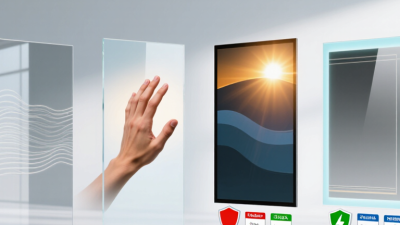
How to Choose Smart Windows for Your Home
Choosing Smart Windows for your home involves more than comparing prices and attractive app features. These windows can adjust tint, manage glare, reduce heat gain, or connect with home automation systems. However, their performance depends on climate, glass orientation, frame quality, and installation.
A south-facing bedroom may need strong glare control during summer afternoons. A shaded kitchen may benefit more from daylight and ventilation sensors. Electrochromic glass offers gradual tint changes, while motorized blinds provide a different kind of control. Neither option suits every household. It is easy to overestimate the technology.
Look for documented U-values, solar heat gain coefficients, visible transmittance, and warranty terms. Independent ratings, such as those verified through recognized window certification programs, can support a more reliable comparison. Ask whether the product has been tested for your regional weather conditions. A qualified installer should also explain wiring, maintenance, emergency operation, and software support.
Think beyond the showroom.
A window that looks impressive on a bright display may feel disappointing beside a real window with afternoon sun. Request performance data and, when possible, inspect a working installation. Consider privacy, cleaning access, replacement costs, and whether the controls remain useful if the internet fails. Smart Windows should make daily life easier, not create another device that needs constant attention. The best choice balances measurable energy performance, comfort, durability, and simple control. A little skepticism helps.
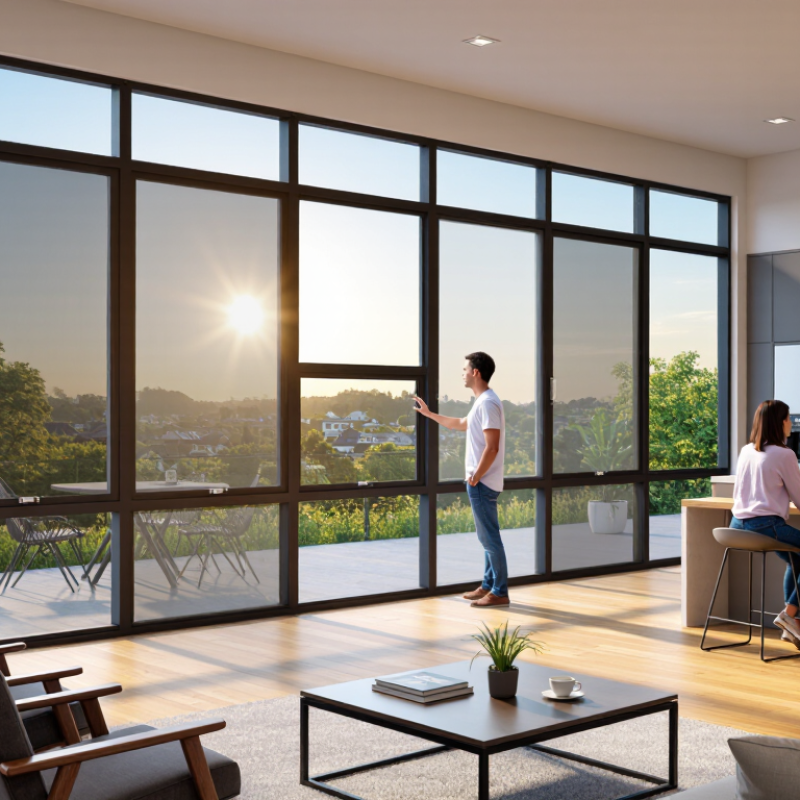
Define What Smart Windows Do and Why Your Home Needs Them
Smart windows are glazing systems that change their optical performance when conditions change. Electrochromic glass, for example, darkens through a low electrical current. Other systems respond to heat, sunlight, or manual controls. They can reduce glare, limit ultraviolet exposure, and manage indoor temperature without curtains staying closed all day.
The need is practical. The U.S. Department of Energy reports that windows can cause
25–30%
of residential heating and cooling energy use.
In a west-facing room, afternoon sun may turn a sofa into a warm, uncomfortable seat. Smart glazing can reduce solar heat before the air conditioner works harder. It may also protect flooring, artwork, and fabrics from intense daylight. Better comfort matters, too.
Choose based on the room, climate, and control method. A bedroom may need privacy and low nighttime light. A home office may benefit more from glare control. Ask for visible light transmission, solar heat gain coefficient, insulation performance, switching speed, and backup operation. The National Fenestration Rating Council identifies these measurements as important for comparing window performance. Do not assume darker always means better. Excessive tint can force lights on during the day, weakening the energy benefit. I would also test a sample near your actual window. Small details matter. Professional installation remains essential, yet even careful planning cannot remove every compromise.
Assess Energy Savings, Privacy, Security, and Comfort Benefits
Choosing smart windows should begin with measurable comfort, not futuristic appearance. The U.S. Department of Energy reports that windows can cause 25–30% of household heating and cooling energy use. Look for low U-values, suitable solar heat gain coefficients, and reliable sensors. Electrochromic glazing can reduce glare and unwanted heat during bright afternoons. However, savings depend on orientation, climate, shading, and user settings.
Energy savings matter.
Privacy needs practical testing. A window that darkens in daylight may still reveal silhouettes at night when interior lights are on. Test it from the street after sunset. Adjustable tint can reduce glare on a laptop and soften sharp sunlight across a wooden floor. The National Renewable Energy Laboratory has reported that advanced window and shading controls can improve daylight management and reduce cooling demand, although results vary by building design. Do not treat laboratory performance as a guaranteed household bill reduction.
Security benefits are more limited than many advertisements suggest. Laminated or reinforced glazing may delay forced entry, but smart tint alone is not a security barrier. Check whether the system continues operating during power loss, whether manual control remains available, and how securely its sensors communicate. The International Energy Agency identifies buildings as responsible for roughly 30% of global final energy demand, making efficiency important, but comfort should not be sacrificed for a theoretical percentage. My own buying rule would be simple: request independent performance data, inspect warranty exclusions, and compare winter and summer simulations. Perfect privacy does not exist. Poor installation can erase excellent specifications.
Match Window Controls With Your Home’s Smart System
How to Choose Smart Windows for Your Home
Match Window Controls With Your Home’s Smart System
Smart windows are easiest to use when their controls fit the system you already rely on. Check whether the window connects through your home hub, a dedicated app, or a wall switch. Then consider how you’ll use it each day. A bedroom window might need quiet scheduling, while a kitchen window may be more useful with a simple voice command. Compatibility details can change, so verify them with the manufacturer before buying.
Tips: List your existing controls, including hubs, sensors, and phone apps. Ask whether the window can still be opened manually during a power or network outage. That detail is easy to overlook. Test the control interface in person if possible; small labels and confusing menus can become irritating quickly.
Think about what should happen when the room gets hot, the air feels stale, or rain begins. A temperature sensor may trigger ventilation, but sensor placement matters: one near a sunny pane can give misleading readings. Start with a modest automation and adjust it after observing the room for a week. Not every routine will work perfectly at first, and that’s useful feedback.
Estimate Installation Costs, Maintenance Needs, and Long-Term Value
Smart windows can trim glare and heat, but their price depends on glazing area, wiring, controls, and retrofit difficulty. Ask for an itemized installation quote covering glass, electrical work, framing, and setup. The U.S. Department of Energy’s Energy Saver guidance estimates that windows account for about 25–30% of a home’s heating and cooling energy use. That figure describes windows overall, not guaranteed savings from smart glazing. Orientation matters: a west-facing room with afternoon sun may benefit more than a shaded north-facing one.
For long-term value, compare projected energy savings with the installed cost and expected service life. Request the product’s U-factor and solar heat gain coefficient, plus written details about warranty coverage and replacement parts. Ask how the controls work during a power outage, and whether the window can be cleaned with ordinary products. Some systems include powered controls; others need different care. Maintenance is easy to overlook. So is future repair access. A payback estimate should use your utility rates and local climate, not a generic online calculator.
Tips: Photograph each window, note its direction, and record room temperatures on sunny afternoons. Get at least two quotes with the same scope. Keep a small allowance for repairs; the exact amount is hard to predict. If projected savings look impressive, check the assumptions twice.
How to Choose Smart Windows for Your Home — Installation Costs, Maintenance Needs, and Long-Term Value
| Option |
Best suited for |
Estimated installed cost |
Example project cost |
Maintenance needs |
Long-term value considerations |
| Switchable smart film retrofit |
Existing sound glazing where adjustable tint is desired without replacing the entire window. |
$50–$100 per sq. ft. |
$6,000–$12,000 |
Clean with non-abrasive products; inspect film edges, wiring, and controls periodically. Follow the installer’s cleaning instructions. |
Can add controllable shading while retaining existing glass. Value depends on the condition of the original windows, installation quality, and how often the tint is used. |
| Electrochromic replacement glazing |
Rooms with strong sun exposure where variable tint and reduced glare are priorities. |
$100–$200 per sq. ft. |
$12,000–$24,000 |
Keep tracks and frames clear; check control connections and seals. Ask whether the glazing unit or control components are covered separately by warranty. |
May improve comfort and help manage solar heat gain. Energy savings vary with climate, orientation, existing glazing, shading, and household use. |
| Switchable privacy glass (PDLC) |
Bathrooms, interior partitions, and street-facing rooms where instant privacy is more important than solar control. |
$75–$150 per sq. ft. |
$9,000–$18,000 |
Use manufacturer-approved cleaners; protect electrical connections from moisture and have controls checked if switching becomes inconsistent. |
Provides on-demand privacy, but it is not a substitute for blackout shading and may not significantly reduce solar heat. Compare its function with the room’s actual needs. |
| Estimate basis: Example project costs assume 10 windows totaling approximately 120 sq. ft. and are illustrative U.S. dollar ranges, not quotes. Actual prices depend on window size, access, electrical work, frame condition, local labor, and permitting. Request itemized estimates and verify product performance, warranty coverage, and compatibility with existing windows before purchasing. |