
Leave Your Message
Curved Insulated Glass from China Suppliers - High-Quality Factory Solutions for Architectural Applications

Curved Insulated Glass from China Suppliers - High-Quality Factory Solutions for Architectural Applications

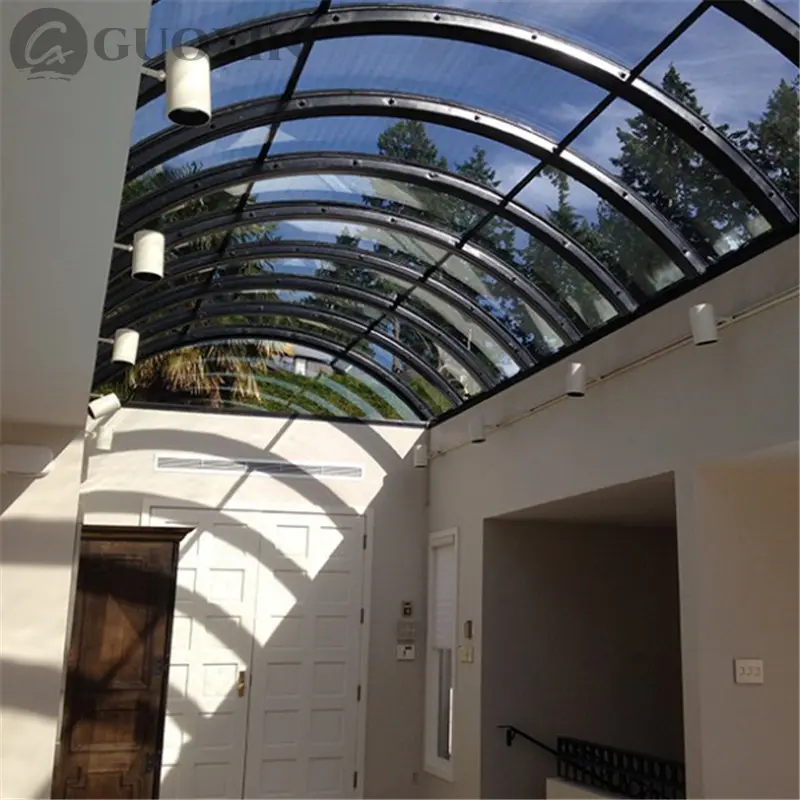
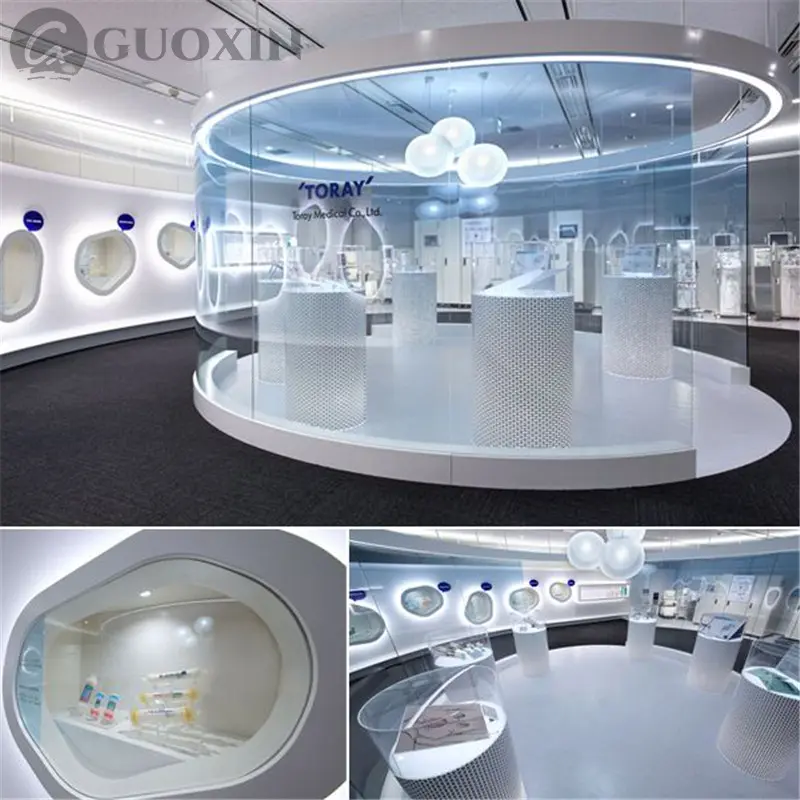
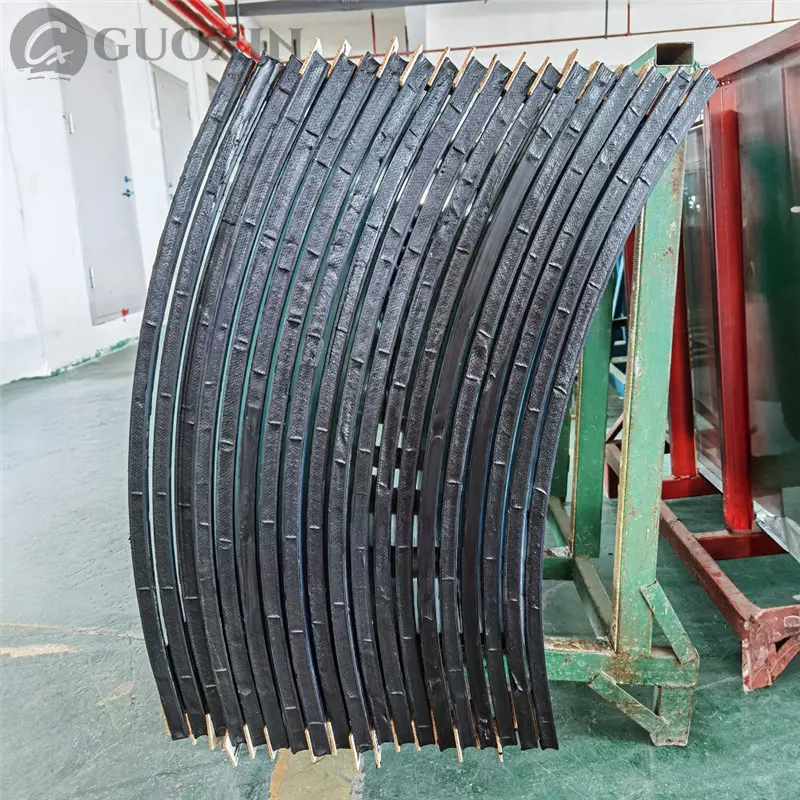
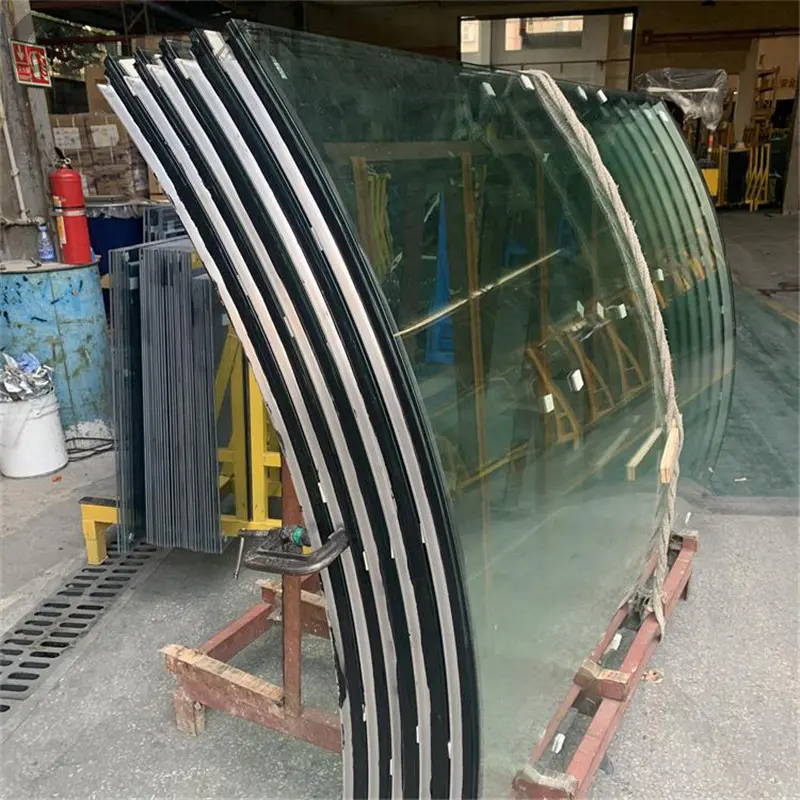
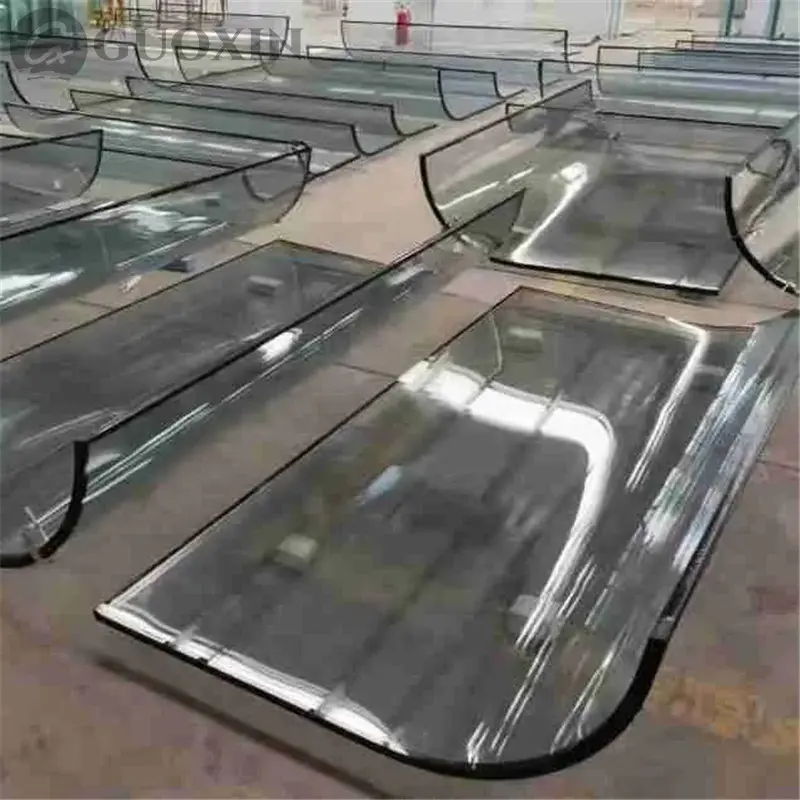
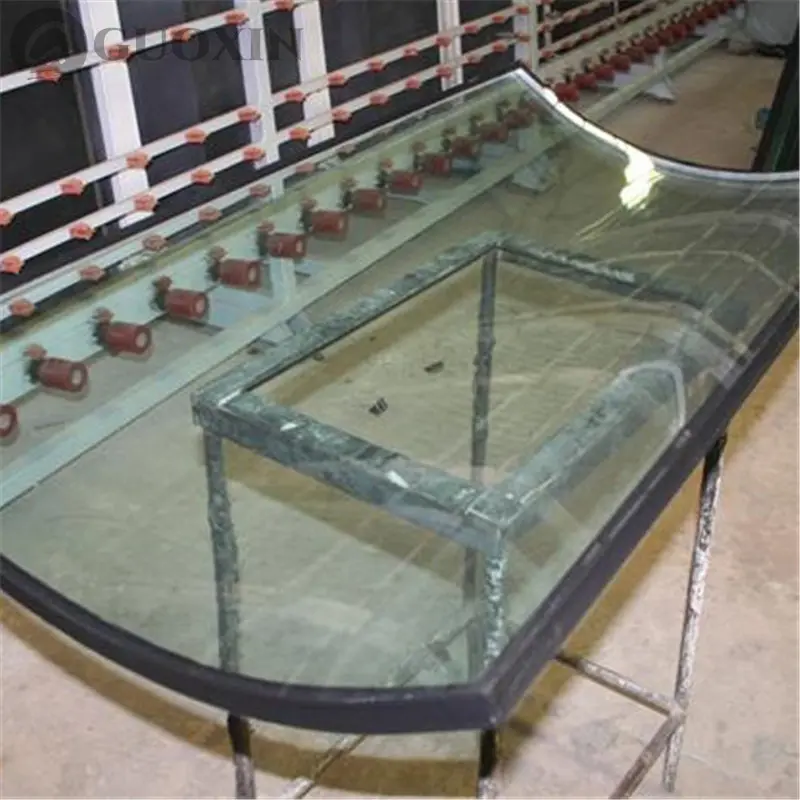
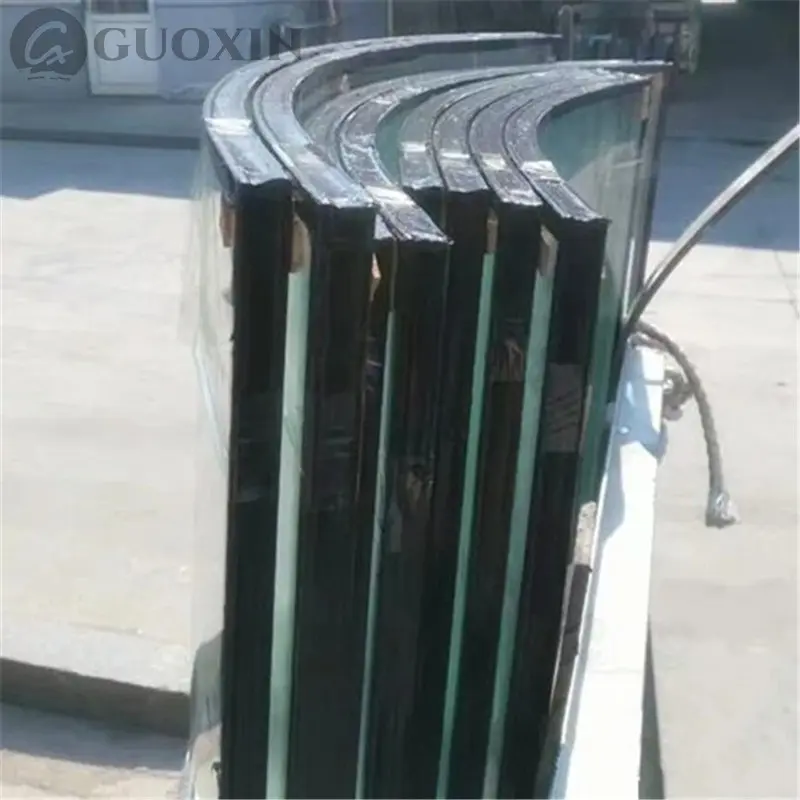
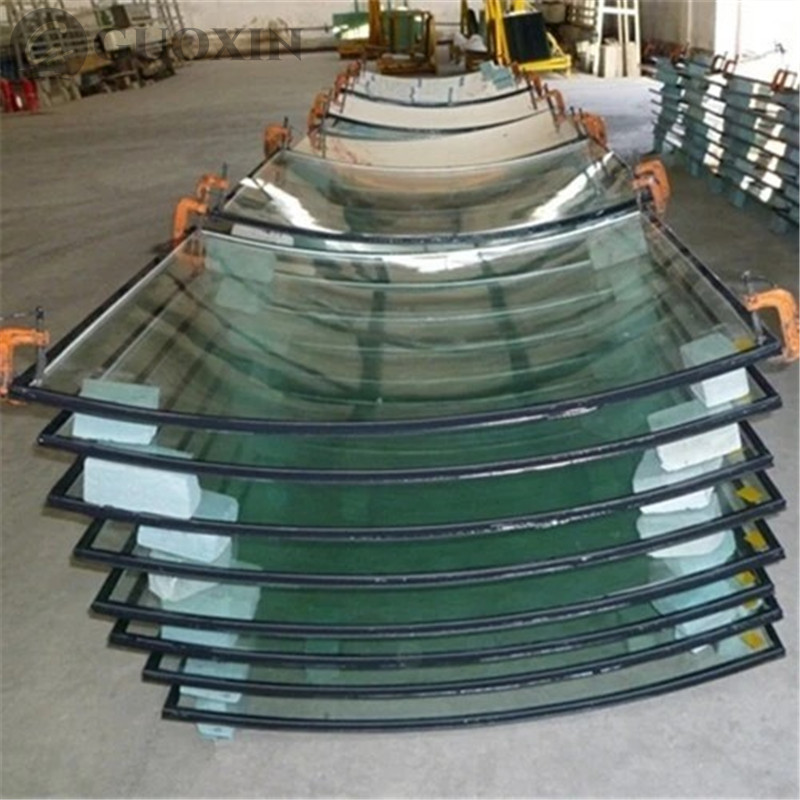
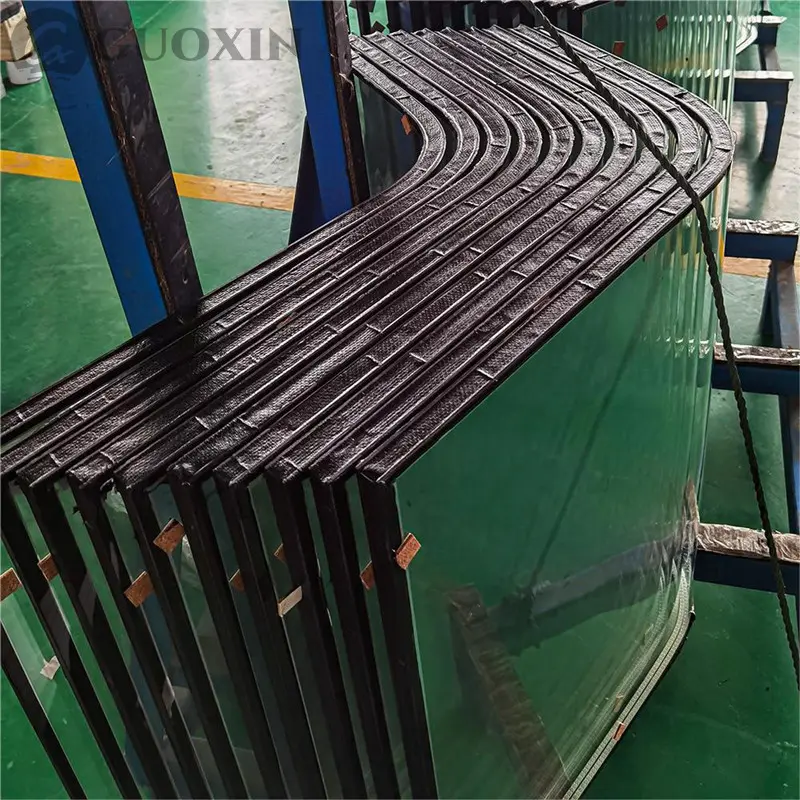
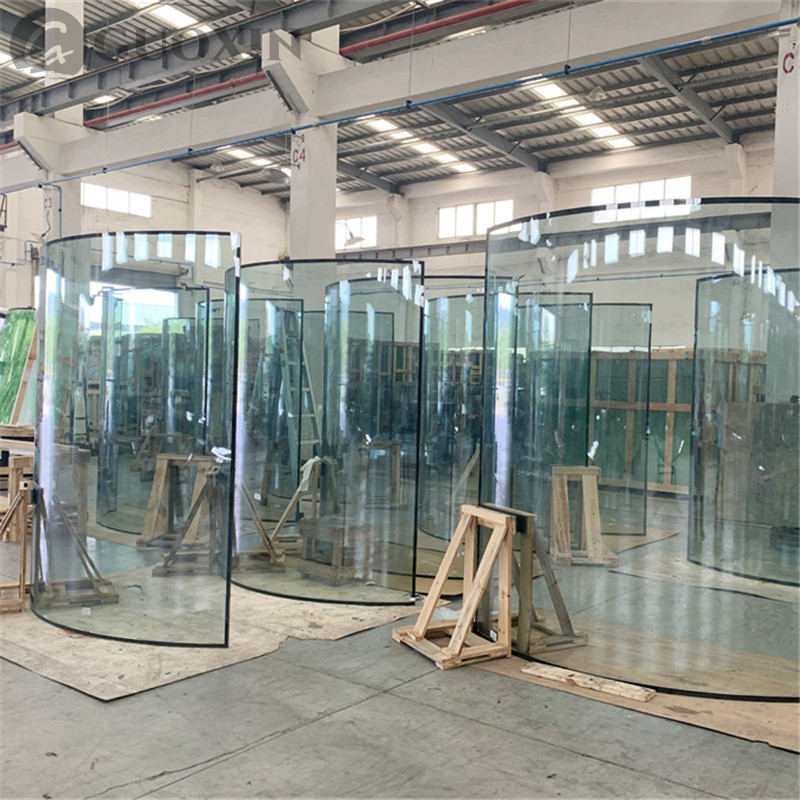
Short Description:, Curved insulated glass, produced by leading suppliers in China, is engineered with two or more layers of curved glass. This innovative product is securely sealed with a high-density, high-strength composite adhesive to ensure durability. Within the spacer, desiccant and dry gas are utilized to maintain a moisture-free environment, while the air or argon gas spacer effectively minimizes water vapor penetration, enhancing energy efficiency, Uses:, Applications for this versatile curved insulated glass include glass walls, ceilings, fences, railings, balustrades, partitions, furniture, and various household appliances. Manufactured in our state-of-the-art factory, this product is ideal for both residential and commercial projects seeking aesthetic appeal combined with functionality

    The Main Advantages of Curved Insulated Glass

    Curved insulated glass stands out as a revolutionary building material, offering unparalleled design flexibility and performance benefits. This innovative glass can be twisted or molded into a diverse range of shapes and configurations, enabling architects and designers to create visually striking facades and interior elements that break free from traditional flat surfaces.

    Beyond its aesthetic appeal, curved insulated glass significantly enhances the functionality of structures. It improves building performance by providing superior thermal insulation, which helps maintain stable interior temperatures throughout the year. This insulation reduces the reliance on HVAC systems, leading to substantial energy savings and lower operational costs.

    Moreover, the energy-saving advantages of curved insulated glass contribute to a building's sustainability credentials. By minimizing heat loss in winter and heat gain in summer, it supports eco-friendly design principles and helps achieve green building certifications. Its durability and long lifespan further reduce the need for frequent replacements, making it a cost-effective and environmentally responsible choice.

    🏛️

    Design Flexibility

    Curved windows in modern buildings adopt it for aesthetic appeal and thermal insulation, keeping interiors comfortable year-round.

    🛗

    Observation Elevators

    Observation elevators rely on its strength and clarity, providing safe, unobstructed panoramic views for passengers.

    🏢

    Commercial Facades

    Glass facades of commercial complexes use it to balance style and energy efficiency, enhancing urban landscapes.

    In summary, curved insulated glass combines cutting-edge design possibilities with exceptional performance, offering a smart solution for modern buildings seeking to balance aesthetics, functionality, and sustainability.

    Product Specifications
    Raw Glass Type Clear curved glass, tinted curved glass, reflective curved glass, low e curved glass, tempered curved glass, laminated curved glass etc.
    Glass Thickness 5mm+5mm, 6mm+6mm, 8mm+8mm, 10mm+10mm, 12mm+12mm etc.
    Aluminum Spacer Thickness 6A(mm), 9A(mm), 12A(mm), 15A(mm), 20A(mm)
    Maximum Size 3000mm × 6000mm
    Minimum Size 400mm × 600mm
    Gas in Air Spacer Air, Argon gas
    Glass Color Clear, ultra clear, bronze, blue, green, gray, etc.
    Curved Glass Types Curved tempered glass, curved laminated glass, curved insulated glass, curved low e insulated glass, curved ceramic frit glass, curved fluted glass, curved pdic glass, etc.
    Curved Insulated Glass (10)
    Curved Insulated Glass (1)
    Curved Insulated Glass (2)
    Curved Insulated Glass (4)
    Curved Insulated Glass (5)
    Curved Insulated Glass (6)
    Curved Insulated Glass (7)
    Curved Insulated Glass (8)
    Curved Insulated Glass (9)
    Frequently Asked Questions
    Q What is curved insulated glass and how is it made?
    Curved insulated glass is a type of double or multi-pane glass unit where the glass panels are bent or molded into a specific curved shape before being assembled with a sealed air or gas-filled spacer between them. The process typically involves heating flat glass to its softening point and shaping it over a mold, then assembling it into an insulated unit.
    Q What are the thermal insulation benefits of curved insulated glass?
    Curved insulated glass provides superior thermal insulation by trapping a layer of air or argon gas between two glass panes. This significantly reduces heat transfer, helping to maintain stable interior temperatures, lower energy consumption, and reduce reliance on heating and cooling systems throughout the year.
    Q What types of glass can be used to make curved insulated glass?
    A wide variety of glass types can be used, including clear curved glass, tinted curved glass, reflective curved glass, low-e curved glass, tempered curved glass, and laminated curved glass. The choice depends on the specific performance requirements such as solar control, safety, or acoustic insulation.
    Q What are the typical applications of curved insulated glass?
    Curved insulated glass is widely used in modern architectural applications including curved building facades, observation elevators, commercial complex glass curtain walls, skylights, curved windows, and interior design elements. It is valued for combining aesthetic design with high energy efficiency.
    Q What sizes are available for curved insulated glass?
    Curved insulated glass can be manufactured in a wide range of sizes. The maximum size available is 3000mm × 6000mm, while the minimum size is 400mm × 600mm. Custom sizes can be produced to meet specific project requirements.
    Q Does curved insulated glass support green building certifications?
    Yes. Curved insulated glass contributes to green building certifications such as LEED by minimizing heat loss in winter and heat gain in summer. Its energy-saving properties reduce a building's carbon footprint, and its long lifespan reduces the frequency of material replacement, supporting sustainable construction practices.

    Leave Your Message