How to Install a Mirror Wall for Stunning Home Decor?
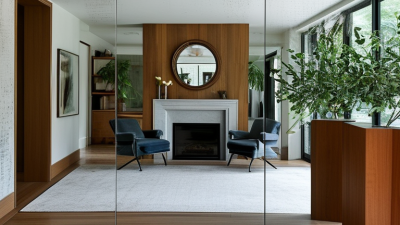
Creating an impactful home decor begins with bold choices. One such choice is the installation of a Mirror Wall. Expert interior designer Julia Winters emphasizes, “A well-placed mirror can transform any space into a work of art.” This notion has sparked interest among homeowners seeking elegance and style.
A Mirror Wall not only enhances the aesthetics but also influences perception and space functionality. The reflective surface can make a room feel larger. However, it’s crucial to consider placement. A poorly positioned mirror might disrupt flow or create awkward reflections. Even professionals can make the mistake of overlooking how sunlight may wash out designs or create glares.
Choosing the right type of mirror is equally significant. Different styles, shapes, and frames can cater to distinct tastes. Remember, the aim is to complement your decor while avoiding redundancies. While the allure of a Mirror Wall is attractive, reflection upon its practicality and integration with your overall theme is vital. Embracing these challenges can ensure a successful and stunning outcome in home decor.
Choosing the Right Location for Your Mirror Wall Installation
Choosing the right location for your mirror wall installation is key to transforming your space. According to the American Society of Interior Designers, mirrors can make a room appear up to 50% larger. This visual trickery works best in smaller rooms or tight hallways. Even in larger spaces, a well-placed mirror can help create balance and openness.
When deciding where to position your mirror wall, consider natural light sources. Placing a mirror opposite a window allows sunlight to reflect throughout the room, enhancing brightness. Research shows that well-lit spaces can improve mood and productivity by as much as 20%. Look for walls that are bare and uninviting. Transform them into beautiful focal points using mirrors. They can also strategically reflect artwork or decorative items, adding depth and interest.
Tips: Ensure your mirrors are properly anchored. Heavy mirrors can be hazardous if they fall. Use adequate hardware and consider the weight of your mirrors. It’s also wise to measure your wall space carefully. A miscalculated size can lead to an awkward fit, making the design feel incomplete. Remember that not every wall is suitable. Sometimes, less is more.
Selecting the Ideal Mirror Type and Style for Your Space
When selecting a mirror for your wall, consider the space you have. The type of mirror can dramatically affect your room's atmosphere.
Larger mirrors can create the illusion of more space.
Smaller mirrors can add a decorative touch while remaining subtle.
Think about the purpose of the mirror. Is it purely decorative, or do you need it functional?
Tips for choosing mirror types include styles like frameless, framed,
or even vintage options. Each brings a unique feel. A frameless mirror can lend a modern touch, while
a vintage frame can add character. Reflect on your room's color scheme. A well-chosen mirror can harmonize with your decor,
enhancing the overall aesthetic. Don't match everything perfectly; some contrast can be refreshing.
You might wonder about placement. Positioning your mirror at eye level or opposite a window can maximize natural light.
Experiment with different arrangements before finalizing. Sometimes, what you envision doesn't translate into reality.
Trust your instincts but remain open to adjustments. The right mirror choice can transform your home decor into something stunning.
Preparing Your Wall for the Installation Process
Preparing your wall for a mirror installation can be both exciting and challenging. First, clear the area where the mirrors will be placed. Remove any furniture and wall decorations to ensure a seamless setup. Dust and clean the wall thoroughly. This step is crucial; dirt or debris can affect the adhesive used later.
Next, check the wall for imperfections. Use a level to ensure it is straight. Minor bumps or dips may need spackling. This can take time, but it's essential for the best results. While sanding the spackled area, wear a mask to avoid inhaling dust particles. Be patient during this process; rushing can lead to an uneven surface.
Lastly, consider the layout of your mirrors. Use painter's tape to outline your design. This will give you a visual guide and help you adjust as needed. Stand back and review the arrangement. Reflect on the height and spacing. This final touch can enhance the overall aesthetic. Taking these steps ensures that the mirrors not only look good but also contribute positively to your home decor.
How to Install a Mirror Wall for Stunning Home Decor? - Preparing Your Wall for the Installation Process
| Dimension |
Description |
Preparation Steps |
| Wall Type |
Choose between drywall, concrete, or plaster. |
Inspect for any damages or imperfections that need to be fixed. |
| Surface Cleanliness |
The wall should be clean and free from dust and debris. |
Wipe down with a damp cloth and let it dry completely. |
| Measurements |
Accurate measurements of the wall area to be covered. |
Use a tape measure to record height and width. |
| Leveling |
Ensure the wall is level. |
Use a level tool to check and mark straight lines. |
| Tools Required |
Gather all necessary tools such as adhesive, cutter, and safety gear. |
Make sure all tools are in good condition and ready for use. |
Step-by-Step Guide to Installing the Mirror Panels
Installing a mirror wall can transform your space dramatically. Begin by measuring the wall you want to cover. This step is crucial for purchasing the right amount of mirror panels. Choose a location that receives ample light; it maximizes the reflective effect. It's vital to clean the wall thoroughly before installation. Dirt or dust can affect adhesive strength.
When applying mirror panels, work carefully. Start from one corner and press firmly as you go. Ensure a snug fit as gaps can reduce the aesthetic appeal. If you encounter challenges in positioning, don't rush. Take your time and readjust as needed. Mistakes are part of the process; learning from them is essential.
**Tips:** Use a level tool after applying each panel. This ensures your mirror wall stays aligned. If using adhesive, allow it to cure fully before adding weight. Sometimes, beginners may experience mirror slippage. In those cases, reinforcement with brackets or additional adhesive can help. Take breaks if you feel frustrated. A fresh perspective can lead to better results.
Finishing Touches and Decor Ideas for Your Mirror Wall
When creating a stunning mirror wall, finishing touches and decor ideas are essential. Mirrors not only reflect light but also enhance the perceived space in any room. According to a report from the American Society of Interior Designers, effective use of mirrors can increase perceived home values by up to 15%.
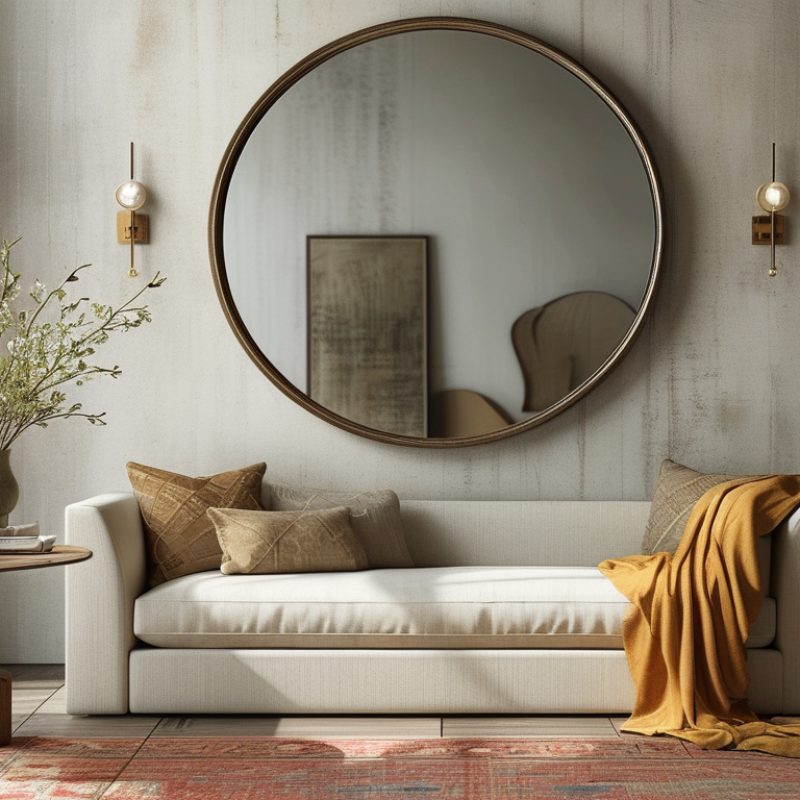
One popular idea is to frame your mirror wall with decorative trim. This adds depth and contrast. Choose a frame that complements your existing decor. For instance, a rustic wooden frame can give a warm, inviting feel, while sleek metallic finishes create a modern vibe. Creative lighting can also play a critical role; backlit mirrors illuminate your space and create a dramatic effect.
Tip: Consider the positioning of your mirrors. Place them where they can reflect attractive views from windows or artwork.
Another reflection point is to experiment with mirror shapes. Circular or irregular shapes can bring a fresh look to a traditional square layout. Use smaller mirrors to create a patchwork effect. This not only adds visual interest but also allows you to play with different styles. Balance is also key; avoid overcrowding the wall, as it can feel chaotic.
Tip: Use different textures around the mirror wall. Soft textiles, plants, and artworks can enhance the overall aesthetic.
Mirror Wall Installation Popularity Over the Years