Top 10 Fire Proof Glass Brands in China You Should Know?
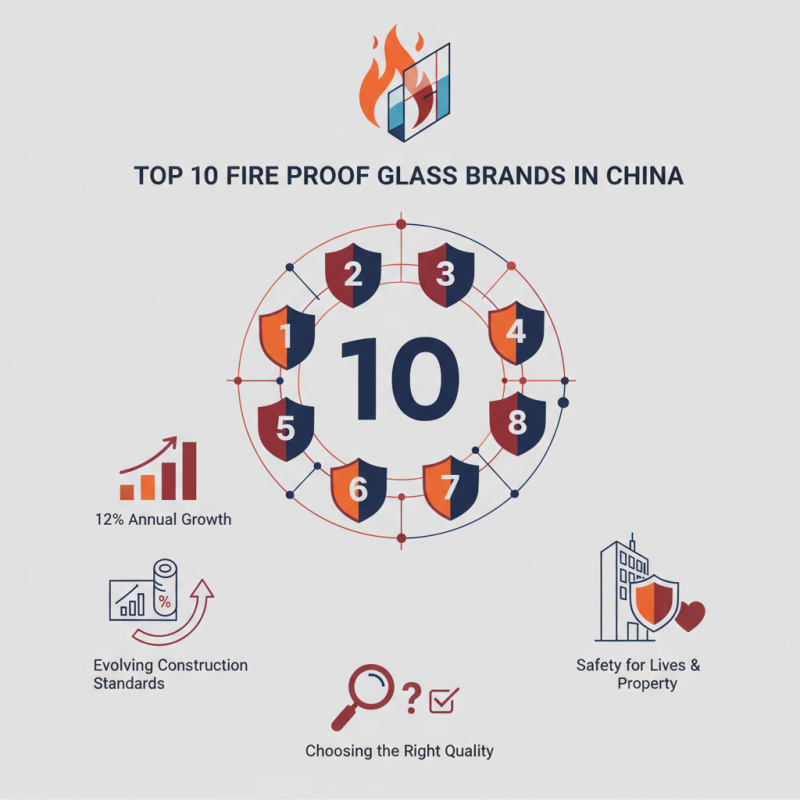
In recent years, the demand for Fire Proof Glass in China has surged. As safety regulations tighten and construction standards evolve, businesses and homeowners alike seek reliable options. According to a report by the China Building Materials Academy, the market for fire-rated glass is projected to grow by 12% annually over the next five years. This indicates a strong trend toward prioritizing safety in architectural designs.
Industry expert Dr. Li Wei, a leading researcher in fire safety materials, states, "The effectiveness of Fire Proof Glass lies not only in its heat resistance but also in its ability to protect lives and property." This highlights the significance of quality in this niche market. However, with numerous brands available, choosing the right one can be challenging.
While many brands boast impressive certifications, discrepancies in quality remain. Some products fail to meet safety standards despite attractive marketing claims. This complicates decision-making for consumers. Therefore, exploring the top fire-rated glass brands in China becomes essential. Understanding these options helps ensure safety without compromising on aesthetics.
Overview of Fire Proof Glass and Its Applications
Fireproof glass is a critical component in modern architecture and safety design. It is engineered to withstand high temperatures and resist fire for a designated time, making it essential in various applications. According to industry reports, the global fireproof glass market was valued at over $3 billion in 2022 and is expected to grow steadily. This increase reflects heightened safety regulations in both residential and commercial buildings.
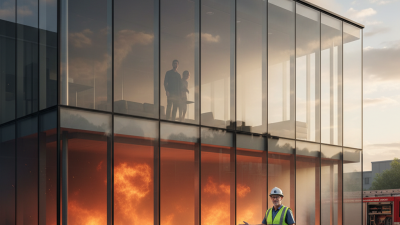
Applications of fireproof glass span from high-rise buildings to public spaces like airports. It is widely used in fire-rated doors and windows. These installations not only provide visibility but also serve as barriers in case of a fire. Remarkably, certain fire-resistant glasses can endure heat up to 1,200 degrees Celsius for up to 90 minutes, offering crucial escape time. However, there are limitations; some products may not withstand extreme thermal shock or may require additional framing systems to perform effectively.
Despite the advancements in fireproof glass technology, challenges remain. Selecting the right type can be complex due to varying standards and certifications. Not all products are created equal, and improper installation can compromise safety. Ongoing research is essential to address these issues and improve overall reliability. The market is evolving, yet a cautious approach remains necessary for effective safety measures.
Top 10 Fire Proof Glass Brands in China: A Comprehensive Review
In the ever-evolving field of fire safety, fireproof glass plays a critical role. It is specifically engineered to withstand high temperatures and prevent flames from spreading. Recent reports indicate that the fire-resistant glass market in China is expected to grow at a rate of 5% annually through 2025. This highlights the rising demand for safety and protection in building designs.
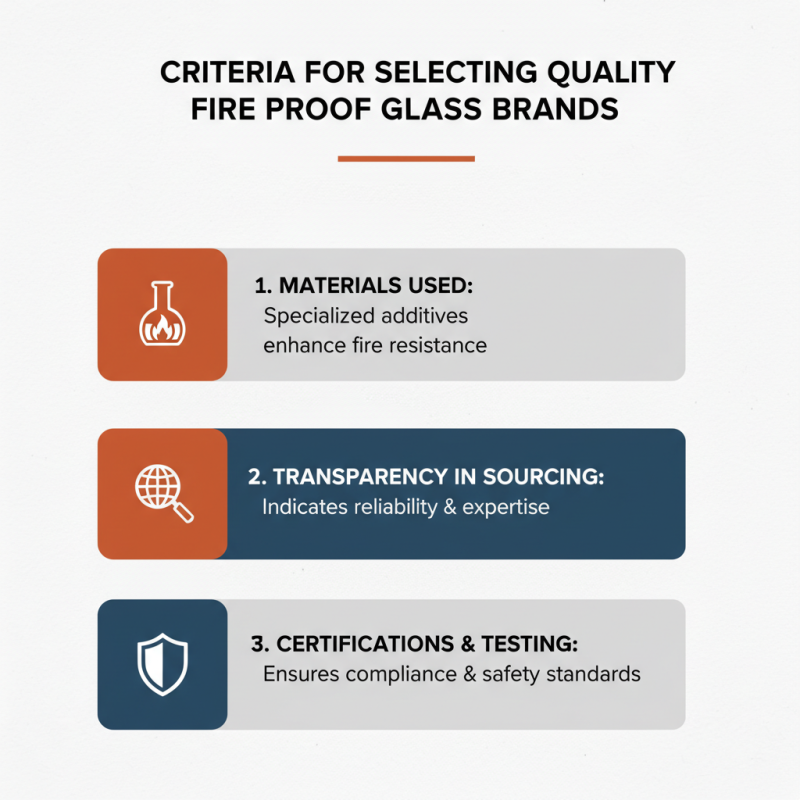
When selecting fireproof glass, consider the various types available. Some are certified to withstand heat for over an hour. This is vital in settings where life safety is paramount. The right choice can significantly enhance a building’s safety profile. However, not all products meet the same standards. It's crucial to verify the certification and test results of the glass you intend to use.
Tips: Always ask for product specifications and testing certifications. Make sure to consult with professionals who specialize in fire safety. They can provide insights on the best practices for installation and usage. Remember, investing in quality fireproof glass isn't just a regulatory requirement; it is a commitment to safety for occupants.
Top 10 Fire Proof Glass Brands in China
| No. |
Brand Characteristics |
Fire Resistance Rating |
Market Position |
Key Applications |
| 1 |
High strength, lightweight design |
60 minutes |
Market Leader |
Commercial buildings |
| 2 |
Excellent thermal insulation |
90 minutes |
Prominent Player |
Residential buildings |
| 3 |
Eco-friendly materials used |
120 minutes |
Innovative Brand |
Industrial applications |
| 4 |
Stylish designs and finishes |
30 minutes |
Luxury Segment |
High-end hotels |
| 5 |
Cost-effective solutions |
45 minutes |
Value Brand |
Budget constructions |
| 6 |
High transparency and clarity |
60 minutes |
Sustainable Practices |
Skylights and facades |
| 7 |
Advanced fire-resistive technology |
120 minutes |
Highly Rated |
Public facilities |
| 8 |
Shock-resistant properties |
90 minutes |
Trusted by Developers |
Educational buildings |
| 9 |
Customizable options available |
60 minutes |
Flexible Brand |
Retail stores |
| 10 |
Rapid installation |
30 minutes |
Emerging Competitor |
Temporary structures |
Comparative Analysis of Features and Pricing of Leading Brands
When selecting fireproof glass, understanding features and pricing is crucial. Leading brands offer various options that suit different needs. On average, fire-resistant glass can cost between $50 to $150 per square foot, depending on thickness and rating. Brands typically use materials such as ceramic or tempered glass. These materials enhance safety during fires.
A comparative analysis shows that higher-priced options may provide better durability and higher heat resistance. For instance, specialized coatings can add to the cost but improve performance. Brands with extensive testing and certification reports usually command a premium. Always consider long-term benefits over initial costs.
Tips for buyers: look for industry certifications like UL or ASTM. Check for warranty details to ensure reliability. Remember, not all fireproof glass is created equal. Some may not meet specific local building codes. Prioritize products with proven effectiveness through independent testing. This will guide you toward trustworthy options in the market.
Emerging Trends in Fire Proof Glass Technology in China
In recent years, fireproof glass technology has rapidly evolved in China. The focus is primarily on enhancing durability and safety. New manufacturing techniques improve resistance against high temperatures. This trend is driven by growing urbanization and stricter safety regulations. Companies are investing in research and development to meet these demands.
Fireproof glass is now made using advanced materials. For instance, laminated glass and intumescent films are popular. These materials can withstand intense heat and prevent the spread of flames. Furthermore, energy efficiency is becoming a key consideration. As the industry adapts, the emphasis on eco-friendly options grows. Many consumers want products that are both safe and sustainable.
Tips: When choosing fireproof glass, consider the certification it holds. Look for products tested under national standards. Always examine the transparency and aesthetics to ensure they fit your design needs. Remember, the right glass can enhance safety without compromising beauty.
Understand that this technology is still evolving. New solutions might emerge that are more effective. Stay informed about updates and improvements in fireproof glass technology. Your choices today can influence safety tomorrow.