
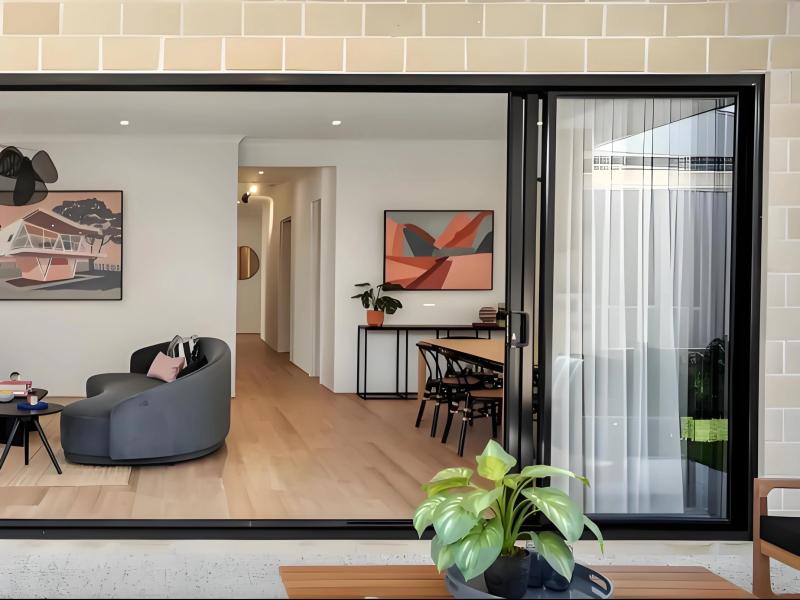

What common engineering risks exist during the construction and installation of Tilt&Turn Window?
What Hidden Problems Usually Happen During Tilt&Turn Window Installation in Construction Projects
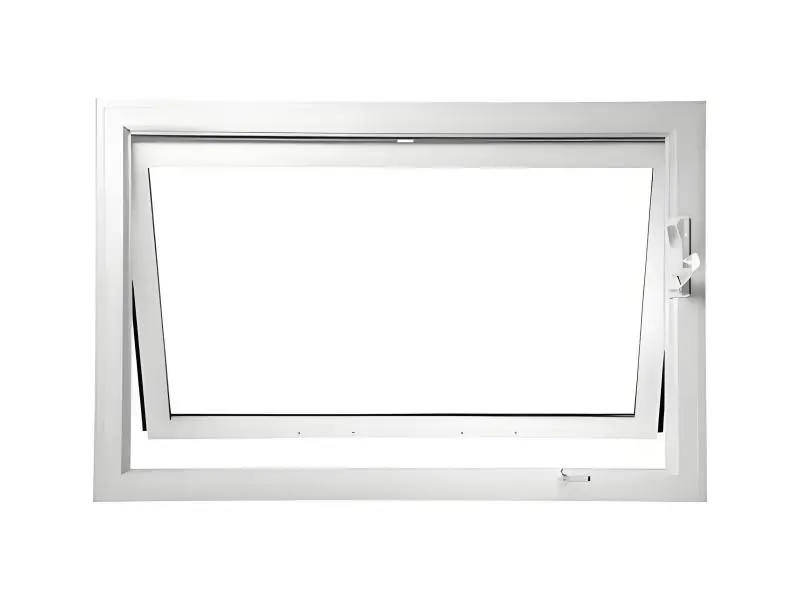
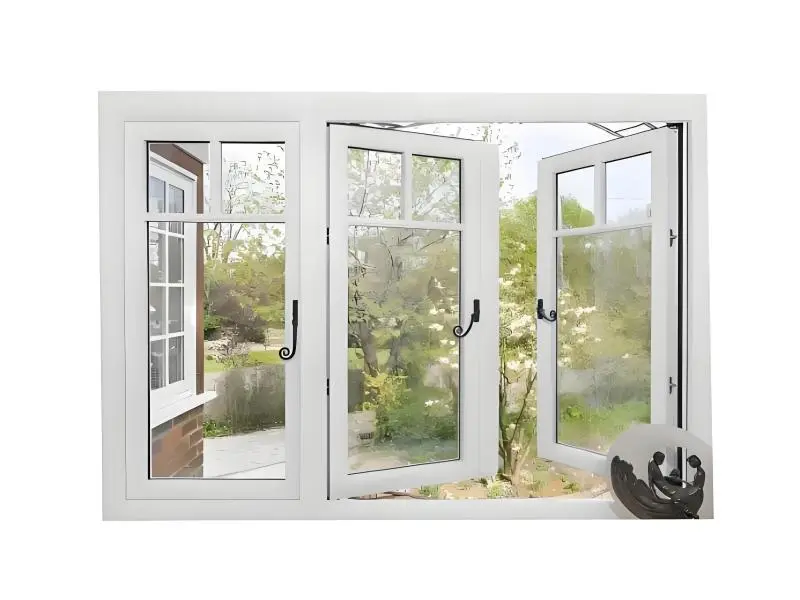
As a professional window and glass manufacturer, we know tilt&turn window is extremely popular for modern residential and commercial buildings. It supports two opening ways and offers flexible ventilation, which perfectly fits current architectural design needs. However, compared with traditional windows, the structure of tilt&turn window is more sophisticated, making installation precision crucial. Most quality and safety issues we encountered in actual projects are caused by non-standard construction, low installation accuracy and careless detail handling. These small installation problems will not only affect the daily use experience of windows and shorten the service life of the whole window system, but also lead to frequent after-sales maintenance and even potential safety hazards in the later operation stage of construction projects.
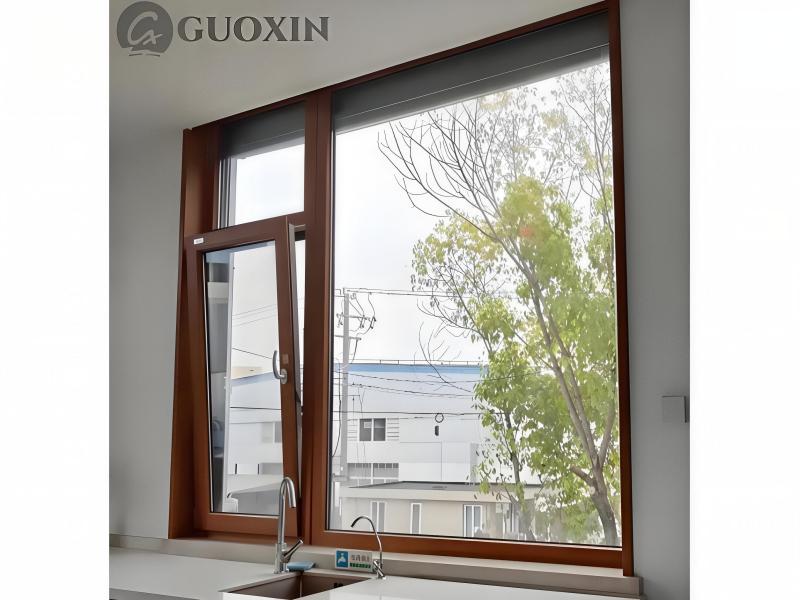
Common Installation Risks of Frame Leveling and Fixing for Custom Aluminium Windows with Tilt&Turn Design
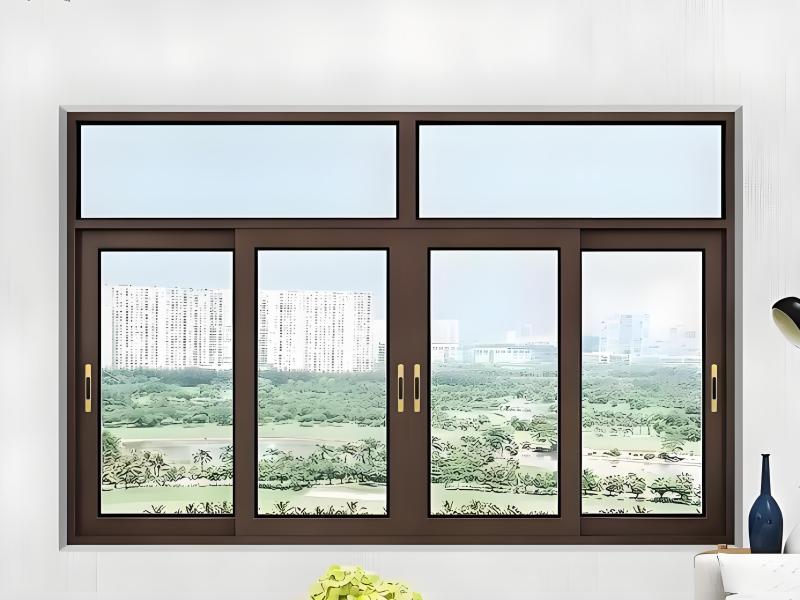
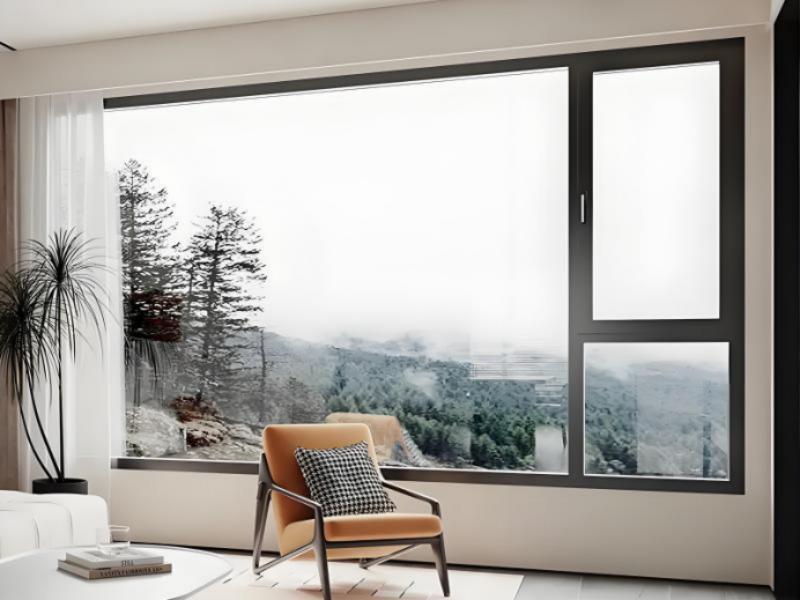
Most high-performance tilt&turn window products on the market are aluminium windows, which are widely recognized for their light weight, high strength and strong customizability. But in actual construction, we often see many unprofessional installation problems on these aluminium windows. To speed up the project progress, many construction teams skip fine leveling and precise fixing steps. This easily causes tilted window frames and uneven gaps between the frame and wall opening. Without firm and horizontal fixation, the window frame will shake and displace under long-term wind pressure and building settlement. Finally, the tilt&turn window will be stuck when opening and closing, greatly undermining the overall stability and service performance of aluminium windows in long-term use.
How Poor Sealing Installation Ruins the Energy-Saving Effect of Thermal Windows
Thermal windows are core energy-saving building components, focusing on heat insulation, thermal preservation and airtight waterproof performance. Tilt&turn window is one of the best choices to realize excellent thermal insulation for building facades. In our years of project experience, poor sealing and irregular gap filling are the biggest installation risks for thermal windows. Many installers use unqualified sealing materials and irregular construction methods, resulting in hollow sealant and incomplete gap sealing. These trivial construction defects will cause air penetration and heat loss through windows. In the end, the thermal windows fail to achieve expected energy-saving effects and cannot meet standard building thermal insulation requirements, bringing unnecessary energy consumption losses to the whole building.
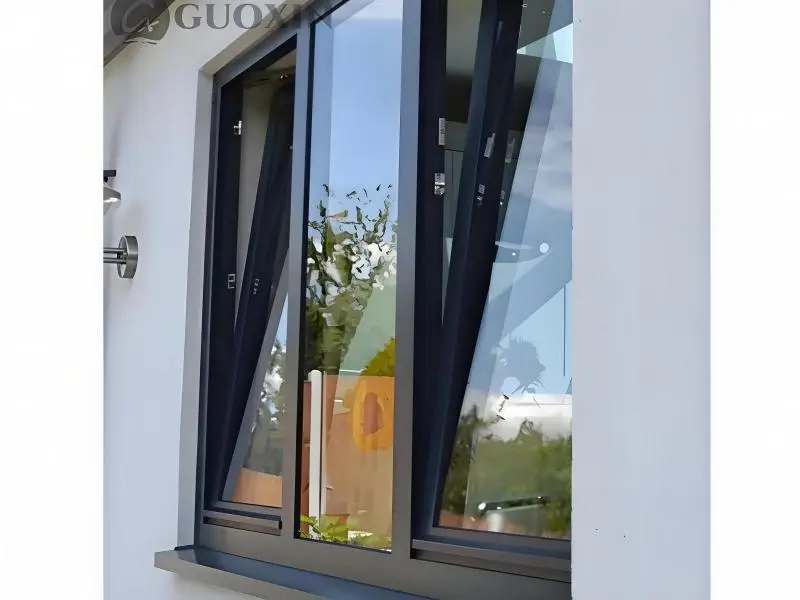
Potential Safety Risks of Irregular Installation for Fireproof Windows with Tilt&Turn Function
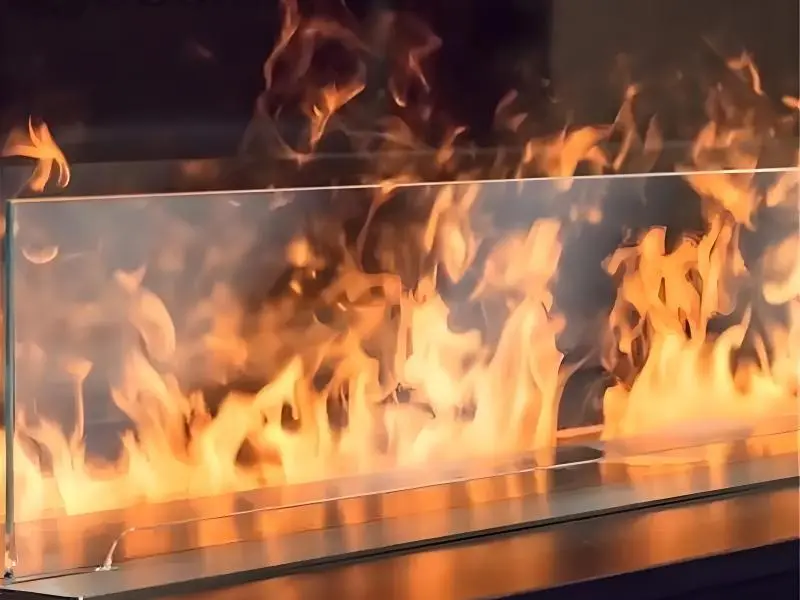
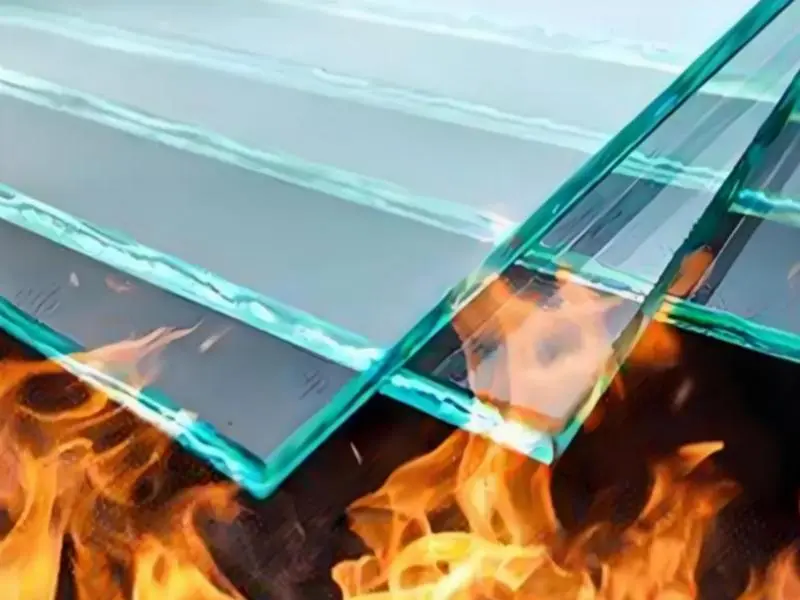
Fireproof windows are mandatory for high-rise buildings and public construction projects, which must strictly comply with national fire protection codes. Nowadays, more project owners choose to add tilt&turn ventilation function to traditional fireproof windows to balance safety and comfort. However, irregular installation will completely destroy the integrity of fireproof windows. Random cutting of fire-resistant profiles, misplaced fireproof sealing strips and unqualified fireproof gap filling will greatly reduce the fire isolation capacity of fireproof windows. Worse still, incorrect installation will block the normal tilt and turn movement of windows, creating dual hidden dangers of fire safety failure and window function failure for the whole building.
Hardware Assembly Errors and Long-Term Durability Risks of Tilt&Turn Window Systems
The flexible dual-opening function of tilt&turn window fully relies on supporting hardware accessories, which determine the service life and safety of the whole window system. In on-site construction, hardware installation errors are extremely common, including misplaced mounting positions, uneven screw tightening and mismatched hardware models. Minor errors will make the tilt&turn window stiff and unsmooth to use. Serious assembly problems will lead to sash sagging, hardware deformation, and even sash falling off after long-term use. These hidden faults greatly shorten the service life of tilt&turn window, increase daily maintenance frequency, and bring undeniable safety risks to building window systems.
Post-Installation Debugging Defects and Practical Risk Prevention Solutions for All Kinds of Building Windows
Post-installation debugging is the final and key step to eliminate all installation risks of tilt&turn window, yet it is always ignored or simplified in most construction sites. Uncalibrated sash tightness, untested tilt&turn flexibility and unchecked sealing gaps will leave long-term hidden troubles for aluminium windows, thermal windows and fireproof windows with tilt&turn functions. As an experienced building window solution supplier, we recommend standardized final inspection, professional debugging and strict project acceptance. This simple but effective operation can avoid almost all common installation risks, ensure all window performance indicators meet design standards, and greatly improve the overall construction quality of building window systems.
Founded in 2006, Jiangsu Guoxin Glass Co., Ltd. is a professional glass and window manufacturer with 20 years of industry experience. We specialize in r&d and production of aluminium windows, fireproof glass, laminated glass and insulated glass, delivering reliable, high-quality building window solutions. Feel free to contact us for professional customization and technical consultation for your construction projects.