

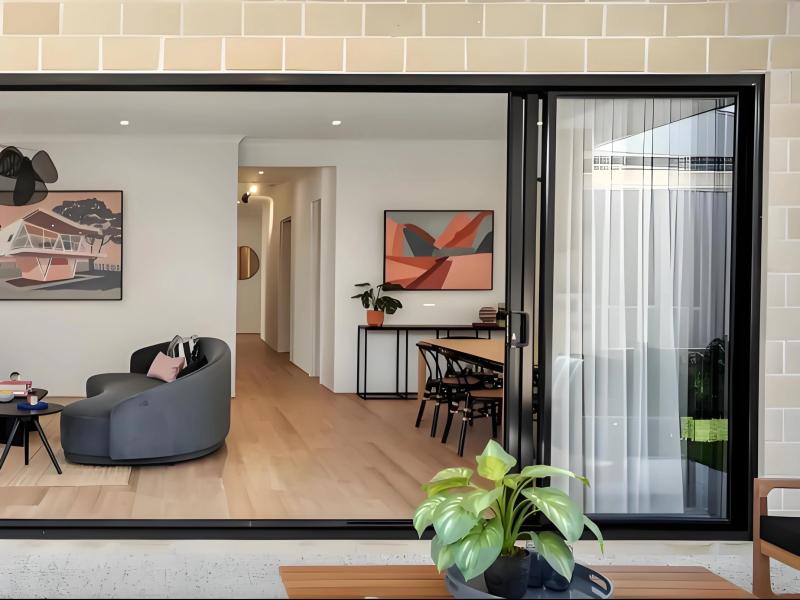
How can Hinged Door match the energy-saving design indicators of public buildings?
Why Exterior Door Systems Are the Key Breakthrough for Public Building Energy-Saving Design
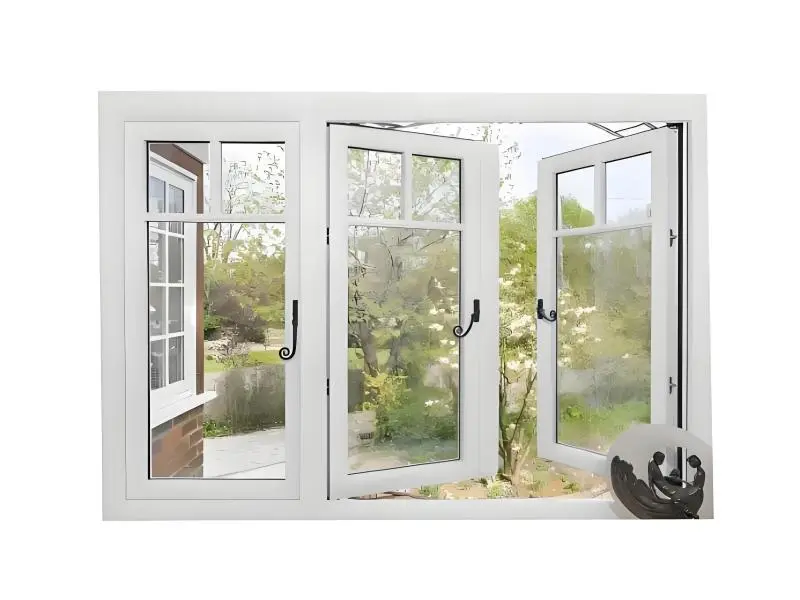
Modern public buildings such as shopping malls, office buildings, transportation hubs and municipal facilities follow strict energy-saving acceptance standards. The core goal is to reduce building heat loss, minimize temperature exchange and cut long-term operational power consumption. Many engineering teams focus heavily on energy-saving construction for walls and roofs, yet overlook a critical weak point: exterior door systems are the main source of air and heat leakage, which largely determines whether a building can pass energy-saving certification. Among mainstream door types, folding door and sliding glass doors prioritize transparency, aesthetics and flexible opening, while the hinged door is the most widely used and highly adaptable option for entrances and functional zones in public buildings. As a professional manufacturer providing complete door and glass solutions, we fully recognize that selecting and designing qualified hinged door products effectively fills the energy-saving loopholes of building openings and easily meets standard public building energy regulations.
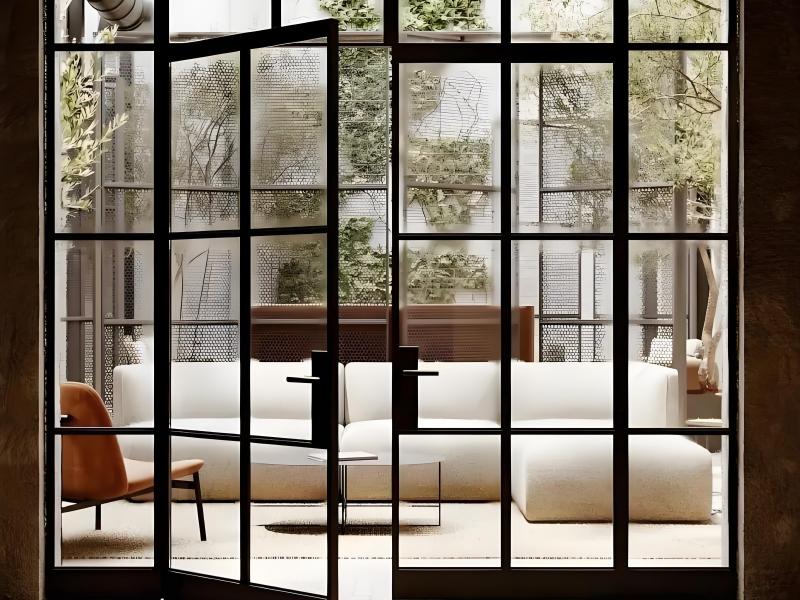
In-Depth Interpretation of Core Energy-Saving Indicators for Public Building Doors & Windows
Architectural engineers and designers know clearly that door and window energy efficiency depends on practical hard indicators, including heat transfer coefficient, air tightness, wind pressure resistance and thermal stability. These are mandatory inspection items for all public building projects. Unlike residential buildings, public buildings feature large pedestrian flow, frequent door opening and closing, and year-round continuous operation, which demands higher durability and stable energy performance from door systems. Most ordinary doors work well in the short term but gradually suffer air leakage and weakened insulation after long-term frequent use. Optimized hinged door products can perfectly match graded energy-saving standards for different public building types. In contrast, conventional folding door and sliding glass doors usually require extra customization and upgraded sealing structures to reach the same energy-saving level, which increases project costs and construction cycles.
Optimized Structural Design of Hinged Door to Meet Public Building Energy-Saving Standards
Many clients ask why our hinged door products consistently meet high energy-saving standards for public buildings. The answer lies in our systematic and refined structural optimization. Firstly, our hinged door adopts a professional thermal break cavity structure that blocks indoor and outdoor heat conduction, preventing outdoor heat from entering in summer and locking indoor heat in winter to greatly reduce air conditioning and heating energy consumption. Secondly, the multi-layer sealing strip and integrated door frame design eliminate air leakage and hot/cold air penetration, delivering far better air tightness than ordinary doors. In addition, we equip every door with high-quality hinges and locking hardware to ensure tight closure at all times and avoid sealing failure caused by long-term usage. This mature optimization system enables our hinged door to maintain stable energy-saving performance even under high-frequency opening and closing conditions in public buildings.
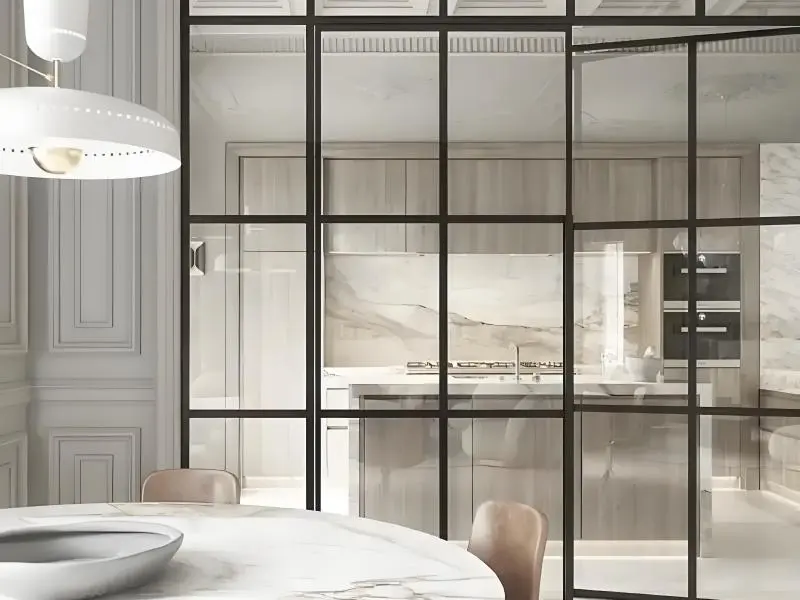
Unique Energy-Saving and Application Advantages of Aluminium Hinged Doors in Large Public Buildings
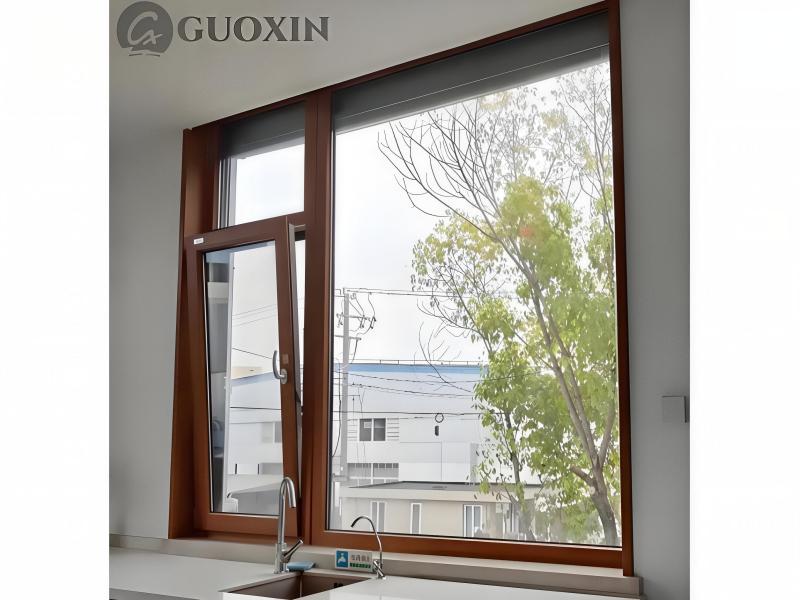
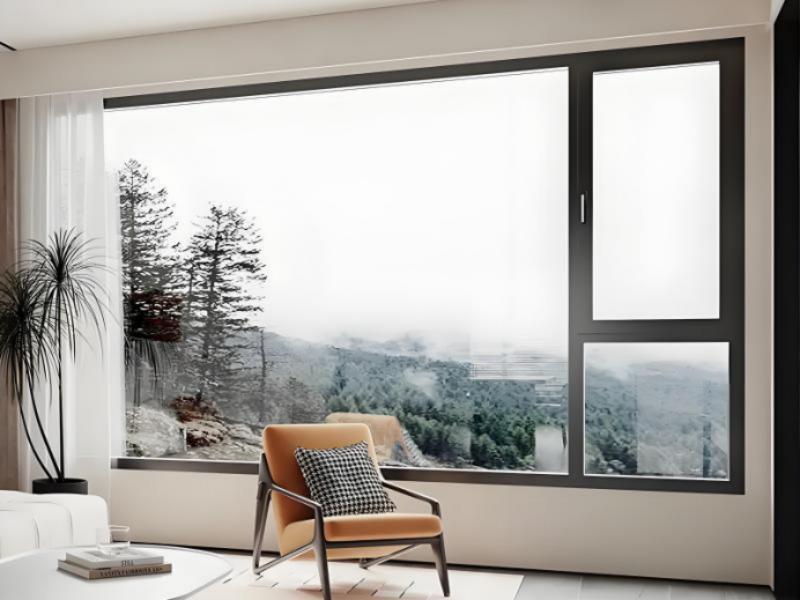
In our public building energy-saving projects, aluminium hinged doors are always the top choice for developers and designers, with obvious advantages over traditional wooden and steel hinged door products. Our high-strength thermally broken aluminium hinged doors feature low thermal conductivity and excellent stable insulation performance, perfectly fitting the facade design requirements of commercial complexes, municipal venues and large office buildings. Meanwhile, the aluminium profiles adopt professional anti-corrosion and weather-resistant surface treatment, resisting outdoor wind, rain and sunlight erosion without aging, deformation or performance attenuation, thus maintaining long-term energy efficiency. More importantly, the lightweight and high-strength aluminium structure reduces load on building walls. It perfectly meets structural safety requirements while ensuring full compliance with energy-saving standards, delivering outstanding cost performance.
Scenario-Based Selection for Graded Energy-Saving Design: Hinged Door, Folding Door and Sliding Glass Doors
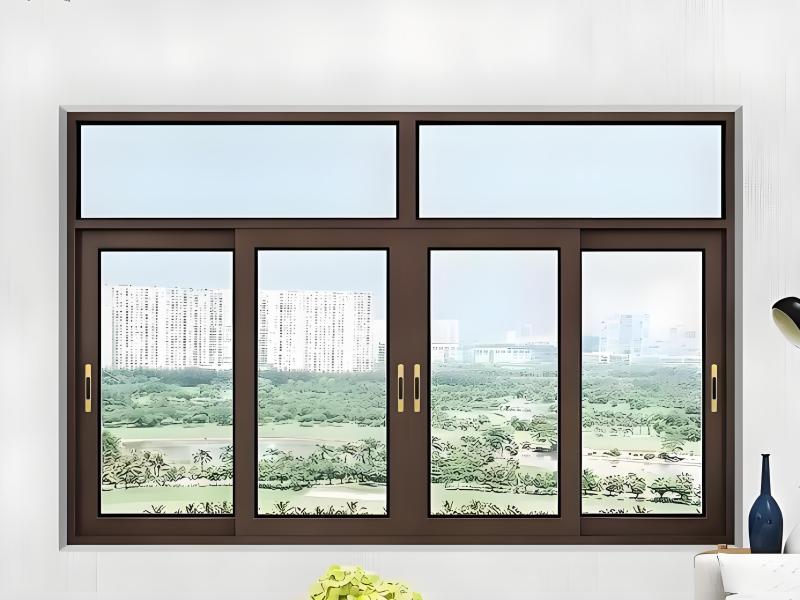
In public building energy-saving design, one single door type cannot fit all functional scenarios. Reasonable matching of hinged door, folding door and sliding glass doors is essential to achieve optimal energy efficiency and user experience. For regular pedestrian entrances, fire exits, equipment rooms and office partitions, hinged door is the best solution with stable energy performance, low failure rate and minimal maintenance costs. For large openings in shopping mall atriums and exhibition halls, folding door with optimized sealing structure provides full-opening flexibility and wide vision while meeting basic energy-saving standards. For daylighting-focused facades and corridors in office buildings, sliding glass doors with insulated glass panels balance excellent light transmission and thermal insulation. Scientific combination of these three door types helps entire buildings fully meet comprehensive energy-saving design indicators.
Installation and Maintenance Solutions to Sustain Long-Term Energy-Saving Performance of Hinged Door
Stable energy-saving performance relies 70% on product quality and 30% on professional installation and daily maintenance. Even high-quality hinged door and aluminium hinged doors will suffer uneven gaps and sealing failure with unstandardized installation, greatly weakening energy efficiency. We implement standardized construction procedures, accurately adjusting door frame gaps and fixing sealing structures during installation to avoid energy loss caused by construction errors. In daily operation, simple and regular inspection of sealing strips, hinges and locks effectively prevents air leakage and heat loss caused by component aging. Compared with folding door and sliding glass doors with complex transmission structures, hinged door features simpler maintenance, lower operational costs and stronger long-term energy stability, perfectly adapting to the long-term, high-frequency and non-stop operation demands of public buildings.
Founded in 2006, Jiangsu Guoxin Glass Co., Ltd. boasts 20 years of professional experience in R&D and production of premium aluminium windows, fireproof glass, laminated glass and insulated glass. We deliver durable, energy-efficient door and window solutions for various public building projects. Feel free to contact us for professional solutions and customized quotations for your projects.