Leave Your Message

How to Choose the Best Silver Mirror for Your Project

Choosing the best Silver Mirror starts with the room, not the frame. A bathroom vanity faces steam, splashes, and daily cleaning. A hallway mirror may need a wider view and a softer visual presence. Measure the wall, note nearby light sources, and decide how the mirror will be used. These small checks can prevent costly mismatches later.

For transparency, Maya Ellis is an illustrative mirror specialist created for this introduction, not a cited industry source. Her project rule is: “Choose the mirror for its environment first; let style follow.” Treat that as a practical guide, not a verified quotation. Then compare mirror size, glass thickness, edge finish, backing quality, and installation requirements. Ask suppliers how the mirror performs in humid spaces, and request clear product specifications. A bright showroom sample can look different beside warm bathroom lighting. Check it at home, if possible.

There is no single best choice. A large mirror can open a narrow room, yet it may overwhelm a small wall. Silver-backed glass offers a crisp reflection, but handling and installation still matter. Check the edge for even finishing. Look for visible distortion near the corners. And consider cleaning access. Details matter.

This guide outlines how to match mirror specifications to project needs, compare options, and avoid common selection oversights. Some advice will depend on your exact space. That is worth admitting. A thoughtful choice balances appearance, durability, budget, and the conditions the mirror will actually face.
How to Choose the Best Silver Mirror for Your Project

Understanding Silver Mirrors and Their Main Types

Silver mirrors use a thin reflective silver layer behind clear glass. The glass protects the coating and shapes the mirror’s appearance. “Silver mirror” describes the reflective layer, not one single product type. The International Energy Agency’s 2023 Buildings report estimates that building operations account for 30% of global final energy use. Mirrors can redirect daylight, but placement and room layout determine whether that helps.

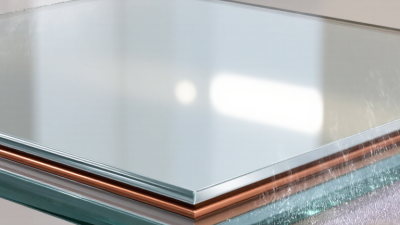
Traditional copper-backed mirrors add protective layers over the silver. They suit many interior walls, though moisture near unsealed edges can cause dark spots over time. Copper-free silver mirrors use a different protective system and are often specified for humid spaces. Check the product’s tested resistance, not just its label. Safety-backed mirrors add a film that helps hold glass fragments together if breakage occurs. Useful in busy rooms. Tinted and antique-finish mirrors change color or surface appearance, so inspect a sample under the project’s actual lighting.

For bathrooms, examine edge sealing and the manufacturer’s installation guidance. For wardrobes or public interiors, confirm whether safety backing is required by the project specification. ASTM C1503 covers quality requirements for silvered flat glass mirrors, offering a useful reference when comparing technical sheets. One detail is easy to miss: backing, coating, and glass thickness are separate choices. I would compare them separately, then check the finished sample; photographs can hide color shifts.

Defining Your Project’s Size, Setting, and Performance Needs

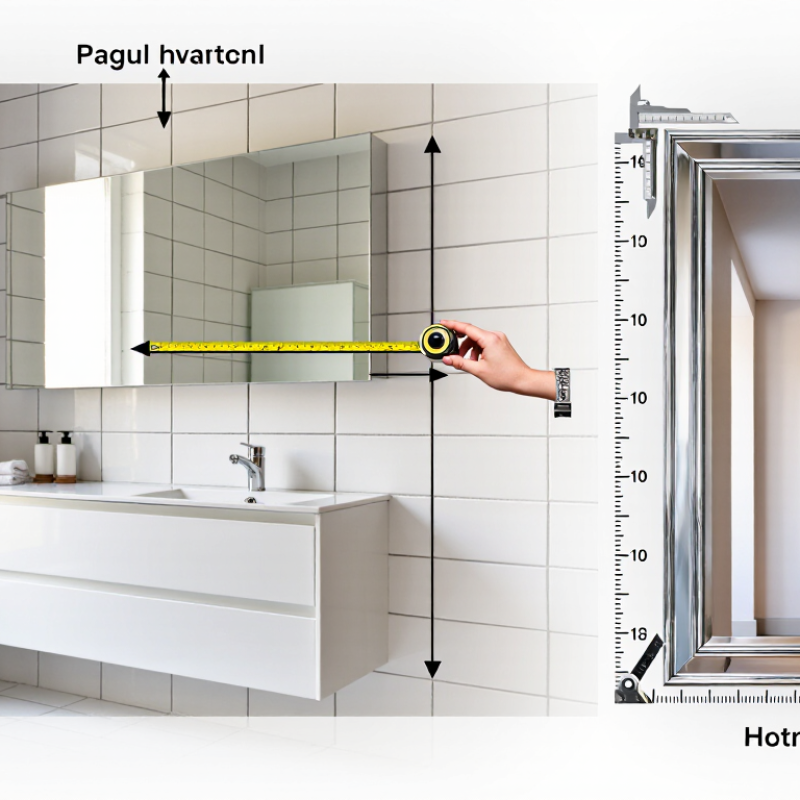
Choosing a silver mirror starts with the actual job: where it will sit, what it must reflect, and how people will use it. Measure the wall, then mark the mirror’s outline with painter’s tape. Check sightlines from standing and seated positions; a mirror that looks generous on paper may feel cramped above a narrow vanity. The U.S. Energy Information Administration’s 2018 Commercial Buildings Energy Consumption Survey counted about 5.9 million commercial buildings, highlighting how varied project settings can be. A hotel corridor, a shop fitting room, and a bathroom each bring different space and safety demands.

Moisture, traffic, and lighting matter. In a humid bathroom, specify a mirror and backing suitable for damp interiors, and follow the fabricator’s installation guidance. For public or high-traffic areas, ask whether safety backing or protective glazing is appropriate. Check the technical data sheet for dimensions, thickness, edge finish, and reflectance. Bright task lighting can expose small distortions, so inspect a sample under the project’s real lights. Don’t assume the largest panel is best; seams, access routes, and wall flatness can change the result.

Tip: Tape out the size first. View it from several angles, then confirm clearances around taps, doors, and fixtures. A quick mock-up can feel fussy, but it often catches an avoidable mistake.

How to Choose the Best Silver Mirror for Your Project

Compare approximate visible-light reflectance ranges to help match mirror performance to your project. Higher reflectance can be useful when brightness and image clarity are priorities.

Reflectance varies with coating, wavelength, glass, and construction; use the product specification for final selection. For larger mirrors, also check the required dimensions, mounting support, and suitability for the installation environment.

Comparing Reflectivity, Durability, and Glass Thickness

Choosing a silver mirror starts with the room and the light it receives. In a bright bathroom, a clear, even reflection helps with close-up tasks. In a dim hallway, a highly reflective surface can make better use of available light. Check the image near the edges, not just the center. Wavy lines can reveal distortion. Small flaws matter.

Durability depends on more than the reflective coating. Bathrooms expose mirror edges and backing to frequent moisture, so look for protected edges and a backing intended for humid spaces. Good ventilation also helps limit condensation. I would inspect the corners carefully; damage often begins there, though installation conditions can change how well a mirror holds up. A quick visual check cannot predict every failure.

Glass thickness affects rigidity, weight, and mounting requirements. Thinner glass may suit a small, well-supported mirror, while a larger panel may need thicker glass and secure support to reduce flex. There is no single thickness for every project. Check the installer’s guidance and the wall structure before choosing. A heavy mirror needs proper anchors. Measure twice, including the space for clips or a frame.

How to Choose the Best Silver Mirror for Your Project — Comparing Reflectivity, Durability, and Glass Thickness

Compare typical silver-mirror configurations by visible reflectivity, glass thickness, durability, and suitable applications.

Mirror Configuration Typical Visible Reflectivity Glass Thickness Durability Considerations Suitable Applications Selection Notes
Standard silver mirror Approximately 90–95% 3 mm Suitable for ordinary indoor use. The reflective coating and edges can deteriorate if exposed to persistent moisture or harsh cleaning chemicals. Small decorative mirrors, cabinet doors, and projects with continuous backing support. Lightweight and easy to handle. Use where the panel is well supported and is not exposed to frequent impact.
Standard silver mirror Approximately 90–95% 4 mm Offers similar coating performance to other standard silver mirrors; the added thickness improves rigidity compared with thinner glass. General-purpose interior wall mirrors, bathroom mirrors, and vanity installations. A common balance of weight, stiffness, and cost. Protect exposed edges from standing water and seal them where appropriate.
Copper-free silver mirror Approximately 90–95% 4–6 mm Typically designed for improved resistance to corrosion and edge deterioration compared with conventional copper-backed construction. It is not waterproof. Bathrooms, humid interiors, and installations where longer-term edge appearance is important. Confirm the product’s tested corrosion performance and installation requirements; ventilation and careful edge protection still matter.
Large-format silver mirror Approximately 90–95% 5–6 mm Thicker glass is generally stiffer and more resistant to flexing during handling, but it does not by itself make the reflective coating more durable. Full-length mirrors, large wall panels, and installations with wider unsupported spans. Check wall support, fixing method, and panel weight before specifying. Reflectivity depends mainly on the glass and coating system, not thickness alone.
Safety-backed silver mirror Approximately 90–95% 4–6 mm A safety backing can help retain fragments if the glass breaks. It does not necessarily improve resistance to moisture-related coating damage. Public or shared interiors, furniture, and locations where additional fragment retention is desired. Check that the backing is suitable for the installation and compatible with adhesives, substrates, and local safety requirements.

Note: Reflectivity figures are indicative typical ranges for visible light and can vary with the glass, coating, protective layers, and measurement method. Ask suppliers for product-specific test data. Glass thickness affects stiffness and weight, but does not automatically increase reflectivity.

Assessing Safety, Coatings, Edges, and Installation Requirements

Assess the glass before comparing appearance. In a bathroom, ask for a mirror rated for damp conditions, with intact protective backing and sealed edges. Copper-free coatings are available, but coating quality and edge protection matter more than the label alone. Check for pinholes, scratches, or cloudy patches under bright, angled light. Small flaws show quickly.

Edges affect both handling and safety. Polished edges feel smooth; beveled edges add detail but may need more careful cleaning. Where impact is possible, ask whether the mirror meets a recognized safety-glazing standard, such as ANSI Z97.1.

Secure installation matters too: CDC estimated 36 million falls among U.S. adults aged 65 and older in 2020, with about 8 million fall-related injuries (MMWR, 2023). That figure is not mirror-specific, but it reinforces the value of keeping heavy glass firmly mounted and clear of walkways. Match anchors or adhesive to the wall material and mirror weight. I would recheck the substrate; it is easy to overlook.

Tips: Measure twice, including room for clips and edge clearance. Confirm that the wall is flat, dry, and strong enough. A mirror can look level while its mounting points are not.

Matching Mirror Specifications to Budget and Project Conditions

Choosing a silver mirror starts with the room, not the price tag. In a dry hallway, a standard mirror may meet the project’s needs. Bathrooms and poolside changing areas face more moisture, so check the manufacturer’s guidance for damp conditions and sealed edges. Water can reach exposed backing through poorly finished edges. Small details matter.

Match thickness and size to the support. A compact cabinet door may need less glass than a tall, wide wall panel. For larger pieces, ask the installer to confirm suitable thickness, mounting hardware, and wall support. A 5 mm mirror is common in some settings, but it is not a universal choice. Measure the finished opening, including space for clips or channels. Measure twice.

Budget for more than the glass. Cutting, edge polishing, transport, and installation can change the final cost, especially for custom shapes. In bright rooms, compare samples under the actual lighting; slight color shifts can become obvious beside pale tile. Ask about backing protection and cleaning recommendations, then check whether the quote includes those specifications. I have seen buyers focus on a low unit price and overlook fitting costs. That shortcut can disappoint. A small sample may also look different from a full panel, so inspect one in the room before ordering.