
Can Recycled Aluminium Materials Bring Casement Window Production Closer to the "Zero-Carbon" Goal?
The global construction industry is under mounting pressure to reduce its carbon footprint, with buildings accounting for nearly 40% of global energy-related CO₂ emissions. Windows, as critical components of building envelopes, play a pivotal role in energy efficiency and sustainability. Among them, aluminium casement windows have emerged as a focal point for innovation, particularly due to their durability, thermal performance, and potential for circular economy integration. But can the adoption of recycled aluminium materials truly propel casement window production toward a zero-carbon future? This article explores the technical, economic, and environmental dimensions of this question, while contextualizing the role of related window types like awning windows, aluminium fixed windows, and casement egress windows in the broader sustainability landscape.
The Carbon Challenge in Window Manufacturing
Aluminium’s lightweight, corrosion-resistant properties make it an ideal material for windows, but its production is energy-intensive. Primary aluminium smelting relies on electrolysis, a process consuming 13–15 MWh of electricity per tonne of metal—much of which comes from fossil fuels. This results in an average carbon footprint of 12–18 kg CO₂e per kilogram of aluminium, according to the International Aluminium Institute (IAI).
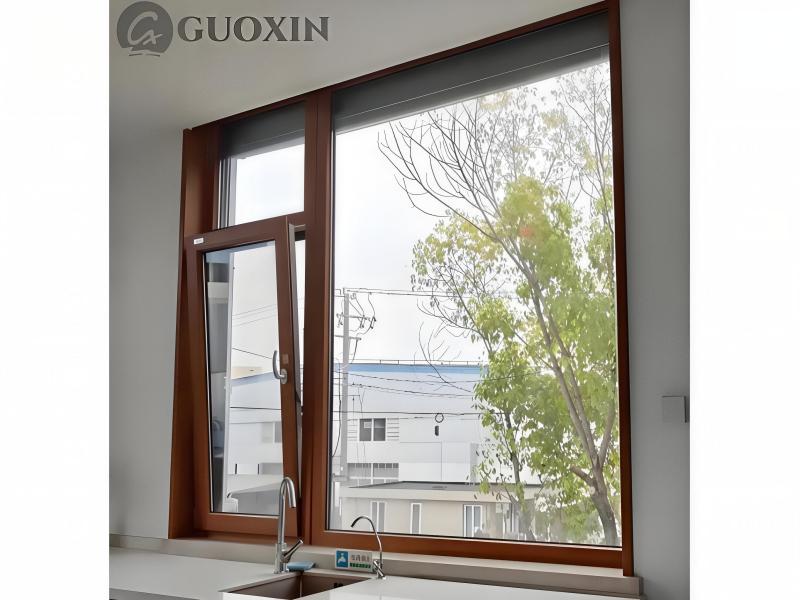
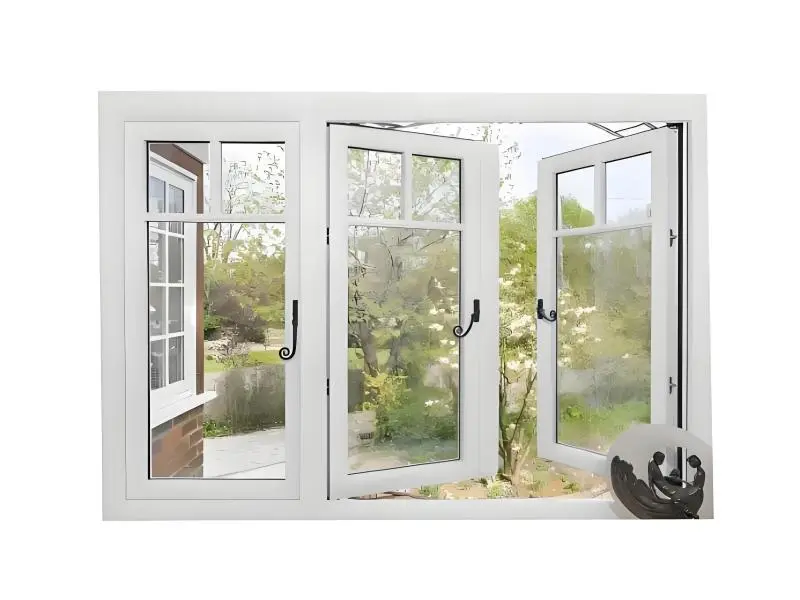
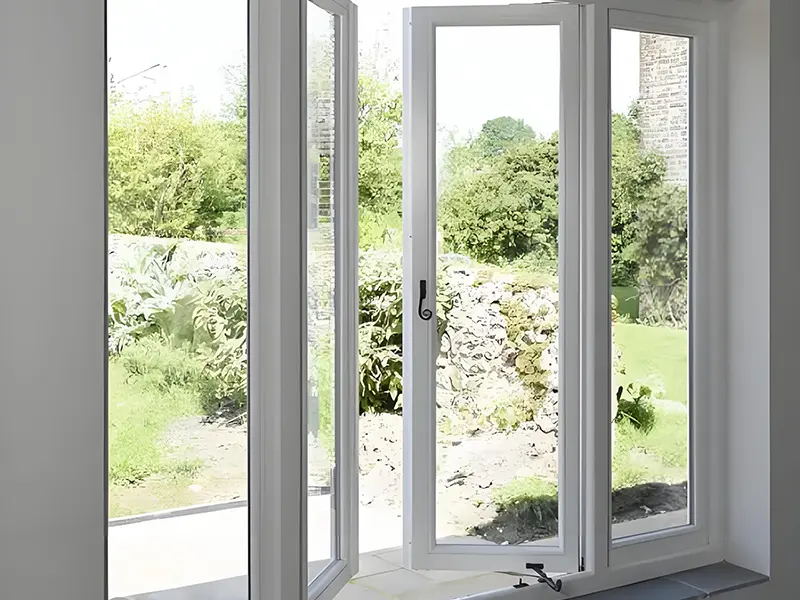
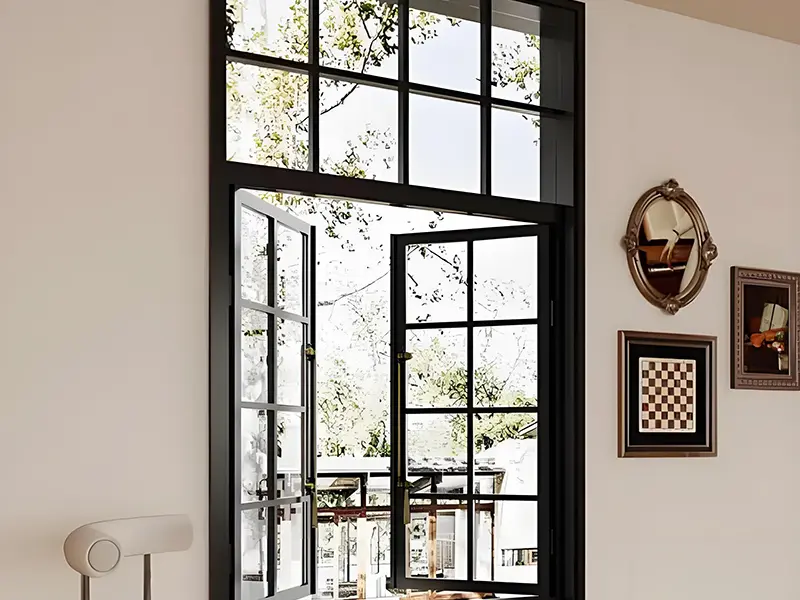
For aluminium casement windows, which feature hinged sashes that open outward, the material’s strength allows for slimmer profiles and larger glass areas, improving natural light and ventilation. However, their lifecycle emissions depend heavily on the aluminium’s origin. Recycled aluminium, by contrast, requires only 5–10% of the energy needed for primary production, slashing emissions by up to 95%. This stark contrast has positioned recycled aluminium as a cornerstone of sustainable window manufacturing.
The Rise of Recycled Aluminium in Window Systems
The shift toward recycled aluminium is gaining momentum across the industry. Companies like Hydro Building Systems and Technal now offer window profiles with up to 75% recycled content, derived from post-consumer scrap (e.g., discarded windows, automotive parts) and pre-consumer waste (e.g., manufacturing offcuts). These materials undergo remelting and refining processes that retain aluminium’s structural integrity while minimizing environmental impact.
For aluminium casement windows, recycled content reduces embedded carbon without compromising performance. Advanced thermal breaks—such as polyamide strips separating interior and exterior aluminium profiles—further enhance energy efficiency, achieving U-values as low as 0.8 W/m²K in high-performance systems. This synergy between material circularity and thermal innovation positions recycled aluminium casement windows as viable alternatives to traditional timber or PVC options in both residential and commercial projects.
Comparative Analysis: Casement vs. Awning and Fixed Windows
To understand the broader implications of recycled aluminium, it’s essential to compare casement windows with related types like awning windows and aluminium fixed windows:
Awning Windows:
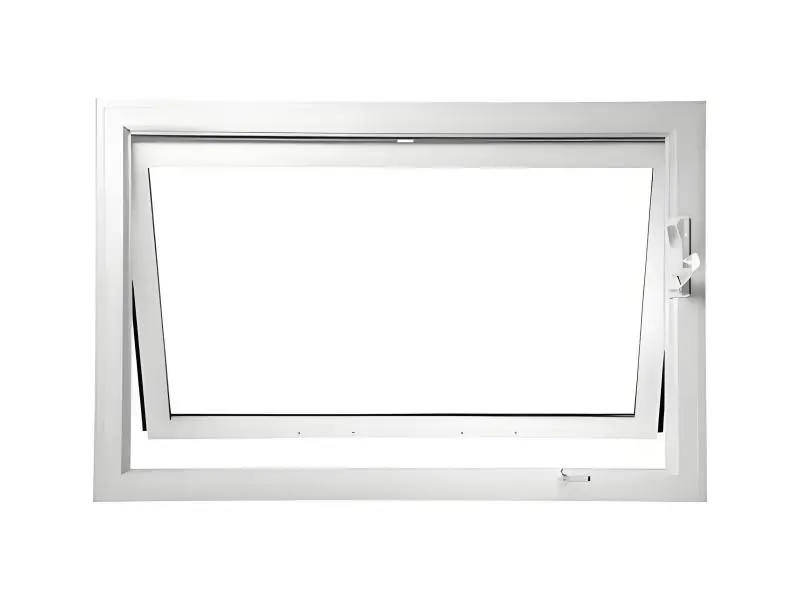
Hinged at the top, awning windows open outward, creating a weather-resistant canopy. While they share aluminium’s durability with casement windows, their design often prioritizes ventilation over insulation. Recycled aluminium can enhance their sustainability, but their smaller glass-to-frame ratios may limit energy savings compared to casement windows.
Aluminium Fixed Windows:
Fixed windows, or picture windows, are non-operable and designed for unobstructed views. Their static nature makes them inherently airtight, but their lack of ventilation reduces their role in passive cooling strategies. Recycled aluminium here primarily serves to lower material emissions, though their energy efficiency depends on glazing quality (e.g., triple-glazed units).
Casement Egress Windows:
A subset of casement windows, egress models meet fire safety codes by providing emergency escape routes. Their larger openings and robust hinges demand high-strength materials, making recycled aluminium an attractive choice for balancing safety and sustainability.
While each type serves distinct purposes, aluminium casement windows uniquely combine versatility, thermal performance, and adaptability to recycled materials, making them a linchpin in zero-carbon strategies.
Technical Hurdles and Innovations
Despite its promise, integrating recycled aluminium into window production faces challenges:
Material Purity: Post-consumer scrap may contain impurities (e.g., coatings, adhesives) that affect mechanical properties. Advanced sorting and refining technologies, such as laser-induced breakdown spectroscopy (LIBS), are critical to ensuring consistency.
Design Compatibility: Recycled aluminium’s slightly lower ductility compared to primary metal requires engineers to optimize profiles for stress distribution, particularly in large-format casement egress windows.
Supply Chain Complexity: Scaling recycled content demands robust collection and processing infrastructure. Partnerships between window manufacturers, scrap dealers, and recyclers are essential to secure high-quality feedstock.
Innovations are addressing these barriers. For instance, Schüco’s Green Solution line uses 100% recycled aluminium for window frames, achieving the same structural performance as virgin material. Similarly, Reynaers Aluminium employs a closed-loop system to reclaim production waste, reducing reliance on external scrap sources.
Economic Viability and Market Drivers
The business case for recycled aluminium windows hinges on cost parity and consumer demand. While recycled aluminium currently costs 10–15% more than primary metal due to processing expenses, falling renewable energy prices and carbon pricing mechanisms are narrowing this gap. In the EU, the Carbon Border Adjustment Mechanism (CBAM) and stricter Energy Performance of Buildings Directives (EPBD) are incentivizing manufacturers to adopt low-carbon materials.
Consumers are also driving change. A 2023 Dodge Data & Analytics survey found that 68% of homeowners prioritize sustainability in window replacements, with energy efficiency and recycled content ranking as top concerns. This shift is reflected in certifications like Cradle to Cradle and BREEAM, which reward circular material use and lifecycle emissions reductions.
Case Study: Zero-Carbon Buildings Leading the Way
Projects like The Edge Olympic in Amsterdam and Pixel in Australia demonstrate recycled aluminium windows’ potential. The Edge Olympic, a zero-energy office, features aluminium casement windows with 60% recycled content, paired with automated shading and aerogel-filled glazing to minimize heat gain. Similarly, Pixel’s awning windows use 100% recycled frames, contributing to its Living Building Challenge certification.
These examples highlight how recycled aluminium windows can align with stringent sustainability targets when integrated into holistic design strategies that prioritize passive solar principles, renewable energy, and smart building systems.
The Path Forward: Challenges and Opportunities
Achieving a zero-carbon future for aluminium casement windows requires overcoming systemic barriers:
Standardization: Developing global protocols for recycled content verification and lifecycle assessment (LCA) will ensure transparency and comparability.
Policy Support: Governments must expand tax incentives for recycled materials and penalize high-carbon alternatives, accelerating market transition.
Consumer Education: Highlighting the long-term cost savings of energy-efficient windows (e.g., reduced heating/cooling bills) can offset higher upfront expenses.
Industry collaborations, such as the Aluminium Stewardship Initiative (ASI), are vital to unifying standards and promoting responsible sourcing. By 2030, ASI aims to certify 80% of globally produced aluminium, creating a framework for sustainable window manufacturing.
Conclusion: Toward a Circular Window Economy
Recycled aluminium materials are not a panacea, but they represent a critical step toward decarbonizing the window industry. Aluminium casement windows, with their adaptability and performance, are uniquely positioned to lead this transformation, complemented by innovations in awning windows, fixed windows, and egress systems.
As the world races to meet net-zero targets, the fusion of circular material use, advanced thermal engineering, and supportive policies will determine whether recycled aluminium can truly bring casement window production to the brink of a zero-carbon era. The journey is complex, but the opportunities—for manufacturers, consumers, and the planet—are undeniable.