

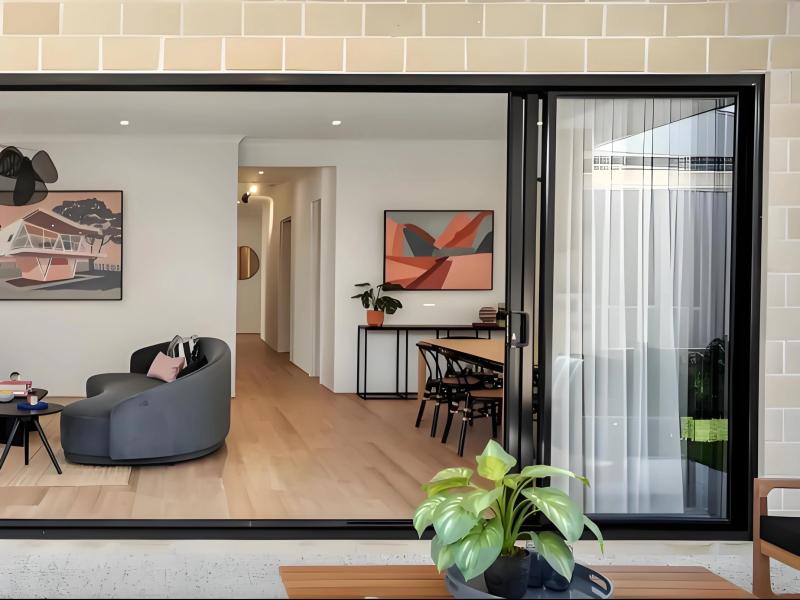
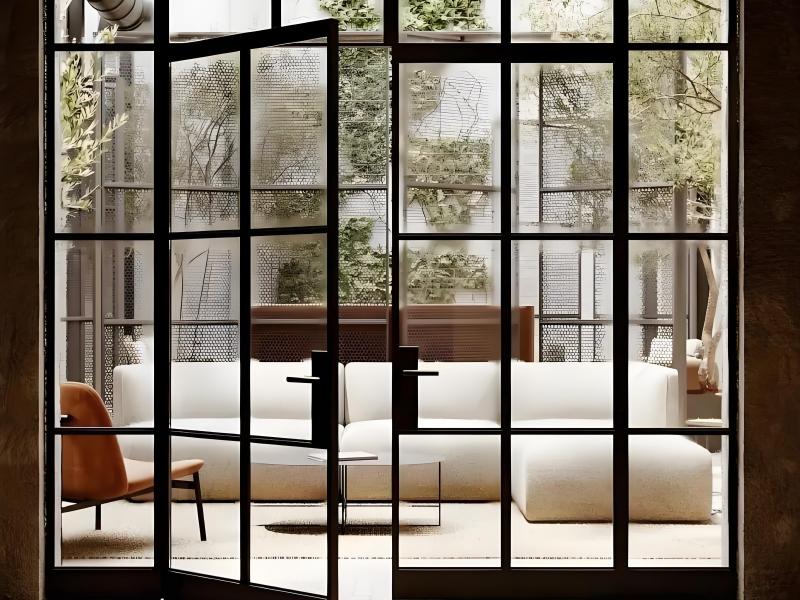
Can the heat transfer coefficient of Aluminium Fixed Window meet the energy-saving codes for new buildings?
Modern Building Energy Codes and Core Thermal Requirements for Aluminium Windows
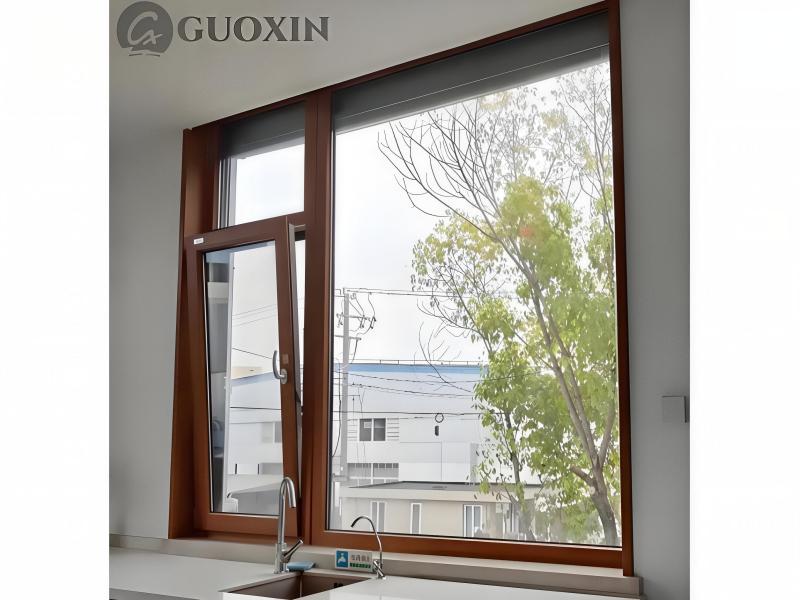
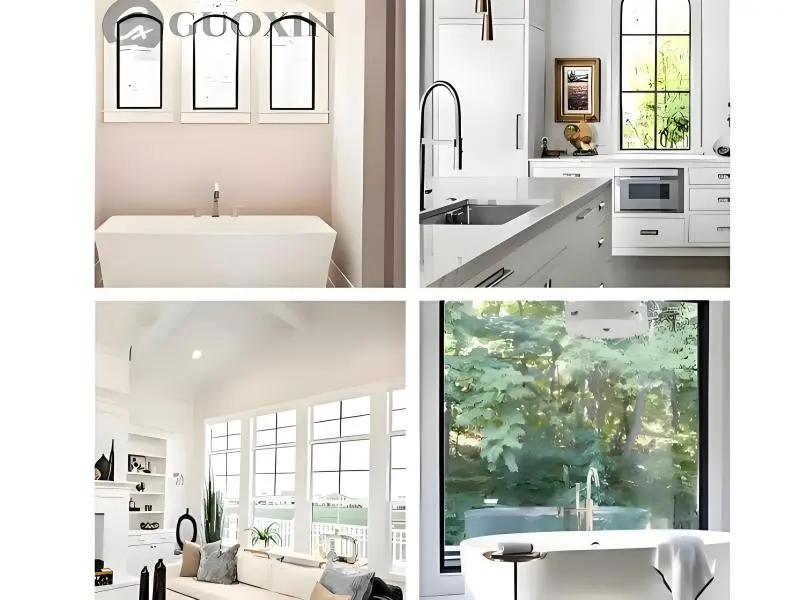
Green and low-carbon buildings have become the mainstream trend in the global construction industry, and energy-saving standards for new buildings are getting stricter year by year. For builders, contractors and designers, the thermal performance of common window types including aluminium fixed window, aluminium casement window, aluminium sliding windows and aluminium awning window is no longer a secondary detail, but a key factor that determines whether a project can pass energy-saving inspection and official acceptance. The heat transfer coefficient of windows has become a core evaluation standard for modern new buildings, helping buildings cut cooling and heating energy consumption and achieve long-term energy-saving and eco-friendly operation.
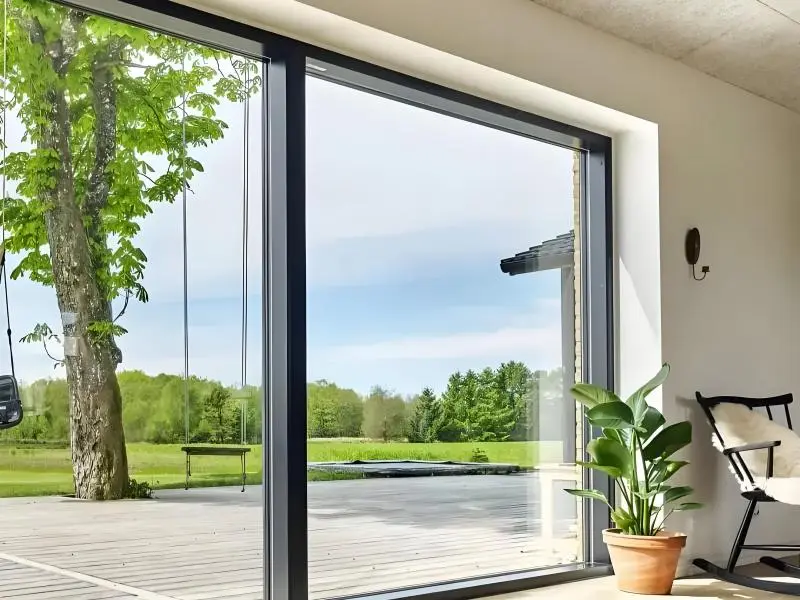
What Is the Heat Transfer Coefficient of Aluminium Fixed Window and Why It Matters for New Buildings
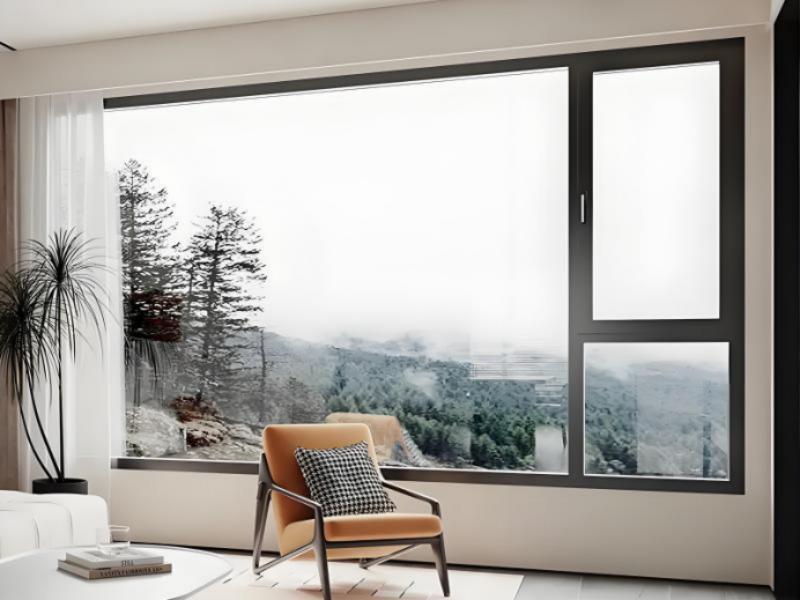
The heat transfer coefficient of an aluminium fixed window is a key data value that shows how well the window blocks heat exchange. The lower the coefficient, the better the thermal insulation performance. Different from operable windows, the aluminium fixed window features an integrated fully sealed structure with no opening gaps at all. This unique structure makes its thermal performance far more stable and reliable. In actual new building projects, this data decides whether the window can block outdoor heat in summer and keep indoor warmth in winter. For any new construction project, an aluminium fixed window with a qualified heat transfer coefficient is the basic guarantee for smooth energy-saving acceptance and compliant project delivery.
Energy Standard Differences Between Aluminium Fixed Window and Aluminium Casement Window
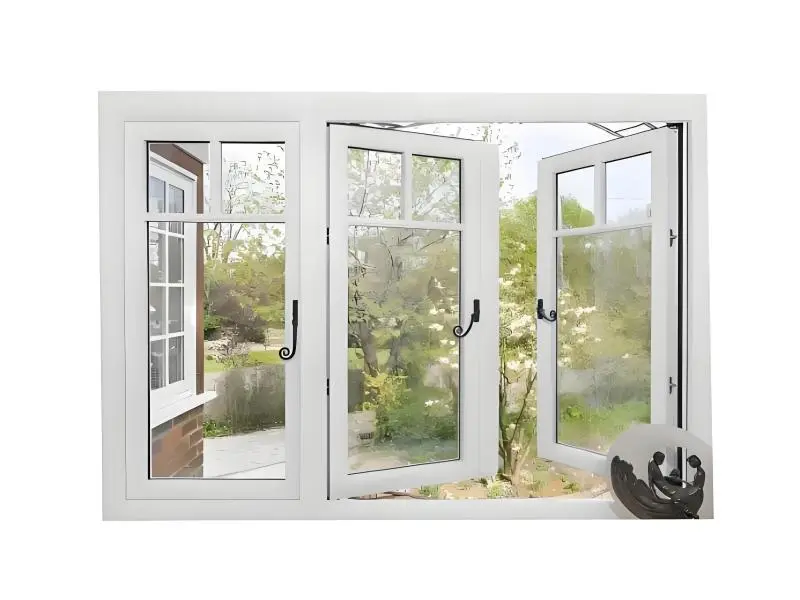
Different aluminium window types have different energy-saving performances, and they also meet different building code requirements. The aluminium casement window is one of the most popular operable windows for residential and commercial buildings. However, its movable sash creates tiny gaps, which easily cause heat loss and air convection. That’s why it requires upgraded sealing systems and advanced thermal break profiles to reach standard energy-saving levels. In contrast, the aluminium fixed window has no movable parts or gaps, bringing natural advantages in heat insulation and air tightness. It can easily meet the standard heat transfer coefficient requirements. Most architects and engineering teams will match aluminium fixed window with aluminium casement window reasonably in project design, balancing practical ventilation functions and building energy-saving compliance.
Do Aluminium Sliding Windows and Aluminium Awning Window Comply With Mainstream Building Energy Codes?
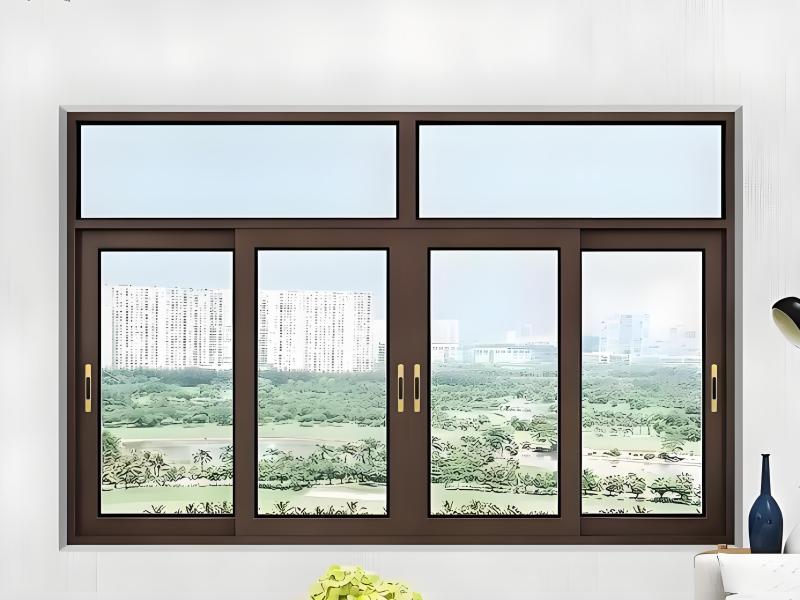
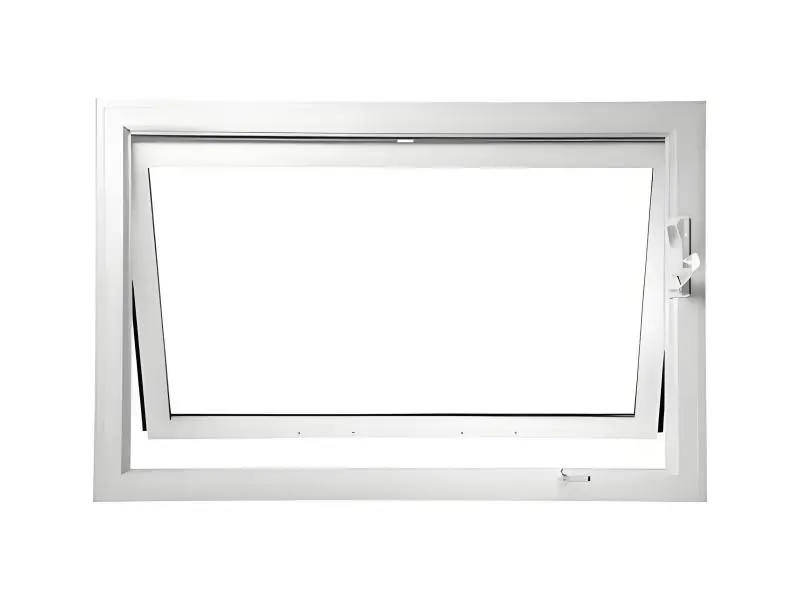
In addition to fixed and casement windows, aluminium sliding windows and aluminium awning window are widely used in various new building projects, and many clients wonder if they can meet current energy-saving codes. Aluminium sliding windows adopt a horizontal sliding design, and the overlapping gaps between window sashes are their main thermal weak points. But with optimized track sealing structures and high-performance insulated glass, their heat insulation performance can be greatly improved. Equipped with standard thermal break aluminium profiles and double or triple insulated glass, both aluminium sliding windows and aluminium awning window can achieve qualified heat transfer coefficients and fully comply with mainstream new building energy-saving standards.
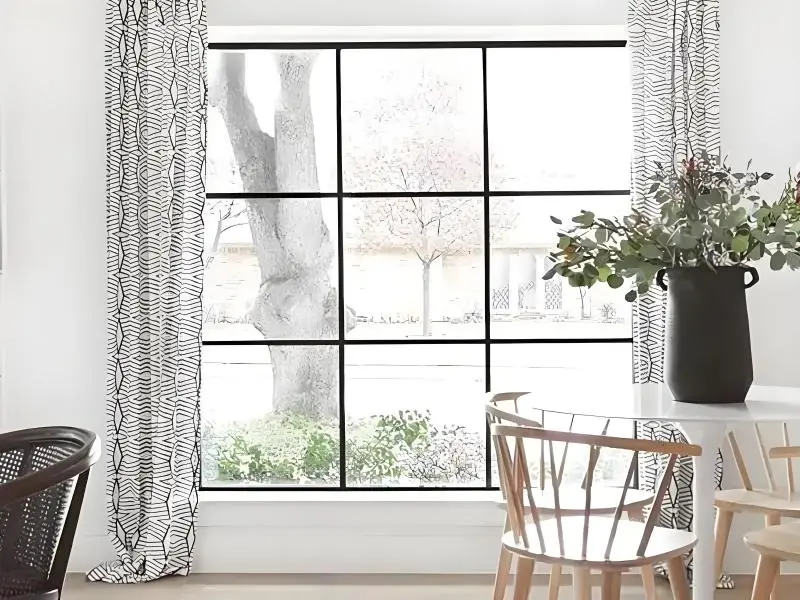
Effective Optimization Solutions for Aluminium Fixed Window to Meet Strict Energy-saving Codes
If your project’s aluminium fixed window fails to meet strict modern energy-saving codes due to insufficient thermal performance, we have mature and practical optimization solutions to fix this problem perfectly. First, adopt high-quality thermal break aluminium profiles to effectively block heat conduction through the window frame. Second, configure low-e insulated glass filled with inert gas to reduce radiant heat and convection heat loss. Third, install premium weather-resistant sealing strips and adopt integral sealing technology to eliminate hidden air leakage. These simple but effective upgrades can significantly reduce the heat transfer coefficient of aluminium fixed window, making it fully compliant with energy-saving acceptance standards for all kinds of new construction projects.
Compliant Aluminium Window Selection Solutions for Green New Buildings
Optimized aluminium fixed window can fully meet the heat transfer coefficient requirements of modern new building energy-saving codes, owning outstanding structural advantages in thermal insulation compared with other operable window types. In actual building design and construction, reasonably combining aluminium fixed window, aluminium casement window, aluminium sliding windows and aluminium awning window according to project functions and energy-saving standards can greatly improve the overall thermal insulation and energy-saving performance of building exteriors.
Founded in 2006, Jiangsu Guoxin Glass Co., Ltd. is a professional glass and aluminium window manufacturer with 20 years of industry experience. We specialize in R&D and production of various aluminium windows, fireproof glass, laminated glass and insulated glass, delivering reliable, code-compliant and high-performance products. Feel free to contact us for customized solutions and professional project consultations anytime.