

How Is Building Glass Achieving Green Transformation from Low-Carbon Production to Recycling?
The flat glass industry is at a really important turning point right now. For ages, glass used in buildings has been a must-have for modern architecture. It lets in tons of light, helps make buildings energy-efficient, and gives them that wow-factor look.
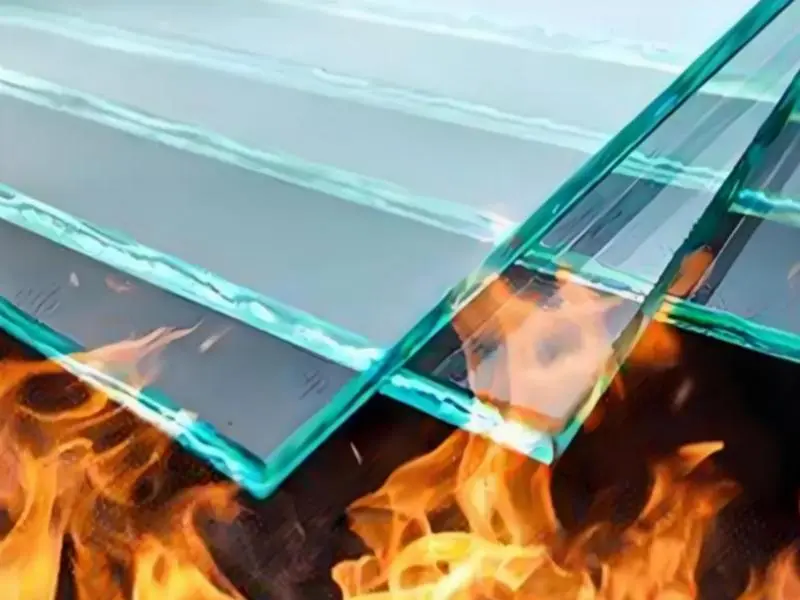
But here's the thing: making building glass is pretty tough on the environment. Glass production needs a lot of energy. Those big furnaces have to melt raw materials at temperatures over 1,600°C. And all that heat-intensive work adds up to about 0.3% of the world's human-made CO₂ emissions.
The paradox is striking: a material prized for its sustainability attributes—infinite recyclability, chemical inertness, durability—begins its life cycle with a substantial carbon footprint. Today, however, the industry is engineering a fundamental shift. Building glass is undergoing a green transformation that reaches from the furnace all the way to the demolition site. This article examines how low-carbon production technologies, advanced processing methods, and circular economy strategies are reshaping the building glass value chain.
Rethinking the Furnace: The Shift to Low-Carbon Glass Production
The decarbonisation of building glass begins at the most energy-intensive stage: melting. Traditional fossil-fuel-fired furnaces are giving way to hybrid and electric melting technologies that dramatically reduce direct emissions.
Hybrid and Electric Melting Technologies
Forward-thinking manufacturers are re-engineering the heart of glass production. Ardagh Group's NextGen hybrid furnace, for instance, combines 60% electric heating with 40% fuel combustion, achieving approximately 64% lower CO₂ emissions per container produced . Verallia has taken this further, commissioning large-scale all-electric furnaces in France that eliminate fossil fuel combustion entirely during melting .
These technological shifts matter profoundly for building glass. Flat glass production requires immense thermal energy to maintain continuous furnace operation. By transitioning to electric melting powered by renewable energy, manufacturers can decouple production growth from emissions growth. However, this transition demands more than replacing burners with electrodes. Electric furnaces require redesigned refractory systems, modified batch charging strategies, and careful management of glass chemistry. The industry is learning to balance these variables while maintaining the optical quality that architectural applications demand.
The Cullet Advantage
Alongside furnace electrification, increased use of recycled glass—cullet—offers the most immediate pathway to lower-carbon building glass. Cullet melts at lower temperatures than virgin raw materials, reducing energy consumption proportionally to the percentage used. Research indicates that every 10% increase in cullet ratio reduces energy consumption by approximately 3% and CO₂ emissions by 5% .
The economics are compelling. Recycling one tonne of glass cullet avoids approximately 700 kilograms of CO₂ emissions while reducing demand for virgin soda ash, limestone, and sand . Yet for decades, the flat glass sector struggled to close the loop. Unlike container glass, which benefits from well-established recycling streams, building glass faces unique challenges: laminated composites, coatings, and contamination from frame materials complicate recovery.
From Waste to Resource: Closing the Loop on Building Glass
The circular economy for building glass has long been hampered by collection logistics, quality concerns, and technical barriers. Recent industry initiatives, however, demonstrate that high-quality closed-loop recycling is achievable.
Pilkington's "renew: glass" Breakthrough
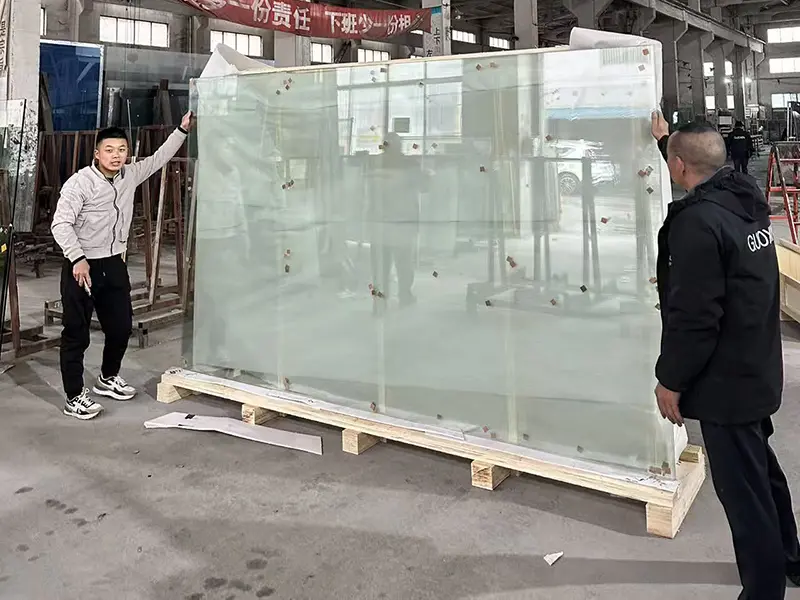
A landmark pilot project in Italy proves the concept at industrial scale. Pilkington Italia, part of the NSG Group, launched the "renew: glass" initiative to tackle the vexing problem of post-consumer glass from demolished buildings . The project brought together demolition contractors, window fabricators, and glass processors to demonstrate that end-of-life insulating glass units could re-enter flat glass production.
The pilot operated in Bergamo province, where PM Serramenti employed selective deconstruction methods to recover windows from a renovation site. Crucially, materials were separated during demolition: aluminium frames went to dedicated containers, while insulating glass units followed a specialised processing route involving cleaning,crushing, and removal of rubber, metal, and spacer materials .
The resulting cullet underwent rigorous optical and chemical testing at Pilkington's facilities—verifying that recycled content meets the exacting standards of float glass production. The results confirmed that post-consumer building glass can re-enter manufacturing while maintaining finished product quality and improving environmental performance .
Arturo Benini, Marketing and Product Manager at Pilkington Italia, noted: "This pilot project once again confirms that recycling flat glass from the construction sector is not only theoretically feasible, but can be concretely implemented through a structured, traceable operating model that meets the highest quality standards" .
Overcoming Contamination Barriers
What makes post-consumer building glass recycling difficult? Modern glazing units are complex assemblies. Insulating glass contains multiple panes separated by spacers, sealed with primary and secondary sealants, often incorporating low-E coatings, and sometimes laminated with interlayers for safety or acoustic performance.
Each component represents a potential contaminant. Organic sealants can introduce carbon into the melt, causing bubbles. Aluminium spacers, if not fully removed, oxidise and create inclusions. PVB interlayers from laminated security glass can discolour the glass or create defects.
Advanced processing technologies are addressing these challenges. Automated sorting systems using near-infrared spectroscopy and laser-induced breakdown spectroscopy can identify and separate different glass types and contaminants. Dry extraction methods remove interlayers from laminated glass without generating wastewater. These technologies enable recyclers to produce high-purity cullet suitable for float furnace feed—even from complex building-derived waste streams.
Insulating Glass and the Pursuit of Thermal Performance
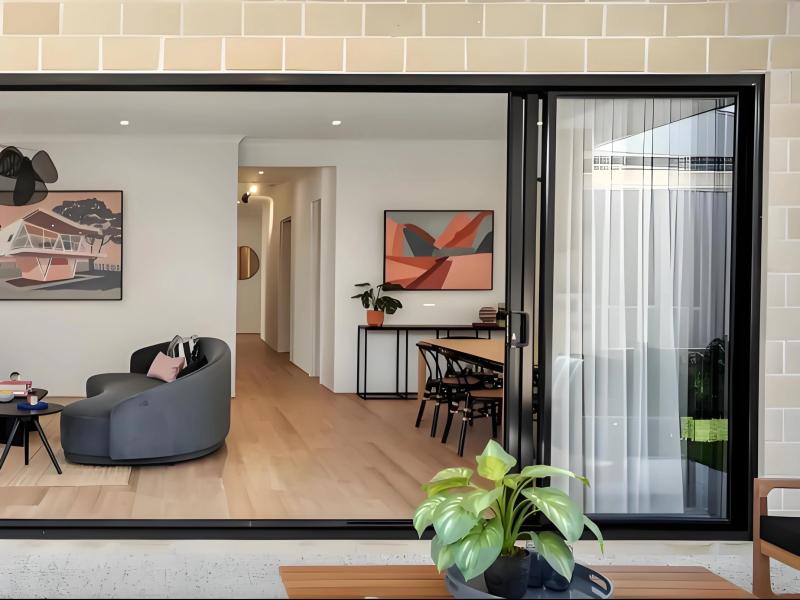
While recycling addresses embodied carbon, the operational carbon performance of building glass depends on its thermal properties. Insulating glass units (IGUs) have evolved significantly, becoming thinner, lighter, and more performant.
Ultra-Thin Glass Revolution
Traditional thinking held that better thermal performance required thicker, heavier glazing. That paradigm is shifting. Recent advancements enable ultra-thin middle panes as slim as 0.5 millimetres in triple-glazed IGUs . These lightweight configurations reduce overall unit weight and thickness by up to 30% while maintaining low U-values.
The benefits extend beyond material efficiency. Lighter IGUs require less robust frame support, making them ideal for retrofit applications where existing structures cannot accommodate heavy glazing. Improved light transmission supports daylighting strategies, while reduced material use lowers embodied carbon .
However, handling ultra-thin glass presents manufacturing challenges. Standard production lines impose thermal and mechanical stresses that easily break 0.5 mm panes. Equipment manufacturers have responded by redesigning production sequences. Glaston's ULTRA TPS® line, for example, applies spacers to robust outer panes rather than fragile centre panes, while advanced air-float conveyors eliminate the bending and vibration associated with conventional transport . These innovations demonstrate that ultra-thin insulating glass can move from laboratory concept to serial production.
Dynamic Facade Systems
Researchers are now asking whether insulating glass can do more than passively resist heat flow. The EnergySkin project, under development at TU Dresden and the University of Applied Sciences Cologne, proposes a facade module that integrates photovoltaic generation, thermal insulation, and active heating within an insulating glass unit .
The concept applies an electrically conductive coating to glass—effectively embedding transparent heating elements within the facade. When mounted externally on existing buildings, the system can actively control wall temperature, reducing transmission heat losses while generating its own power through integrated PV. Preliminary laboratory testing confirms the feasibility of coupling conductive coatings with insulating glass for both passive insulation and active heating .
This approach challenges conventional renovation practice. Instead of adding thick insulation boards, dynamic glazing systems could provide thermal management with thinner, lighter, and more adaptable components. Early simulations suggest that integrated PV can cover operational energy demand, enabling energy self-sufficiency .
Safety, Security, and Sustainability Convergence
Sustainability in building glass cannot come at the expense of safety. Tempered safety glass and laminated security glass remain essential for modern building codes and occupant protection. The industry is finding ways to deliver these performance requirements while reducing environmental impact.
Tempered Safety Glass Optimisation
Tempered safety glass achieves its strength through controlled thermal processing, creating compressive stresses on surfaces and tensile stresses within. This process is energy-intensive, typically requiring reheating glass to approximately 650°C followed by rapid quenching.
Manufacturers are optimising tempering lines to reduce energy consumption through better furnace insulation, regenerative burners, and improved temperature control algorithms. Some facilities now recover waste heat from tempering furnaces to preheat spaces or support other processes. Additionally, thinner tempered safety glass—enabled by improved chemistry and process control—reduces both material use and processing energy while meeting impact safety standards.
Laminated Security Glass and Circularity
Security glass presents particular recycling challenges due to its polyvinyl butyral (PVB) or ethylene-vinyl acetate (EVA) interlayers. Traditional disposal routes sent laminated glass to landfill or downcycling applications. Today, mechanical and chemical separation technologies can recover both glass and polymer fractions.
Dry separation processes tumble crushed laminated glass, causing the brittle glass to separate from flexible interlayer material. Screens and air classifiers then separate the fractions, producing clean cullet suitable for recycling and polymer fluff that can find secondary applications. Some advanced processes even enable PVB recovery at sufficient purity for reformulation into new interlayers—truly closing the loop on security glass.
Market Drivers and Policy Landscape
The green transformation of building glass is not occurring in isolation. Market forces, regulatory frameworks, and industry commitments are accelerating change.
Green Building Momentum
The global construction glass market reached $140.67 billion in 2026, with projections showing continued growth to $189.3 billion by 2030 . Crucially, green building development is driving demand for sustainable glazing solutions. According to the U.S. Green Building Council, over 46,000 residential projects have achieved LEED certification, with nearly 5% growth in new residential project registrations during 2023 .
This growth translates directly to building glass specifications. Projects pursuing green building certification increasingly require Environmental Product Declarations (EPDs) for glazing, verified recycled content, and demonstrated low embodied carbon. Manufacturers responding with transparent sustainability data gain competitive advantage.
Policy Frameworks
Regulatory developments are reinforcing market signals. China's 2025-2026 Building Materials Industry Stabilisation Plan explicitly targets green building materials revenue exceeding 300 billion yuan by 2026, while maintaining strict controls on new flat glass capacity . The plan emphasises digital transformation, "six-zero" factory initiatives, and updated standards for tempered safety glass and insulation materials.
European policies similarly drive transformation. The Energy Performance of Buildings Directive pushes toward climate-neutral building stock by 2050, creating sustained demand for high-performance insulating glass . Meanwhile, carbon pricing mechanisms increasingly make emissions a direct cost for manufacturers, strengthening the business case for low-carbon production.
Tariffs and Trade Dynamics
Global trade tensions introduce complexity. Tariffs on raw materials including silica, soda ash, and glass equipment have elevated production costs across Asia-Pacific, Europe, and North America . These pressures particularly affect speciality glass, low-E products, and float glass manufacturers.
However, trade measures also create opportunities. Regional manufacturers are localising supply chains, expanding domestic float lines, and investing in high-efficiency coatings to reduce import dependency. The result may be more resilient, regionally balanced building glass production capacity.
The Path Forward: Challenges and Opportunities
Despite genuine progress, significant barriers remain to full circularity for building glass.
Collection infrastructure lags behind technical capability. Most building demolition still prioritises speed over material recovery, sending mixed construction waste to landfill or downcycling. Scaling successful pilot models like "renew: glass" requires investment in deconstruction training, processing equipment, and logistics networks.
Quality perception presents another hurdle. Some specifiers remain sceptical of recycled-content glass, fearing optical defects or performance variations. Rigorous testing and certification will be essential to build confidence.
Yet opportunities abound. The convergence of low-carbon production, advanced insulating glass technologies, and circular economy models positions building glass as an enabling material for sustainable architecture. Manufacturers investing in electric melting, recycling infrastructure, and thin-glass innovation are positioning themselves for long-term competitiveness.
Conclusion
The green transformation of building glass is advancing on multiple fronts. Low-carbon production technologies are reducing emissions at the furnace. Advanced insulating glass configurations are improving operational energy performance while using less material. Recycling initiatives are demonstrating that post-consumer glazing can re-enter flat glass production at quality levels matching virgin material.
Tempered safety glass, security glass, and insulating glass—once viewed primarily through performance lenses—are now being optimised for sustainability as well as safety and thermal comfort. The industry is learning that these objectives need not conflict; indeed, lightweighting, durability, and recyclability can reinforce one another.
The journey from low-carbon production to recycling is neither simple nor complete. Collection infrastructure must expand. Manufacturing processes must continue to evolve. Market perceptions must shift. Yet the trajectory is clear: building glass is transforming from a linear material with significant environmental footprint to a circular product that enables sustainable architecture while minimising life-cycle impacts. The pilots are proven. The technologies are scaling. The transformation is underway.