
Building“Green”Competitiveness: How Does Tempered Glass Meet Low-Carbon Goals?
Introduction: The Tempered Glass Paradox in a Sustainable Era
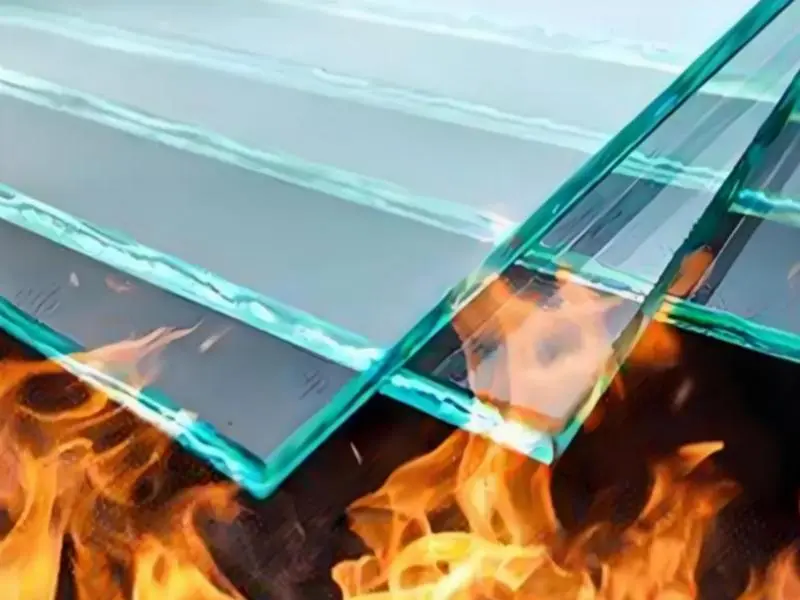
Tempered glass has been a real mainstay in modern architecture for ages. People love it because it's super shatterproof, which means it gives us really important safety protection. But here's the thing: making tempered glass has always used up a ton of energy. They have to heat it up to really high temperatures during production.
So, there's this kind of contradiction. A material that's so crucial for keeping buildings safe and working well now has to deal with its big environmental impact, and fast. As industries all around the world are trying to reach net-zero emissions, the tempered glass industry is going through a huge green makeover.
This change isn't just a little bit here and there. It's being pushed forward by a bunch of things coming together, like new technological breakthroughs, tougher new rules, and a complete overhaul of how they actually make the glass. All of this is making tempered glass a big deal in sustainable construction.
Re-engineering the Core: The Shift to Low-Carbon Production
The most significant emissions from tempered glass occur at the furnace stage. Decarbonizing this process is paramount, and the industry is pioneering multiple pathways.
Electrification and Alternative Fuels: A landmark move is the shift from fossil fuels to electricity and biofuels. For instance, major UK manufacturers, including Pilkington UK, have successfully trialed electric boosting systems directly in molten glass baths. This "e-boosting" technology enhances furnace efficiency and directly uses renewable electricity to heat the glass, drastically cutting natural gas reliance. Parallel trials using liquid biofuels derived from waste have also proven viable, offering a circular economy solution for decarbonization.
Intelligent and Efficient Manufacturing: Beyond fuel switching, "smart manufacturing" is yielding substantial efficiency gains. In leading production bases like China, companies are implementing advanced "one furnace, two lines" configurations and digital control systems. These smart tempered glass lines optimize melting, cutting, and tempering processes in real-time, reported to reduce energy consumption by 15-20% while significantly boosting the yield of premium-grade glass.
Beyond Strength: Defining "Green" Performance with New Standards
Historically, the value of tempered glass was measured by its mechanical strength. The green transition demands a broader, more holistic definition of performance. The newly released GB/T 35604-2025 "Green Product Assessment — Building Glass" standard provides this critical framework. This national standard establishes a comprehensive multi-indicator evaluation system specifically for products like tempered glass.
It moves beyond single attributes to assess the entire product lifecycle, including energy and resource consumption during production, the environmental impact of raw materials, and product durability. For manufacturers, this transforms green competitiveness from a marketing claim into a quantifiable, certifiable metric. Compliance with this standard is set to become a fundamental market access requirement and a powerful tool for architects and builders seeking verified sustainable materials.
The Evolution of a Safety Icon: From Tempered to Multi-Functional Composite
The quest for sustainability is also driving product innovation, expanding the functional role of tempered glass in buildings. The trend is moving from single-pane tempered glass towards high-performance laminated composites that integrate tempered glass as a core component.
Enhanced Security with Lighter Weight: Traditional security glazing is often prohibitively heavy. New composite panels use layers of tempered glass bonded with advanced polymers like urethane and polycarbonate. These shatterproof glass panels achieve remarkable intrusion resistance while weighing as little as 4.1-4.6 pounds per square foot, making them suitable for retrofitting standard door and window frames in schools and public buildings without structural reinforcement. This extends building lifespans and reduces the material footprint of security upgrades.
The Rise of Reinforced Glass Composites: Further enhancing this concept is research into glass fiber reinforced laminated glass panels. These composites sandwich a glass-fiber-reinforced polymer layer between sheets of glass, creating a material with impact strength reportedly three times greater than traditional laminated glass. This allows for thinner, lighter sections that maintain or exceed safety performance, leading to material savings and lower transportation emissions.
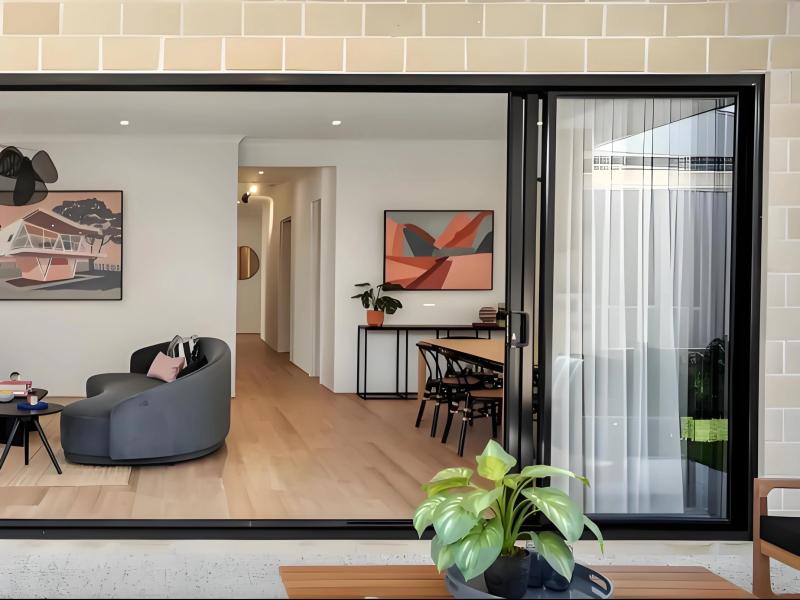
Integrating Active Performance: The ultimate expression of this evolution is the integration of tempered glass into multi-functional building skins. At industry forums like the Alpha Architecture Forum, manufacturers now showcase composite units where tempered glass is combined with advanced coatings to create products that are simultaneously safety-rated, energy-efficient, and smart. These can include tempered Low-E glass units that reduce building energy consumption by 20-30%, or glass with self-cleaning and photovoltaic properties. This multi-functionality directly contributes to a building's operational carbon reduction over decades.
Circular by Design: Closing the Loop on End-of-Life
A truly sustainable material must address its end-of-life. The tempered glass industry faces a challenge here, as the tempering process makes the glass unsuitable for traditional remelting into clear flat glass. However, the industry is developing a circular economy model.
Closed-Loop Recycling in Production: Manufacturers are increasingly implementing systems to recycle internal production scrap, such as off-cuts from cutting and edging, back into the batch materials for lower-grade glass products or alternative applications like glass wool insulation.
Upcycling and Repurposing: For post-consumer tempered glass, direct remelting is less feasible, but innovative upcycling pathways are emerging. Crushed tempered glass can be used as a high-quality aggregate in terrazzo, architectural finishes, or road-filling materials, diverting it from landfills and displacing the extraction of virgin aggregates.
Design for Disassembly: Forward-thinking projects are now considering the future recyclability of glazing systems. This involves designing facades with mechanical fixing systems that allow for the clean separation of the tempered glass pane from its frame and sealants at the end of the building's life, greatly improving the potential for high-value material recovery.
Conclusion: The Forged Future of a Transparent Material
The journey of tempered glass from a monolithic safety product to a sophisticated, green-engineered building component is well underway. Its path to meeting low-carbon goals is multifaceted: revolutionizing production with electricity and data, adhering to rigorous new lifecycle standards, evolving into high-performance, multi-functional composites, and embracing circular economy principles. The tempered glass of the future will be more than just shatterproof; it will be a digitally optimized, functionally integrated, and sustainably forged material. Its green competitiveness will be defined not only by the energy saved in buildings it encloses but by the radical efficiency and innovation embedded in its own creation. As architectural demands grow ever more complex, tempered glass is being reforged in the fires of sustainability, emerging stronger and more indispensable than ever.