
How is Low-E Insulated Glass Integrating with Electrochromic Tech in the Smart Glass Era?
The way we think about glass is changing. It used to be just a window—something to let light in and let air through. But now, glass is turning into a smart, active part of a building, connecting the inside with the outside. As smart building tech improves, two different glass technologies are coming together to create the next generation of high-performance facades: low-E insulated glass and electrochromic tinting. This combination is a pretty big deal for energy efficiency, comfort, and design. Instead of just blocking heat or letting light in passively, we’re now looking at materials that actively adapt—and honestly, the whole thing ends up being way more powerful than either technology on its own.
The Foundation: Passive Mastery of Low-E Insulated Glass
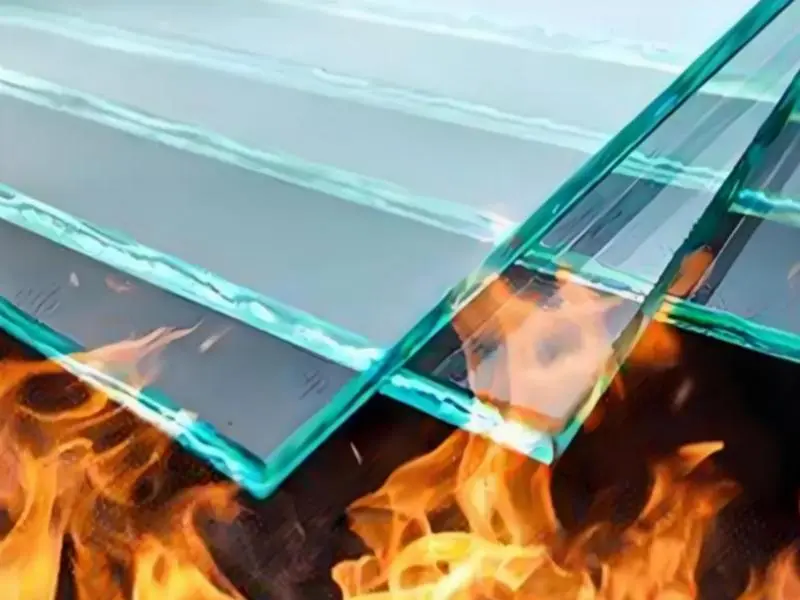
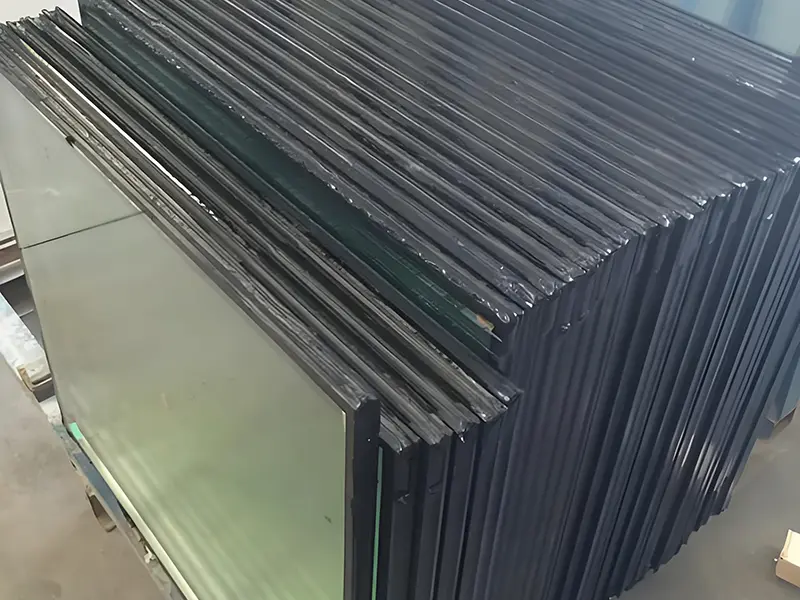
To understand the sophistication of this integration, one must first appreciate the foundational role of Low-E insulated glass. Low-E, or low-emissivity, glass is engineered with a microscopically thin, transparent coating that reflects thermal radiation. In a typical insulated glass unit (IGU), two or more panes are sealed together, creating a cavity—often filled with argon or krypton—that dramatically reduces conductive heat transfer.
The primary function of Low-E insulated glass is passive. In winter, it reflects interior heat back into the room, reducing heating loads. In summer, it reflects external solar infrared radiation away from the building, minimizing cooling demands. This technology has become the industry standard for energy codes worldwide. However, while Low-E coatings are exceptional at managing infrared radiation (heat), they are typically static. They do not adapt to the sun’s angle, cloud cover, or the specific needs of the occupant. This is where electrochromic technology enters the equation.
The Convergence: Active Tinting Meets Passive Insulation
The true "smart glass" era is defined by the seamless lamination of electrochromic films within the Low-E insulated glass assembly. Electrochromic glass changes its light transmission properties in response to a low-voltage electrical charge. When integrated into an IGU, the EC layer acts as a dynamic gateway, controlling solar heat gain and visible light transmittance in real-time.
In a typical hybrid unit, the electrochromic layer is applied to one of the inner lites of glass—often a piece of tempered insulated glass to ensure structural safety and durability. This unit is then combined with a second pane coated with a Low-E finish. The synergy is profound: the EC layer actively manages short-wave solar radiation (visible light and near-infrared) to prevent glare and heat before it enters the cavity, while the Low-E layer passively manages long-wave infrared radiation, trapping conditioned air inside or reflecting exterior heat depending on the season.
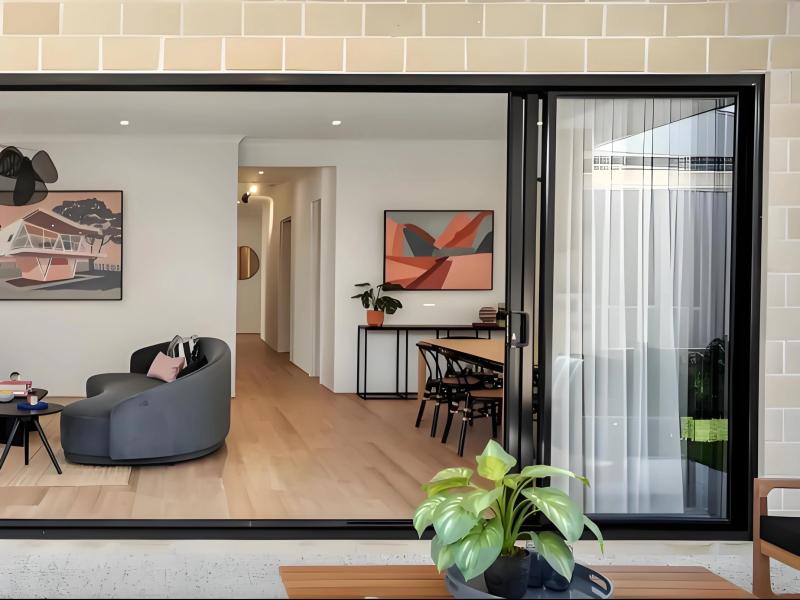
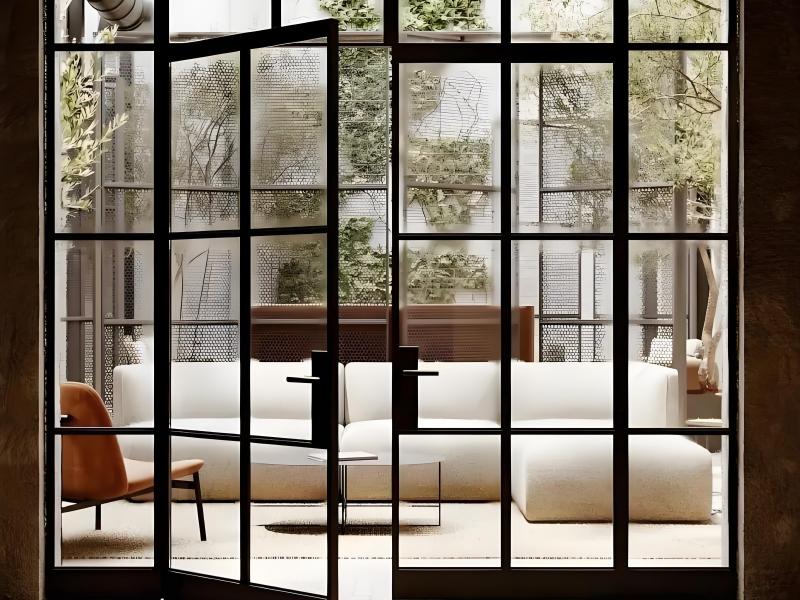
This combination eliminates the need for mechanical shades, blinds, or screens, which often trap heat and obstruct views. Architects can now specify expansive glazing systems that maintain visual connectivity to the outdoors without sacrificing thermal performance or user comfort.
Structural Integrity and Fabrication Complexities
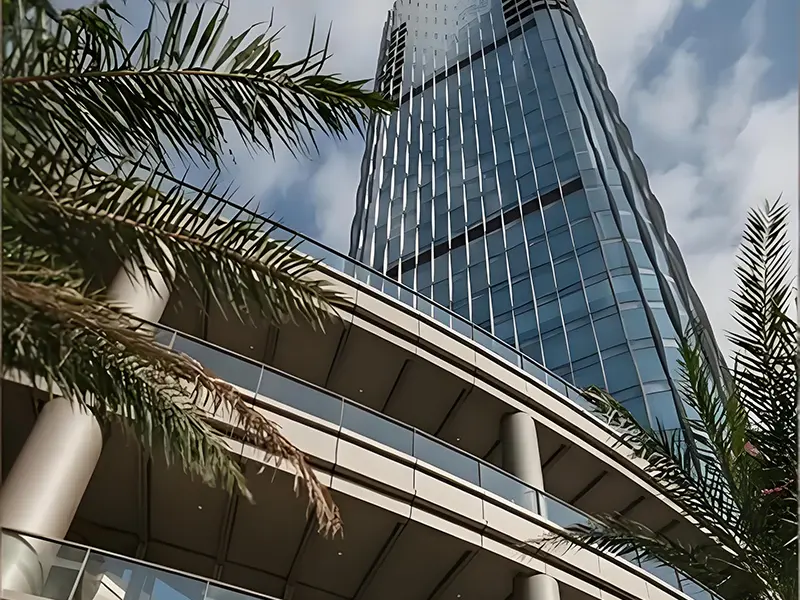
As these smart systems become more sophisticated, the structural requirements for the glass itself have intensified. The integration of electronics and coatings demands absolute precision in fabrication. One of the critical components in this supply chain is curved tempered glass. As smart glass moves beyond flat curtain walls into more organic architectural forms—such as cylindrical towers, geodesic atriums, or panoramic elevator shafts—the demand for curved, high-performance IGUs is surging.
Manufacturing a curved tempered glass unit with both Low-E coatings and embedded electrochromic layers is a feat of engineering. The tempering process, which involves heating the glass to over 600 degrees Celsius followed by rapid quenching, must occur before the application of heat-sensitive electrochromic layers or certain Low-E soft coatings. Consequently, fabricators are developing new protocols where the curved structural pane is tempered first, and the smart film is applied to a separate, flat tempered lite that is later assembled into the unit. This ensures that the integrity of the active materials is preserved while the unit maintains the safety and strength required for modern high-rise applications.
Protection During Installation and Beyond
The high cost and technological sophistication of these dual-function units necessitate rigorous protection during transportation, storage, and installation. A damaged coating or scratched surface on a smart Low-E unit can compromise the electrical conductivity of the EC layer or the thermal performance of the emissivity coating. This has led to the widespread adoption of temporary protective solutions.
Specifically, the industry is seeing a standardized use of self adhesive protective plastic film applied to these advanced glass units. Unlike traditional masking, modern self adhesive protective plastic film is formulated with low-tack adhesives that do not leave residue on delicate high-performance coatings. These films are crucial for safeguarding the glass during the construction phase, where dust, mortar splatter, and accidental tool impacts can ruin a unit worth thousands of dollars.
For curved tempered glass elements, which are often custom-made with long lead times, this protective film serves an additional purpose. It provides a uniform surface that prevents etch marks from alkaline building materials, ensuring that the complex curve maintains its optical clarity and the electrochromic film underneath remains fully functional until the building is handed over.
Energy Management and User Experience
The integration of Low-E insulated glass with electrochromics is not merely about materials science; it is about data and control. In the smart glass era, these windows become nodes on a building’s Internet of Things (IoT) network. Sensors measuring interior temperature, exterior light levels, and even the angle of the sun communicate with the glass to trigger tint states automatically.
For example, on a sunny winter morning, a standard Low-E insulated glass unit might allow passive solar heating. However, if the temperature rises above a comfort threshold, the electrochromic layer can tint incrementally to reject excess heat without manual intervention. Conversely, if the building management system detects a peak energy demand, it can tint all south-facing smart windows to reduce cooling load, effectively acting as a battery for thermal energy storage.
This level of control also enhances occupant well-being. Studies in biophilic design suggest that maintaining a visual connection to the outside reduces stress and increases productivity. By eliminating glare with electrochromic tinting rather than opaque blinds, and maintaining thermal comfort with Low-E insulation, these systems keep the view pristine throughout the day.
Market Trends and Future Trajectories
The market for integrated smart glass is expanding rapidly, driven by stringent global energy codes like the International Energy Conservation Code (IECC) and the European Union’s Energy Performance of Buildings Directive (EPBD). These regulations are pushing the envelope from "energy efficient" to "energy positive" and "grid-interactive" buildings.
We are currently witnessing a shift toward all-solid-state electrochromic devices that boast faster switching times and longer lifespans, making them more compatible with the 50-year life expectancy of a high-quality Low-E insulated glass unit. Furthermore, innovations in self-powered smart glass—utilizing perovskite solar cells integrated into the spacer bars or frame to power the tinting process—are on the horizon.
The logistical chain is also evolving. As projects demand higher customization, the role of self adhesive protective plastic film is expanding from a passive protective layer to an active part of the quality control process. Manufacturers are now using QR-coded films that allow contractors to scan the glass to retrieve installation instructions, electrical wiring diagrams for the EC system, and warranty information, ensuring that the sensitive tempered insulated glass units are handled correctly from factory to facade.
Conclusion
The integration of Low-E insulated glass with electrochromic technology marks the beginning of a truly dynamic building envelope. We are moving away from the binary concept of a window—open or closed, transparent or opaque—toward a spectrum of control where glass actively manages energy, comfort, and aesthetics simultaneously.
This evolution demands more than just advanced chemistry; it requires a holistic approach to manufacturing and installation. The reliance on robust materials like curved tempered glass for complex geometries and the meticulous use of self adhesive protective plastic film to protect high-value assets during construction highlight the sophistication of the modern glazing industry.
As we look to the future, the smart glass era will be defined by how seamlessly these technologies interact. The ultimate facade will not be a collection of separate components but a unified system where the passive, insulating power of Low-E technology works in perfect harmony with the active, adaptive intelligence of electrochromics. For architects, developers, and occupants alike, this convergence promises buildings that are not only more sustainable but also more responsive to the human experience within them.