

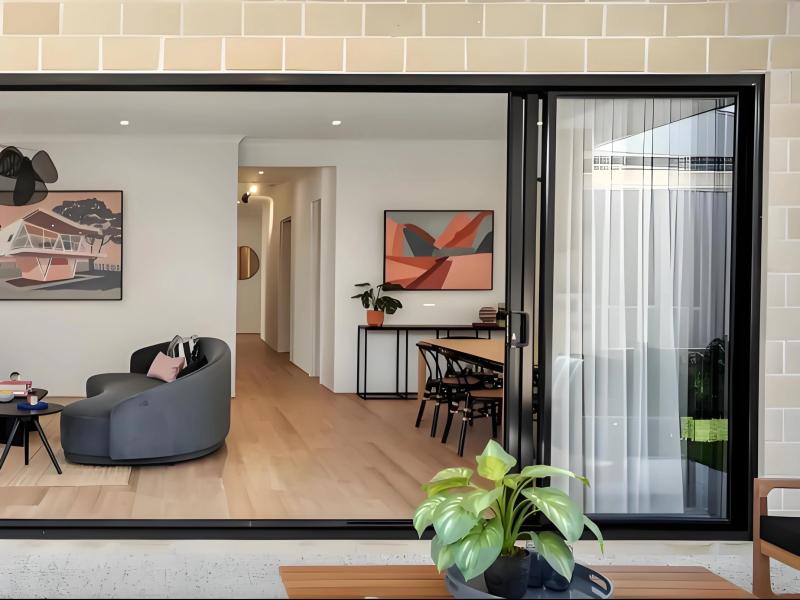

How to match the thickness of Insulating Glass for home floor-to-ceiling windows to resist wind pressure better?
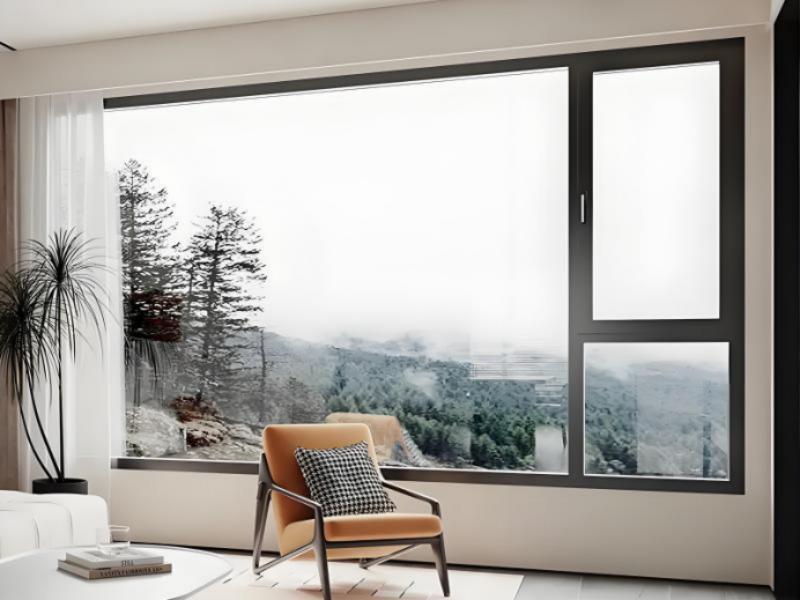
Everyone loves floor-to-ceiling windows for their ultra-wide view and great lighting, but most homeowners overlook one key point: large glass panels are far less wind-resistant than small regular windows. That’s why choosing reliable insulating glass, tempered glass and shatterproof glass is the top priority for window safety. On windy days, strong wind pressure will make thin or low-quality glass shake, bend and rattle constantly. In severe cases, the glass may even crack or fall off, causing huge safety risks and property loss. As a professional glass manufacturer, we want to tell you that a reasonable thickness match of these glass types can greatly stabilize your floor-to-ceiling windows. Insulating glass handles daily heat insulation and sound insulation, while matched tempered glass and shatterproof glass provide solid wind pressure resistance, keeping your home safe in all weather conditions.
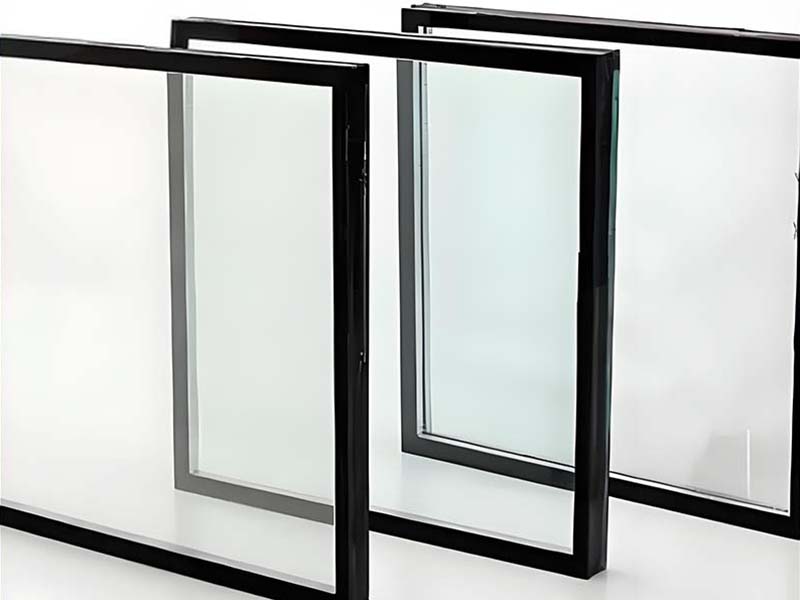
Practical thickness standards for residential insulating glass and tempered glass for floor-to-ceiling windows
Many customers ask us what glass thickness is standard for home floor-to-ceiling windows. To put it simply, household insulating glass is mostly composed of two or more tempered glass panels and sealed air cavities. The common thickness of a single tempered glass substrate ranges from 5mm to 12mm, which covers most residential usage scenarios. For low-rise buildings with mild wind conditions, the classic 5mm+12A+5mm double-layer tempered insulating glass is fully sufficient for daily use. However, for high-rise residences, wind pressure increases greatly, so we have to upgrade to thicker tempered glass substrates. Each thickness of tempered glass corresponds to a specific wind resistance level, which is the most practical and reliable reference for you to select insulating glass for your windows.
How reinforced glass thickness boosts the overall wind pressure resistance of insulating glass
If you want better wind resistance than ordinary tempered glass, reinforced glass is your best upgrade option. Compared with regular tempered glass, reinforced glass features denser structure and stronger impact resistance. Changing the thickness of the reinforced glass substrate directly improves the overall wind resistance of your insulating glass unit. Thicker reinforced glass barely deforms under strong wind, effectively avoiding common problems like insulating glass cavity distortion and air leakage. It can evenly disperse wind pressure across the glass surface and improve the overall load-bearing capacity of insulating glass. Combined with the excellent anti-breakage performance of shatterproof glass, this matching solution ensures the glass will not crack or fall off even under sudden strong wind pressure, greatly improving window durability and safety.
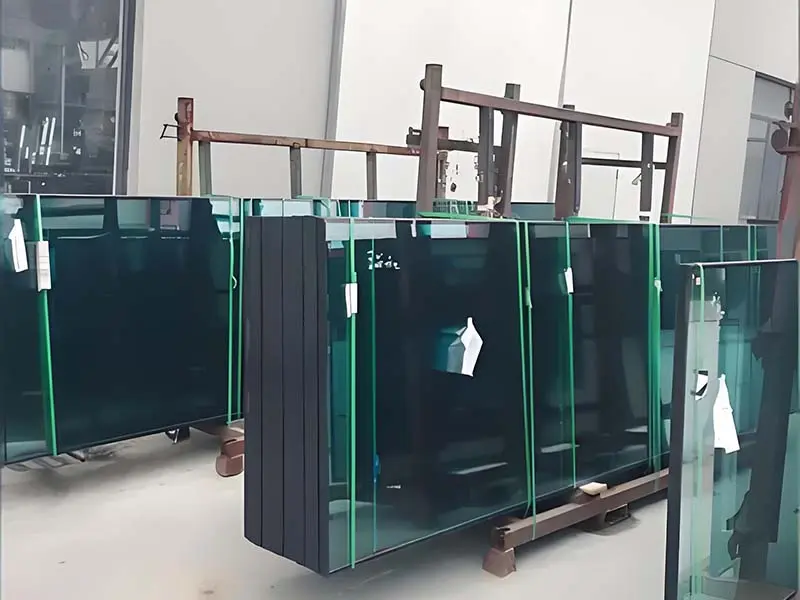
Key environmental and installation factors that affect thickness matching of insulating glass and shatterproof glass
There is no one-size-fits-all standard for matching insulating glass, tempered glass and shatterproof glass thickness. We always suggest customers customize the glass scheme according to their actual living environment and installation conditions. If you live in high-rise buildings, coastal windy areas or open areas with no wind barriers, the wind pressure is much higher, so you need thicker shatterproof tempered glass substrates and optimized insulating glass cavity sizes. Besides glass itself, window frame material, window opening size and installation sealing quality also affect wind resistance. When the window frame has limited bearing capacity, upgrading the glass thickness properly can make up for the deficiency and keep your floor-to-ceiling windows stable and wind-resistant all year round.
Common thickness matching mistakes for floor-to-ceiling window insulating glass and tempered shatterproof glass
From years of glass manufacturing and customization experience, we’ve summarized many typical mistakes homeowners make when choosing glass for floor-to-ceiling windows. The most common mistake is choosing ultra-thin glass just to cut costs. This leads to insufficient wind resistance of insulating glass, causing annoying shaking and buzzing noises on windy days. Another frequent error is only thickening the hollow cavity of insulating glass while ignoring upgrading tempered and shatterproof glass substrates, which easily causes substrate cracking and damage. In addition, mismatched thickness of inner and outer insulating glass panels results in uneven stress distribution, greatly reducing the wind resistance and overall service life of the entire glass unit.
Practical thickness matching solutions for floor-to-ceiling windows of different sizes and wind conditions
To help you choose glass easily, we’ve sorted out targeted and cost-effective thickness matching solutions for insulating glass, reinforced glass, tempered glass and shatterproof glass based on window size and regional wind conditions. For small floor-to-ceiling windows (below 3 square meters) in low-rise and low-wind areas, the standard 5mm+12A+5mm double tempered insulating glass fully meets daily wind resistance needs. For medium and large windows or high-rise buildings, we recommend 8mm+12A+8mm reinforced and shatterproof insulating glass for better stability. For coastal areas with strong persistent winds, we advise 10mm or 12mm thick reinforced tempered glass substrates paired with multi-cavity insulating glass structures. This professional matching scheme maximizes wind pressure resistance and ensures long-term safe and stable use of your home floor-to-ceiling windows.
Founded in 2006, Jiangsu Guoxin Glass Co., Ltd. is a professional and reliable glass manufacturer with nearly 20 years of mature production and R&D experience. We specialize in premium insulated glass, tempered glass, reinforced glass, shatterproof glass, laminated glass and fireproof glass, catering to residential, commercial and architectural glass customization needs. We adhere to strict quality standards, focus on product innovation and stable performance, and provide cost-effective, wind-resistant, durable glass solutions for global customers. Whether you need product consultation, customized specifications or bulk procurement support, welcome to contact us freely for professional one-stop service and reliable glass solutions.