




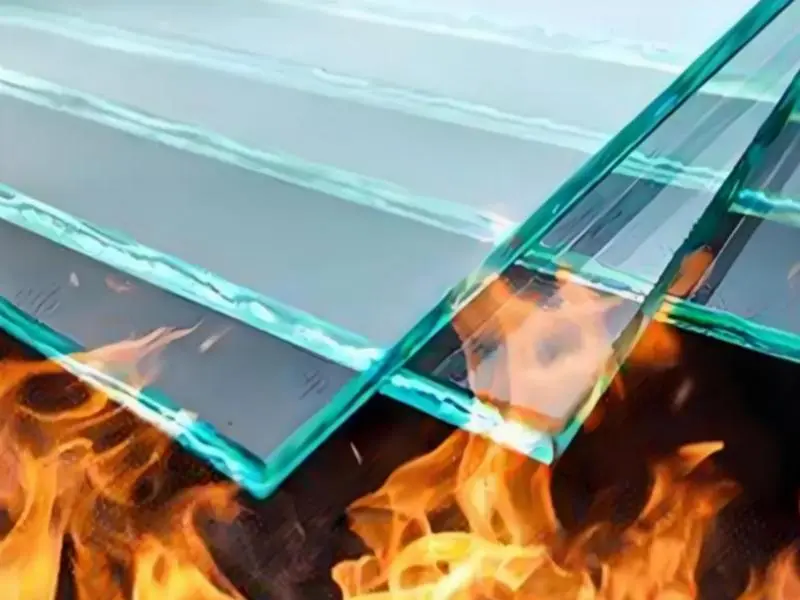


How to prevent fog and water mist inside Tempered Laminated Glass?
The Hidden Trouble of Fog and Water Mist in Laminated Building Glass
Today, I want to talk about a troublesome issue that all construction professionals hate—fogging in tempered laminated glass! As the most commonly used type of laminated building glass, tempered laminated glass is indispensable everywhere, whether it’s for high-rise curtain walls, indoor railings, or beautiful curved designs using curved tempered glass. It’s safe (after all, it’s laminated safety glazing) and transparent (as clear as laminated clear glass), so many architects and contractors love using it. But the trouble is, after using it for a while, fog and small water droplets will form inside the glass. It looks really ugly and unprofessional, and over time, it may even affect the firmness of the glass, making safety unguaranteed. Today, combining the experience of our Guoxin Glass, I’ll talk to you about the reasons for fogging in tempered laminated glass and how to specifically prevent it—whether you’re using flat laminated clear glass or curved curved tempered glass, this will be useful to you!
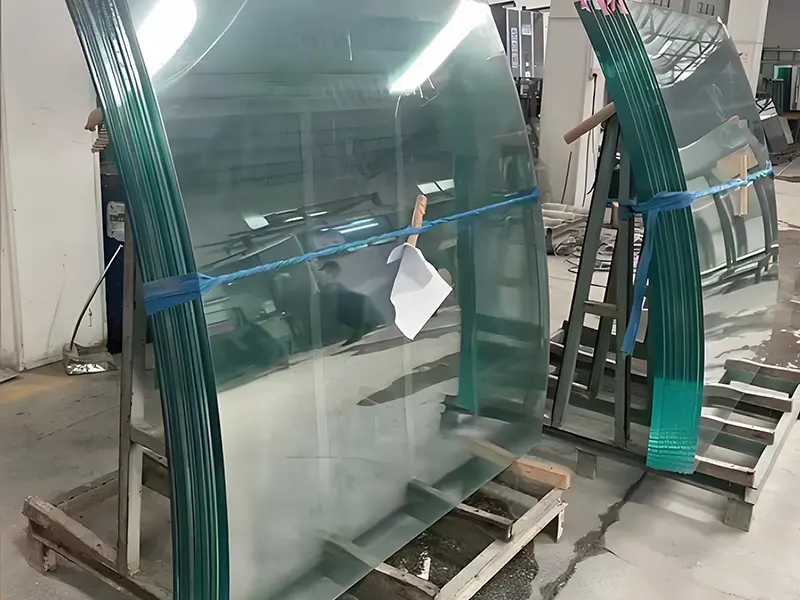
Why Does Fog and Water Mist Appear Inside Tempered Laminated Glass? Common Causes
To prevent fogging, you first need to know why it happens—otherwise, all your efforts will be in vain! In fact, the main reason is that moisture gets into the glass interlayer, and this can happen at every stage of the glass’s production, installation, and use. For example, during production, if the glass sheets and interlayer film of laminated safety glazing are not fully dried, the residual moisture will be trapped inside. Another common problem is poor edge sealing of the glass—external moisture seeps in slowly, and fog forms over time. In addition, when there’s a large temperature difference between indoor and outdoor, condensation is also easy to form, especially for curved tempered glass. Its special shape has higher sealing requirements, and it’s easy to have problems if it’s not done properly. There’s also a case where the quality of the interlayer film is poor, with small defects, which will also leave gaps for moisture to enter, leading to fogging.
Key Prevention Measures During Production: Lay a Foundation for Fog-Free Laminated Clear Glass
As a glass manufacturer, we at Jiangsu Guoxin Glass know best that preventing fogging in tempered laminated glass starts with strict control during the production process—that’s the most fundamental step! First of all, the raw materials must be completely dry—whether it’s the glass sheets for laminated clear glass or the interlayer film for laminated safety glazing, they must not be used for production if they’re not dry. Otherwise, the hidden moisture inside will definitely cause fogging later. Then, the lamination process must be standardized—use vacuum equipment to pump out all the air and moisture inside, ensuring that the two layers of glass are tightly bonded without any gaps. Especially for curved tempered glass, its edge sealing is more exquisite. We will specially optimize the edge sealing technology to adapt to its curved shape and ensure good waterproof performance. Finally, every piece of tempered laminated glass will undergo strict inspection before leaving the factory. Any unqualified products with poor sealing or hidden moisture will never enter the market—this is our responsibility to our customers.
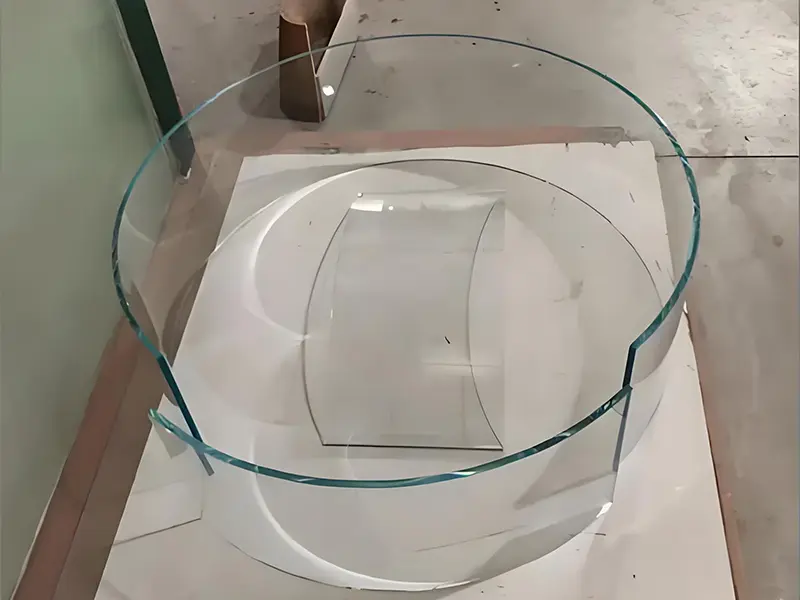
Installation Tips to Avoid Fogging: On-Site Protection of Tempered Laminated Glass
Many customers feedback that the glass is good when they buy it, but it fogs up soon after installation. In fact, this is probably due to improper installation! Today, I’ll tell you a few practical installation tips to avoid pitfalls. First of all, before installation, laminated clear glass and curved tempered glass must be placed in a dry and well-ventilated place—don’t put them in a humid environment, otherwise they will absorb moisture. Then, during installation, the gaps between the glass and the wall or frame must be tightly sealed with waterproof materials, leaving no dead corners, otherwise external moisture can easily seep in. Especially for curved tempered glass, its edges are relatively special. Be sure to handle and install it with care, don’t damage the sealing edge—due to uneven force on the curved surface, it’s easy to crack. In addition, try not to install it on rainy days, or in too humid or cold conditions, which can also reduce the risk of moisture intrusion.
Daily Maintenance and Troubleshooting: Extend the Fog-Free Service Life of Laminated Safety Glazing
Once the glass is installed, daily maintenance is also essential. Doing a good job in maintenance can avoid fogging and make it last longer! When cleaning laminated clear glass or curved tempered glass daily, don’t use strong corrosive cleaners or hard cloths. Use a soft dry cloth or a mild cleaner instead—otherwise, it will damage the edge sealing and cause fogging. In addition, pay more attention to the condition of the glass. If you find small water droplets or turbidity inside the glass, these are early signs of fogging. Hurry up to check if there are cracks in the edge sealing and repair them in time. If the fogging is already severe and the entire glass is turbid, it means that moisture has seeped deeply. In this case, don’t try to repair it—hurry up to replace a piece of laminated building glass, otherwise it will affect safety.
Special Notes for Curved Tempered Laminated Glass: Fog Prevention Challenges and Solutions
Finally, I want to focus on curved tempered laminated glass. It’s more prone to fogging than flat tempered laminated glass because it’s curved, which makes both production and installation more difficult. First of all, during production, curved tempered glass requires special lamination equipment to ensure that the interlayer film is evenly bonded to the curved surface—otherwise, gaps and moisture traps are easy to form. Then, during installation, be sure to use hardware that matches the curved shape—don’t use hardware for flat glass, otherwise it will damage the sealing edge. During maintenance, also pay more attention to the edges. The curved surface is more affected by temperature changes, so the sealing edge is more likely to be damaged. Regular inspection and timely repair can avoid fogging. If you have fog prevention needs for curved tempered glass, you can also contact us at Jiangsu Guoxin Glass—we have special customized solutions to help you solve the trouble.