


Why Can Insulated Glass and Aluminium Windows Solve Your Noise Troubles?
Why Can Insulated Glass and Aluminium Windows Solve Your Noise Troubles?
When I talk to lots of our customers, I find the biggest headache for most of them is noise. If you live by the road, the traffic keeps you up at night. If you’re in a community, neighbors’ decorating or kids crying drive you crazy. And office workers? You can’t focus with all the noise outside. But don’t stress—we’ve been in the glass business for years, and our top pick for fixing this is Aluminium Windows with Insulated Glass. This combo is basically a “noise-canceling hero” and way more reliable than just using regular glass or other window materials alone.
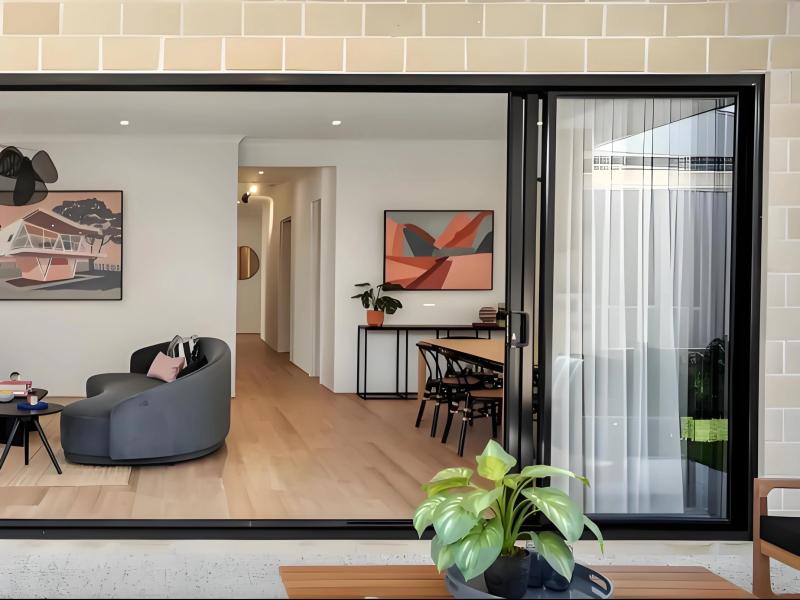
Let’s be real—Aluminium Windows are tough, don’t rust, and look good too. They work for homes, office buildings, hotels… pretty much anywhere. Insulated Glass, on the other hand, is great at blocking noise and keeping heat in (or out)—way better than single-layer glass. When you pair these two, it’s not just 1+1. It’s more like 1+1>2—they block almost all the outside noise from getting in your door.
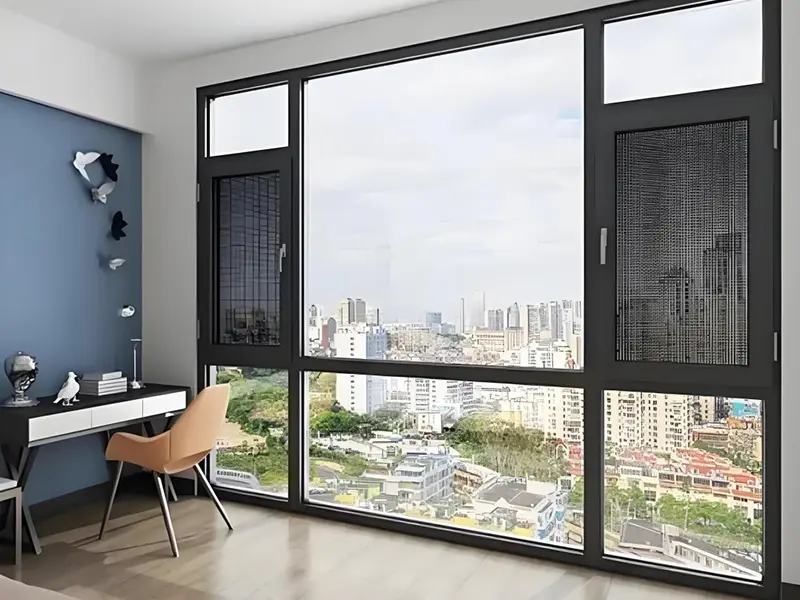
Jiangsu Guoxin Glass Co., Ltd. was founded in 2006, and over the past 20 years, we’ve grown into a top player in the glass industry with a solid, successful track record. We’ve got tons of experience in researching, developing, making, and selling Aluminium Windows, fireproof glass, laminated glass, and insulated glass. That experience lets us make high-quality, innovative products that fit all kinds of customer needs. Today, with all our years of know-how, I’m gonna break this down for you simply—how well does Insulated Glass work with Aluminium Windows for sound insulation? How do you pick between Casement Windows, Sliding Windows, and Swinging Windows? And how do you take care of them so they keep blocking noise? No fancy words, no confusing jargon—just simple, useful stuff you can actually use.
You Don’t Need to Understand the Sound Insulation Principle Too Deeply—Just These Points Are Enough
You don’t have to memorize all that complicated technical stuff. Let me put it in plain English: sound travels mostly through air and solid things, and our Insulated Glass + Aluminium Windows stop it from both ways.
Insulated Glass has three simple tricks for blocking noise: First, when sound hits the glass, some of it bounces right back and can’t get inside. Second, the space between the two (or three) glass panes acts like a buffer—when sound goes through that space, it loses most of its energy and gets really quiet. Third, if we fill that space with inert gases like argon or krypton (they’re denser than regular air), sound slows down even more, so the insulation gets better. Quick tip: The space between the panes isn’t better if it’s wider—12-20mm is the sweet spot for the best sound insulation.
For Aluminium Windows, just focus on two things: First, the frame. Broken Bridge Aluminium frames are way better than regular Aluminium ones because they have a thermal strip in the middle that stops noise from traveling through the frame. Second, the sealing. The strips around the window (between the window and wall, and between the sash and frame) need to be good quality. If they’re not, even the best Insulated Glass won’t help—noise will leak through the gaps, and you’ll have wasted your money.
To sum it up, sound insulation works well if you get these 5 things right: how many glass panes you have and how thick they are, the width of the space between panes and what gas is in it, the type of Aluminium frame, how good the sealing is, and if it’s installed properly. Get all these right, and noise won’t stand a chance.
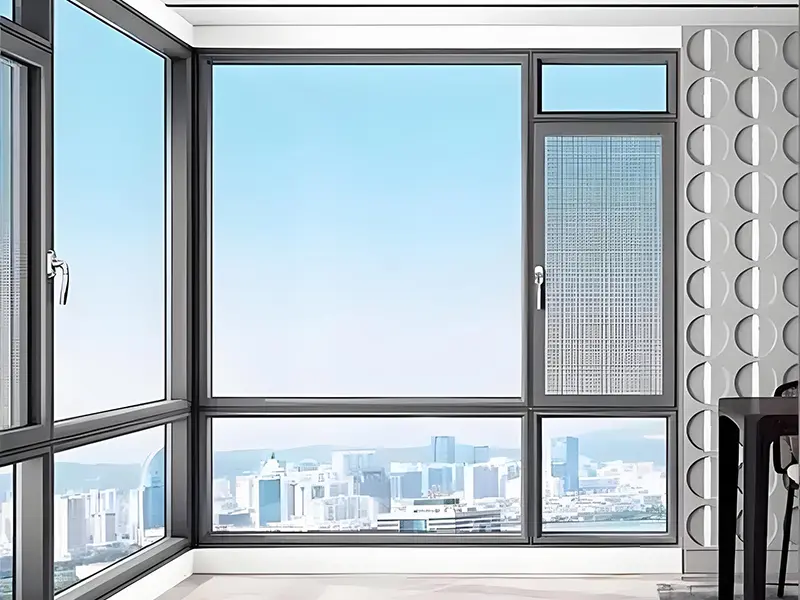
Which Type of Aluminium Window (Casement/Sliding/Swinging) Pairs Best with Insulated Glass for Sound Insulation?
Lots of customers get stuck: “I have Sliding Windows—does that mean bad sound insulation?” “Should I choose Casement or Swinging Windows?” The truth is, different window types work differently with Insulated Glass, but none are “bad”—it just depends on what you need.
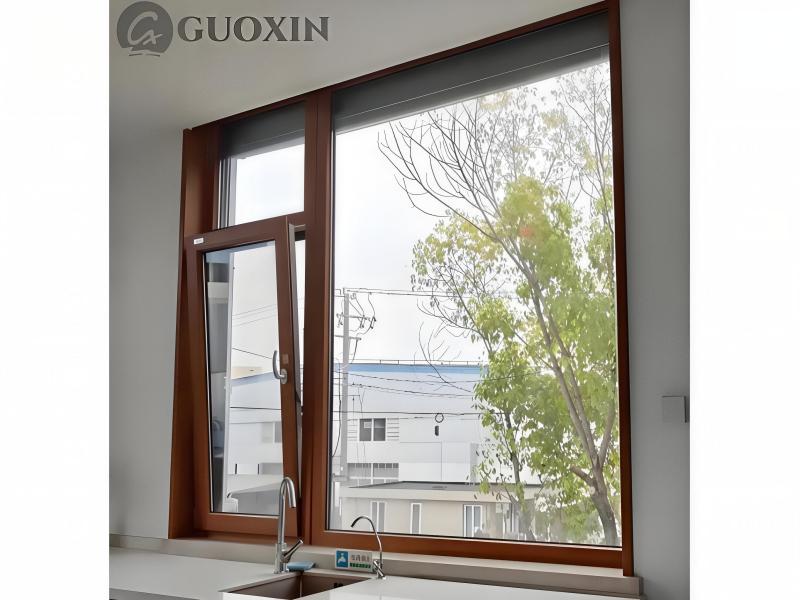
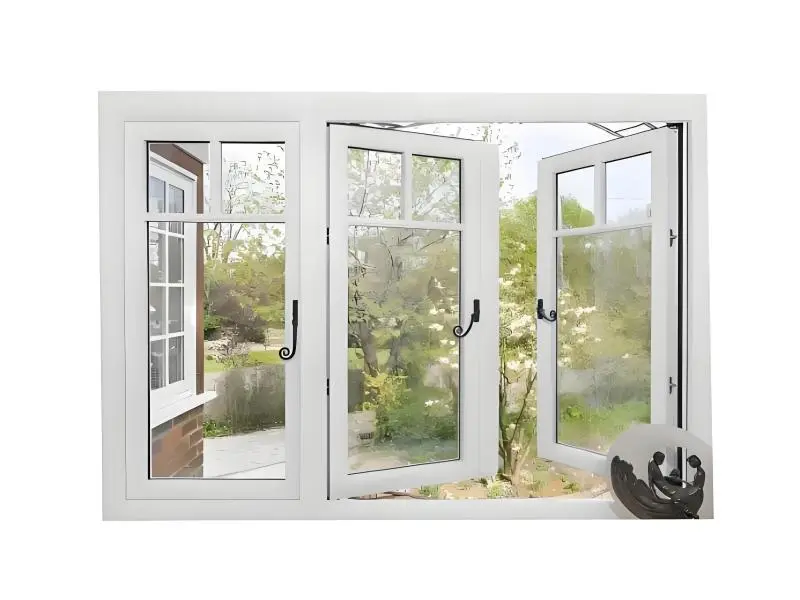
1. Casement Windows: These have the best sound insulation, and they’re our top recommendation. When you close the sash, it fits super tight against the frame—no gaps, so sealing is perfect. Pair them with Insulated Glass (double or triple layer), and they block noise really well. Great for bedrooms, studies, or any place where you need quiet. If you want the quietest space possible, go with Casement Windows + triple-layer Insulated Glass.
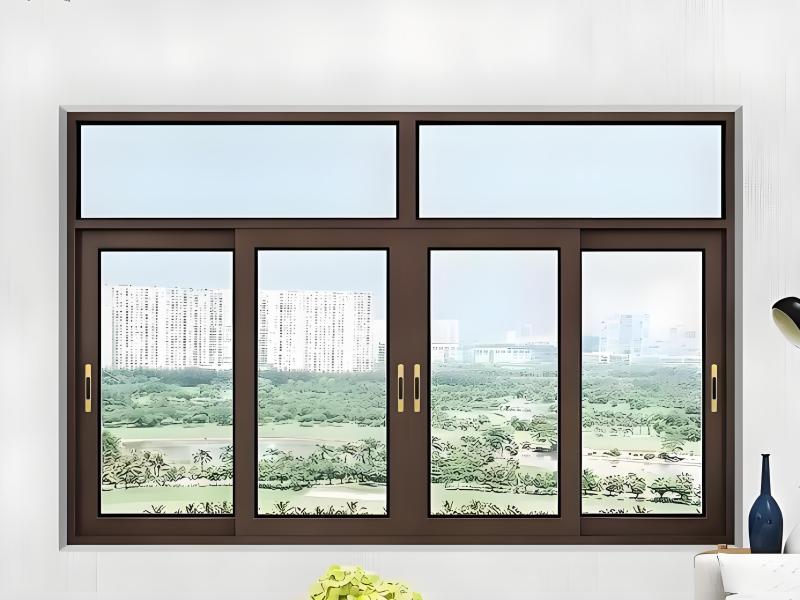
2. Sliding Windows: A lot of people think these are bad for sound insulation, but that’s not true. The problem is the gaps between the track and the sash—noise leaks through those. But if you pick the right Insulated Glass, swap out the sealing strips for good ones, and tweak the track a bit, the sound insulation gets way better. Perfect for balconies or living rooms where you want easy opening—they work just fine.
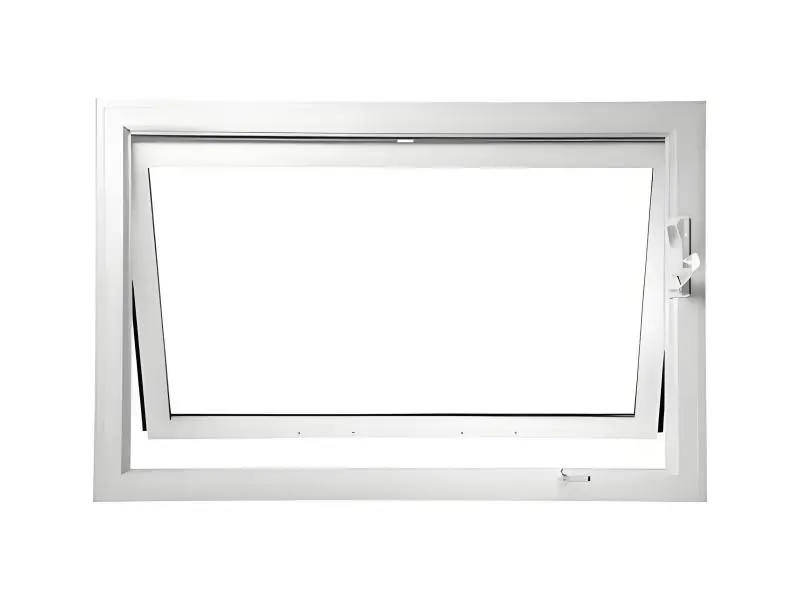
3. Swinging Windows: These open easily and don’t take up space, so they’re great for small apartments. Their sound insulation is between Casement and Sliding Windows. If you get the sealing right and pair them with double-layer Insulated Glass, they’ll block daily noise. If the noise is a bit louder, just upgrade to triple-layer.
Quick comparison: Casement Windows > Swinging Windows > Sliding Windows for sound insulation. But don’t write off Sliding Windows—get the sealing right, and they’ll work for most families. No need to force Casement Windows if you prefer how Sliding ones open.
Want to Maximize Sound Insulation? These 5 Key Points Must Be Noted
Lots of customers say after installation: “Why isn’t the sound insulation as good as I thought?” It’s usually because they missed a few key things. Do these 5 things, and you’ll get the best possible sound insulation without wasting money.
1. Number and thickness of glass panes: Thicker glass and more layers mean better sound insulation. Single-layer glass should be at least 5mm thick. For Insulated Glass, 5mm+5mm or 6mm+6mm works for most homes. If you live in a super noisy area (like by a road or airport), go straight for triple-layer Insulated Glass.
2. Filled gas: Dry air is fine for most families. If you have a little extra budget, argon or krypton are better—they block noise and heat better. Krypton is better than argon but a bit more expensive—pick what fits your budget.
3. Aluminium frame: Go for Broken Bridge Aluminium if you can—it’s way better for sound insulation than regular Aluminium. The frame design matters too—a good design will reduce sound bouncing around, making insulation even better.
4. Sealing strips: Make sure you pick silicone or EPDM sealing strips. They’re stretchy, seal tight, and last long. Don’t buy cheap ones—they’ll age fast, and noise will start leaking in again. Also, use good sealant between the window and the wall—no gaps allowed.
5. Installation quality: This is the most important step! No matter how good your glass and windows are, if they’re installed poorly (like a loose frame, wobbly glass, or missing sealing strips), the sound insulation will be terrible. Always hire a professional installation team, and check everything right after they’re done—fix any problems right away.