
Is Smart Low E Glass the Next Big Thing in Adaptive Facades?
The Evolution of the Insulating Glass Unit
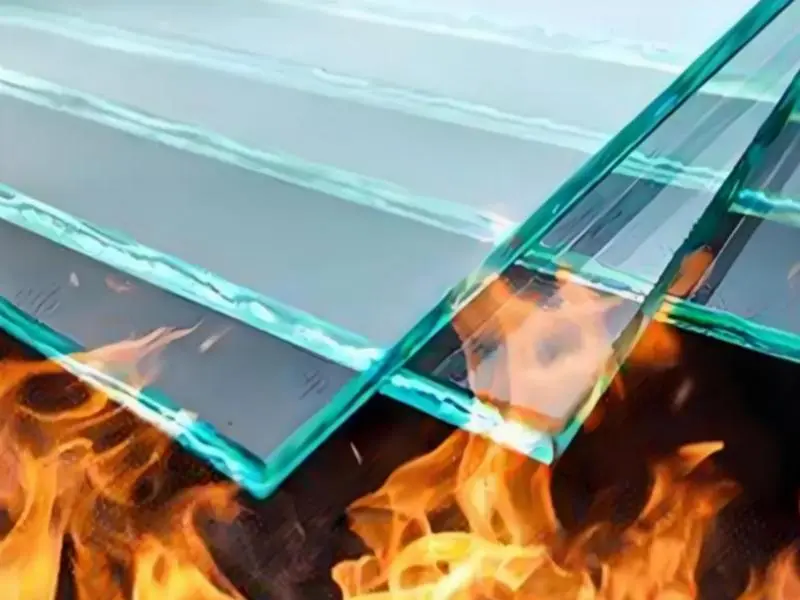
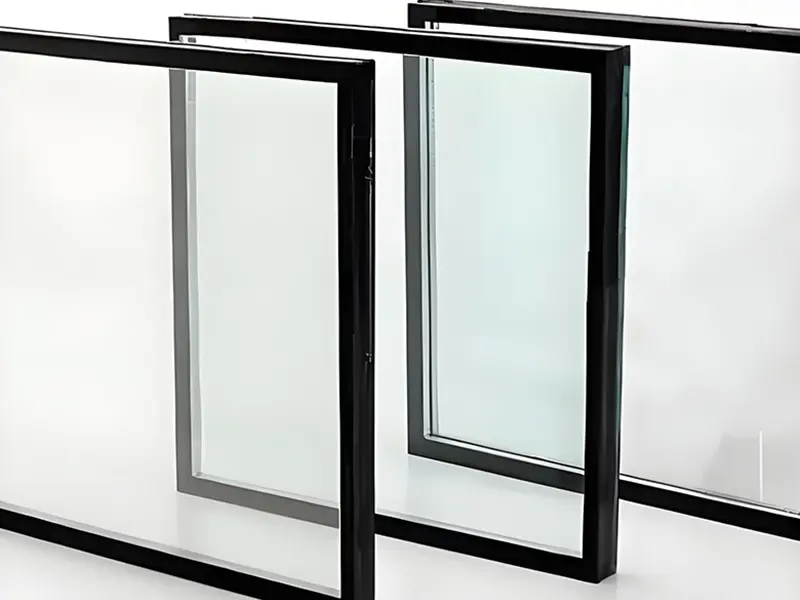
For years, if you wanted good thermal performance, the go-to solution was passive Low E glass. You know, those silver-based coatings put on with magnetron sputtering. They’re great at reflecting long-wave infrared—keeping heat inside during winter and blocking solar gain in summer. But the problem with static Low E glass? Its Solar Heat Gain Coefficient (SHGC) is locked in. No adjustment.
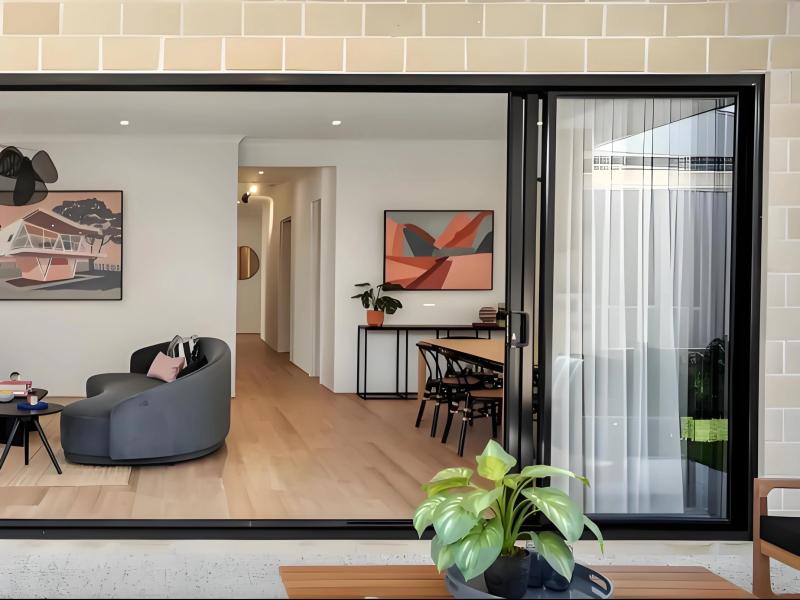
An architect specifying glass for a south-facing facade in Dubai must choose between a highly reflective mirror glass (low SHGC, high glare) or a clearer, visually comfortable glass that allows too much heat in. Smart Low E glass solves this binary choice. By integrating electrochromic technology into the Low E glass stack, manufacturers have created a product where the emissivity and light transmission change on demand.
Research indicates the Low Emissivity Smart Glass market is poised to expand from $22.6 billion in 2024 to approximately $37.6 billion by 2034. This growth is not merely speculative; it is driven by legislation like the EU’s Energy Performance of Buildings Directive, which mandates that all new buildings be zero-emission by 2030. Static Low E glass alone cannot meet these dynamic energy load requirements without massive HVAC overhauls.
Beyond Flat Panels: Curved Glass and Complex Geometries
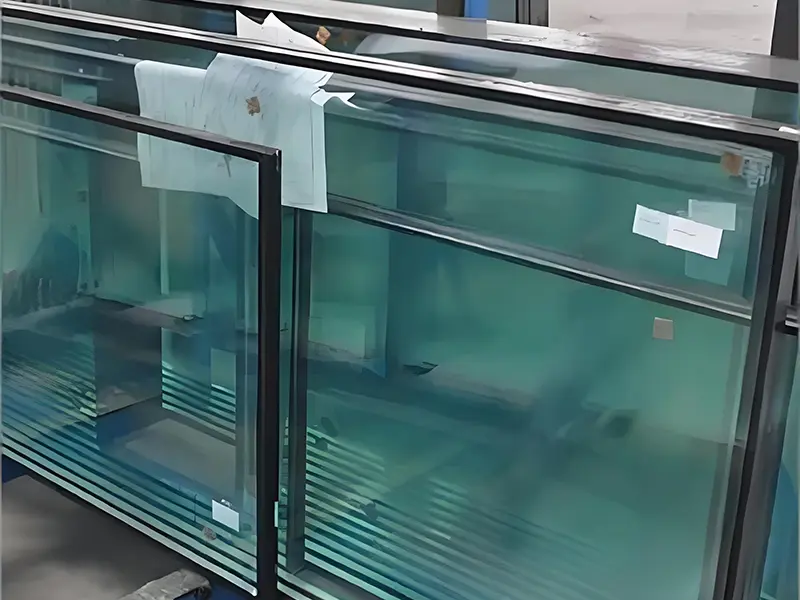
One of the primary technical hurdles for adaptive glazing has been manufacturing yield. Applying the delicate ceramic and metallic layers required for electrochromic Low E glass to complex shapes has historically resulted in high rejection rates. However, the latest generation of curved glass manufacturing utilizes cold-bending techniques and digital fabrication to maintain the integrity of the Low E glass stack.
Curved glass is no longer just an aesthetic feature for museum lobbies; it is becoming a structural necessity for wind-load management in super-tall towers. When combined with Smart Low E glass, curved glass allows for "sweeping" facades that follow the sun’s arc. Unlike flat panels, curved glass in an adaptive facade reduces the angle of incidence for reflected glare, preventing the "death ray" hot spots that have melted car interiors in London and Las Vegas.
Projects like the Fondation Louis Vuitton in Paris demonstrate that curved glass can be both artistic and high-performing. Today’s curved glass units are now being specified with triple-silver Low E glass coatings that, when paired with active tinting, achieve a U-value (thermal transmittance) as low as 0.5 W/m²K without the need for bulky external shading devices.
The Integration of Safety Glass and Structural Resilience
As facades become "smarter," they also become heavier and more electrically complex. This introduces a critical requirement for safety glass. In the event of a thermal stress fracture or impact, safety glass—specifically thermally tempered or laminated safety glass—prevents the 2,000-pound curtain wall panels from raining onto sidewalks below.
Modern adaptive Low E glass systems almost exclusively utilize safety glass for the inboard lite of the insulating glass unit (IGU). Furthermore, the interlayers used in laminated safety glass (typically PVB or SentryGlas) are now being engineered to house the ultra-fine busbars and wiring required to power electrochromic tinting.
This convergence of safety glass with nanotechnology raises the bar for building codes. Safety glass in a smart facade must maintain its impact resistance (Class II or III per ANSI Z97.1) even after millions of tinting cycles, which subject the seals to thermal expansion and contraction. The safety glass acts as the structural backbone, ensuring that when the Smart Low E glass switches states, the physical integrity of the building envelope remains absolute.
Aesthetic Competition: The Role of Mirror Glass
While Smart Low E glass offers superior functionality, mirror glass remains a formidable competitor in the aesthetic market. The highly reflective, monolithic look of mirror glass has defined corporate power for decades. However, mirror glass has a critical flaw in an adaptive context: it does not handle night-time re-radiation well.
During the day, mirror glass reflects sunlight beautifully, reducing cooling loads. But at night, if the interior lights are on, mirror glass turns into a transparent surface (privacy loss) while failing to retain interior heat. Smart Low E glass offers the best of both worlds. When in a "tinted" or "reflective" state, modern Smart Low E glass mimics the visual opacity of mirror glass. When clear, it offers the high Visible Light Transmission (VLT) of uncoated glass.
For architects seeking the mirror glass look without the thermal downsides, Smart Low E glass provides a "dynamic mirror" effect. By adjusting the voltage to the electrochromic layers, the glass can achieve a reflectance level (up to 30-40%) that rivals traditional mirror glass, but without the static, haunting reflection that darkens interior spaces.
Economic Viability and Market Adoption
The primary barrier to adoption has been cost. Smart Low E glass currently carries a significant premium over standard insulated Low E glass units. However, the total cost of ownership (TCO) narrative is shifting. In commercial towers, HVAC systems account for roughly 30-40% of energy use. Projects utilizing Smart Low E glass have demonstrated a reduction in cooling loads by up to 26% compared to static high-performance glass.
Furthermore, the "wellness" premium is driving demand. Tenants are willing to pay higher rents for spaces with access to natural light but without glare or heat. Curved glass and mirror glass cannot offer the "view-through" clarity that Smart Low E glass provides when dimmed.
Is Smart Low E glass the next big thing? Yes, but with a caveat. It will not replace commodity Low E glass for residential back windows any time soon. However, for the curved glass skylines of tomorrow and the retrofit of aging mirror glass office towers from the 1980s, Smart Low E glass is the only solution that addresses energy, comfort, and density.
As manufacturers improve the recycling of safety glass components and drive down the cost of roll-to-roll coating of Low E glass, the adaptive facade will shift from "luxury" to "standard." The era of static glass is ending; the building envelope is finally learning to blink.