
What safety advantages does Laminated Glass have in building use?
I receive many customer inquiries every day – which type of construction glass is both practical and safe? In fact, glass has long been indispensable in modern buildings. Glass types like low E glass (Low Emissivity Glass), insulated glass, decorative glass, and mirror glass are widely used, either for energy saving or aesthetics. But when it comes to the most critical factor in construction – safety, which is one of the top concerns for architects, contractors, and owners – laminated glass stands out as more reliable than the other types. Today, from an industry insider’s perspective, I’ll tell you in detail how outstanding the safety advantages of laminated glass are in construction. By comparing it with other common glass types, I’ll explain why it has become the first choice for safety-focused projects. From impact resistance to shatter protection, every point is closely related to you – after reading this, you’ll know exactly how to choose.
1. Maximum Impact Resistance! laminated glass Is Much More Durable Than low e glass and mirror glass
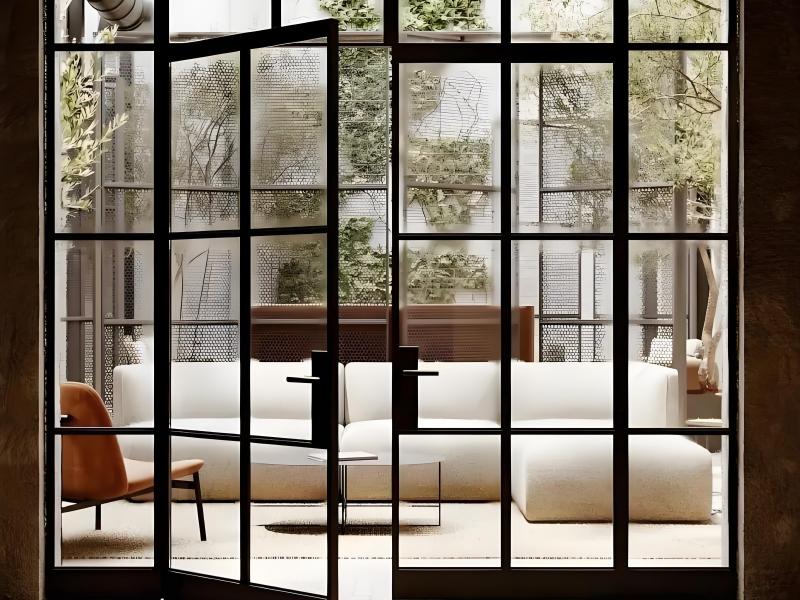
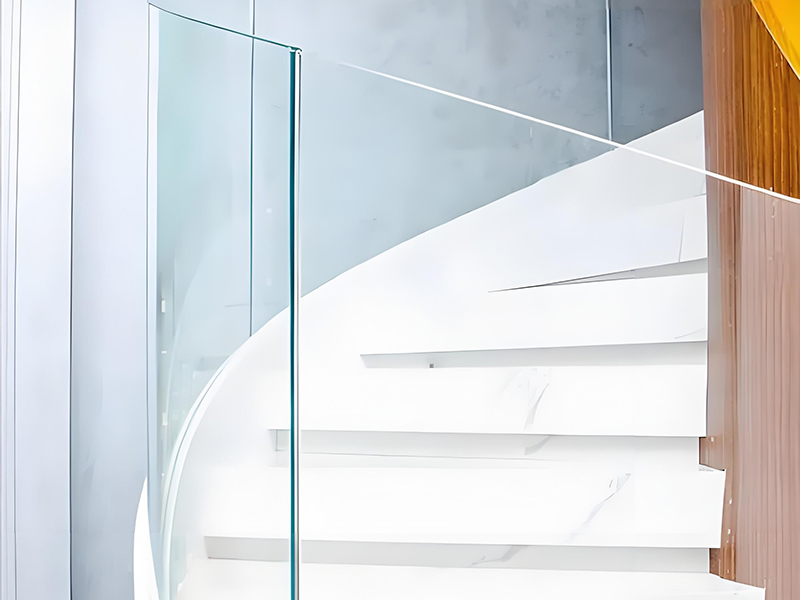
We in the construction industry all know that the durability of glass is directly related to long-term safety. One of the most outstanding features of laminated glass is its excellent impact resistance, which is much stronger than that of low e glass and mirror glass. You may not know that laminated glass is made of two or more layers of glass bonded together with PVB (Polyvinyl Butyral) interlayer. This structure can absorb and disperse impact force. Unlike low e glass, which mainly focuses on energy saving and has poor impact resistance, or mirror glass, which only serves aesthetics and reflection and is easy to break with a slight impact, laminated glass is not easy to break – whether it’s hit by falling debris from high altitudes, exposed to severe weather, or even intentionally impacted. Therefore, it’s definitely the right choice for crowded areas, building facades, and storm-prone regions, where impact resistance is crucial to protecting the safety of occupants and property.
2. No Harm Even If Broken! laminated glass vs. insulated glass: A Big Difference in Shatter Protection
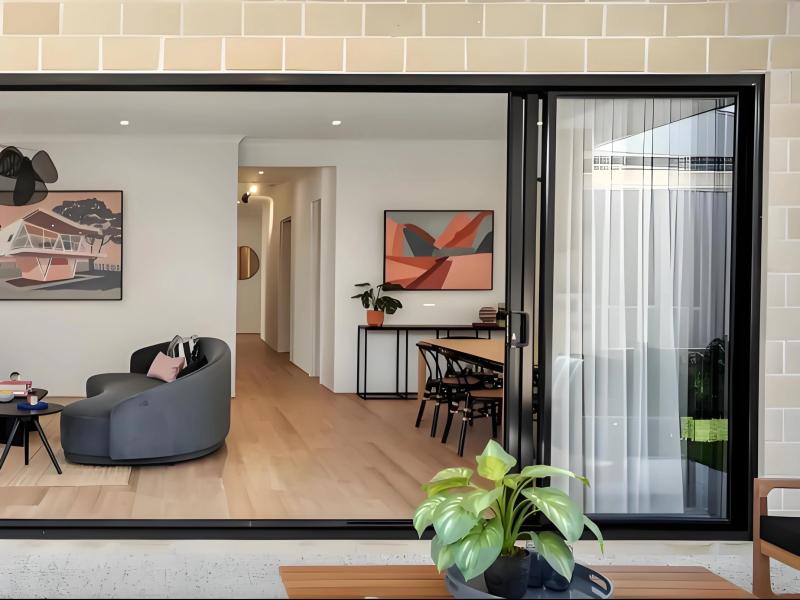
Many customers have asked me: which is safer, insulated glass or laminated glass? Today, I’ll make it clear – when it comes to shatter protection and injury prevention, laminated glass is far better! When insulated glass breaks, it usually shatters into sharp, dangerous shards that can easily cause serious cuts and stab wounds. But laminated glass is different. Even if it breaks, the PVB interlayer will firmly hold the shards together, preventing them from scattering everywhere, which fundamentally eliminates the risk of cuts. Whether it’s residential buildings, offices, or public buildings like schools and shopping malls, choosing laminated glass gives you more peace of mind. Unlike decorative glass, which often prioritizes aesthetics over safety, laminated glass combines both aesthetic flexibility and shatter protection – the best of both worlds.
3. Fire-Resistant and Attractive! laminated glass Matches decorative glass for Both Safety and Aesthetics
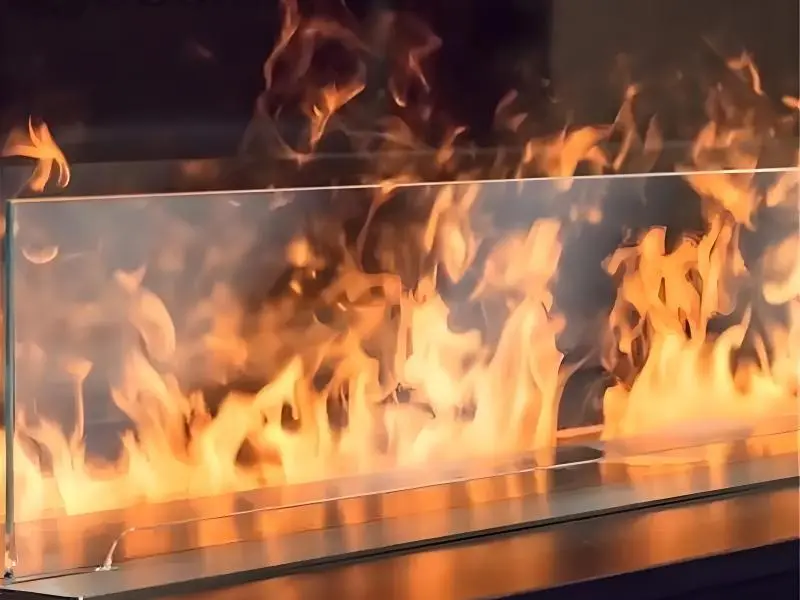
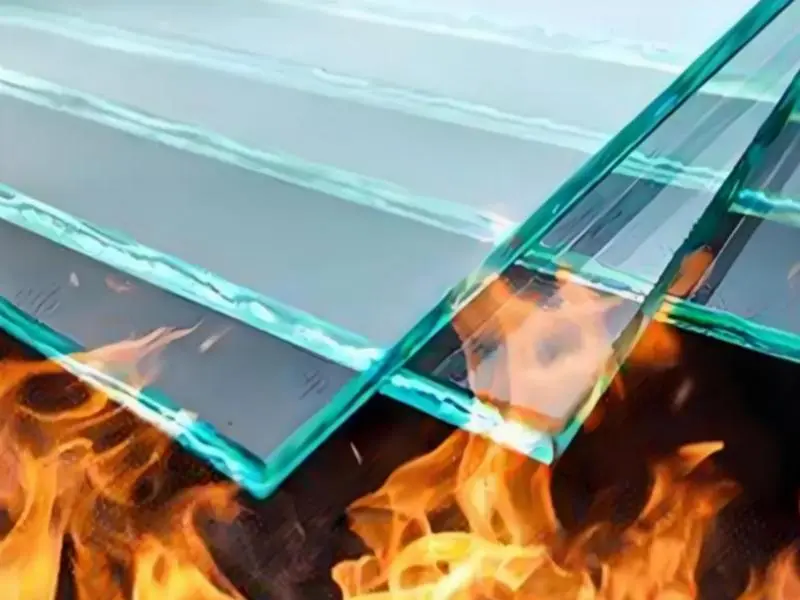
In addition to impact resistance and shatter protection, laminated glass also has excellent fire safety advantages, especially when used with decorative glass – it can be both attractive and enhance the fire safety of the building. We in the construction industry all know that fire safety is a top priority, especially for commercial buildings, hospitals, and high-rise residential buildings – there’s no room for carelessness. Ordinary decorative glass is easy to melt and break at high temperatures, so it can’t play any fireproof role at all. But special fire-resistant laminated glass is different. It can delay the spread of fire and smoke, providing more time for occupants to evacuate and firefighters to respond. It also acts as a barrier against flames and toxic smoke by maintaining its structural integrity for a longer time. So if you want to balance aesthetics and fire safety, matching decorative glass with laminated glass is definitely the right choice.
4. Full Anti-Theft Protection! laminated glass Is Much Harder to Break Than mirror glass and insulated glass
Whether it’s residential or commercial buildings, anti-theft is one of the top concerns of customers. Thieves and intruders usually target glass windows and doors because ordinary glass is too easy to break, but laminated glass can completely dispel their thoughts. Even if the surface of laminated glass is cracked, the PVB interlayer can maintain the integrity of the glass. It takes great strength and a long time to break through it – which will deter potential intruders. In contrast, mirror glass and ordinary insulated glass can be easily broken with minimal force, offering no anti-theft protection at all. Moreover, laminated glass can work well with security systems. Once it breaks, it’s easy to detect and won’t be ignored, which further improves the overall safety of the building.
5. Fear No Extreme Weather! laminated glass Outperforms low e glass and decorative glass in Weather Resistance
Many customers ask: the weather varies in different regions, can the glass withstand it? Let me tell you here – the weather resistance of laminated glass is really excellent, much more reliable than low e glass and decorative glass. Whether it’s areas prone to hurricanes, tornadoes, or hail, laminated glass can withstand strong winds and flying debris, not easily breaking, thus avoiding internal property damage and personal injury. Although low e glass is energy-saving, its weather resistance is average and it’s prone to problems in extreme weather. decorative glass is even more fragile – it may break with a little severe weather. In addition, laminated glass is resistant to temperature changes. Whether it’s extremely hot or cold, it’s not easy to break due to thermal expansion and contraction, making it much more worry-free than other glass types.
6. Worry-Free and Durable! laminated glass Is More Long-Lasting Than insulated glass and mirror glass, with Less Maintenance
Finally, the last point is also what customers care most about – durability and maintenance costs. In the construction industry, no one wants to frequently replace glass or do maintenance, which is time-consuming and costly. The PVB interlayer of laminated glass is UV-resistant, moisture-proof, and anti-aging, ensuring that its safety performance will not decline even after decades of use. But insulated glass is different. Over time, it may lose its airtightness, which not only affects its performance but also may pose potential safety hazards. mirror glass may peel off and age over time, becoming less and less reliable. Moreover, laminated glass requires almost no maintenance, saving you trouble and money in the later stage. Whether used with low e glass or insulated glass, it is the first choice for buildings that focus on long-term safety and cost-effectiveness.