
Which has better cost performance between broken bridge aluminum and plastic steel for Casement Window?
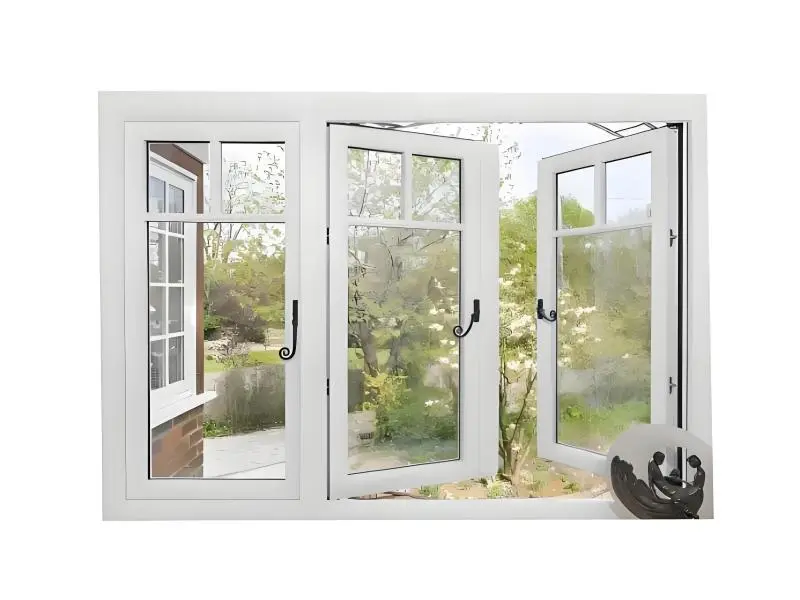
Most homeowners struggle with a common question when purchasing casement windows: should they choose broken bridge aluminum or plastic steel materials? As a professional window and glass manufacturer, we want to share practical and straightforward industry knowledge for your reference. Material quality is the foundation of cost performance for all aluminium windows, sliding windows, and swinging windows. Broken bridge aluminum is the mainstream material for modern aluminium windows. Its insulated bridge structure effectively isolates heat conduction, solving the heat loss and high heat transfer issues that plague traditional ordinary aluminum windows. In comparison, plastic steel casement windows adopt an integrated molding design with rigid PVC materials. These essential material differences lead to huge gaps in the daily performance and service experience of various window types. Therefore, comparing material characteristics is always the first step to judge the true cost performance of casement windows, sliding windows, and swinging windows for home decoration.
Weather Resistance and Service Life: Long-Term Value of Aluminium Windows and Plastic Steel Casement Windows
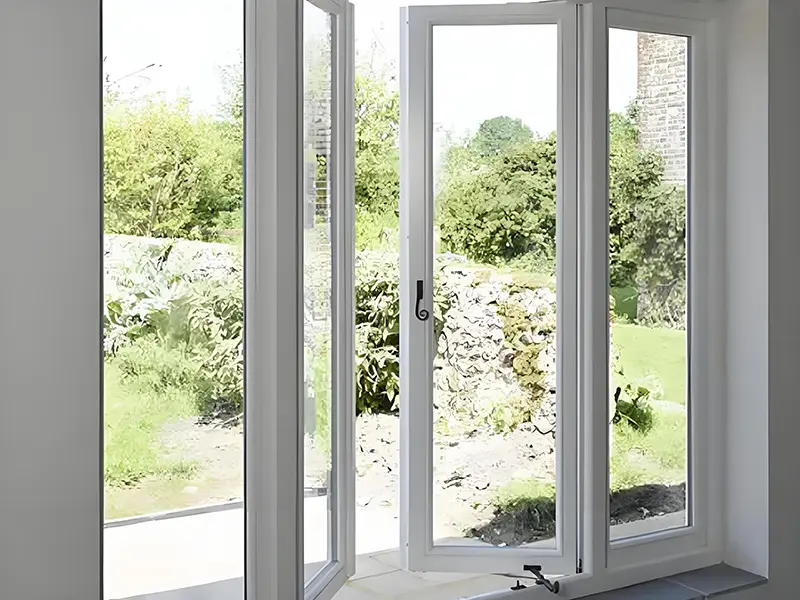
Most buyers only focus on the upfront purchase price while ignoring weather resistance and service life — two hidden but critical factors that determine the long-term cost performance of casement windows. Broken bridge aluminum aluminium windows feature excellent oxidation resistance, corrosion resistance, and deformation resistance. They can withstand harsh outdoor environments such as strong winds, heavy rain, and high temperatures, with a stable service life of 20 to 30 years. This reliable performance applies to casement windows, swinging windows, and sliding windows alike. Although plastic steel casement windows have good rust-proof properties, long-term ultraviolet radiation will cause frame yellowing, aging, and embrittlement. After several years of outdoor use, these windows are prone to deformation and poor sealing problems. The obvious durability gap creates completely different long-term usage values for household windows of the two materials.
Thermal Insulation and Energy-Saving Performance: Practical Advantages of Different Casement Windows and Swinging Windows
Energy-saving performance is a key consideration for modern home window selection, as it directly affects daily air conditioning and heating expenses. Plastic steel casement windows adopt an integral fully sealed structure with low thermal conductivity, delivering outstanding thermal insulation and sound insulation effects. Broken bridge aluminum aluminium windows use professional heat insulation strips to block heat exchange. Their energy-saving capability is slightly inferior to plastic steel windows but far superior to traditional ordinary aluminum windows. For frequently used swinging windows and ventilated sliding windows, this performance difference is particularly noticeable. Selecting the right material for your casement windows helps maintain indoor temperature stability and effectively reduce household energy consumption throughout the year.
Cost Analysis: Initial Installation and Subsequent Maintenance Costs of Two Window Materials
Genuine cost performance lies in the balance between initial installation investment and long-term maintenance costs. Plastic steel casement windows have lower raw material and installation costs, making them ideal for homeowners with a limited decoration budget. They require almost no complicated maintenance in the early service period. In contrast, broken bridge aluminum aluminium windows have higher upfront costs due to premium materials and sophisticated manufacturing techniques. However, based on our years of manufacturing experience, aluminium windows have fewer hidden costs in the long run. They are easy to clean, structurally sturdy, and have a very low failure rate. Plastic steel windows age gradually, requiring regular replacement of sealing strips and hardware accessories. These frequent minor repairs accumulate extra time and economic costs over the years.
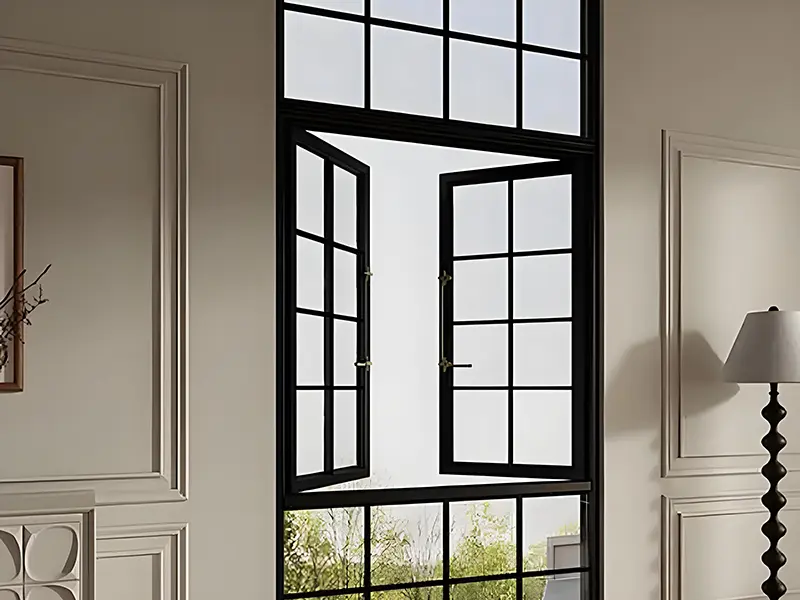
Application Scenarios: Suitable Use Cases for Broken Bridge Aluminum and Plastic Steel on Casement Windows, Sliding Windows and Swinging Windows
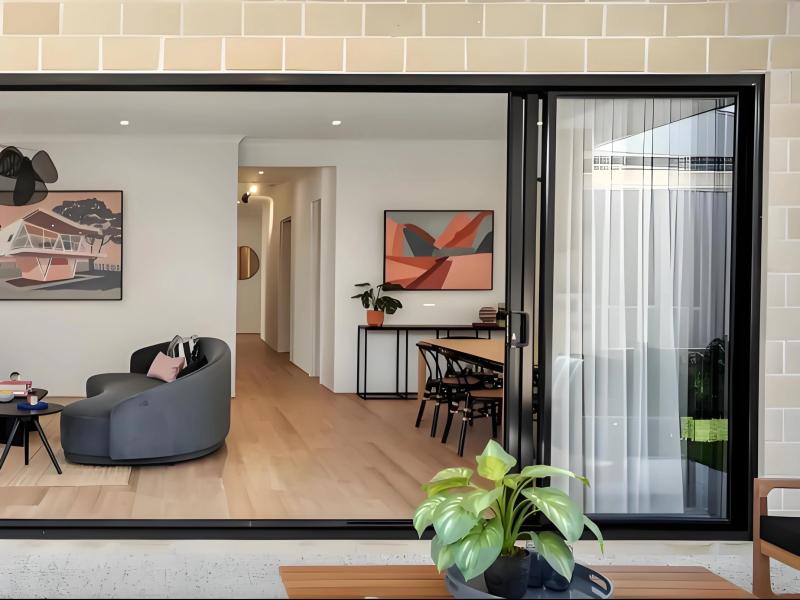
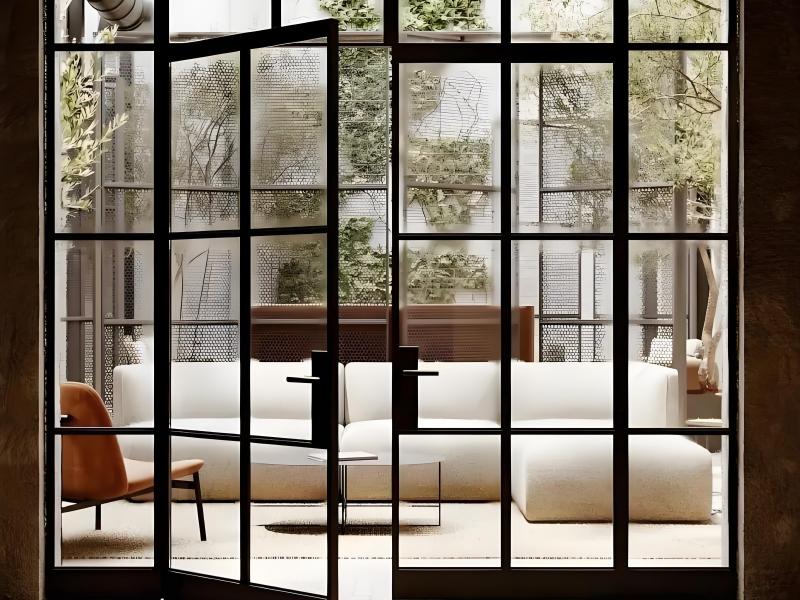
There is no absolutely better window material — only the most suitable one for your house type and usage habits. Casement windows have stricter requirements for air tightness and wind resistance compared with sliding windows and swinging windows. Broken bridge aluminum features light weight, high structural strength, and strong deformation resistance, which is perfect for high-rise casement windows and large-size swinging windows that need to resist strong wind pressure. For low-rise buildings, rooms with low opening frequency, and stable indoor environments, plastic steel casement windows and plastic steel sliding windows can fully meet daily usage demands. Matching the correct material with your casement windows, sliding windows, and swinging windows avoids performance redundancy or functional insufficiency and maximizes the overall utilization value of your windows.
Comprehensive Cost Performance Summary: Best Material Choice for Household Casement Windows and Matching Window Types
In summary, the cost performance of broken bridge aluminum and plastic steel casement windows depends entirely on your housing environment and practical needs. If you live in a high-rise residence, pursue long-term stable use, and require excellent performance and elegant appearance for aluminium windows, swinging windows, and sliding windows, broken bridge aluminum is the optimal choice. It delivers a long service life and extremely low maintenance costs, bringing superior comprehensive cost performance. For low-rise houses, budget-limited renovation projects, and windows with low usage frequency, plastic steel casement windows offer better cost advantages with lower initial investment. As a professional manufacturer of glass and window products, we recommend selecting window materials according to your actual house conditions to achieve the best user experience and economic benefits.