
With Diverse Architectural Styles, Will Tempered Glass Applications Be More Varied?
Introduction: The Evolving Canvas of Architectural Glass
The global architecture scene is going through a major shake-up, fueled by a mix of fancy design goals, tough performance requirements, and strict safety rules. At the center of this quiet revolution is a material that most people just think of as plain old stuff: tempered glass. It used to be picked mainly for its basic safety features, and it's also often called reinforced glass. But now, it's getting a makeover and being rethought.
As architectural styles keep branching out in all directions—from the stark minimalism of those modern boxy buildings to the smooth, organic shapes of parametric design and the locally-inspired looks of vernacular revival—there's a big question hanging over everyone in the industry: Will the ways we use this super common material become as diverse as the buildings it covers?
This evolution is not merely stylistic. It is underpinned by a fundamental shift in how glass is perceived—from a mere window to an active, multifunctional building envelope component. The journey of tempered safety glass from a standardized solution to a highly customized, performance-driven element reflects broader trends in construction technology and sustainable design. This article delves into the technical innovations, hybrid glazing systems, and market forces shaping the future of tempered glass in an era of architectural pluralism.
1. The Technical Foundation: More Than Just a Safety Workhorse
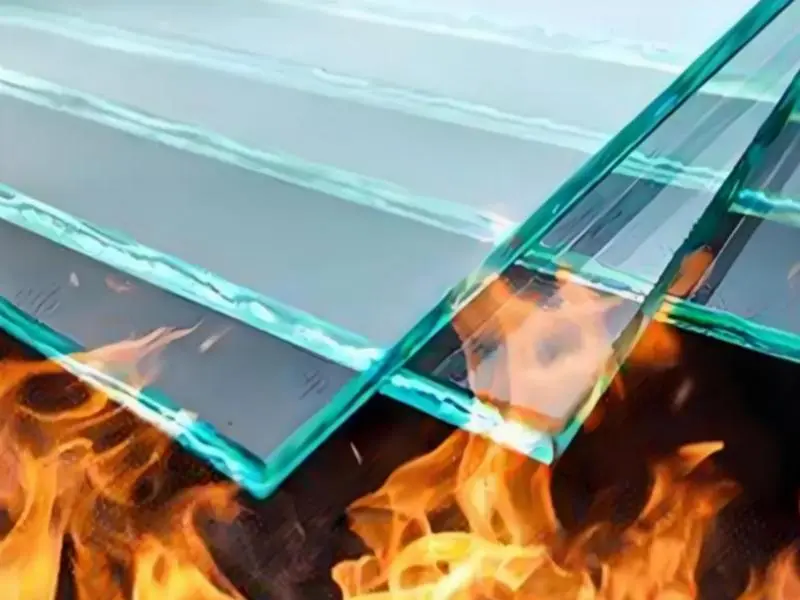
Tempered glass, or reinforced glass, is manufactured through a controlled thermal or chemical treatment process that induces high compressive stresses on its surface. This process gives it a bending strength three to five times greater than that of annealed glass of the same thickness. Its defining safety characteristic is its breakage pattern, which causes it to crumble into small, granular chunks rather than sharp, dangerous shards.
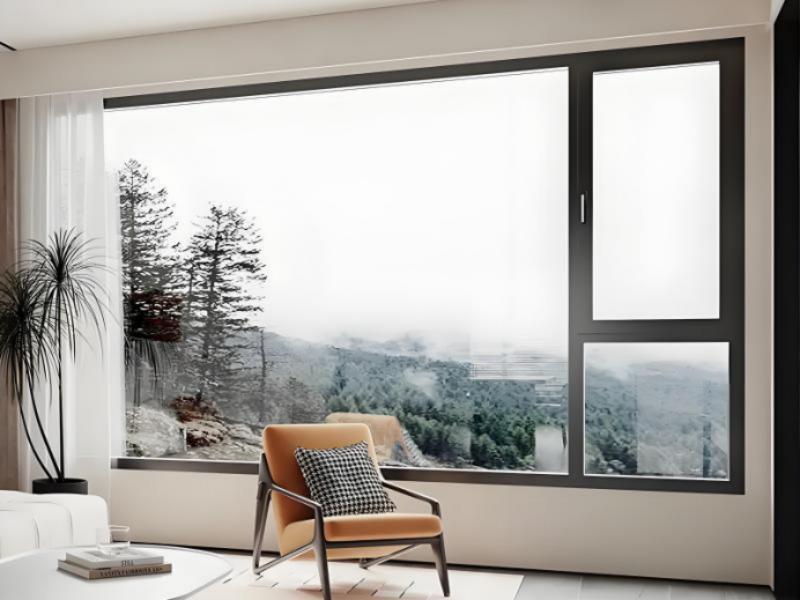
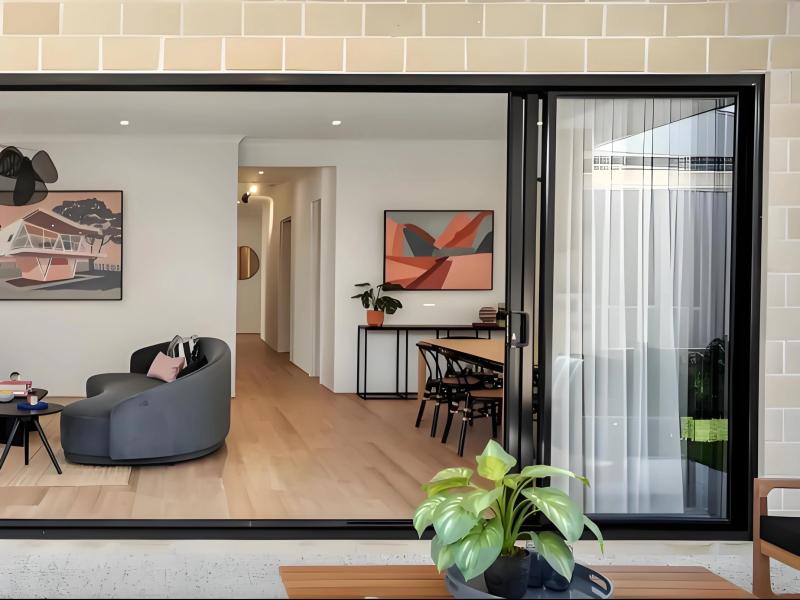
However, to view it only through the lens of safety is to miss its core value in modern architecture. The tempering process enables it to withstand greater thermal stress and wind load, making it the indispensable substrate for large, uninterrupted glazing areas—a hallmark of modernist and contemporary styles. Its robustness is the prerequisite for structural glazing applications, where the glass plane itself becomes part of the load-bearing system, held by discreet silicone bonds rather than visible mechanical frames.
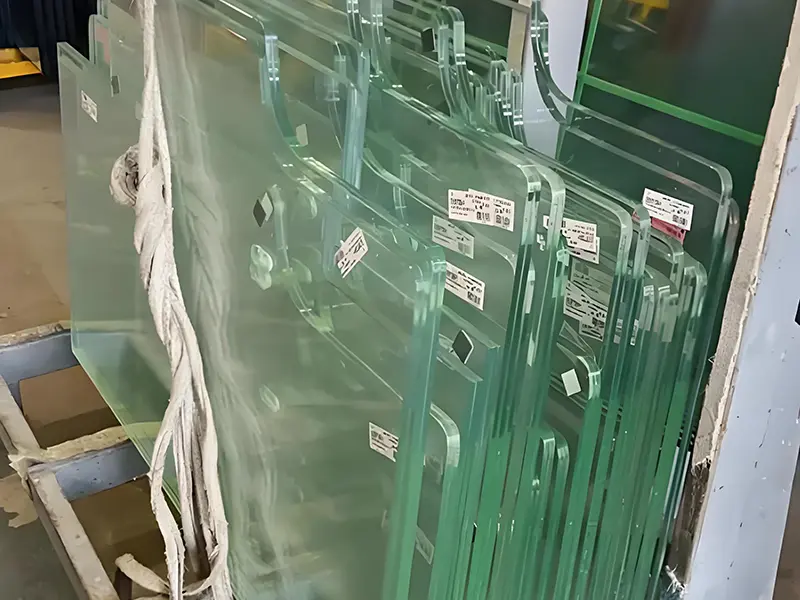
The push for architectural variety demands that this foundational material adapt. This has led to advancements in processing: the ability to temper larger, thinner, and more complexly shaped panels (e.g., curved tempered glass). Laser cutting and precision drilling before tempering allow for bespoke fixings and assemblies, enabling architects to specify unique configurations for custom facades, sculptural staircases, or intricate balustrades that align with specific stylistic visions.
2. Synergy in Systems: Tempered Glass as the Critical Core
The true potential of tempered glass unfolds when it is integrated into advanced glazing systems. Its role as a durable, reliable core component is crucial in two dominant hybrid systems that define high-performance facades.
First, Insulating Glass Units (IGUs) are the standard for energy efficiency. A typical IGU consists of two or more glass panes separated by a sealed, dehydrated air or gas-filled space (often argon or krypton). The exterior pane in an IGU is almost invariably tempered glass for durability and safety. Its strength allows for larger unit sizes and the pressure differences caused by gas fill and altitude changes. When combined with Low-Emissivity (Low-E) coatings—which must often be applied before the high heat of tempering—the result is a glazing unit that provides superior thermal insulation, controls solar heat gain, and contributes directly to a building’s energy rating, all while maintaining critical safety standards.
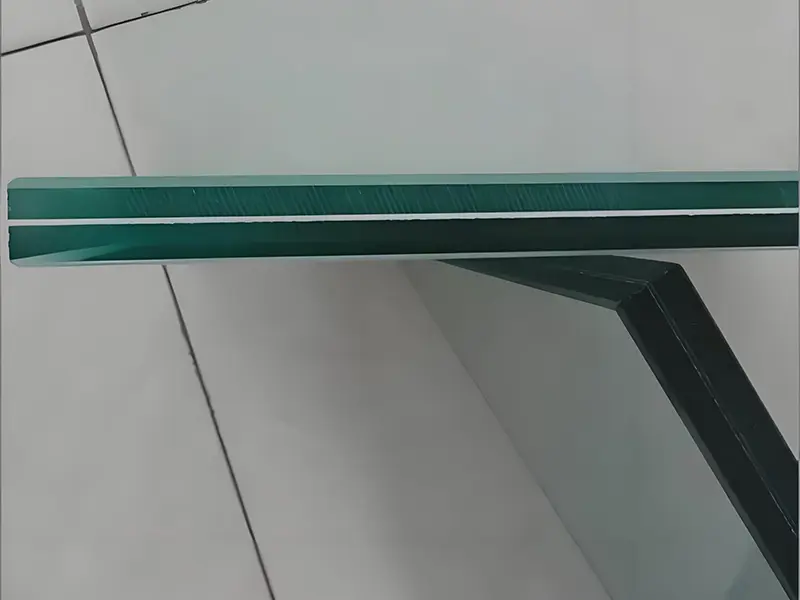
Second, laminated glass provides another layer of functionality, where tempered glass is frequently used as one or both of the glass plies. Laminated glass is created by bonding two or more glass sheets with a resilient interlayer, usually Polyvinyl Butyral (PVB) or SentryGlas® (SGP). When the tempered glass layer breaks, the interlayer holds the fragments in place, providing exceptional safety, security (resistance to impact and forced entry), and acoustic insulation. In sloped or overhead glazing (skylights, canopies), using tempered glass as part of a laminated assembly is often a code-mandated safety requirement. This combination is essential for creating large, safe, transparent barriers in atriums, sweeping glass roofs in parametric structures, or blast-mitigating facades—applications where style and stringent performance criteria intersect.
3. Driving Forces: Aesthetics, Performance, and Regulation
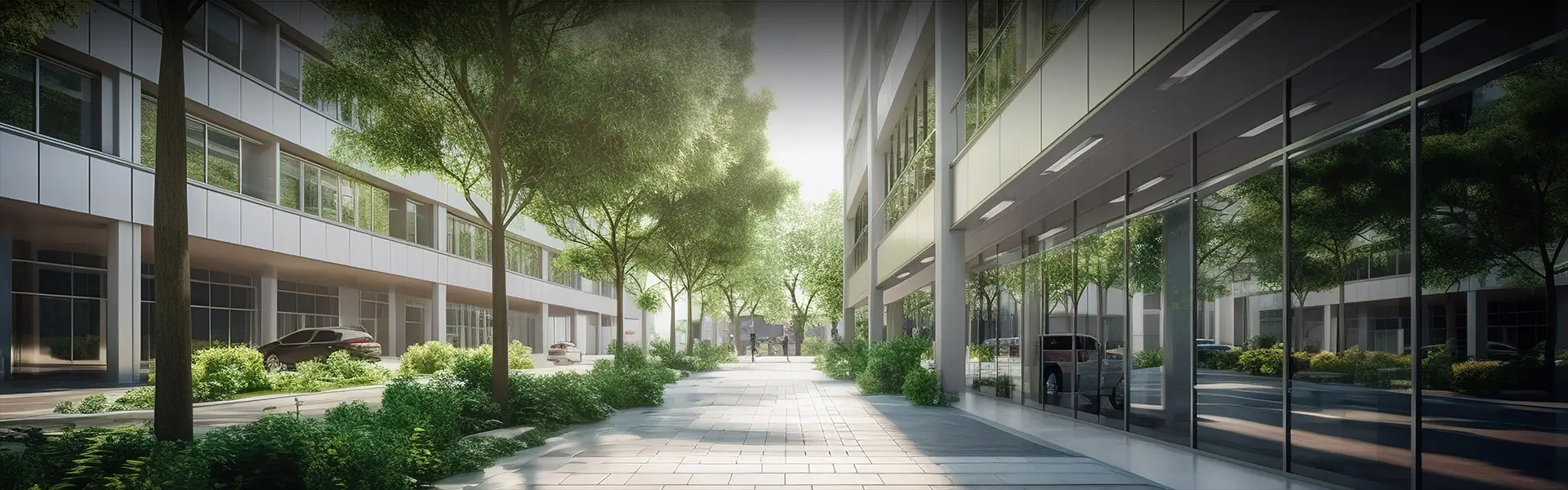
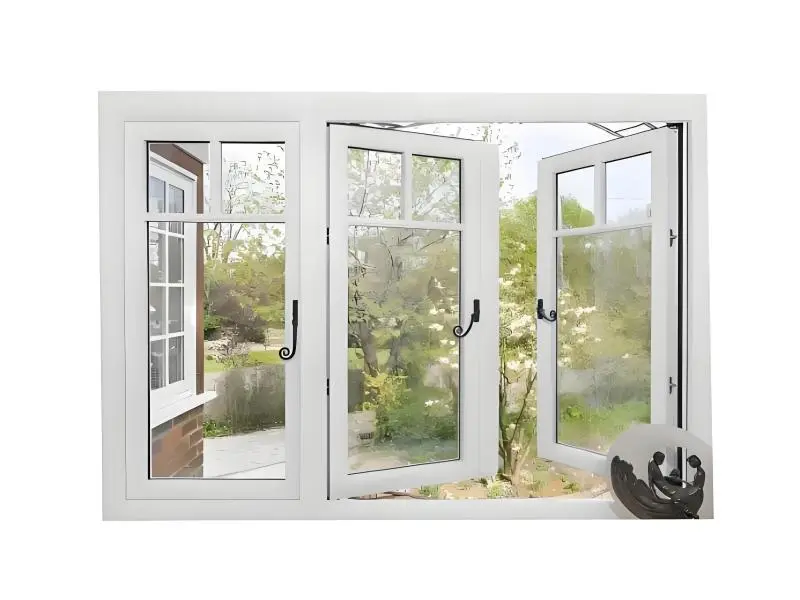
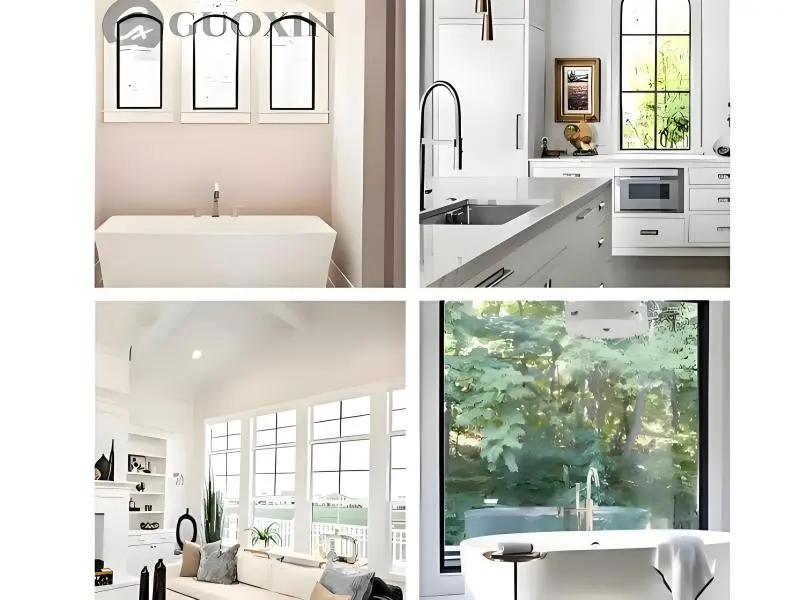
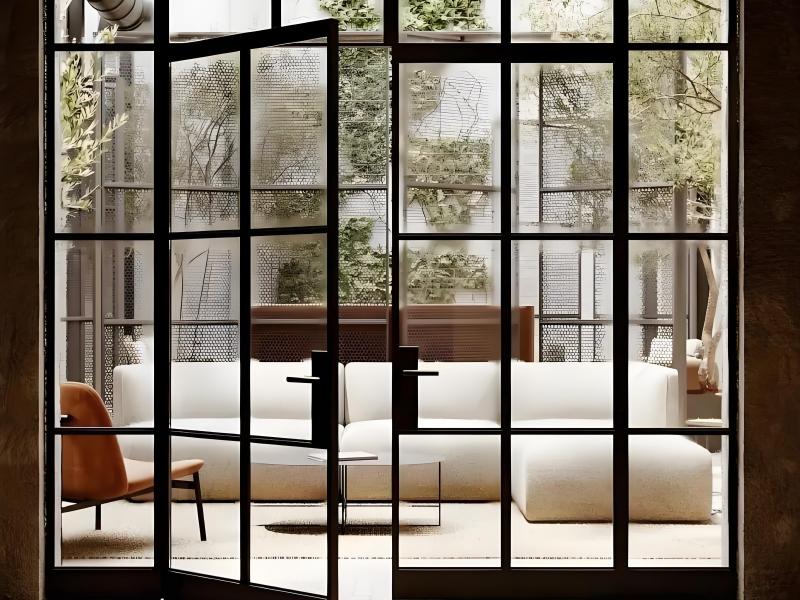
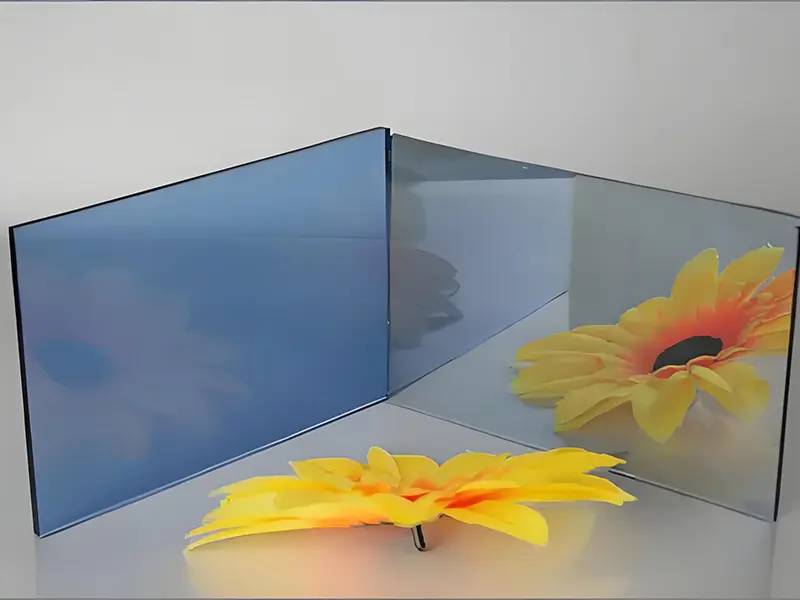
The diversification of tempered glass applications is propelled by a powerful triad of forces. Aesthetically, the demand for transparency, lightness, and visual continuity across diverse architectural styles is insatiable. The pursuit of the "all-glass" aesthetic in corporate towers, the delicate glass boxes of luxury residences, and the expansive glazed walls of cultural institutions all rely fundamentally on the structural confidence provided by reinforced glass. New finishes—such as ceramic frit patterns in varying densities, silk-screen designs, and even tempered glass with integrated digital printing—allow for artistic expression, branding, and privacy control without forfeiting the material’s inherent strength and safety properties.
Performance-wise, the global focus on sustainability and occupant well-being is paramount. Building codes worldwide are pushing for higher energy efficiency (driving IGU innovation), better acoustic comfort (enhancing the role of laminated assemblies), and improved resilience against extreme weather. Tempered glass, as the enabling substrate, must perform reliably in these complex systems under harsher conditions. Furthermore, the rise of "smart buildings" integrates glazing with sensors, dynamic shading, and even photovoltaic cells, requiring a toughened glass base that can accommodate embedded technology.
Regulation remains a non-negotiable driver. National and international building codes (e.g., International Building Code, EN standards) mandate the use of safety glass like tempered or laminated in specific hazardous locations: doors, sidelites, near walking surfaces, and in large overhead installations. As these codes evolve and become more stringent, they create a baseline market for tempered glass while simultaneously pushing the industry toward higher-performance, system-based solutions that exceed minimum requirements.
Conclusion: A Future Defined by Integration and Customization
So, will tempered glass applications become more varied? The evidence strongly points toward an unequivocal yes. Its future is not as a standalone product but as an ever-more sophisticated and essential component within integrated building systems. The diversification of architectural style is less about inventing entirely new uses for basic tempered glass and more about driving its evolution into a high-tech, highly engineered material that can be customized for strength, size, shape, optical quality, and surface functionality.
The trajectory is clear: from a generic safety product to a tailored performance material. The reinforced glass of tomorrow will be specified not just for its breakage pattern, but for its role in achieving U-values, managing solar gain, mitigating sound, enhancing security, and realizing a specific architectural vision—whether that vision is a stark geometric form or a flowing organic curve. In the dialogue between architectural imagination and material science, tempered glass has proven to be a remarkably responsive and capable interlocutor, promising that its application portfolio will continue to expand as broadly and boldly as the designs it helps to define.