
Can Bullet Proof Glass and Energy Efficiency Be Perfectly Integrated?
Today, safety and sustainability are top priorities. For architects and carmakers, that raises a tricky question: How do you build something strong and secure that's also truly energy-efficient? Bulletproof glass—once just for banks and armored vehicles—is now part of that conversation. But can it really work with green building tech and still do its job?
This article looks at the new ideas, smart materials, and clever engineering that are bringing these worlds together. We'll also touch on related tech like fire-resistant glass, radiation-blocking glass, and the growing use of oversized glass panels.
The Evolution of Bullet Proof Glass
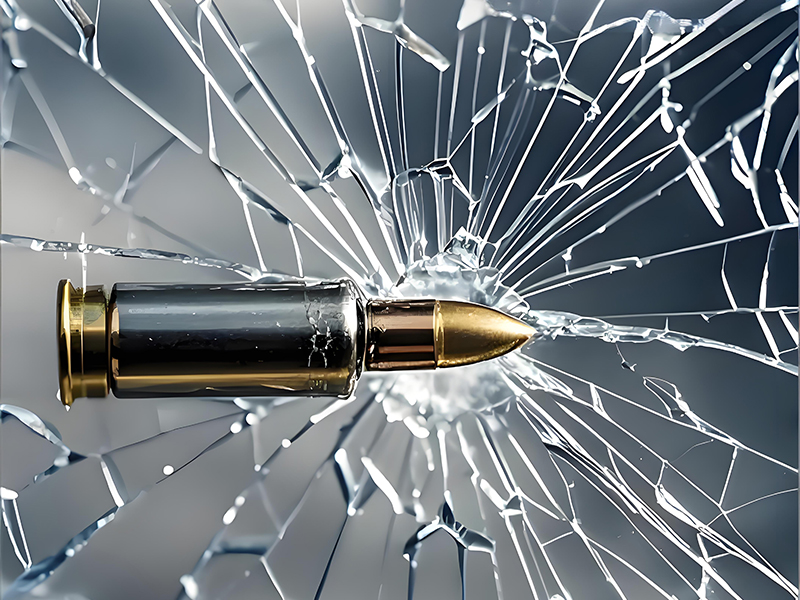
Bullet proof glass, also known as ballistic glass, has come a long way from its early iterations. Traditionally composed of multiple layers of glass and polycarbonate, its primary function was to withstand ballistic impacts. However, these early versions were often heavy, thick, and offered poor thermal performance. Today, advancements in material science have led to lighter, stronger, and more versatile bullet proof glass solutions. Modern bullet proof glass incorporates laminates, coatings, and interlayers that enhance not only security but also other functional properties. The keyword "bullet proof glass" appears repeatedly in discussions about security, but its role in energy efficiency is less explored.
Energy Efficiency: A Growing Demand
Energy efficiency in buildings and vehicles is no longer a luxury but a necessity. With global efforts to reduce carbon footprints, regulations like LEED certification and Energy Star ratings have pushed manufacturers to innovate. Windows and glazing systems play a critical role in a structure's thermal performance. Poorly insulated glass can lead to significant energy loss, increasing heating and cooling costs. Therefore, integrating bullet proof glass with energy-efficient features requires careful engineering to ensure it meets both security and sustainability standards.
The Integration Challenge: Security vs. Sustainability
At first glance, bullet proof glass and energy efficiency seem at odds. Bullet proof glass is typically thick and multi-layered, which can impede thermal insulation. However, recent innovations have addressed this issue. For instance, low-emissivity (Low-E) coatings can be applied to bullet proof glass to reflect infrared radiation, reducing heat transfer. Additionally, gas-filled interlayers, such as argon or krypton, can be incorporated between glass panes to enhance thermal performance. These adaptations allow bullet proof glass to contribute to energy savings without sacrificing security.
Fire Proof Glass: A Complementary Technology
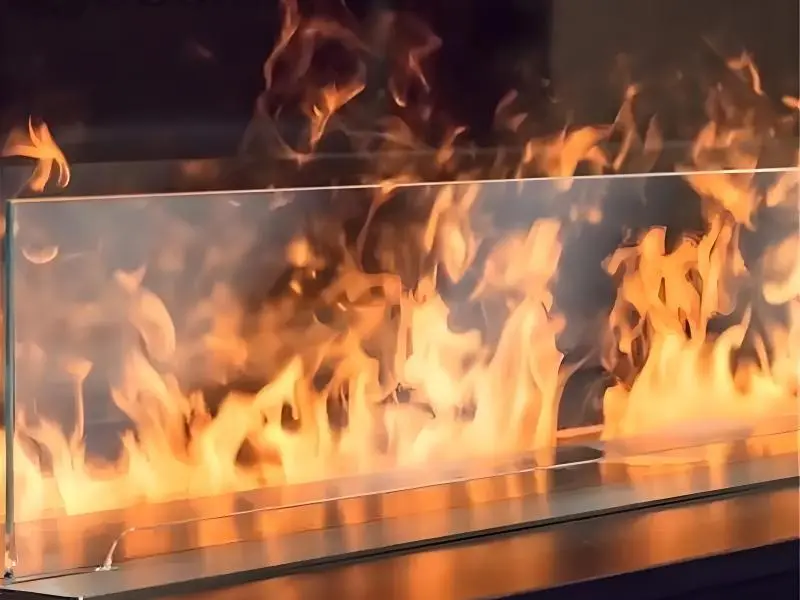
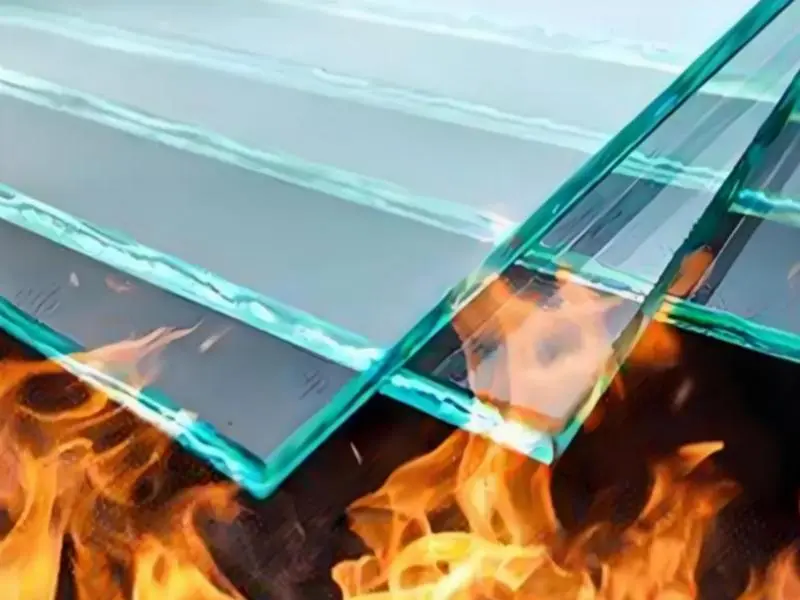
Fire proof glass is another critical component in modern security and safety designs. While its primary function is to contain fires and prevent the spread of smoke and flames, it can also be engineered for energy efficiency. Like bullet proof glass, fire proof glass can be combined with Low-E coatings and thermal breaks to improve insulation. In high-risk environments, such as data centers or laboratories, the integration of bullet proof glass and fire proof glass offers comprehensive protection against both ballistic threats and fire hazards.
Radiation Shielding Glass: Expanding the Scope
Radiation shielding glass is designed to protect against ionizing radiation, commonly used in medical facilities, nuclear plants, and research labs. This type of glass often contains heavy metals like lead or barium, which can complicate energy-efficient designs. However, advancements in composite materials have led to radiation shielding glass that is both effective and thermally efficient. When combined with bullet proof glass, it creates a multi-threat solution for sensitive installations, proving that security and sustainability can coexist.
Jumbo Glass: The Aesthetic and Functional Advantage
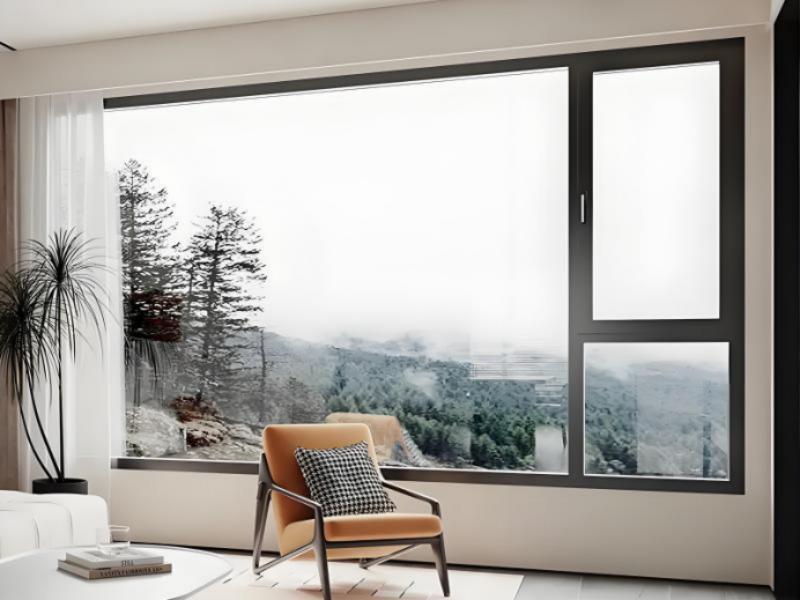
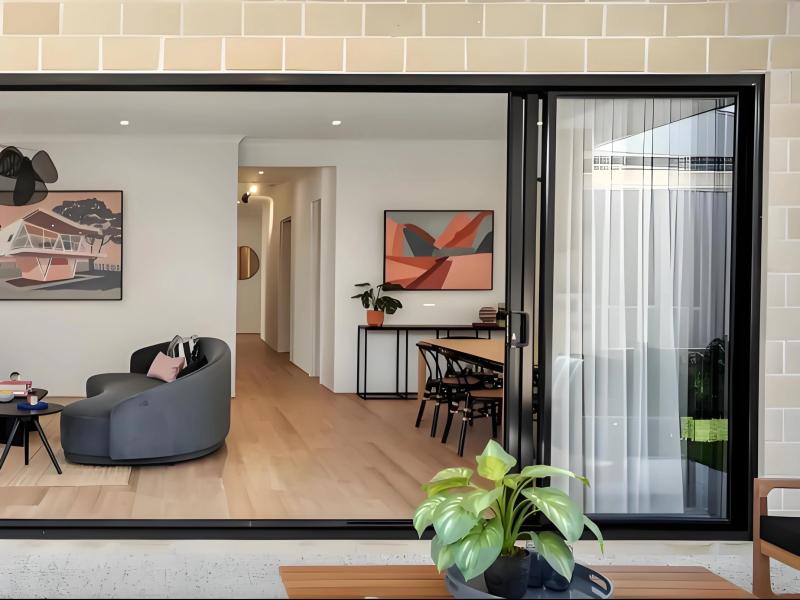
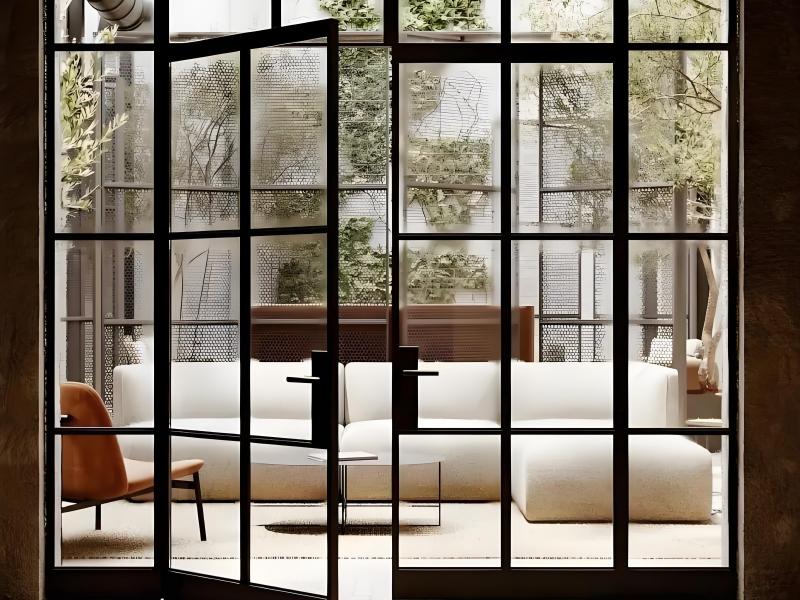
Jumbo glass, or oversized glass panels, is gaining popularity in modern architecture for its aesthetic appeal and ability to maximize natural light. However, jumbo glass poses unique challenges for security and energy efficiency. Large panels of bullet proof glass must maintain structural integrity while providing thermal insulation. Innovations in framing systems and glass bonding techniques have made it possible to use jumbo glass in high-security applications without compromising energy performance. This trend is evident in corporate headquarters, government buildings, and luxury residences where both safety and sustainability are prioritized.
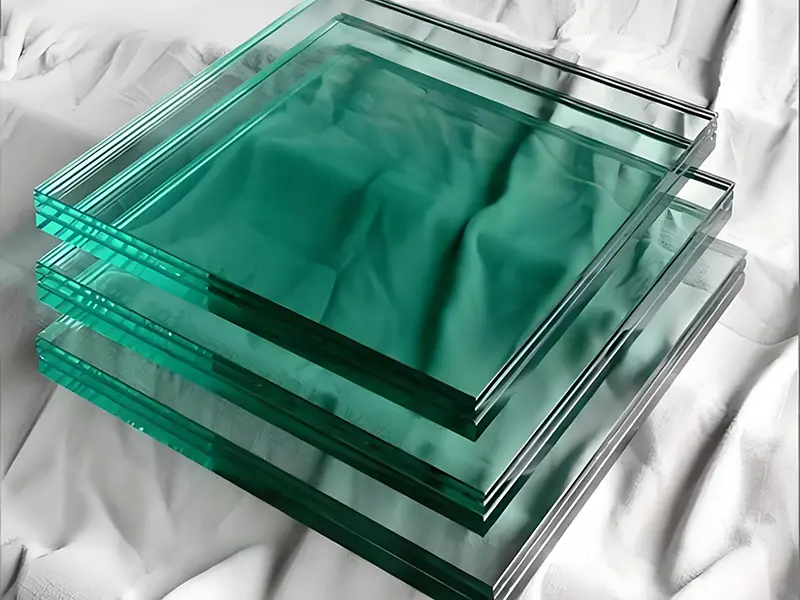
Material Innovations: The Key to Integration
The seamless integration of bullet proof glass and energy efficiency relies on material innovations. Nanotechnology, for example, has enabled the development of transparent coatings that enhance both ballistic resistance and thermal properties. Additionally, the use of laminated glass with suspended particle devices (SPDs) or electrochromic interlayers allows for dynamic control of light and heat transmission. These smart glass technologies can be incorporated into bullet proof glass systems, offering adaptability to changing environmental conditions.
Case Studies: Real-World Applications
Several real-world applications demonstrate the successful integration of bullet proof glass and energy efficiency. For instance, the European Central Bank's headquarters in Frankfurt features bullet proof glass with advanced thermal coatings, contributing to the building's LEED Platinum certification. Similarly, armored vehicles used by diplomatic missions now include energy-efficient bullet proof glass to reduce reliance on air conditioning, thereby saving fuel. These examples highlight the practical benefits of this integration.
Future Trends and Predictions
The future of bullet proof glass lies in its ability to become multifunctional. Researchers are exploring self-healing materials, photovoltaic integrations, and even augmented reality-compatible glass. As the demand for sustainable security solutions grows, bullet proof glass will likely evolve to incorporate more energy-efficient features. Moreover, the convergence of bullet proof glass, fire proof glass, radiation shielding glass, and jumbo glass will lead to holistic glazing systems that address multiple threats while promoting environmental stewardship.
Conclusion
The integration of bullet proof glass and energy efficiency is not only possible but already in progress. Through material science innovations, smart technologies, and thoughtful engineering, bullet proof glass can meet the dual demands of security and sustainability. As industries continue to prioritize both safety and environmental responsibility, the role of bullet proof glass will expand, paving the way for a safer and greener future.