
Could Aluminium Windows Be Key to Green Building “Good Houses” Globally?
In the worldwide push for sustainable development, the idea of the "Good House" has become really important. A Good House is one that's safe, cozy, eco-friendly, and smart, and it's seen as the foundation for future construction. Usually, when people talk about this, they focus on things like solar panels, smart gadgets, and new building materials. But there's one crucial part that often gets overlooked, and it's right there in our walls: the simple window.
As the construction industry puts more effort into cutting down on the energy buildings use while they're in operation, aluminium windows are going through a huge technological makeover. They're becoming a key player in achieving top-notch, sustainable architecture.
This article is going to look at how modern aluminium windows and doors (fenestration is the fancy word for them) are changing from being just basic parts of a building to becoming high-tech, energy-saving systems. These systems could be essential for building Good Houses all over the world.
The “Good House” Mandate and the Fenestration Frontier
The vision for “Good Houses” transcends basic shelter, aiming for structures that ensure occupant health, minimize environmental impact, and offer resilience. A core challenge in this pursuit is the building envelope’s thermal performance, where windows have historically been the weakest link. Conventional single-pane or poorly sealed windows can account for a staggering 40% to 50% of a building’s total heat loss or gain. This directly contradicts the goals of green building, leading to excessive energy consumption for heating and cooling, which contributes significantly to global carbon emissions.
The mandate for “Good Houses,” therefore, creates an urgent demand for fenestration solutions that deliver superior insulation, durability, and smart functionality. This is where advanced aluminium windows are demonstrating their indispensable value, evolving through material science and engineering to meet these stringent new standards.
Engineering the Edge: How Modern Aluminium Windows Achieve High Performance
The leap in performance of contemporary aluminium windows is not accidental but the result of targeted innovations in thermal engineering and system design.
Thermal Break Technology
The most significant advancement is the widespread adoption of thermal break technology. A thermal break is a non-conductive polyamide or composite bar inserted between the inner and outer aluminium profiles of the window frame. This simple yet effective barrier dramatically reduces thermal conductivity, preventing the exterior cold or heat from being transferred directly to the interior. This innovation transforms aluminium from a thermal liability into a component of a high-performance insulating system.
Passive House Certification
The pinnacle of energy-efficient design is embodied in the Passive House standard. Windows certified to this standard, often referred to as passive windows, feature extremely low U-values (a measure of heat loss), typically below 0.8 W/(m2K). Achieving this requires a combination of multiple glazing layers (double or triple glazing), inert gas fills like argon or krypton, warm-edge spacers, and sophisticated frame design. Research and application focused on optimizing materials and installation techniques for such passive windows are central to meeting ultra-low energy consumption targets.
Glazing Advancements
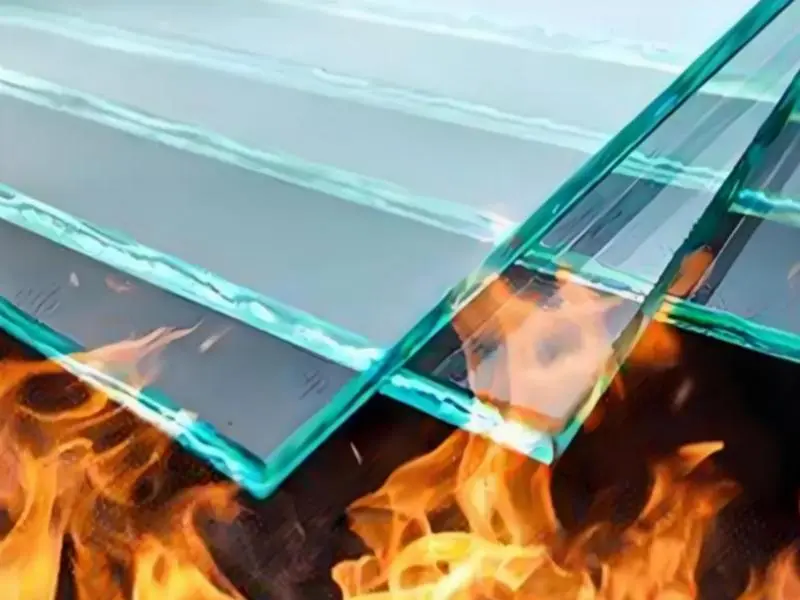
The glass unit itself is a site of constant innovation. Low-emissivity (Low-E) coatings are microscopically thin, metal-oxide layers applied to glass that reflect infrared heat while allowing visible light to pass through. When combined with thermal breaks in the frame, these windows act as a highly effective thermal barrier.
A Study in StylesCasement, Sliding, and Swinging Windows in Green Design
The performance of an aluminium window is intrinsically linked to its operating style, as the sealing mechanism and frame structure vary. Different styles offer unique benefits tailored to the needs of green building.
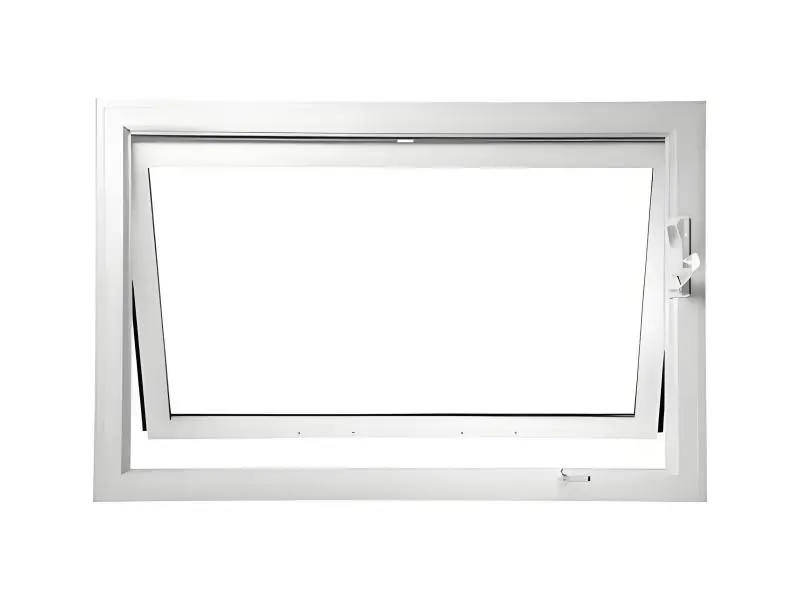
Casement Windows
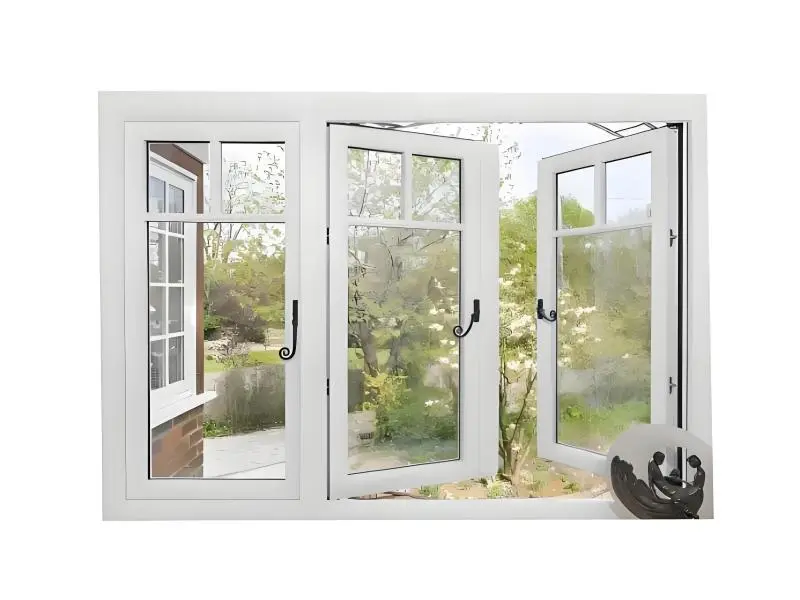
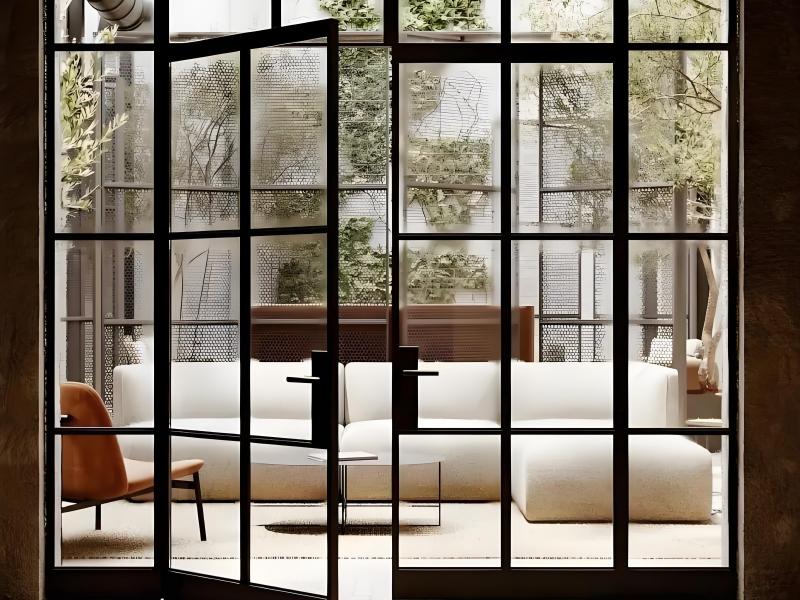
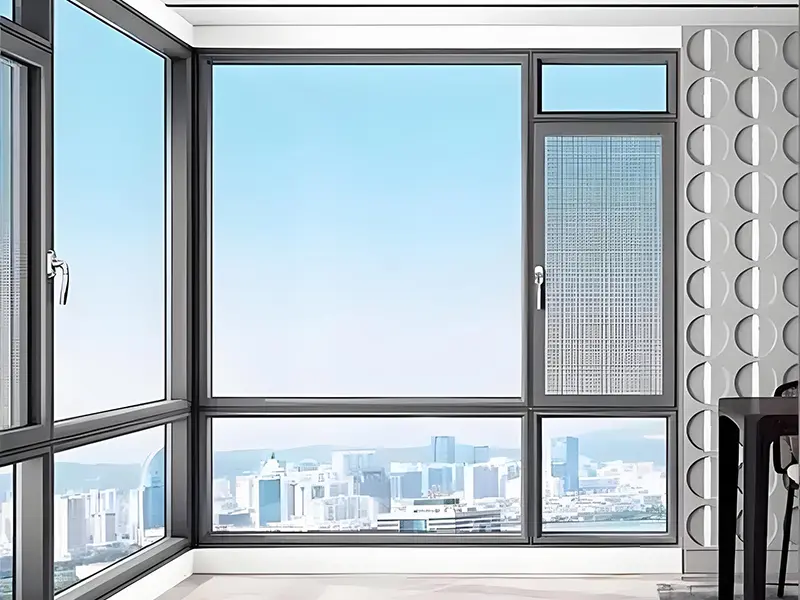
Hinged at the side and opening outward like a door, casement windows are renowned for their excellent airtight seal. When closed, the sash presses firmly against the frame, creating a compression seal that is highly effective at preventing air infiltration—a critical factor for energy efficiency. Their design also allows for full ventilation when open. Modern iterations, like top-hung casement windows, have seen engineering improvements to enhance stability, reduce wear, and eliminate operational noise, further solidifying their reliability.
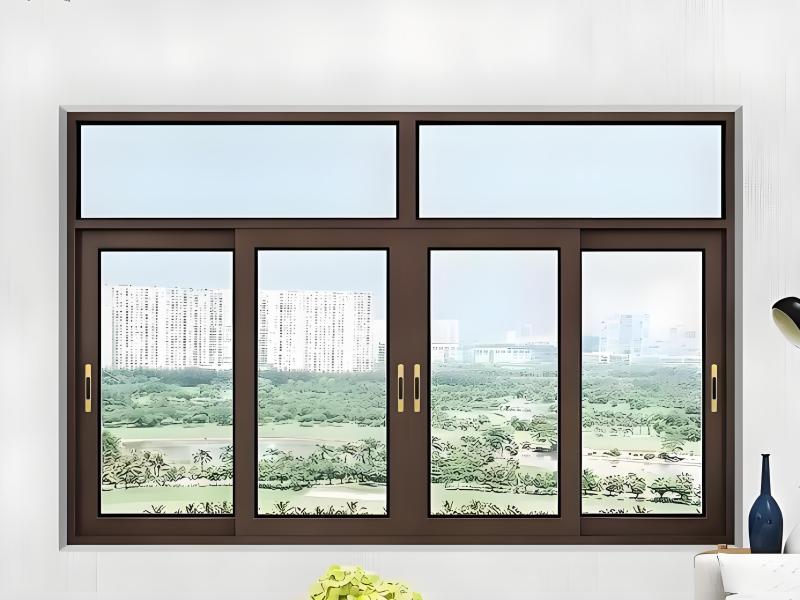
Sliding Windows (Horizontal Sliding)
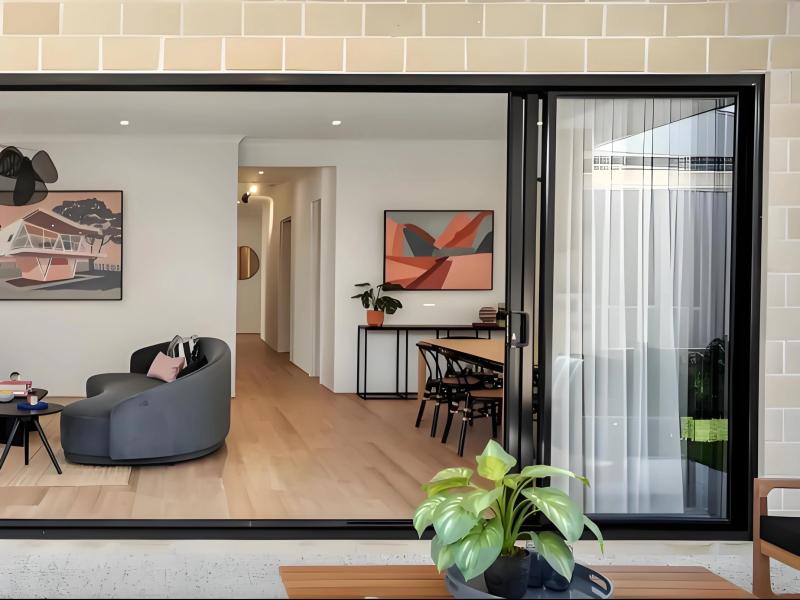
These windows feature sashes that glide horizontally along a track. While typically offering less absolute airtightness than casement styles due to the nature of the sliding seal, modern high-quality sliding windows incorporate multiple weatherstripping layers and drainage systems. Their key advantage in “Good House” design is space efficiency, as they do not require inward or outward clearance to operate, making them ideal for balconies, rooms with limited exterior space, or areas where maximizing interior layout flexibility is a priority.
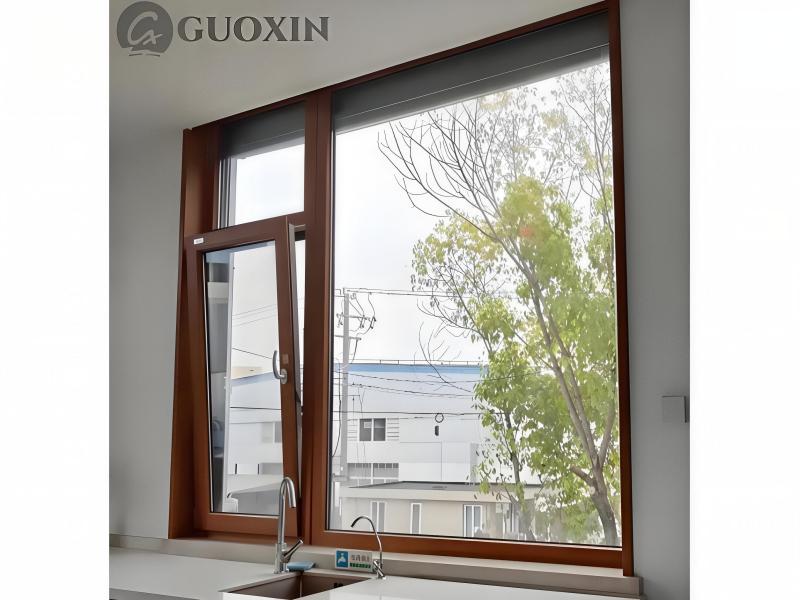
Swinging Windows (Tilt and Turn)
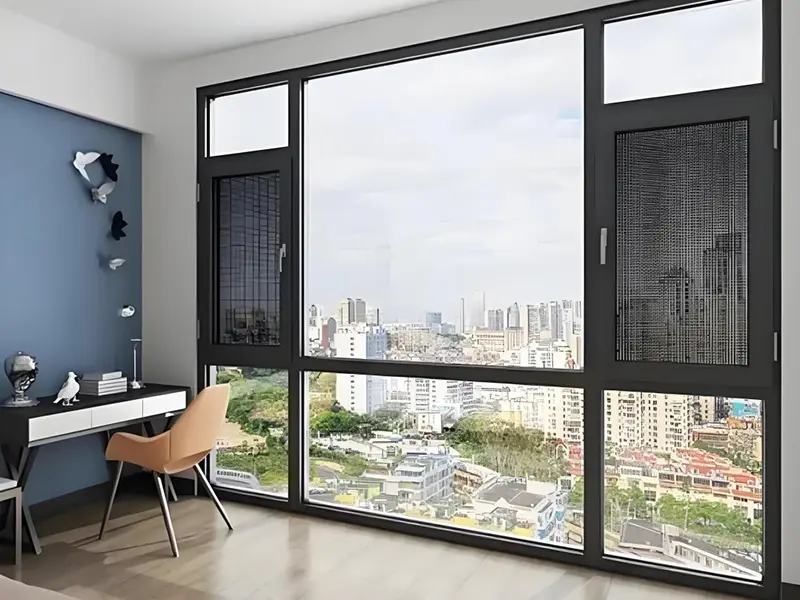
A versatile European-style favorite, swinging windows (commonly known as tilt-and-turn) offer two opening modes. They can swing inward like a door for maximum ventilation and easy cleaning, or they can tilt inward from the top, providing secure, draft-controlled ventilation even in rain. This dual function is invaluable for balancing fresh air intake with energy conservation and occupant security, aligning perfectly with the health and comfort pillars of the “Good House.”
Beyond Insulation: The Holistic Benefits for Sustainable Construction
The contribution of advanced aluminium windows to green building extends well beyond thermal insulation.
Durability and Longevity
Aluminium is inherently strong, corrosion-resistant, and impervious to rot or warp. Powder-coated finishes provide long-lasting color and protection with minimal maintenance. This durability ensures a long service life, reducing the need for replacement and the associated resource consumption and waste—a key principle of sustainable material cycles.
Recyclability
Aluminium is one of the most recyclable materials on the planet. The frames of aluminium windows can be recycled repeatedly without loss of quality, drastically reducing the lifecycle carbon footprint compared to virgin material production. This “cradle-to-cradle” potential is a powerful asset in whole-building life cycle assessments.
Integration with Smart Homes
The modern aluminium window is increasingly a connected device. Sensors can be integrated to monitor air quality, temperature, and security, automating ventilation or alerting homeowners. Motorized operators allow for the automated control of hard-to-reach windows, optimizing natural ventilation in sync with building management systems.
The Path Forward: Innovation and Integration
The industry’s trajectory confirms this shift. Leading manufacturers and industry bodies are actively pushing the boundaries, advocating for a move away from commoditized products toward high-performance, system-based solutions that are green, intelligent, and high-end. The integration of aerospace-level environmental control technologies into building systems, as seen in cutting-edge projects like the “Space House,” hints at a future where windows are active, responsive components of a building’s breathing apparatus.
However, challenges remain, including cost sensitivity in some markets and the need for skilled installation to ensure designed performance is realized in the field. Education for architects, builders, and consumers on the long-term value of high-performance fenestration is crucial.
Conclusion
The question of whether aluminium windows can be key to green building “Good Houses” globally is met with a resounding and technically substantiated yes. Through continuous innovation in thermal breaks, glazing, and precision engineering across styles like casement, sliding, and swinging windows, aluminium fenestration has shed its past limitations. It now stands as a durable, recyclable, and intelligent building system that directly addresses the core challenges of energy efficiency, occupant comfort, and environmental responsibility. As the global construction industry embraces the “Good House” ethos, the advanced aluminium window is no longer just an opening to the world, but a finely tuned instrument for building a more sustainable future.