
What factors are driving the 5.4% CAGR growth of the global decorative glass market?
The world of architectural materials is quietly but dramatically changing. Glass, which used to be valued mainly for being see-through and for its basic practical uses, is now leading the way in design innovation and sustainable building. Right at the heart of this change is the decorative glass market, a sector that's growing strongly and steadily.
According to some recent industry research, the global market for decorative laminated glass alone is expected to jump from around 2.8 billion in 2024 to over4 billion by 2031. That's a steady compound annual growth rate (CAGR) of 5.4%. This upward trend has got industry experts, architects, and investors all asking the same big question: What's driving this growth? The answer isn't just one thing. It's a powerful mix of technological breakthroughs, tougher regulations and sustainability requirements, and a major shift in architectural thinking. Now, decorative glass isn't seen as just a finishing touch; it's viewed as a lively, multi-purpose part of buildings.
The Sustainability Imperative: Energy Efficiency as a Core Driver
A primary engine of market growth is the global push toward energy-efficient and sustainable buildings. In this context, decorative glass is evolving far beyond ornamentation; it is becoming a key performance material. The integration of advanced functional coatings is pivotal. Low E glass (low-emissivity glass), with its microscopically thin, transparent metallic coating, plays a crucial role. It allows visible light to pass through while reflecting interior heat back inside during winter and blocking solar heat gain during summer, significantly improving a building's thermal envelope. This functionality directly addresses the fact that a substantial portion of a building's energy loss occurs through windows.
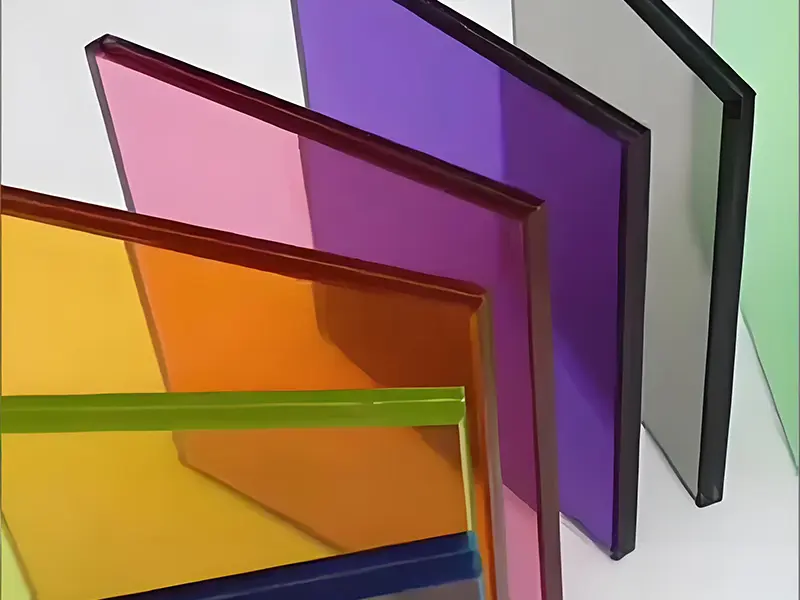
Innovation in this space is moving rapidly to merge aesthetics with performance. A leading example is the development of products like online Low-E tinted glass, which incorporates rapid color-changing technology. This allows for the production of glass that provides both significant solar control (with some products reporting over 40% improved energy efficiency per pane) and a consistent, durable decorative color, fulfilling dual demands for energy savings and design flexibility. This synergy between sustainability mandates and aesthetic possibility is a powerful market catalyst, moving decorative glass from an optional luxury to a component of responsible building design.
The Convergence of Safety and Design: The Non-Negotiable Standard
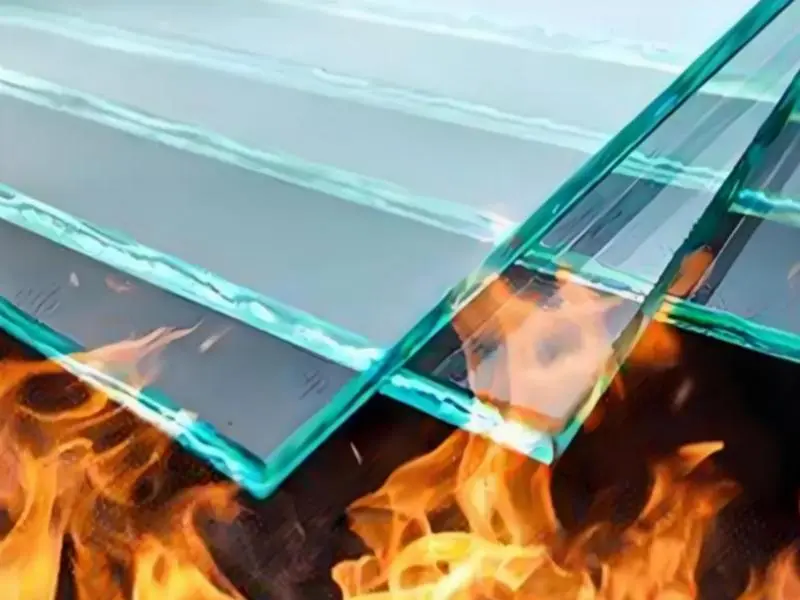
Modern architecture and interior design no longer treat safety and aesthetics as separate considerations. This paradigm shift has been instrumental in elevating decorative laminated glass, a core category within the broader decorative glass market. Laminated glass, constructed by bonding two or more glass layers with a durable interlayer like PVB or EVA, inherently provides enhanced safety and security. Upon impact, it holds together rather than shattering into dangerous shards, making it ideal for applications from overhead glazing to security-conscious facades.
The market growth is fueled by the application of decorative techniques—such as digital printing, embedding, or texturing—directly onto these laminated safety substrates. This creates a single material solution that meets strict building codes for safety glass in applications like railings, partitions, and overhead canopies, while simultaneously delivering custom visual effects. Furthermore, specialized decorative mirror glass, such as corrosion-resistant colored mirror variants used in monumental projects, demonstrates how advanced processing can enhance both durability and dramatic visual impact, creating immersive environments. By combining mandatory safety performance with boundless design potential, this category has secured a foundational and growing role in both commercial and high-end residential projects.
Technological Revolution: Digital Fabrication and Mass Customization
Perhaps the most transformative driver is the advent of advanced digital manufacturing technologies. The era of decorative glass being limited to repetitive, standardized patterns is over. Today, high-precision digital printing and cutting technologies enable mass customization, allowing architects and designers to translate virtually any image, graphic, or complex pattern directly onto large-format glass panels.
This technological leap has redefined the very purpose of decorative glass. It is no longer just a wall covering but an "active, decorative, and communicative" medium for storytelling and brand expression. Companies are now producing films and printable substrates that can replicate textures like fabric, lace, or even fine art reproductions on glass surfaces. Innovations like advanced one-way vision (OWV) films transform glass facades into dynamic communication canvases for retail and corporate spaces without compromising interior visibility. This capability to produce unique, bespoke designs at scalable costs unlocks new applications in retail, hospitality, and corporate interiors, directly stimulating market demand by offering unparalleled creative freedom.
Architectural Trends: Material Honesty, Light, and Spatial Fluidity
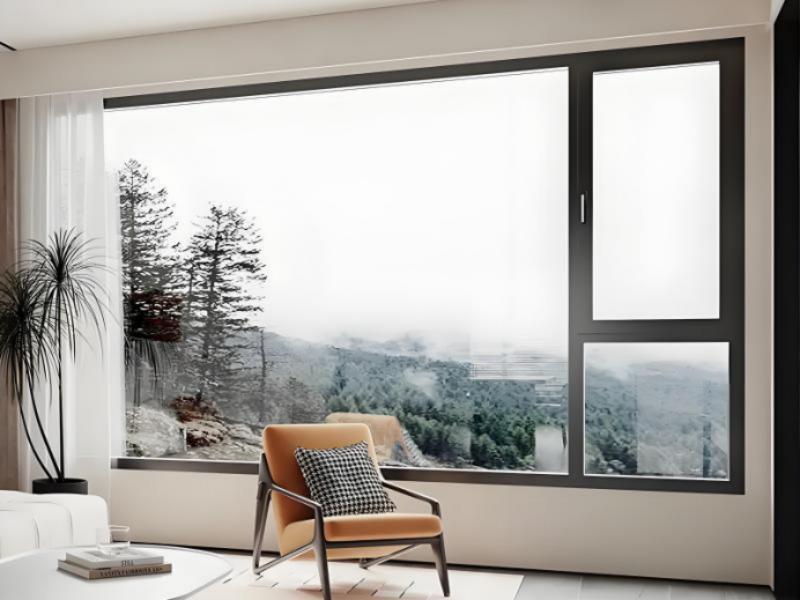
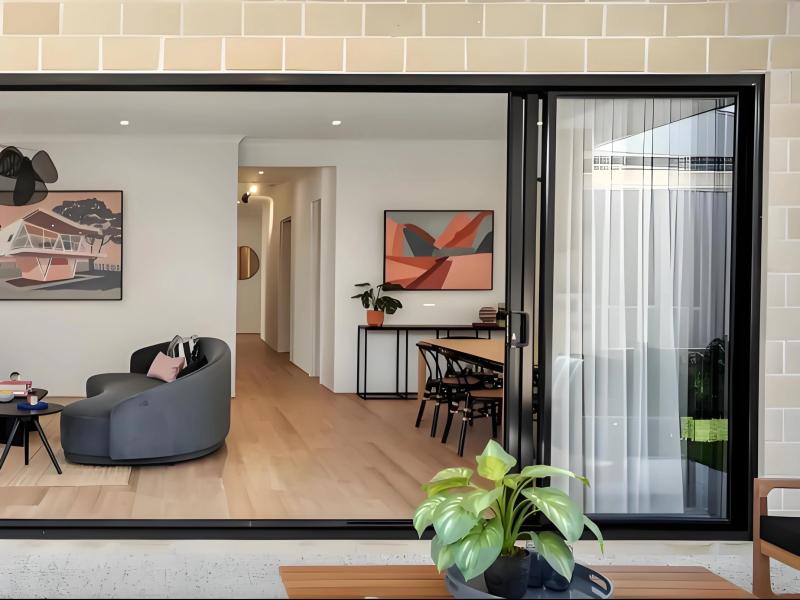
Contemporary architectural trends provide the essential demand-side pull for innovative decorative glass products. Modern design increasingly favors open, light-filled spaces that connect interior and exterior environments. Glass is central to this ethos. Designers are now using decorative glass not as a mere infill material, but as a primary element to sculpt light, define space, and create emotional resonance.
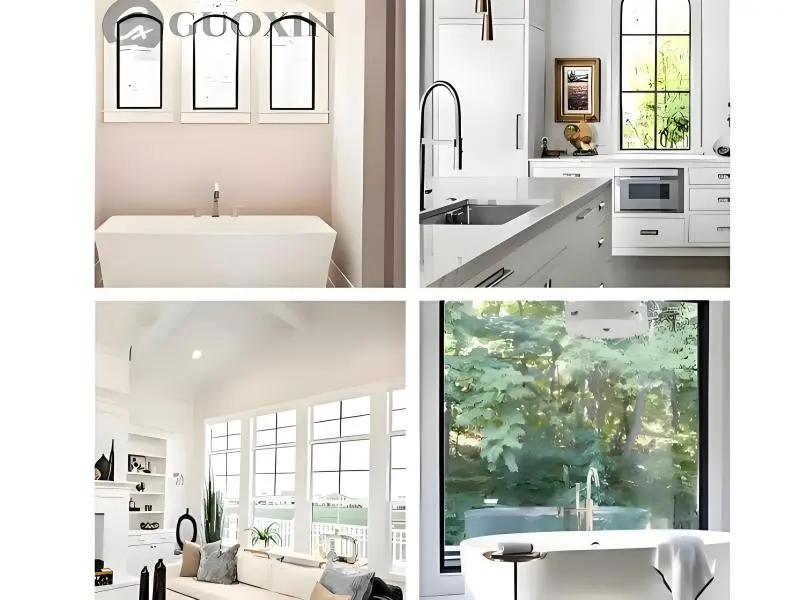
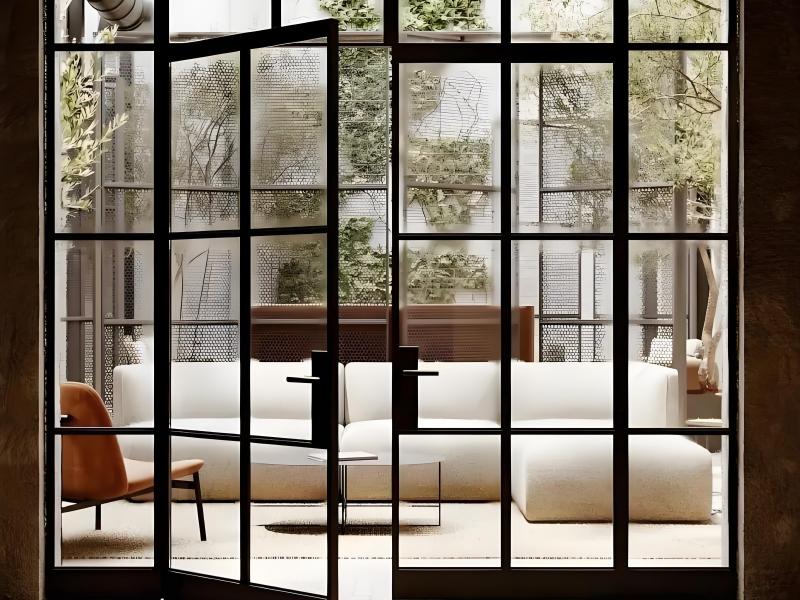
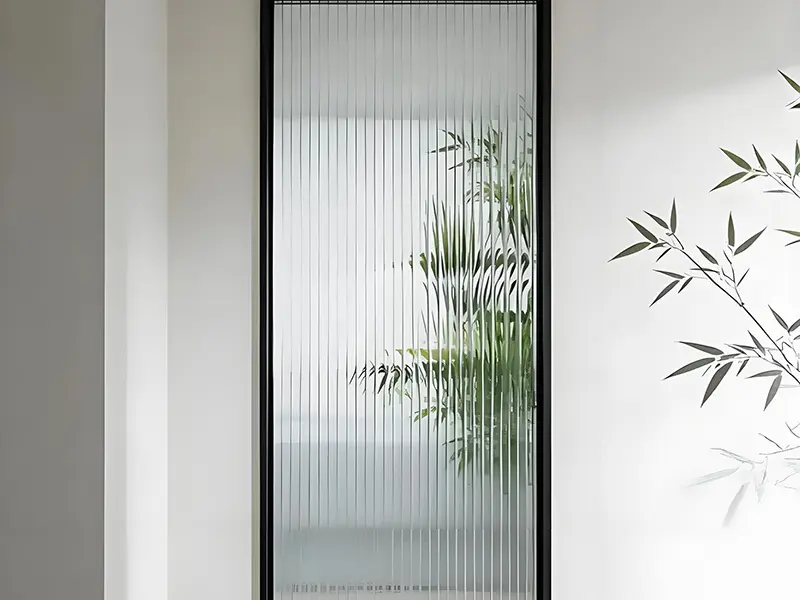
Interior applications are particularly dynamic. Decorative glass is used in sophisticated space partitions that provide visual privacy while maintaining light transmission, using techniques like acid etching, fritting, or laminated interlayers to create gradient effects. Similarly, decorative mirror glass is employed to amplify light and create expansive perceptual spaces in retail and residential settings. Externally, the trend toward expressive building facades utilizes printed and textured glass to create identity and manage solar shading in an aesthetically integrated manner. The material's versatility allows it to meet the dual modern demands of functional performance—be it acoustic control, safety, or sustainability—and profound aesthetic contribution.
Conclusion: A Market Solidified by Multifunctionality
The projected 5.4% CAGR growth of the global decorative glass market is not a speculative bubble but a reflection of deep-seated shifts in how we design and construct our built environment. The growth is driven by a powerful alignment of factors: the non-negotiable need for safety glass and energy-efficient Low E glass; the technological capability for mass customization; and the architectural desire for materials that enhance spatial experience.
This confluence has fundamentally changed the value proposition of decorative glass. It has successfully transitioned from a superficial decorative add-on to a high-performance, multifunctional building material that answers some of the most pressing challenges in modern construction—energy conservation, safety, and occupant well-being—while providing an unlimited palette for aesthetic expression. As these drivers of sustainability, safety, technology, and design continue to intensify, the decorative glass market is positioned not just for steady growth, but for a lasting redefinition of its role at the heart of architectural innovation.